

If your microwave vents are clogged or dirty, it can affect how well your microwave works—and even cause unwanted smells in your kitchen. You might not realize how important clean vents are until your microwave starts overheating or making strange noises.
But don’t worry—cleaning your microwave vents is easier than you think. You’ll discover simple, effective steps to get your vents spotless and keep your microwave running smoothly. Keep reading, and you’ll learn how to protect your appliance and make your kitchen a fresher place.
Importance Of Clean Microwave Vents
Microwave vents help release heat and steam while cooking. Keeping these vents clean is very important.
Dirty vents can cause problems with your microwave’s performance and safety.
Prevents Overheating
Clean vents allow air to flow freely. This stops the microwave from getting too hot. Overheating can damage the appliance.
Improves Cooking Efficiency
When vents are clean, the microwave cooks food evenly. Blocked vents make the microwave work harder and take longer.
Reduces Fire Risk
Grease and dust build-up in vents can catch fire. Cleaning vents lowers the chance of fire accidents.
- Remove dust and dirt regularly
- Wipe away grease with a mild cleaner
- Check vents for blockages monthly
- Use a soft brush to clean hard-to-reach areas
Extends Microwave Lifespan
Clear vents reduce stress on microwave parts. This helps the appliance last longer and saves money on repairs.
| Benefit | Effect |
| Prevents Overheating | Protects microwave parts |
| Improves Cooking Efficiency | Faster and even cooking |
| Reduces Fire Risk | Increases kitchen safety |
| Extends Lifespan | Less repair and replacement costs |
Identifying Signs Of Dirty Vents
Microwave vents help remove heat and steam during cooking. Over time, these vents can get dirty and clogged. This reduces their efficiency and can cause problems.
Knowing the signs of dirty vents helps you keep your microwave working well. It also keeps your kitchen safe and clean.
Visible Dust And Grease Build-up
You can often see dust, dirt, or grease on the vent openings. This build-up blocks airflow and makes the vents less effective.
- Look for dark spots or sticky layers on the vent surface.
- Check the small holes or slits for any clogging.
- Notice any oily residue that attracts more dust.
Unusual Microwave Performance
A dirty vent can affect how your microwave cooks food. It may take longer or cook unevenly.
- Food takes more time to heat or cook.
- Some parts of the food stay cold while others are hot.
- The microwave feels hotter on the outside than usual.
Strange Noises Or Smells
Dirty vents can cause the microwave to make odd sounds or smells. These signs mean the vent may be blocked or dirty.
| Sign | Possible Cause | Effect |
| Buzzing or rattling noise | Blocked vent fan | Fan works harder, may wear out |
| Burning smell | Grease or dirt buildup | Risk of smoke or fire |
| Musty odor | Trapped moisture and dirt | Unpleasant smell in kitchen |
Gathering Necessary Supplies
Cleaning microwave vents helps keep your kitchen fresh and safe. Before starting, gather all needed supplies. This makes the job easier and faster.
Using the right tools protects your microwave and improves cleaning results. Prepare everything in advance to avoid interruptions.
Soft Cloth Or Sponge
A soft cloth or sponge removes dust and grease without scratching the vent. Avoid rough materials that can damage the surface.
Use a damp cloth for wiping, and dry it afterward to prevent water spots or rust.
Mild Dish Soap
Mild dish soap helps break down grease and dirt on the vents. Strong cleaners can harm the microwave’s finish.
Mix a small amount of dish soap with warm water for an effective cleaning solution.
Soft-bristled Brush
A soft-bristled brush reaches tight spots inside the vents. It removes dust without causing damage.
- Use a small brush like an old toothbrush
- Be gentle to avoid bending vent parts
- Brush in one direction for best results
Vacuum Cleaner With Brush Attachment
A vacuum cleaner with a brush attachment helps remove loose dust. It keeps the area clean before wiping.
Use low suction to avoid damaging vent components.
Protective Gloves
Wear protective gloves to keep your hands safe from soap and dirt. Gloves also protect sensitive skin during cleaning.
Choose gloves that fit well and allow good hand movement.
Dry Towels
Dry towels help remove moisture after cleaning. This prevents rust and water stains on the vents.
Use clean, absorbent towels to dry the area thoroughly.
Safety Precautions
Cleaning microwave vents is important for proper appliance function. You must follow safety rules to avoid accidents.
Always take care when handling electrical parts or cleaning agents. Use safe methods to protect yourself and your microwave.
Unplug The Microwave
Before cleaning, always unplug the microwave from the power source. This stops any electrical shock risks while you work.
Do not clean vents while the microwave is plugged in or running. This can cause injury or damage.
Use Proper Cleaning Tools
Use soft cloths or brushes to clean vents. Avoid sharp or metal tools that can damage the vents or microwave.
- Soft microfiber cloth
- Soft-bristle brush
- Mild soap and water
- Vacuum cleaner with brush attachment
Avoid Harsh Chemicals
Do not use strong chemicals or sprays on microwave vents. Harsh cleaners can harm the microwave parts or leave toxic residue.
Use mild soap mixed with water for safe cleaning. This protects your health and the appliance.
Allow Vents To Dry Fully
After cleaning, make sure the vents dry completely before plugging in the microwave. Moisture can cause electric shorts or damage.
Use a dry cloth or air dry the vents in a well-ventilated area to speed drying.
Handle Parts Carefully
Vents and their covers can be delicate. Remove and clean them gently to avoid breaking or bending.
Follow the microwave manual instructions for vent removal and cleaning. This helps keep parts safe and functional.
Step-by-step Cleaning Process
Cleaning microwave vents helps keep your microwave working well. Dirt and dust can block airflow and cause problems.
This guide shows you how to clean the vents safely and easily. Follow each step to keep your microwave fresh.
Unplugging The Microwave
Always unplug the microwave before cleaning. This stops any chance of electric shock or injury.
Find the plug behind the microwave. Pull it out gently from the socket.
Removing The Vent Cover
Locate the vent cover on your microwave. It is usually at the top or side.
Use a screwdriver if screws hold the cover. Keep the screws safe to use later.
- Check your microwave manual for vent cover details
- Use the right screwdriver to avoid damage
- Remove screws slowly and carefully
Cleaning The Vent Cover
Wash the vent cover with warm water and mild soap. Use a soft cloth or sponge to clean it well.
Rinse the cover with clean water. Dry it completely before putting it back.
- Do not use harsh chemicals
- Avoid scrubbing hard to prevent damage
- Dry with a soft towel or air dry
Wiping The Interior Vents
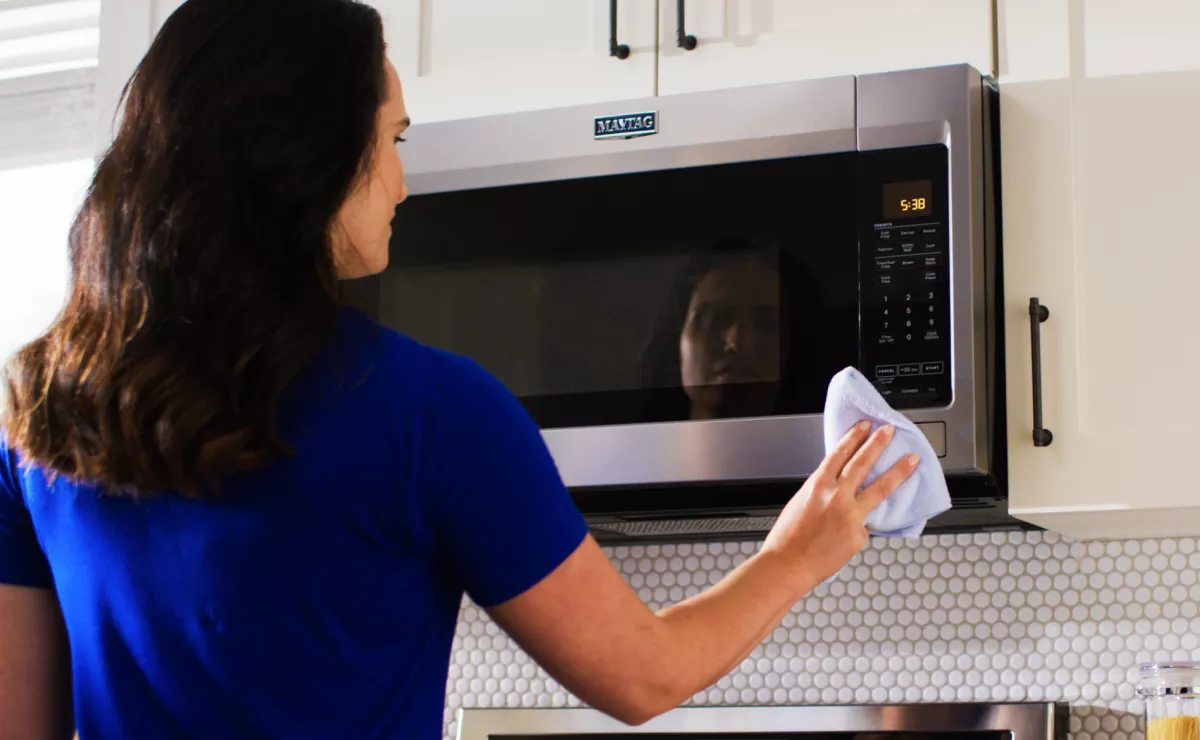
Use a damp cloth to wipe inside the vent area. Remove dust and grease carefully.
Do not let water drip inside the microwave. Use a dry cloth to remove any moisture after cleaning.
- Use a soft cloth to avoid scratching
- Be gentle around wires and parts
- Repeat if vents still look dirty
Reassembling The Vent Cover
Place the dry vent cover back in its position. Align it carefully with screw holes.
Screw the cover tightly but do not overtighten. Plug the microwave back in after finishing.
- Check that the cover fits well
- Keep screws safe during cleaning
- Test the microwave to ensure it works
Credit: www.maytag.ca
Choosing Cleaning Products
Cleaning microwave vents is important to keep your appliance working well. The right cleaning products make the job easier and safer.
Some products clean better without damaging the vents. You should pick the best ones for your microwave vents.
Avoid Harsh Chemicals
Harsh chemicals can damage microwave vents or leave harmful residues. Stay away from bleach or strong acids. They may cause corrosion or fading.
Use Mild Detergents
Mild detergents clean well and are safe for vents. Dish soap mixed with warm water works great. It removes grease without harm.
Consider Natural Cleaners
Natural cleaners are gentle and eco-friendly. Vinegar and baking soda can clear dirt and odors. They are safe for most surfaces.
- White vinegar diluted with water
- Baking soda paste for tough spots
- Lemon juice to freshen the vents
Check Product Labels
| Product Type | Safety Notes | Recommended Use |
| Dish Soap | Non-toxic, gentle | Daily cleaning |
| Vinegar Solution | Acidic, avoid on metal edges | Remove odors |
| Baking Soda | Non-toxic, mild abrasive | Scrubbing tough grime |
| Commercial Cleaners | Read label carefully | Only if specified safe for vents |
Test On Small Area First
Always test your cleaner on a small vent area. This check helps avoid damage or discoloration. Wait a few minutes before wiping.
Preventing Future Buildup
Cleaning microwave vents regularly helps keep your appliance working well. Stopping dirt and grease from building up saves time and effort later.
Simple habits can protect your microwave vents from getting clogged. Following a few easy tips can keep vents clear and safe.
Clean Spills Immediately
Wipe any food or liquid spills near the vents right away. Fresh spills are easier to clean and stop grease from hardening.
Use Microwave Covers
Place a microwave-safe cover over your food before heating. Covers catch splatters and stop them from reaching vents.
Schedule Regular Cleaning
- Turn off and unplug the microwave.
- Remove the vent cover carefully.
- Use a soft cloth with mild soap and water.
- Dry all parts completely before reassembling.
- Repeat every few weeks to prevent buildup.
Keep Kitchen Air Clean
Good kitchen ventilation reduces grease and dust near your microwave vents. Use exhaust fans or open windows while cooking.
Avoid Using Harsh Chemicals
Strong chemicals can damage your microwave vents. Instead, use gentle cleaners like soap and water or vinegar solutions.

Credit: www.aol.com
Frequency Of Cleaning
Cleaning microwave vents regularly keeps your appliance working well. It stops dust and grease from building up. This helps avoid bad smells and overheating.
How often you clean the vents depends on how much you use the microwave. Some homes need more frequent cleaning than others.
Daily Use
If you use your microwave every day, check the vents once a week. Grease and food particles can block airflow quickly. Wipe the vents with a damp cloth to prevent buildup.
Occasional Use
For weekly or less use, clean the vents once a month. Dust can gather even if you do not cook often. Use a soft brush or vacuum to remove dust safely.
Signs To Clean Immediately
- Microwave smells burnt or smoky
- Vents look clogged with dirt or grease
- Microwave gets hotter than usual
- Fan sounds louder or uneven
Cleaning Schedule Table
| Usage Frequency | Cleaning Interval |
| Daily Use | Every week |
| Weekly Use | Every month |
| Rare Use | Every 2-3 months |
Troubleshooting Common Issues
Microwave vents can get clogged or dirty over time. This can cause the microwave to work poorly or even overheat.
Cleaning the vents helps your microwave work better and last longer. Here are common problems and how to fix them.
Microwave Overheating
If your microwave feels hot outside or stops working suddenly, the vents might be blocked. Dirt and grease can stop air from flowing.
Clean the vents with a soft brush or vacuum to remove dust and grease. Make sure air can flow freely.
- Unplug the microwave before cleaning
- Use a brush or vacuum to clean vents
- Wipe with a damp cloth if needed
Strange Noises From The Vent Area
Noise near the vents can mean dirt is stuck in the fan or vents. Food crumbs or grease might cause the fan to spin unevenly.
Remove the vent cover and clean inside with a soft cloth. Clear any debris from the fan blades carefully.
- Turn off and unplug the microwave
- Remove vent cover gently
- Clean fan blades with a soft cloth
- Replace vent cover securely
Microwave Smells Bad Or Has A Burning Odor
A burning smell can mean grease buildup inside the vents. This can block airflow and cause overheating.
Clean the vent filters and wipe the vent area with a mild soap solution. Regular cleaning stops smells and damage.
- Remove and wash vent filters in warm, soapy water
- Dry filters completely before reinstalling
- Wipe vent area with mild soap and water
Vent Covers Are Loose Or Broken
Loose or damaged vent covers can cause poor ventilation and let dirt inside. Check the vent covers often.
If covers are loose, tighten screws or clips. Replace broken covers to keep vents clean and working well.
- Inspect vent covers regularly
- Tighten any loose screws or clips
- Buy replacement covers if broken
Credit: thetakeout.com
Frequently Asked Questions
How Often Should Microwave Vents Be Cleaned?
Microwave vents should be cleaned every 1 to 3 months. Frequent cleaning prevents grease buildup and maintains proper airflow. Regular maintenance improves microwave efficiency and prevents odors or fire hazards. Adjust frequency based on cooking habits and kitchen environment.
What Materials Are Best For Cleaning Microwave Vents?
Use a soft cloth, mild dish soap, and warm water for cleaning. Avoid abrasive cleaners or scrubbers that can damage the vent. A small brush or vacuum with a brush attachment helps remove dust and debris effectively.
Can I Clean Microwave Vents Without Removing Them?
Yes, you can clean microwave vents without removal by wiping with a damp cloth. Use a soft brush or vacuum to clean vent slits gently. However, occasional deep cleaning after removal ensures thorough dirt and grease removal.
Why Is It Important To Clean Microwave Vents Regularly?
Regular cleaning prevents grease buildup, which can cause odors and reduce efficiency. It also reduces fire risks by removing flammable residues. Clean vents ensure proper airflow, improving microwave performance and extending its lifespan.
Conclusion
Cleaning microwave vents keeps your appliance working well and safe. Regular cleaning stops dirt and grease from building up. It helps the microwave cool down faster and last longer. Use simple tools and mild cleaners for best results. Doing this task often saves money on repairs.
A clean vent means better air flow and less smell. Keep your kitchen fresh and your microwave in top shape. Try these steps and see the difference yourself. A small effort brings big benefits.