
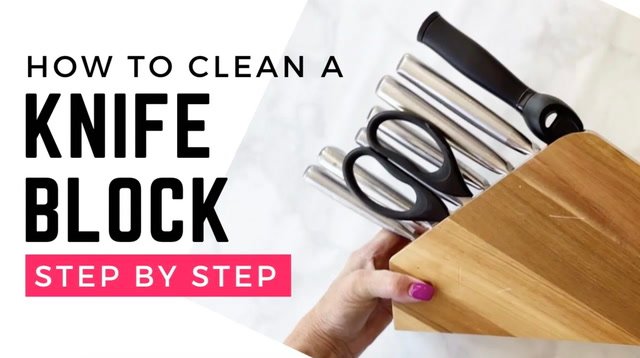
Your knife storage block is more than just a kitchen accessory—it’s where your sharpest tools rest and stay ready for action. But have you ever stopped to think about how clean it really is?
Over time, crumbs, dust, and even bacteria can build up inside those slots, putting your knives and your health at risk. If you want to keep your knives safe, sharp, and hygienic, learning how to clean your knife storage block properly is a must.
Keep reading, and you’ll discover simple, effective steps to refresh your block and protect your kitchen tools every day.
Materials Needed
Cleaning a knife storage block keeps your knives safe and hygienic. You need the right materials to do the job well.
This guide lists the materials you need to clean your knife block effectively and safely.
Cleaning Solutions
Choose gentle cleaning solutions that remove dirt without damaging the wood or plastic.
- Mild dish soap
- White vinegar
- Warm water
Cleaning Tools
Use tools that reach inside the slots and clean every corner of the block.
- Soft cloth or sponge
- Small brush or old toothbrush
- Wooden skewer or cotton swabs
Drying Equipment
Drying your knife block properly helps prevent mold and warping. You will need:
| Item | Purpose |
| Clean towel | Absorbs moisture from the block surface |
| Air-drying rack | Allows air to circulate inside the slots |
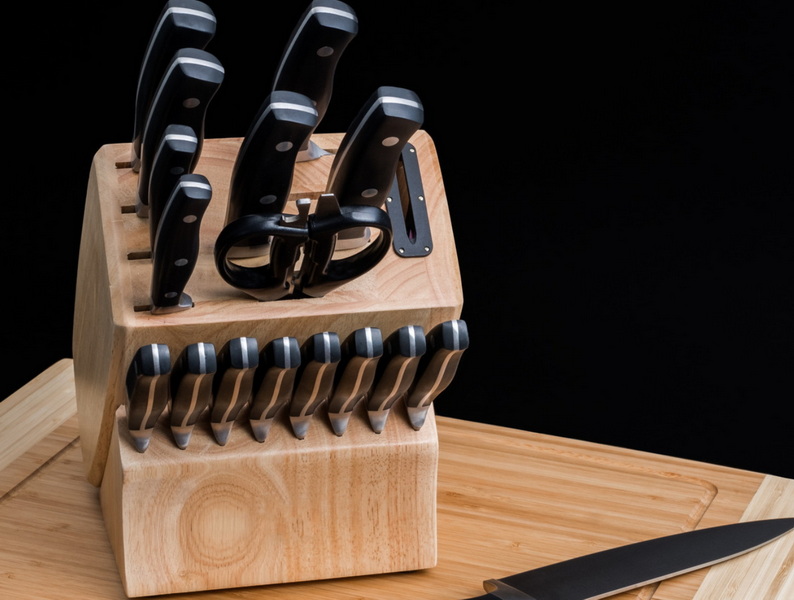
Credit: www.saafiknife.com
Safety Precautions
Cleaning a knife storage block needs care. You must avoid accidents and injuries.
Follow safety steps to protect your fingers and knives during cleaning.
Remove Knives Carefully
Take out all knives before cleaning the block. Hold each knife by the handle only.
Use Protective Gloves
Wear cut-resistant gloves. They protect your hands from sharp edges while cleaning.
Clean In A Safe Area
Pick a well-lit and clear space for cleaning. Avoid distractions or crowded places.
Avoid Water Damage And Slips
- Unplug or remove the block if electric.
- Use a damp cloth, not too wet.
- Wipe spills immediately to prevent slips.
- Dry the block thoroughly after cleaning.
Store Knives Safely After Cleaning
| Action | Reason |
|---|---|
| Place knives with blades down | Prevents dulling and cuts |
| Keep knives separate | Avoids blade contact |
| Check block slots for debris | Keeps knives secure and clean |
Removing Knives Safely
Taking knives out of a storage block needs care. This helps avoid cuts and damage to the knives.
Learn the right way to remove knives safely from your knife block. Follow simple tips for safety and care.
Hold The Block Steady
Keep the knife block on a flat surface. Use one hand to hold it firmly. This stops the block from moving while you remove a knife.
Grip The Knife Handle Firmly
Always hold the knife by its handle. Avoid touching the blade to stop cuts. A good grip gives you control when pulling the knife out.
Pull The Knife Straight Out
Remove the knife by pulling it straight out of the block. Do not twist or angle the knife. This helps protect both your hand and the knife edge.
Check For Other Knives In The Way
Look inside the block before removing a knife. Make sure other knives are not close to the blade you want to take out. This reduces the risk of cutting yourself.
- Place the block on a stable surface.
- Hold the handle, not the blade.
- Pull the knife straight out, no twisting.
- Look for nearby knives before removing.
- Remove one knife at a time carefully.
Clearing Loose Debris
Knife storage blocks can collect crumbs, dust, and food bits over time. Clearing loose debris keeps your knives safe and clean.
Regular cleaning prevents bacteria buildup and helps your block last longer. Let’s look at easy ways to clear loose debris.
Remove All Knives First
Take out every knife before cleaning. This makes it easy to reach all debris inside the block.
Place knives on a safe surface to avoid accidents while you clean.
Turn The Block Upside Down
Hold the block firmly and turn it upside down. Shake it gently to let crumbs fall out.
- Do this over a trash can or sink
- Repeat shaking a few times
- Use a brush if needed to loosen stuck debris
Use A Small Brush To Clean Slots
Use a small brush like a bottle brush or old toothbrush. Run it inside each slot to remove hidden dirt.
Brush gently to avoid damaging the block or blades.
Vacuum Loose Debris
Use a handheld vacuum with a nozzle attachment. Run it over the slots to suck up loose crumbs.
This method works well for deep blocks with narrow slots.
Deep Cleaning Process
Cleaning your knife storage block keeps it safe and hygienic. Deep cleaning removes dirt and bacteria inside the slots.
Follow these steps to clean your block properly and keep your knives fresh and ready.
Using Soapy Water
Start by filling a basin with warm water and mild dish soap. Use a soft brush or cloth to reach inside the slots carefully.
- Dip the brush in soapy water
- Gently scrub inside each knife slot
- Clean all outer surfaces of the block
- Repeat if any dirt remains
Rinsing And Drying
After scrubbing, rinse the block well to remove soap and loosened grime. Drying prevents mold and wood damage.
| Rinse Method | Drying Tips |
| Use clean water to rinse inside and outside | Air dry block upright in a warm place |
| Shake out excess water from slots | Use a clean towel to wipe outer surfaces |
| Do not soak wooden blocks for long | Ensure slots are fully dry before use |

Credit: www.amazon.ca
Cleaning Hard-to-reach Areas
Knife storage blocks have many small slots that can collect dust and crumbs. Cleaning these tight spaces keeps your knives safe and your block fresh.
Reaching deep inside the slots can be tough. Using the right tools and techniques helps clean these areas well.
Utilizing A Brush
A small brush can reach inside the knife slots easily. Choose a brush with stiff bristles and a narrow head.
Brush gently to remove dust and dirt without damaging the wood or plastic. Clean each slot one by one for the best results.
- Use a toothbrush or bottle brush for tight spaces
- Dip the brush in warm soapy water for better cleaning
- Dry the block after brushing to avoid moisture damage
Tackling Stubborn Stains
Some stains inside the slots may not come off with brushing alone. Use a cloth with mild cleaner for tough spots.
A paste of baking soda and water can also help remove stubborn stains. Apply it inside the slots and let it sit before wiping.
- Mix baking soda with water to form a paste
- Apply the paste inside stained slots
- Let it sit for 5-10 minutes
- Use a cloth or brush to scrub gently
- Wipe clean with a damp cloth and dry fully
Disinfecting The Block
Keeping your knife storage block clean helps stop germs from growing. Disinfecting the block keeps your knives safe and your kitchen healthy.
Proper cleaning removes dirt, but disinfecting kills bacteria and viruses. This guide shows how to do it right.
Choosing A Safe Disinfectant
Pick a disinfectant that is safe for wood or plastic, depending on your block’s material. Avoid harsh chemicals that can damage the block or leave harmful residues.
- Use diluted bleach solutions (one tablespoon bleach per quart of water) for plastic blocks.
- Choose food-safe disinfectant sprays for wooden blocks.
- Avoid ammonia or abrasive cleaners that can ruin the surface.
- Test the disinfectant on a small hidden area first.
- Make sure the disinfectant dries fully before using the block again.
Applying Disinfectant Properly
Follow these steps to apply disinfectant correctly and keep your knife block safe to use.
- Remove all knives from the block.
- Wipe off loose dirt and crumbs with a dry cloth.
- Apply the disinfectant evenly, using a spray bottle or cloth.
- Let the disinfectant sit for the recommended time (usually 5–10 minutes).
- Rinse with clean water if the product requires it.
- Dry the block completely before placing knives back inside.
| Disinfectant | Material | Notes |
| Diluted bleach | Plastic | Effective but rinse well |
| Food-safe spray | Wood | Non-toxic and gentle |
| White vinegar | Wood and plastic | Natural option, less strong |
| Isopropyl alcohol | Plastic | Dries fast, flammable |
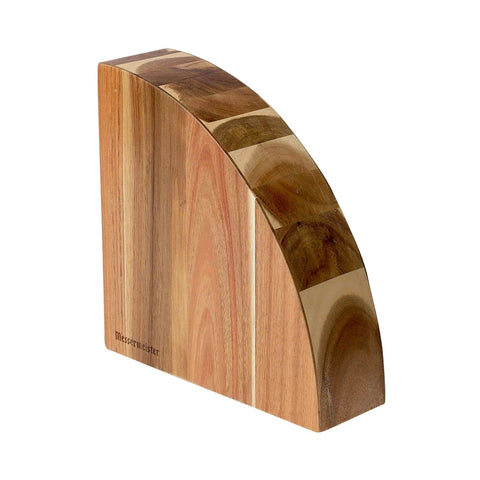
Credit: www.souschef.co.uk
Drying And Reassembling
Cleaning your knife storage block is important to keep it safe and neat. After washing, drying and putting it back together correctly is key.
This guide will help you dry your knife block and reassemble it step-by-step to avoid damage.
Drying The Knife Storage Block
After cleaning, dry your knife block well to prevent mold and wood damage. Start by wiping the outside with a soft towel.
Next, let the block air dry in a warm, dry place. Avoid direct sunlight or heat sources that may crack the wood.
- Use a clean towel to remove surface moisture
- Place the block upside down to drain water
- Allow it to dry fully before reassembly
- Do not use a hairdryer or heater
Reassembling The Knife Storage Block
Once the block is dry, put it back together carefully. Make sure all parts fit as they did before cleaning.
Check for any loose parts and tighten them if needed. Insert the knife slots or trays firmly but gently.
- Align all pieces before securing
- Tighten screws or fasteners as needed
- Ensure knife slots are properly placed
- Test stability before use
Maintaining A Clean Block
Keeping your knife storage block clean helps protect your knives and your kitchen. Dirt and moisture can cause damage to both the block and the blades.
Regular care makes sure your block stays safe to use and looks good for a long time.
Regular Cleaning Routine
Clean your knife block often to stop germs and dust from building up. Remove all knives before cleaning.
Use a soft cloth or brush with warm soapy water to clean inside and outside the block. Avoid soaking it in water.
- Remove knives carefully
- Use mild dish soap and warm water
- Clean slots with a small brush or pipe cleaner
- Dry the block fully before putting knives back
- Clean at least once a month or more often if needed
Storing Knives Correctly
Put knives in the block with the blade down. This protects the sharp edge and keeps you safe.
Make sure each knife fits well in its slot. Loose knives can cause damage or accidents.
- Insert blades down to protect edges
- Use the right slot for each knife size
- Keep knives dry before storing
- Do not overcrowd slots to avoid damage
Frequently Asked Questions
How Often Should I Clean My Knife Storage Block?
Clean your knife block every one to two months. Regular cleaning prevents bacteria buildup and keeps knives safe and hygienic. If you use it daily, clean more frequently to maintain optimal cleanliness and knife condition.
What Is The Best Way To Clean Knife Block Slots?
Use a thin brush or pipe cleaner dipped in warm soapy water. Gently scrub inside each slot to remove dust and debris. Allow the block to air dry completely before reinserting knives to prevent mold growth.
Can I Use Bleach To Sanitize My Knife Storage Block?
Yes, dilute bleach solution can sanitize the block. Mix one tablespoon of bleach with one quart of water. Wipe the block carefully and rinse thoroughly. Avoid soaking wood blocks as bleach can damage them.
How Do I Dry A Wooden Knife Storage Block Properly?
After cleaning, place the block upside down on a towel. Let it air dry completely in a well-ventilated area. Avoid direct sunlight or heat to prevent warping or cracking of the wood.
Conclusion
Keeping your knife storage block clean protects your knives and kitchen. Regular cleaning stops germs and dust from building up inside. Use warm water and mild soap to wash each slot carefully. Dry the block fully before putting knives back in.
This simple care helps your knives last longer and stay sharper. Clean blocks also look nicer on your countertop. Take a few minutes often to keep your kitchen safe and neat. Small steps make a big difference in kitchen hygiene and knife safety.