
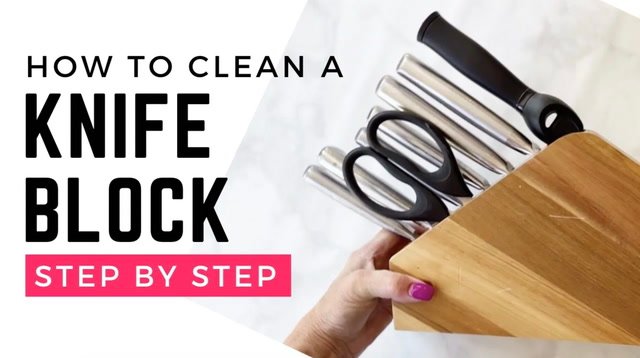
Your knife block is more than just a kitchen accessory—it keeps your knives organized and within reach. But have you ever stopped to think about how clean it really is?
Over time, crumbs, dust, and even bacteria can build up inside, putting your knives and your health at risk. If you want to keep your kitchen safe and your knives in top shape, learning how to clean your knife block properly is a must.
Stick with me, and I’ll show you simple, effective steps to make your knife block spotless again.

Credit: www.radacutlery.com
Preparation And Safety
Cleaning a knife block keeps your kitchen safe and your knives sharp. Proper preparation helps you clean effectively.
Safety is important to avoid accidents while handling sharp knives and cleaning tools.
Gather Cleaning Supplies
Collect all needed supplies before you start cleaning your knife block. This saves time and prevents mistakes.
- Mild dish soap
- Warm water
- Soft cloth or sponge
- Small brush or cotton swabs
- Dry towel
- Optional: White vinegar for extra cleaning
Ensure Knife Safety
Keep knives safe before and during cleaning. Unsafe handling can cause serious injuries.
| Safety Tip | Description |
| Remove Knives Carefully | Take out knives one at a time by their handles. |
| Keep Blades Away | Point blades away from your body and others. |
| Use Gloves | Wear cut-resistant gloves if possible. |
| Clean Knives Separately | Wash knives by hand, not in the block. |
| Dry Knives Fully | Dry blades completely before placing them back. |
Credit: www.saafiknife.com
Emptying The Knife Block
Cleaning a knife block starts with emptying it completely. Taking out all the knives helps you clean safely and thoroughly.
Emptying the block also lets you check each knife for damage before putting it back.
Remove All Knives
Carefully pull each knife from the block. Hold the blade away from you for safety.
Place the knives on a flat surface. This keeps them safe and ready for cleaning.
- Work slowly to avoid cuts
- Keep blades pointed away
- Lay knives flat, not stacked
Check For Damage
Look over each knife for signs of wear or damage. Check the blade, handle, and tip carefully.
Damaged knives can be unsafe. Repair or replace any knives with chips or loose handles.
- Inspect blades for chips or rust
- Check handles for cracks or looseness
- Test blade sharpness carefully
Cleaning The Knife Block
Keeping your knife block clean helps protect your knives and keeps your kitchen safe. Dirt and food particles can build up inside the slots. Regular cleaning removes germs and extends the life of the block.
Use simple tools and mild cleaners to avoid damage. Follow easy steps to remove dust and do a deep clean when needed.
Dust And Debris Removal
Remove loose dust and crumbs from the knife block every week. This keeps the block fresh and stops dirt from building up inside the slots.
- Turn the block upside down and shake it gently to drop out debris.
- Use a soft brush or a clean cloth to wipe the outside and inside slots.
- Blow air into the slots with a small air blower or canned air to clear hard-to-reach areas.
- Wipe the block with a dry cloth to remove any leftover dust.
Deep Cleaning Techniques
Deep cleaning removes stains and kills bacteria inside the knife block. Do this every few months or if you notice strong smells.
| Cleaning Step | Description | Tips |
| Prepare Solution | Mix warm water with mild dish soap. | Use a small bowl or bucket. |
| Clean Slots | Dip cotton swabs or small brushes in the solution. Scrub inside each slot carefully. | Do not soak the block to avoid wood damage. |
| Rinse | Wipe the block with a damp cloth to remove soap. | Use as little water as possible. |
| Dry | Let the block air dry completely before use. | Place it upside down on a towel for faster drying. |
Sanitizing For Hygiene
Keeping your knife block clean is important for health. Germs and bacteria can grow inside it.
Sanitizing your knife block helps prevent food contamination. It keeps your kitchen safer.
Using Natural Solutions
Natural cleaners are safe and easy to use for knife blocks. They kill many germs without harsh chemicals.
Vinegar and baking soda are common natural options. They break down dirt and kill bacteria well.
- Mix equal parts water and white vinegar.
- Spray inside the knife block and wipe with a cloth.
- Use baking soda paste for tough stains or odors.
- Rinse with water and dry completely before use.
Chemical Sanitizers
Chemical sanitizers kill a wide range of germs fast. They are strong but must be used carefully.
Use food-safe sanitizers made for kitchen tools. Follow the instructions to avoid damage.
- Apply sanitizer spray or wipe inside the knife block.
- Let it sit for the recommended time.
- Rinse if needed and dry well before storing knives.
- Wear gloves if the sanitizer is harsh on skin.
Drying And Reassembling
Cleaning your knife block is important for hygiene and safety. Drying it properly prevents mold and damage. Reassembling the knives correctly keeps them sharp and easy to access.
This guide covers how to dry your knife block and safely put knives back into it.
Proper Drying Techniques
After washing, drying your knife block fully is key. A wet block can cause mold or wood damage. Use these tips for safe drying.
- Turn the block upside down to drain water.
- Wipe the outside with a dry cloth.
- Place the block in a well-ventilated area.
- Allow it to air dry for 24 hours.
- Avoid direct sunlight to prevent cracks.
Reinserting Knives Safely
Put knives back in the block carefully. This protects the blades and prevents accidents.
| Tip | Reason |
|---|---|
| Insert knives blade-first | Protects the edge from dulling |
| Match each knife to its slot size | Prevents wiggling and damage |
| Keep sharp knives separate | Avoids dulling and injury |
| Store knives handle-up | Makes removal safer and easier |
Maintenance Tips
Keeping your knife block clean helps it last longer and stay safe. Dirt and moisture can cause damage or bacteria buildup.
Regular care will keep your knives sharp and your kitchen healthy. Follow simple steps to clean and protect your knife block.
Regular Cleaning Schedule
Clean your knife block at least once a month to prevent dirt and dust buildup. Use a soft brush or cloth to remove crumbs inside the slots.
Remove all knives before cleaning. Use warm, soapy water on the outside of the block. Avoid soaking the block in water to protect the wood or material.
- Take out all knives
- Use a soft brush for slots
- Wipe outside with a damp cloth
- Dry completely before placing knives back
Preventing Future Build-up
Keep your knife block dry to stop mold and bacteria. Avoid putting wet knives back into the block. Moisture causes damage and smells.
Store the knife block in a clean, dry place away from the sink or dishwasher. Clean knives before placing them in the block to reduce grime inside the slots.
- Dry knives fully before storing
- Store block away from water sources
- Clean knives before inserting
- Check block regularly for dirt
Credit: www.victorinox.com
Frequently Asked Questions
How Often Should I Clean My Knife Block?
Clean your knife block every 1 to 2 months to prevent bacteria buildup. Regular cleaning ensures hygiene and maintains knife safety.
What Is The Best Way To Clean Inside A Knife Block?
Use a bottle brush or pipe cleaner with warm, soapy water. Dry thoroughly to avoid moisture and mold growth inside the slots.
Can I Use Bleach To Clean My Knife Block?
Yes, use a diluted bleach solution (1 tablespoon bleach per gallon water). Wipe inside and outside, then rinse and dry well to disinfect safely.
How Do I Remove Odors From My Knife Block?
Use a mixture of baking soda and water to scrub inside. Let it sit for 15 minutes, then rinse and dry to eliminate odors.
Conclusion
Cleaning your knife block keeps knives safe and sharp. Regular care stops bacteria and odors. Use a soft brush and mild soap for best results. Dry it well to avoid mold and damage. Clean your block every few weeks to maintain hygiene.
A clean knife block helps your kitchen stay fresh and tidy. Simple steps bring big benefits. Keep your kitchen tools ready for every meal.