
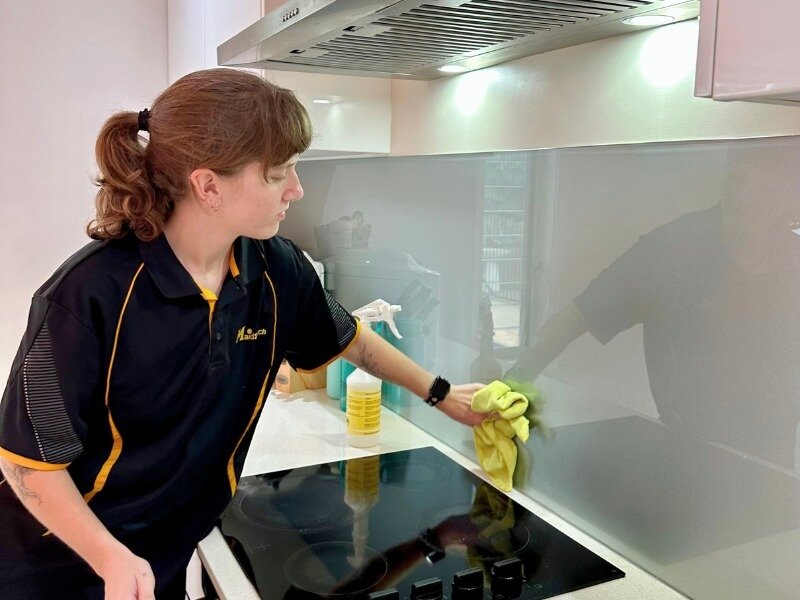
Your kitchen walls face a lot every day—splashing sauces, grease, and stubborn stains. If you’ve ever wondered how to clean kitchen walls without damaging the paint or wallpaper, you’re in the right place.
Imagine walking into a fresh, spotless kitchen where your walls look brand new. This isn’t just about cleanliness; it’s about creating a space that feels welcoming and inspiring. Keep reading, and you’ll discover simple, effective tips that make cleaning your kitchen walls easy and even satisfying.
Your walls deserve a fresh start, and you’re just a few steps away from making that happen.
Preparing For Cleaning
Cleaning kitchen walls needs some planning. You must prepare to get the best results.
Start by gathering the right tools and knowing your wall type. This helps avoid damage.
Gather Essential Supplies
Gather these supplies before you start cleaning your kitchen walls. It makes the process smooth and safe.
- Soft sponges or cloths
- Bucket with warm water
- Mild dish soap or wall cleaner
- Protective gloves
- Step ladder for high spots
- Dry towels for drying
- Plastic sheets to cover furniture
Identify Wall Materials
Knowing your wall material guides your cleaning method. Different walls need different care.
| Wall Material | Cleaning Tips |
| Painted Drywall | Use mild soap and soft cloth. Avoid harsh scrubbing. |
| Tiled Walls | Use a sponge with soapy water. Rinse well to avoid residue. |
| Wood Paneling | Use a damp cloth, dry quickly to prevent warping. |
| Wallpaper | Test cleaner on a small spot. Use gentle wipes only. |

Credit: www.reddit.com
Choosing The Right Cleaning Solution
Cleaning kitchen walls needs the right solution for good results. The wrong cleaner can damage paint or wallpaper.
Choose a cleaner that removes grease and dirt without harming the surface. Some cleaners are natural, others are commercial.
Natural Cleaners
Natural cleaners use simple ingredients from your home. They are safe and eco-friendly for kitchen walls.
Common natural cleaners include vinegar, baking soda, and lemon juice. They work well on grease and stains.
- Mix vinegar with water for a gentle spray cleaner
- Make a paste of baking soda and water for scrubbing
- Use lemon juice to cut grease and brighten walls
Commercial Products
Commercial cleaning products target tough kitchen stains. They often contain stronger chemicals than natural cleaners.
Look for products labeled safe for painted walls or wallpaper. Test on a small area before full use.
- Degreasers remove thick grease and oil
- All-purpose cleaners handle dirt and grime
- Disinfectant sprays kill germs on kitchen walls
Techniques For Stain Removal
Kitchen walls often get stained with grease and water spots. Cleaning these stains keeps your kitchen fresh. Use simple methods and common supplies to remove them.
Different stains need different cleaning ways. This guide helps you handle grease stains and water spots safely and well.
Handling Grease Stains
Grease stains come from cooking oils and food splashes. They can build up and make walls sticky or dark.
- Mix warm water with a few drops of dish soap.
- Dip a soft cloth in the solution and wring it out.
- Gently wipe the grease spots without rubbing hard.
- Rinse the cloth and wipe the area again to remove soap.
- Dry the wall with a clean towel to avoid marks.
Dealing With Water Spots
Water spots appear from splashes or steam on kitchen walls. They leave white or cloudy marks that can be cleaned easily.
| Cleaning Method | How to Use | Notes |
| Vinegar Solution | Mix equal parts vinegar and water. Apply with soft cloth. | Good for mineral spots. Test on small area first. |
| Baking Soda Paste | Mix baking soda and water to make paste. Apply gently. | Use for stubborn spots. Do not scrub hard. |
| Commercial Cleaner | Use cleaner safe for painted walls. Follow instructions. | Choose mild products to avoid damage. |
Cleaning Painted Walls
Keeping kitchen walls clean helps your home look fresh. Painted walls need gentle care to avoid damage.
Use the right tools and cleaning methods to protect the paint. This guide shows easy ways to clean without harm.
Protecting The Paint Finish
Start by dusting the walls with a soft cloth or brush. This removes loose dirt and prevents scratches.
Avoid strong cleaners that can strip paint. Use mild soap mixed with water instead. Test cleaning solutions on a small spot first.
- Use soft sponges or microfiber cloths
- Work gently in circular motions
- Do not scrub hard or use abrasive pads
- Rinse with clean water to remove soap
- Dry walls with a clean towel
Spot Cleaning Techniques
For small stains, clean only the affected area. This keeps the rest of the paint safe.
Use a damp cloth with mild detergent for spots. Dab gently and avoid rubbing.
- Remove grease spots with a mix of water and dish soap
- For crayon marks, use baking soda paste on a cloth
- Use a magic eraser carefully on stubborn stains
- Always test cleaning products on a hidden spot first
Tackling Tile Walls
Tile walls in the kitchen can get dirty from grease, food splashes, and steam. Cleaning them keeps your kitchen fresh and healthy.
Using the right tools and cleaners helps remove grime without damaging tiles. Focus on both tiles and the grout between them.
Grout Cleaning Tips
Grout often traps dirt and stains. Clean grout regularly to keep tile walls looking new and bright.
Use a small brush and a gentle cleaner to scrub grout lines. Avoid harsh chemicals that can erode grout.
- Make a paste with baking soda and water
- Apply paste to grout lines
- Scrub gently with an old toothbrush
- Rinse with warm water
- Dry the grout with a clean cloth
Maintaining Shine
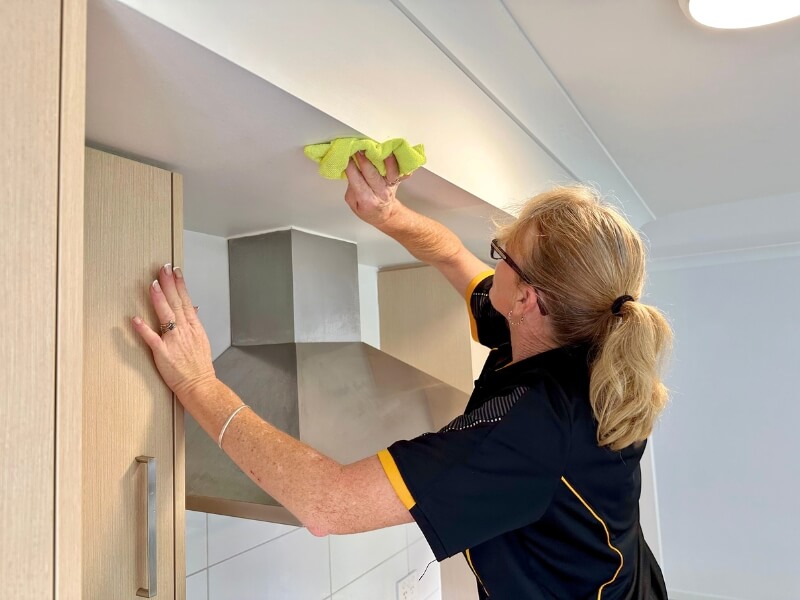
Keep your tile walls shiny by wiping them often. Remove grease and dust to avoid dullness.
Use mild dish soap mixed with warm water for regular cleaning. Dry tiles after washing to prevent water marks.
- Mix a few drops of dish soap with warm water
- Use a soft cloth or sponge to clean tiles
- Rinse with clean water to remove soap
- Dry tiles with a microfiber cloth
- Avoid abrasive cleaners that scratch tiles
Credit: www.maid2match.com.au
Addressing Wallpapered Walls
Cleaning kitchen walls with wallpaper needs care. Wallpaper can get dirty but may tear or stain easily.
Use gentle cleaning to keep wallpaper looking nice. Avoid harsh scrubbing or strong chemicals that can damage it.
Gentle Cleaning Methods
Start cleaning wallpaper by dusting it with a soft cloth or vacuum brush. This removes loose dirt safely.
Use a sponge or soft cloth dampened with warm water and mild soap. Gently wipe small areas and dry with a towel.
- Test cleaning on a small hidden spot first
- Use mild dish soap mixed with water
- Do not soak the wallpaper
- Wipe gently in a circular motion
- Dry immediately with a soft towel
Avoiding Damage
Do not use abrasive cleaners or scrub brushes on wallpaper. They can scratch or peel the surface.
Avoid too much water because it can soak under the wallpaper and cause it to bubble or fall off.
- Do not use bleach or strong chemicals
- Avoid scrubbing hard or using rough cloths
- Keep wallpaper dry while cleaning
- Fix any peeling edges before cleaning
Regular Maintenance Tips
Keeping your kitchen walls clean helps maintain a fresh and healthy space. Regular cleaning stops dirt and grease from building up.
Using simple habits can make cleaning easier and keep your kitchen looking nice every day.
Weekly Cleaning Routine
Clean your kitchen walls at least once a week to remove grease and dust. Use a soft cloth and mild soap with water.
Focus on areas near the stove and sink where stains appear often. Wipe gently to avoid damaging paint or wallpaper.
- Use warm water and mild dish soap
- Wipe walls with a soft sponge or cloth
- Dry walls with a clean towel
- Clean spills immediately to avoid stains
Preventing Future Stains
Take steps to stop stains before they start. Protect your walls near cooking and washing areas.
Use splash guards or washable paint to reduce damage. Regularly check for dirt and clean it quickly.
- Install splash guards by the stove and sink
- Use washable or semi-gloss paint for easy cleaning
- Wipe walls after cooking or spills
- Avoid harsh chemicals that can harm wall surfaces
Credit: www.servpro.com
Frequently Asked Questions
How Do I Remove Grease From Kitchen Walls?
Use a mixture of warm water and dish soap. Apply with a sponge and gently scrub the walls. Rinse with clean water and dry with a cloth. Avoid harsh chemicals to protect paint or wallpaper.
What Is The Best Cleaner For Kitchen Walls?
A mild detergent or vinegar solution works well. Mix equal parts of water and white vinegar for natural cleaning. Avoid abrasive cleaners to prevent damage. Test on a small area first to ensure it won’t harm the surface.
How Often Should Kitchen Walls Be Cleaned?
Clean kitchen walls at least once a month. Increase frequency if you cook frequently or notice grease buildup. Regular cleaning prevents stains and keeps your kitchen fresh and hygienic.
Can I Use Bleach To Clean Kitchen Walls?
Bleach can disinfect but may damage paint or wallpaper. Use diluted bleach solution only for mold or mildew spots. Always ventilate the area and wear gloves when using bleach. Test on a small patch first.
Conclusion
Cleaning kitchen walls keeps your space fresh and healthy. Simple steps and common tools make the job easy. Regular cleaning stops dirt and grease from building up. Use gentle cleaners to protect your wall paint or wallpaper. A clean kitchen looks neat and invites good vibes.
Take small breaks to avoid feeling tired. Your kitchen will feel brighter and more welcoming. Try these tips to enjoy a cleaner kitchen every day.