
Are your kitchen tiles looking dull or stained no matter how hard you try to clean them? You’re not alone.
Dirty tiles can make your entire kitchen feel less inviting, and using the wrong cleaning methods might even damage them. But don’t worry—cleaning your kitchen tiles properly is easier than you think. You’ll discover simple, effective steps that will bring back the shine and freshness your kitchen deserves.
Keep reading, and soon you’ll enjoy a spotless, welcoming space every time you walk in.
Choosing The Right Cleaning Supplies
Cleaning kitchen tiles needs the right supplies for good results. Picking the best products keeps tiles safe and shiny.
This guide covers what cleaning agents and tools to use for tile care.
Selecting Effective Cleaning Agents
Choose cleaners that remove grease and dirt but do not harm tile surfaces. Mild detergents and natural cleaners often work well.
- pH-neutral tile cleaners prevent damage
- Vinegar mixed with water can remove stains
- Avoid bleach on colored grout to keep color
- Use baking soda paste for tough spots
Essential Tools For Tile Cleaning
Good tools make cleaning easier and more effective. Use soft brushes and cloths to protect tiles.
| Tool | Purpose |
| Soft-bristled brush | Scrubbing grout without scratching |
| Microfiber cloth | Wiping tiles and drying surfaces |
| Mop with wringer | Cleaning large floor areas |
| Spray bottle | Applying cleaners evenly |

Credit: uk.style.yahoo.com
Preparing The Kitchen Area
Cleaning kitchen tiles works best when the area is ready. A clean space makes the job easier and faster.
Start by clearing the kitchen area. This helps you reach all tile surfaces without obstacles.
Clearing The Kitchen Space
Remove items from countertops and floors near the tiles. This includes small appliances, dishes, and any clutter.
- Take away kitchen tools and utensils
- Clear dining tables and chairs if close to tile walls
- Move rugs or mats to a different room
- Place food containers and trash bins outside the kitchen
Protecting Countertops And Appliances
Keep countertops and appliances safe from cleaning liquids and sprays. Covering them prevents damage and keeps your kitchen tidy.
- Use plastic wrap or cloth to cover small appliances
- Place towels along edges of countertops
- Seal gaps between counters and walls with tape
- Unplug electronics to avoid accidents
Removing Surface Debris
Cleaning kitchen tiles starts with removing loose dirt and debris. This step helps prepare the surface for deeper cleaning.
Keeping tiles free from dust and crumbs prevents stains and keeps your kitchen looking fresh.
Sweeping Loose Dirt
Sweeping removes loose dirt and small particles from the tile surface. Use a soft broom to avoid scratching the tiles.
- Choose a broom with soft bristles.
- Sweep gently across the tiles in one direction.
- Collect dirt in a dustpan and discard it.
- Repeat if you see remaining dirt.
Wiping Away Dust And Crumbs
After sweeping, wipe the tiles with a damp cloth or microfiber towel. This removes fine dust and crumbs left behind.
| Tool | Use |
| Damp Cloth | Wipe dust and small crumbs |
| Microfiber Towel | Pick up fine particles |
| Cleaning Solution (optional) | Remove sticky residue |
Deep Cleaning The Tiles
Cleaning kitchen tiles deeply helps keep them bright and fresh. Dirt and grease can stick to tiles and grout over time.
Using the right methods removes grime and restores your kitchen’s clean look.
Applying Cleaning Solution
Choose a cleaning solution suitable for your tile type. Many store-bought cleaners work well, or you can make a natural mix using vinegar and water.
- Mix equal parts of white vinegar and warm water in a spray bottle.
- Spray the solution evenly on the tile surface.
- Let it sit for 5 to 10 minutes to break down grease and dirt.
- Avoid applying too much liquid to prevent damage to grout.
- For stubborn stains, use a stronger cleaner designed for tiles.
Scrubbing Techniques For Grout
Grout can collect dirt and mold, needing special care. Use a brush and cleaning paste to scrub grout lines thoroughly.
| Tool | Use | Tip |
|---|---|---|
| Old toothbrush | Scrubbing small grout lines | Use firm, circular motions |
| Grout brush | Deep cleaning wide grout areas | Apply pressure evenly |
| Baking soda paste | Cleaning and whitening grout | Mix baking soda with water until thick |
Rinse the tiles and grout after scrubbing. Dry with a clean cloth to prevent water spots and mold growth.
Rinsing And Drying
Cleaning kitchen tiles well needs more than scrubbing. Rinsing and drying are key steps. They help remove leftover dirt and prevent water marks.
This guide explains how to rinse off residue and dry tiles properly. Follow these tips for a spotless kitchen surface.
Rinsing Off Residue
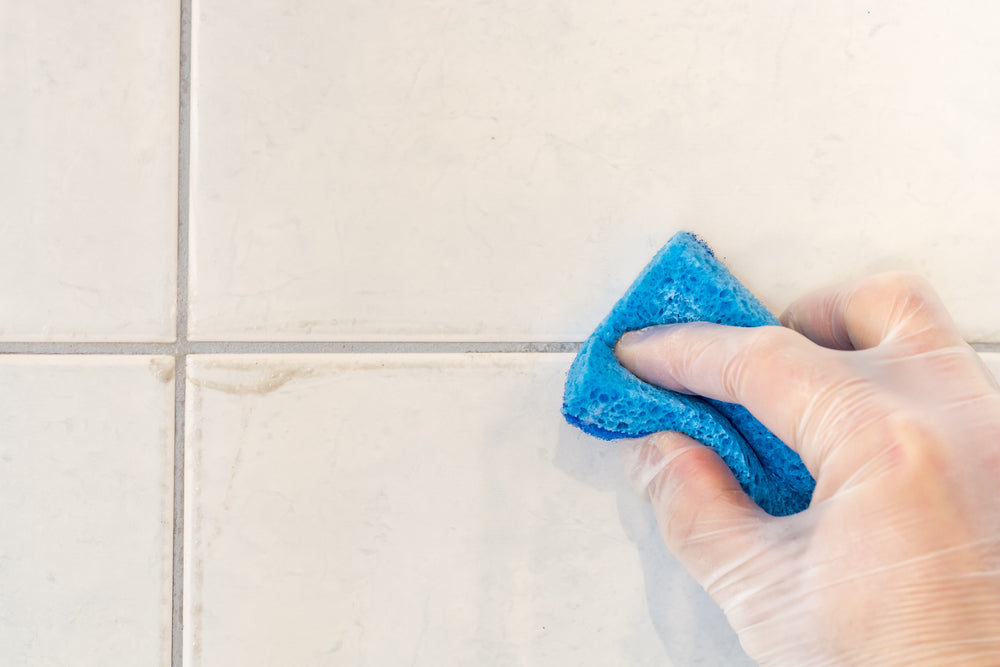
After scrubbing, rinse tiles to clear soap and dirt. Use clean water and a soft cloth or sponge. This stops sticky residue from building up.
- Fill a bucket with warm water.
- Dip a sponge or cloth in the water.
- Wipe the tiles gently but thoroughly.
- Change water if it gets dirty.
- Repeat rinsing until no soap remains.
Ensuring Thorough Drying
Drying tiles well prevents water spots and mold growth. Use a dry towel or microfiber cloth. Make sure to reach corners and grout lines.
| Drying Method | Benefits |
| Towel Drying | Quick, absorbs water well, easy to use |
| Air Drying | No effort, but takes longer and may leave spots |
| Microfiber Cloth | Removes moisture and lint, gentle on tiles |
Credit: www.mineraltiles.com
Dealing With Stubborn Stains
Kitchen tiles often get tough stains from food, grease, and spills. These stains can be hard to remove with regular cleaning.
Using the right methods helps keep your tiles clean and bright. Let’s explore how to treat stubborn stains properly.
Targeted Stain Treatments
Different stains need different cleaning solutions. Choose the right treatment to remove the stain without damaging the tile.
For grease stains, use a mixture of warm water and dish soap. Apply it with a soft cloth and scrub gently.
- For coffee or tea stains, try baking soda paste on the area. Let it sit, then wipe clean.
- Rust stains need a cleaner made for tile surfaces. Follow the product instructions carefully.
- Mold or mildew can be removed with a vinegar solution. Spray and let it sit before scrubbing.
Preventing Future Stains
Prevent stains by cleaning spills quickly. Do not let dirt or liquids sit on the tile for long.
Use sealants on grout lines to protect from moisture and stains. Reapply sealant every year for best results.
- Wipe kitchen tiles daily with a damp cloth
- Use mats or rugs near cooking areas
- Avoid harsh chemicals that can damage tiles
- Keep the kitchen well ventilated to reduce mold growth
Maintaining Sparkling Tiles
Kitchen tiles can lose their shine if not cleaned well. Keeping them clean makes your kitchen look fresh and bright.
Simple cleaning habits help keep your tiles shiny for a long time. Let’s learn how to clean kitchen tiles properly.
Regular Cleaning Schedule
Cleaning tiles often stops dirt from building up. A good schedule keeps tiles looking their best every day.
Wipe tiles with a soft cloth or mop at least twice a week. Use warm water and mild soap to remove stains.
- Clean spills immediately to avoid stains
- Mop the floor tiles twice weekly
- Wipe wall tiles with a damp cloth regularly
- Use a soft brush for grout areas
Tips For Long-lasting Shine
Use gentle cleaners to protect the tile surface. Avoid harsh chemicals that can dull the shine.
Dry tiles after cleaning to prevent water spots. Regular sealing of grout helps keep tiles fresh and bright.
- Choose pH-neutral cleaners for tile surfaces
- Dry tiles with a soft towel after washing
- Seal grout every six months to prevent stains
- Avoid abrasive scrubbers that scratch tiles

Credit: www.americantinceilings.com
Frequently Asked Questions
How Often Should I Clean Kitchen Tiles?
Clean kitchen tiles weekly to prevent dirt buildup and stains. Regular cleaning maintains tile shine and hygiene.
What Is The Best Cleaner For Kitchen Tiles?
Use a mild detergent or vinegar solution for safe, effective cleaning. Avoid harsh chemicals to protect tile surfaces.
How Do I Remove Tough Stains On Kitchen Tiles?
Apply a baking soda paste on stains and scrub gently. Rinse with warm water and dry with a cloth.
Can I Use Bleach To Clean Kitchen Tiles?
Bleach can damage some tiles and grout. Use it sparingly and always dilute with water.
Conclusion
Cleaning kitchen tiles does not have to be hard or take long. Use simple tools and mild cleaners for the best results. Regular cleaning keeps tiles shiny and free from dirt. Don’t forget to scrub the grout carefully to avoid stains.
Dry the tiles well to stop mold and mildew. Small efforts often bring big changes. Keep your kitchen fresh and inviting every day. Clean tiles make cooking more enjoyable and your home look neat. Try these easy steps and see the difference yourself.