
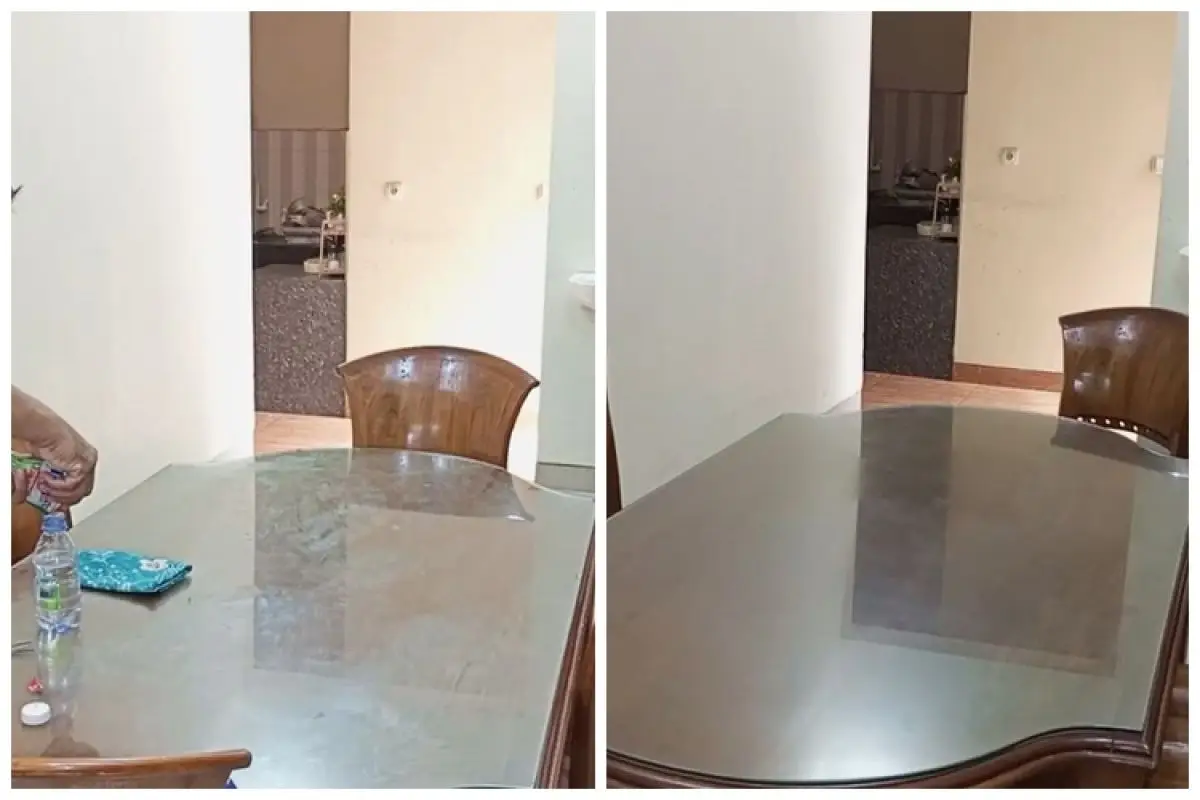
Your kitchen table is more than just a place to eat—it’s where you gather, work, and create memories. But with all that use, it can quickly get messy and sticky.
If you want to keep your table looking fresh and inviting, knowing how to clean it properly is key. In this guide, you’ll discover simple, effective steps to make your kitchen table spotless without wasting time or effort. Ready to bring back that clean, welcoming feel?
Let’s get started.
Credit: crystelmontenegrohome.com
Preparation Essentials
Cleaning your kitchen table starts with good preparation. It helps make the process faster and easier.
Getting ready well means gathering supplies and clearing the table first. These steps set you up for success.
Gather Cleaning Supplies
Collect all the cleaning tools before you start. This saves time and keeps you organized.
- Soft cloth or sponge
- Mild dish soap
- Warm water
- Disinfectant spray or wipes
- Dry towel or paper towels
Choose gentle cleaners to protect your table’s surface. Avoid harsh chemicals that may cause damage.
Clear The Table Surface
Remove all items like plates, cups, and decorations from the table. A clear surface is easier to clean.
Throw away any crumbs or trash. Wipe off loose dirt before using cleaning solutions.
- Take off dishes and utensils
- Move any papers or objects
- Brush crumbs into trash
- Check corners and edges
Dust And Debris Removal
Cleaning your kitchen table regularly keeps it fresh and safe. Dust and crumbs can build up quickly. Removing them stops stains and damage.
Use simple tools like a soft cloth or vacuum to clear dirt. These methods work well for daily cleaning.
Use A Soft Cloth
A soft cloth is gentle on the table surface. It removes dust without scratching. Microfiber cloths work best for this task.
- Choose a clean, dry microfiber cloth
- Wipe the table in straight lines
- Flip the cloth to a clean side when dirty
- For sticky spots, dampen the cloth slightly
- Dry the surface with a dry cloth after wiping
Vacuum Crumbs
Vacuuming helps remove crumbs from hard-to-reach spots. Use a vacuum with a brush attachment for best results.
| Vacuum Setting | Purpose |
| Low suction | Protects delicate surfaces |
| Brush attachment | Loosens crumbs without damage |
| Narrow nozzle | Reaches corners and edges |
Tackling Stains And Spills
Kitchen tables face many spills and stains every day. Cleaning them quickly keeps the surface neat and safe.
Knowing the type of stain helps you choose the right cleaning method. This stops damage and makes cleaning easier.
Identify Stain Type
Different stains need different care. Here are common stain types you may find on a kitchen table:
- Water rings from cups or glasses
- Food stains like sauce or grease
- Ink or marker marks
- Sticky spills like syrup or juice
- Dirt or dust buildup
Apply Appropriate Cleaner
| Stain Type | Cleaner to Use | Cleaning Tip |
|---|---|---|
| Water rings | Vinegar and olive oil mixture | Rub gently with a soft cloth |
| Food stains | Warm soapy water | Use a sponge to blot, not rub |
| Ink marks | Rubbing alcohol | Apply with cotton ball carefully |
| Sticky spills | Warm water and dish soap | Soak briefly then wipe clean |
| Dirt and dust | Dry microfiber cloth | Wipe regularly to avoid buildup |

Credit: www.angi.com
Cleaning Methods By Material
Cleaning your kitchen table properly keeps it looking nice and lasts longer. Different table materials need different care methods. This guide helps you clean wood, glass, and marble tables safely.
Follow these tips to avoid damage and maintain your table’s beauty. Use the right cleaners and tools for each surface type.
Wood Table Care
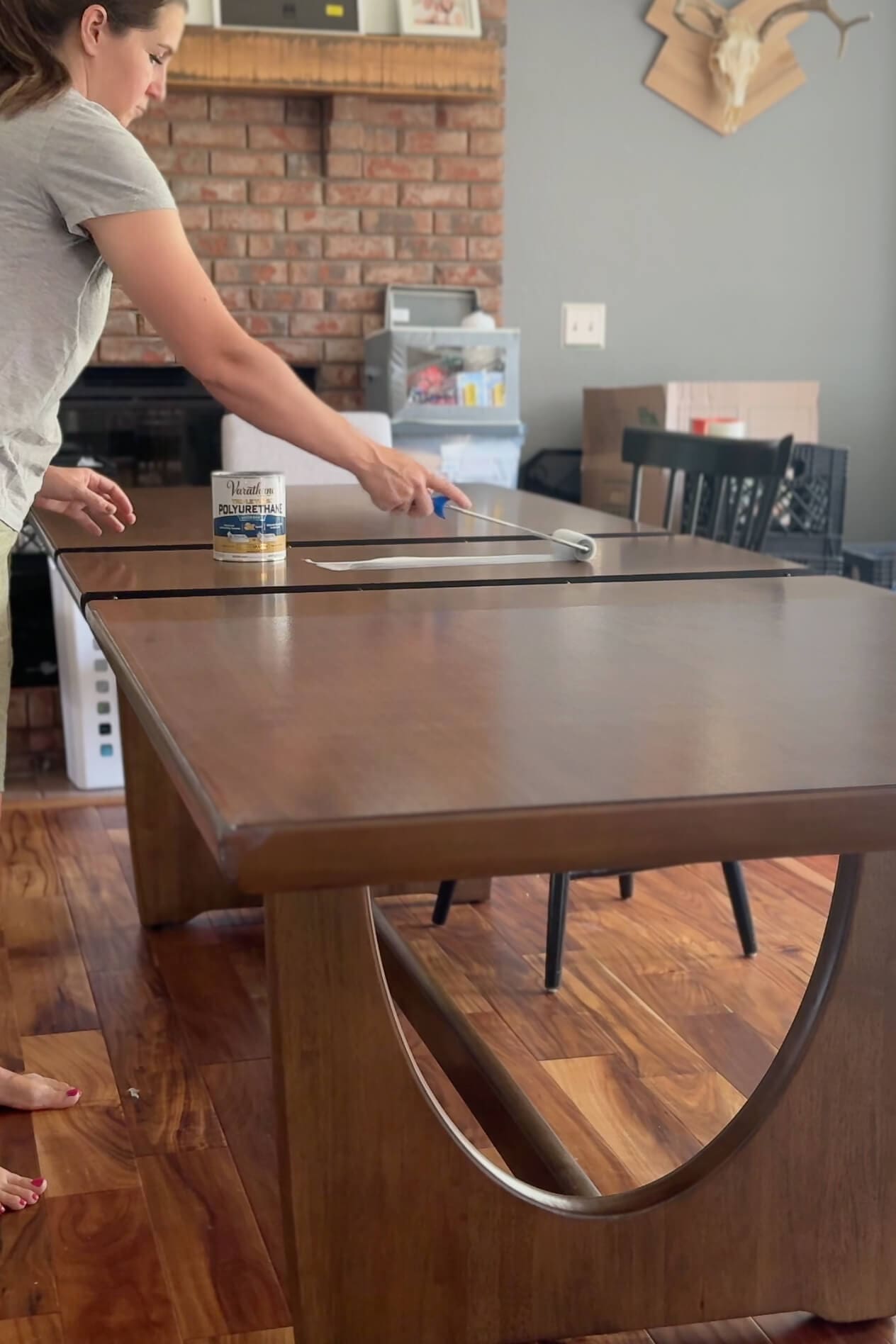
Wood tables are sensitive to water and harsh chemicals. Use gentle cleaners and soft cloths to clean them. Avoid soaking the wood to prevent warping or stains.
- Dust the table regularly with a dry, soft cloth.
- Mix mild dish soap with warm water for cleaning.
- Wipe the surface with a damp cloth, then dry it immediately.
- Use wood polish or oil once a month to protect the finish.
- Do not use abrasive sponges or bleach-based cleaners.
Glass Surface Tips
Glass tables are easy to clean but show smudges and streaks quickly. Use cleaners made for glass and soft cloths for best results.
| Cleaning Tool | Purpose |
|---|---|
| Microfiber cloth | Removes dust and prevents streaks |
| Glass cleaner or vinegar solution | Dissolves grease and fingerprints |
| Paper towel or newspaper | Polishes glass to a shine |
Marble Table Cleaning
Marble is porous and can stain easily. Clean spills quickly and avoid acidic cleaners that can damage the surface.
Follow these tips for marble care:
- Use a soft cloth and warm water for daily cleaning.
- Apply a pH-neutral cleaner designed for stone surfaces.
- Wipe spills immediately, especially juice or wine.
- Use coasters and placemats to protect the surface.
- Seal marble every 6 to 12 months to prevent stains.
Natural Cleaning Solutions
Cleaning your kitchen table with natural products keeps your home safe and fresh. These solutions are easy to find and gentle on surfaces.
Using natural ingredients helps avoid harsh chemicals that can irritate skin or damage the table finish.
Vinegar And Baking Soda
Vinegar and baking soda work well together to clean and remove stains from your kitchen table. Vinegar is a natural disinfectant, while baking soda acts as a gentle scrub.
Mix baking soda with water to form a paste. Apply it to stains, then spray vinegar over it. Let it bubble and sit for a few minutes before wiping clean.
- Mix 2 tablespoons of baking soda with water to make a paste
- Spread paste on stained areas of the table
- Spray vinegar over the paste
- Wait 5 minutes for bubbling action
- Wipe clean with a damp cloth
Lemon Juice And Salt
Lemon juice and salt make a fresh, natural cleaner for your kitchen table. Lemon juice cuts grease and adds shine. Salt works as a mild scrub to remove dirt.
Sprinkle salt on the table and rub it with a lemon half. Let it sit for a few minutes, then wipe with a clean cloth to brighten the surface.
- Sprinkle salt over dirty areas on the table
- Use half a lemon to scrub the salt into the surface
- Let the mixture sit for 3-5 minutes
- Wipe clean with a damp cloth
- Dry the table with a soft towel

Credit: www.reddit.com
Polishing For Extra Shine
Cleaning your kitchen table is not complete without polishing. Polishing adds a bright shine. It also protects the surface from stains and scratches.
Choose the right polish and use proper buffing methods. This keeps your table looking new and fresh for a long time.
Choosing The Right Polish
Pick a polish made for your table’s material. Wood, glass, and metal need different types of polish. Using the wrong polish can damage your table.
Look for polishes that are safe and easy to use. Avoid products with harsh chemicals that can harm the surface or your health.
- Wood tables: Use wax or oil-based polish
- Glass tables: Use glass cleaner or liquid polish
- Metal tables: Use metal polish or mild cleaner
Buffing Techniques
Buffing spreads the polish evenly and brings out the shine. Use a soft cloth or microfiber towel. Avoid rough materials that can scratch the surface.
Move the cloth in small circles or follow the grain of the wood. Apply light pressure to avoid damage. Buff until the surface looks smooth and shiny.
- Apply polish with a clean, soft cloth
- Buff in circular motions or with the grain
- Use gentle pressure to avoid scratches
- Buff until the table shines evenly
Maintaining Cleanliness
Keeping your kitchen table clean helps prevent germs and keeps your home fresh. A clean table also makes meal times more enjoyable.
Regular cleaning is simple and does not take much time. Small daily efforts and weekly deep cleans keep your table spotless.
Daily Wiping Routine
Wipe your kitchen table every day to remove crumbs and spills. Use a damp cloth with mild soap or a gentle cleaner.
Dry the surface with a clean cloth to avoid water marks. This routine stops dirt from building up over time.
- Clear all items from the table
- Use a damp cloth with mild soap
- Wipe the entire surface thoroughly
- Dry the table with a clean towel
- Put items back only when dry
Weekly Deep Clean
Once a week, clean your kitchen table more deeply to remove stains and bacteria. Choose a cleaner safe for your table’s material.
Pay attention to edges and legs where dirt collects. Use a soft brush or cloth to reach tight spots.
- Remove all items and clear crumbs
- Apply cleaner suitable for your table
- Let it sit for a few minutes
- Scrub gently with a soft brush or cloth
- Rinse or wipe with a damp cloth
- Dry thoroughly with a clean towel
Preventive Measures
Keeping your kitchen table clean starts with simple habits. These small actions help stop stains and damage.
Using protective items and changing covers often keeps your table looking new longer.
Use Of Placemats And Coasters
Placemats and coasters protect your kitchen table from heat, spills, and scratches. They act as a barrier between dishes and the table surface.
- Place mats under plates to catch food crumbs and spills.
- Use coasters for drinks to prevent water rings and stains.
- Choose easy-to-clean materials like silicone or plastic.
- Replace damaged or stained mats and coasters regularly.
Regular Tablecloth Changes
Tablecloths add style and protect your table from dust and spills. Changing them often keeps your kitchen clean and fresh.
| Frequency | Reason |
| Weekly | Remove food stains and crumbs |
| After spills | Prevent permanent marks |
| Monthly deep clean | Keep fabric fresh and hygienic |
Frequently Asked Questions
How Often Should I Clean My Kitchen Table?
Clean your kitchen table daily to remove crumbs and spills. Weekly deep cleaning keeps it hygienic and extends its life.
What Is The Best Cleaner For Kitchen Tables?
Use mild soap and warm water for most surfaces. For wood, try a vinegar-water mix or a specialized wood cleaner.
Can I Use Bleach To Clean My Kitchen Table?
Avoid bleach on wood or sensitive surfaces; it can cause damage. Use it only on non-porous, durable materials and rinse well.
How Do I Remove Sticky Residue From My Kitchen Table?
Apply warm soapy water and gently scrub with a soft cloth. For stubborn residue, use a baking soda paste or vinegar solution.
Conclusion
Cleaning your kitchen table keeps it fresh and safe for meals. Use gentle cleaners to avoid damage. Wipe spills quickly to prevent stains. Regular cleaning stops germs from spreading. A clean table makes your kitchen look neat. Take a few minutes each day to care for it.
Small efforts lead to a big difference. Enjoy a tidy space where family and friends gather. Keep these easy steps in mind for best results. Your kitchen table will stay clean and inviting.