
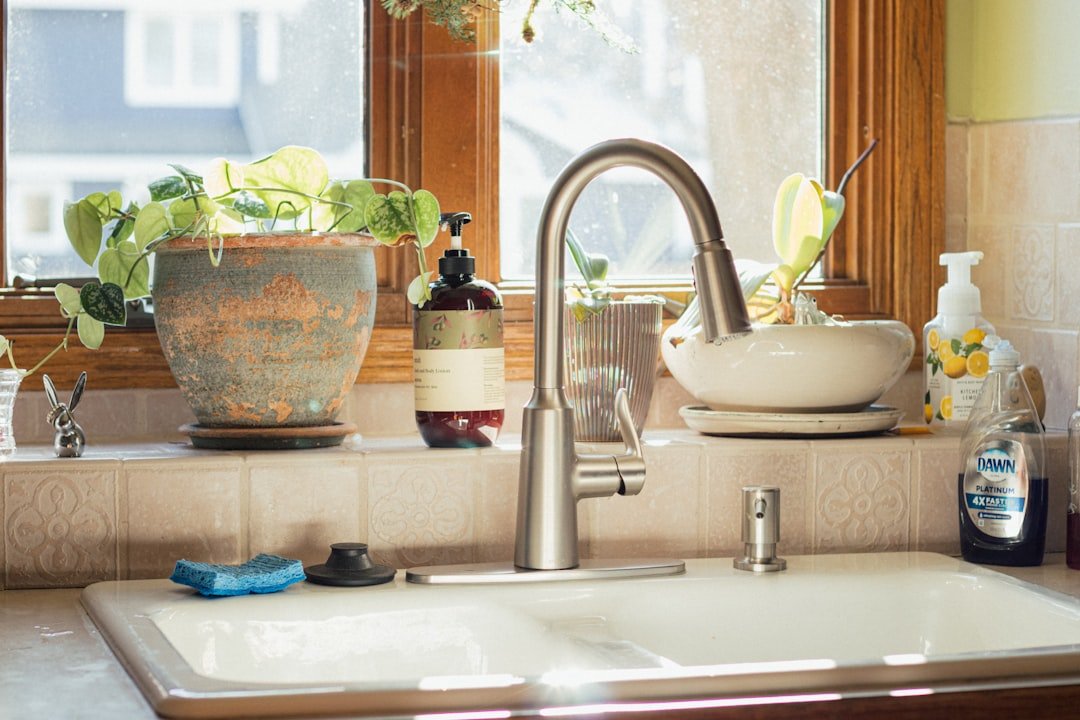
Your kitchen sink and drains are more than just places to wash dishes—they can quickly become breeding grounds for bacteria, unpleasant odors, and stubborn clogs if not cleaned properly. You might think a quick rinse is enough, but without the right cleaning routine, grime and buildup silently take over.
Imagine opening your sink to a fresh, sparkling space that smells clean and works smoothly every time. You’ll discover simple, effective ways to clean your kitchen sinks and drains, saving you time, money, and hassle. Keep reading to learn how to make your kitchen one of the cleanest and healthiest spots in your home.

Credit: www.aol.com
Choosing The Right Cleaning Tools
Keeping your kitchen sink and drains clean is important. The right tools make cleaning easier and more effective.
Choose tools that fit your sink type and cleaning needs. This ensures a thorough and safe clean.
Essential Supplies For Sink Cleaning
To clean your sink well, gather some basic supplies. These help remove dirt, stains, and germs.
- Sponge or scrub brush: For scrubbing away food particles.
- Dish soap: Breaks down grease and grime.
- Baking soda: Acts as a gentle abrasive cleaner.
- Vinegar: Disinfects and removes odors.
- Microfiber cloth: Polishes and dries the sink.
Tools For Drain Maintenance
Drains can get clogged with food and debris. Use the right tools to keep them clear and flowing.
- Plunger: Clears simple clogs quickly.
- Drain snake: Reaches deep to remove blockages.
- Wire hanger: Unbends to fish out debris.
- Drain cleaner: Dissolves tough build-ups.
- Rubber gloves: Protects hands while cleaning.
:max_bytes(150000):strip_icc()/SPR-how-pro-cleaners-clean-a-sink-11781060-6d7babfdf0074ca79564864a6c7325dd.jpg)
Credit: www.thespruce.com
Daily Cleaning Tips
Keeping your kitchen sink and drains clean every day helps stop bad smells and clogs. Simple daily care keeps your sink shiny and safe.
Small daily actions make cleaning easier and prevent big problems. Use gentle tools and easy steps to keep your sink fresh.
Wiping Down The Sink
Wipe your sink every day after use to remove food bits and water spots. Use a soft cloth or sponge with mild soap and warm water.
Dry the sink with a clean towel to stop water stains. This keeps your sink looking clean and new for longer.
- Rinse the sink with warm water
- Use mild dish soap and a soft sponge
- Wipe all surfaces including faucet handles
- Dry with a soft cloth to avoid spots
Preventing Stains And Build-up
Prevent stains by cleaning spills right away. Avoid leaving food or dirty dishes in the sink for a long time.
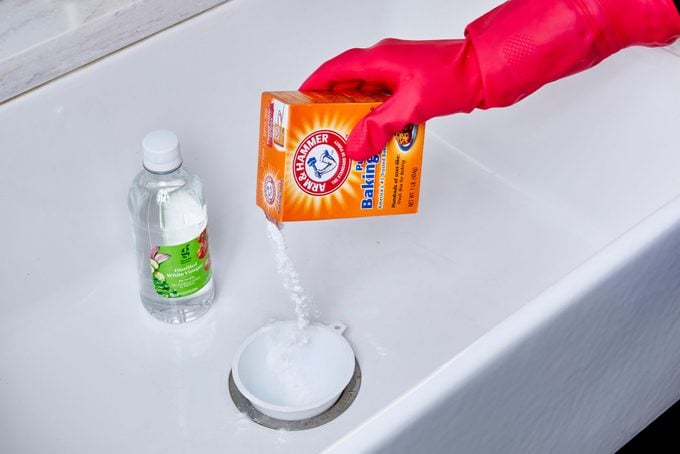
Use baking soda and vinegar once a week to keep drains clear and fresh. This natural mix helps stop build-up and bad smells.
- Clean spills quickly to avoid stains
- Rinse the sink after washing dishes
- Use baking soda and vinegar weekly
- Run hot water down drains to clear residue
Deep Cleaning Techniques
Cleaning kitchen sinks and drains deeply keeps them fresh and working well. Dirt, food, and grease build up over time. Regular cleaning prevents bad smells and clogs.
Using the right techniques removes tough stains and cleans hard-to-reach areas. Deep cleaning also protects your plumbing and keeps your kitchen hygienic.
Removing Tough Stains
Tough stains in sinks come from rust, hard water, or food. These stains need stronger cleaning to disappear. Scrubbing with the right tools helps remove them.
Use a paste made from baking soda and water. Apply it on the stains and let it sit for 15 minutes. Then scrub with a soft brush or sponge and rinse well.
- Make a baking soda paste
- Apply to stains and wait 15 minutes
- Scrub gently with a brush or sponge
- Rinse with warm water
Cleaning With Natural Ingredients
Natural ingredients clean sinks and drains without harsh chemicals. Vinegar and baking soda work well to remove grease and odors. They are safe for your pipes and the environment.
Pour baking soda down the drain, then add vinegar. Let the mixture bubble and work for 10 minutes. Flush with hot water to clear clogs and freshen the drain.
- Sprinkle baking soda in sink and drain
- Pour vinegar over the baking soda
- Wait 10 minutes for bubbling action
- Flush with hot water to clean
Clearing And Freshening Drains
Kitchen sinks and drains can get clogged with food bits and grease. These blockages cause slow draining and bad smells.
Cleaning drains regularly keeps your kitchen fresh and working well. There are simple ways to clear and freshen your drains safely.
Diy Drain Cleaning Methods
You can clean your drains with things you already have at home. These methods use natural ingredients and simple tools.
Start by removing any visible debris from the drain. Then try one of these cleaning ideas.
- Pour half a cup of baking soda down the drain.
- Follow with half a cup of white vinegar.
- Let it sit for 15 minutes to break down grime.
- Flush the drain with hot water to clear loosened debris.
- Use a plunger to push out stubborn clogs gently.
- Try a drain snake to pull out stuck food pieces.
Using Commercial Drain Cleaners Safely
Commercial drain cleaners can clear tough clogs fast. These products contain strong chemicals, so use them with care.
Read and follow all instructions on the label. Avoid mixing different cleaners, as this can cause dangerous reactions.
- Wear gloves and eye protection when handling chemicals.
- Ensure good ventilation in the kitchen during use.
- Pour the cleaner slowly down the drain to avoid splashes.
- Wait the recommended time before flushing with water.
- Store cleaners out of reach of children and pets.
Maintaining Shine And Hygiene
Keeping your kitchen sink and drains clean is important for a fresh kitchen. It also helps stop bad smells and germs.
Regular cleaning keeps your sink shiny and healthy. You need simple steps to maintain both shine and hygiene every day.
Regular Polishing Tips
Polishing your sink often keeps it bright and new-looking. Use mild cleaners that do not harm the surface.
After cleaning, dry the sink with a soft cloth. This stops water spots and keeps the shine longer.
- Use baking soda paste for gentle scrubbing
- Polish with olive oil or a soft cloth
- Avoid harsh chemicals that scratch surfaces
- Wipe the sink dry after every use
- Clean faucets and handles regularly
Keeping Germs At Bay
Sinks and drains can hold many germs. Clean them often to stop bacteria and mold from growing.
Use safe disinfectants to kill germs without damaging your sink. Clean the drain stoppers and pipes too.
- Pour boiling water down the drain to clear buildup
- Use vinegar and baking soda to deodorize drains
- Disinfect with diluted bleach or antibacterial spray
- Scrub drain covers and sink edges carefully
- Keep kitchen towels and sponges clean and dry
Avoiding Common Mistakes
Cleaning kitchen sinks and drains is important for a fresh, working kitchen. Many people make mistakes that can damage their sinks or cause clogs.
Knowing what to avoid helps keep your sink clean and your drains flowing well. This guide shows common errors to skip.
What Not To Use On Your Sink
Some cleaners and tools can harm your sink’s surface. Avoid harsh chemicals and rough materials to keep the sink safe.
Strong acids or bleach can wear down the finish. Steel wool or rough scrubbers can scratch the sink.
- Do not use bleach or strong acids
- Avoid steel wool or metal scrubbers
- Skip abrasive powders or cleaners
- Do not pour grease or oil down the sink
- Avoid using sharp objects to clean the drain
Preventing Drain Clogs
Drain clogs happen when food, grease, or other debris blocks the pipes. Preventing clogs saves time and plumbing costs.
Use simple habits to keep drains clear. These small steps make a big difference.
- Do not pour grease or fat down the drain
- Use a drain strainer to catch food bits
- Flush drains with hot water regularly
- Dispose of coffee grounds and eggshells in trash
- Clean the drain stopper often to remove buildup
Credit: www.rd.com
Frequently Asked Questions
How Often Should I Clean Kitchen Sinks And Drains?
Clean your kitchen sink and drains at least once a week. Regular cleaning prevents buildup, odors, and clogs. It maintains hygiene and ensures smooth water flow. Consistent care extends the lifespan of your sink and plumbing system.
What Natural Products Clean Kitchen Sinks Effectively?
Baking soda and vinegar are natural, effective cleaners. Sprinkle baking soda in the sink, then pour vinegar to fizz away grime. Lemon juice removes stains and odors. These products are safe, eco-friendly, and affordable for regular sink cleaning.
How Do I Remove Bad Odors From Kitchen Drains?
Pour a mixture of baking soda and vinegar down the drain. Let it sit for 15 minutes, then flush with hot water. This combination breaks down odor-causing residues and leaves a fresh scent in your kitchen drain.
Can I Use Bleach To Clean Kitchen Sinks Safely?
Yes, but use bleach sparingly and dilute it with water. Avoid mixing bleach with other cleaners to prevent harmful fumes. Rinse the sink thoroughly after cleaning to remove any bleach residue and protect your plumbing.
Conclusion
Keeping your kitchen sink and drains clean helps avoid bad smells and clogs. Use natural cleaners like baking soda and vinegar for safety. Regular cleaning stops grease and food bits from building up. Clear drains let water flow fast and keep your kitchen fresh.
Small steps each week make a big difference over time. Your kitchen stays healthy and more pleasant to use. Simple habits protect your sink and save repair costs. Clean sinks mean happier cooking and easier cleanup every day.