
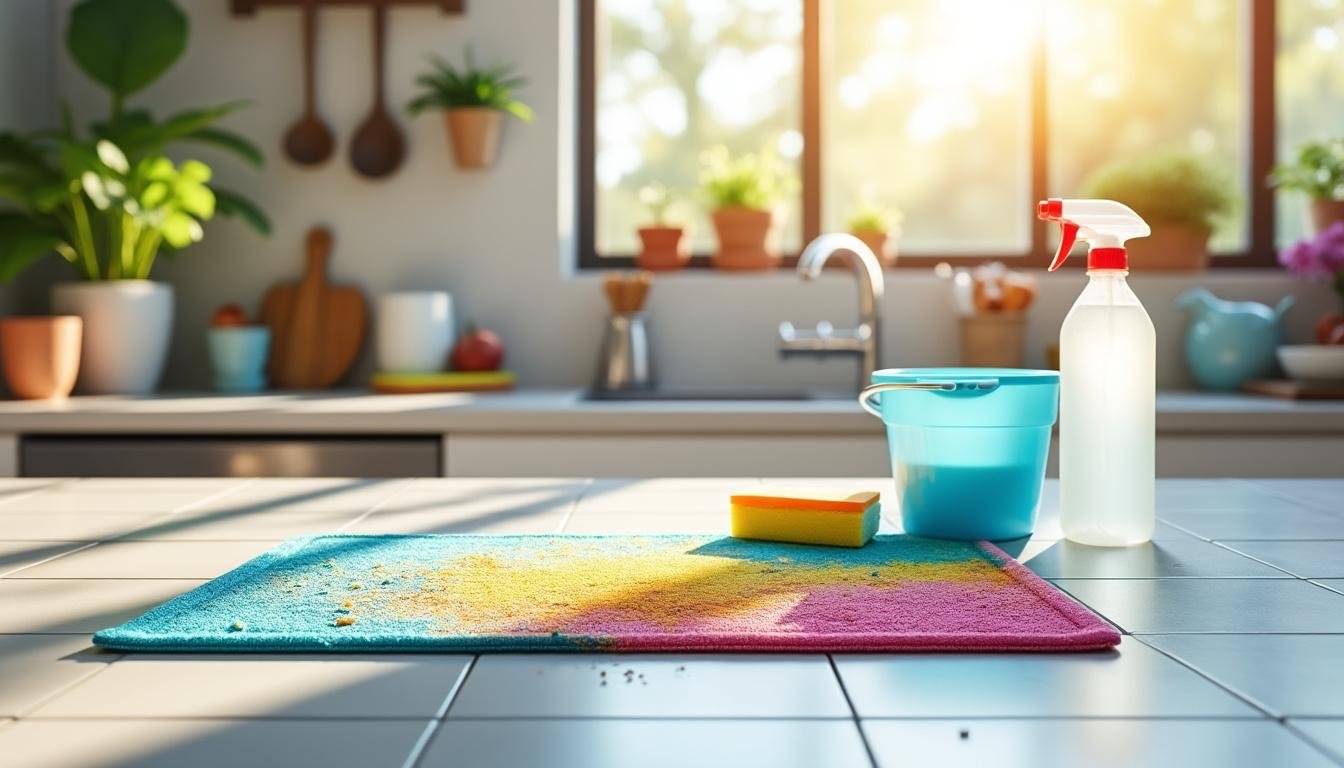
Your kitchen mat works hard every day, catching spills, crumbs, and dirt while you cook. But when was the last time you gave it a deep clean?
If your mat looks dull or feels sticky, it’s time to refresh it thoroughly. Cleaning your kitchen mat properly not only keeps your space looking fresh but also helps prevent germs and bad odors. You’ll discover simple, effective steps to get your kitchen mat spotless and fresh again—so you can enjoy a cleaner, healthier kitchen without any hassle.
Keep reading to learn how easy it is to make your kitchen mat look and feel like new!
Credit: sokafa.com
Importance Of Cleaning Kitchen Mats
Kitchen mats collect dirt, grease, and food particles every day. Cleaning them keeps your kitchen safe and healthy.
Regular cleaning stops bad smells and prevents bacteria from growing on mats.
Prevents Slips And Falls
Dirty kitchen mats become slippery from grease and food spills. This can cause accidents in the kitchen.
Cleaning mats removes these slippery layers and keeps the floor safe to walk on.
Reduces Bacteria And Germs
Kitchen mats can hold bacteria from food and water. These germs may spread to your kitchen floor and food.
Cleaning kills germs and helps keep your kitchen hygienic and safe for cooking.
Extends The Life Of Your Mats
Dirt and stains can damage kitchen mats over time. This causes mats to wear out faster and lose their shape.
Regular cleaning removes dirt and protects mats, helping them last longer.
Keeps Your Kitchen Looking Clean
Dirty mats make the whole kitchen look messy and unclean. Clean mats improve the kitchen’s appearance.
Regular cleaning helps your kitchen look neat and inviting.
Choosing The Right Cleaning Supplies
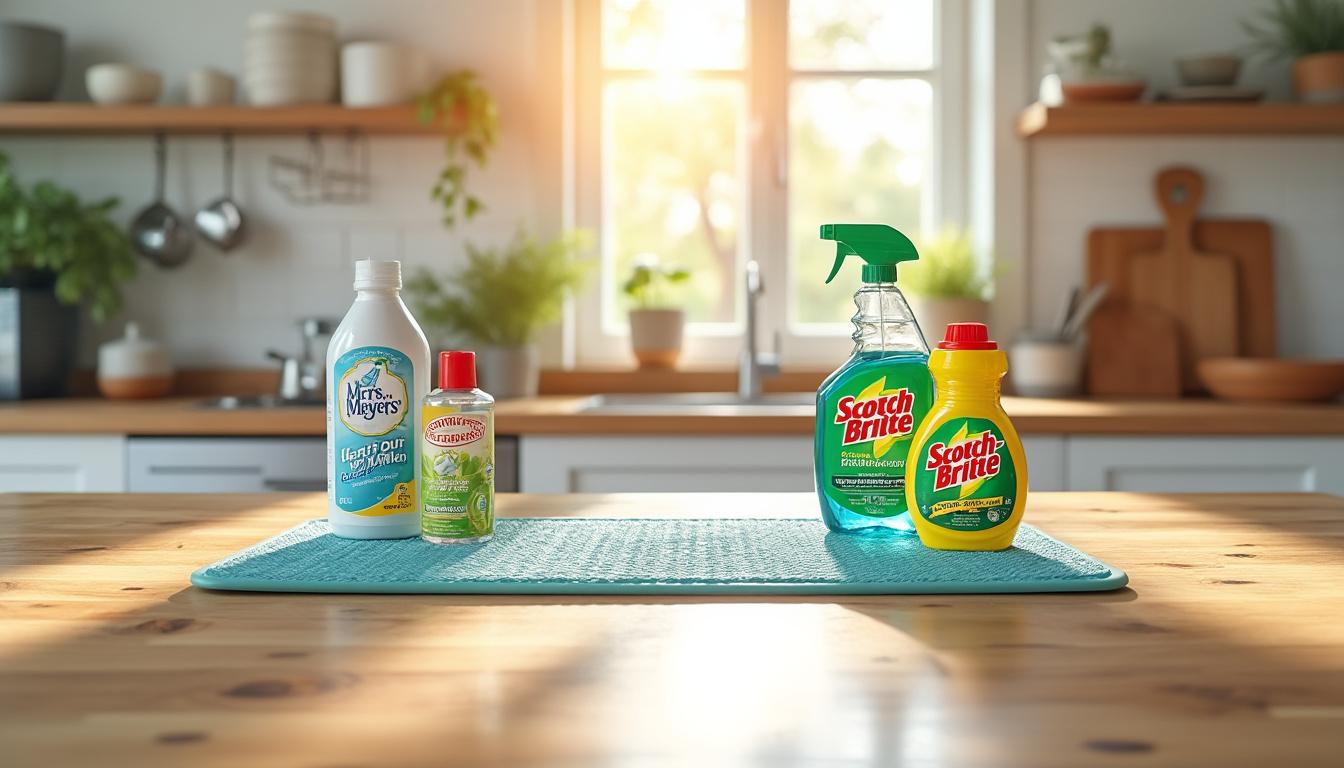
Cleaning kitchen mats needs the right supplies for good results. The right tools make the process easier and more effective.
Using wrong supplies can damage the mat or leave it dirty. It is important to select safe and strong cleaners and tools.
Mild Detergents
Mild detergents clean without harming mats. Avoid harsh chemicals that can break down the material.
Look for detergents labeled as gentle or safe for fabrics. These help remove dirt and stains carefully.
Soft Brushes Or Sponges
Use soft brushes or sponges to scrub mats. Hard brushes can damage the surface or fibers.
A soft brush loosens dirt without scratching. Sponges soak up cleaner and help wipe away grime.
Warm Water
Warm water helps clean kitchen mats better than cold water. It loosens grease and dirt faster.
Make sure water is not too hot to avoid shrinking or warping mats. Lukewarm or warm water works best.
Protective Gloves
Wear gloves to protect your skin from cleaning chemicals. Gloves also keep your hands clean during scrubbing.
Choose waterproof gloves that fit well. They help you clean longer without discomfort.
Drying Tools
Have towels or drying racks ready for after cleaning. Proper drying prevents mold and bad odors.
Use absorbent towels to blot mats or hang them in a well-ventilated area to dry fast.
Preparing Your Kitchen Mats
Cleaning kitchen mats starts with good preparation. Getting them ready helps remove dirt better.
Follow simple steps before washing to keep your mats in good shape.
Removing Surface Dirt
Take your kitchen mats outside or to a clean area. Shake them well to drop loose dirt.
Use a broom or vacuum to clear dust and crumbs from both sides of the mats.
- Hold the mat firmly and shake it outdoors.
- Brush the top and bottom with a broom.
- Use a vacuum cleaner for better dust removal.
Checking Care Instructions
Look at the label on your kitchen mats before cleaning. It shows how to wash them safely.
Follow the care instructions to avoid damage. Some mats may need hand washing or special cleaners.
- Find the care label on the back or bottom of the mat.
- Read the recommended washing method.
- Note any warnings about water temperature or cleaning products.
Deep Cleaning Techniques
Kitchen mats collect dirt, food particles, and bacteria daily. Deep cleaning keeps them fresh and safe to use.
Use proper methods to remove stains and germs thoroughly. Choose hand washing or machine washing based on your mat type.
Hand Washing Method
Hand washing is gentle and effective for delicate kitchen mats. It removes grime without damaging the material.
- Take the mat outside and shake off loose dirt.
- Fill a bucket with warm water and mild detergent.
- Use a soft brush to scrub both sides of the mat.
- Pay extra attention to stained areas and corners.
- Rinse the mat thoroughly with clean water.
- Hang the mat to air dry completely before use.
Machine Washing Tips
Machine washing works well for durable kitchen mats. Follow these tips to avoid damage and get the best clean.
| Tip | Details |
| Check Label | Ensure the mat is machine washable before washing. |
| Use Cold Water | Cold water prevents shrinking and color fading. |
| Mild Detergent | Choose a gentle detergent to protect the mat fibers. |
| Gentle Cycle | Set the machine to a gentle cycle for safe washing. |
| Air Dry | Do not use a dryer; hang the mat to dry naturally. |
Stain Removal Tips
Kitchen mats often catch stains from daily cooking activities. Cleaning them well keeps your kitchen fresh and safe.
This guide shows simple ways to remove grease and tough stains from your mats.
Dealing With Grease Stains
Grease stains can be tricky because they soak deep into the mat fibers. Quick action helps prevent permanent marks.
- Sprinkle baking soda on the grease spot to absorb oil.
- Let it sit for 10 minutes before brushing it off.
- Apply a small amount of dish soap directly on the stain.
- Gently scrub with a soft brush in circular motions.
- Rinse the mat with warm water to remove soap and residue.
- Air dry the mat completely before use.
Tackling Tough Stains
Tough stains like food spills or dirt need stronger cleaning methods but careful handling.
| Stain Type | Cleaning Method | Tips |
| Coffee or Tea | Mix vinegar and water, then blot the stain. | Do not rub to avoid spreading. |
| Red Sauce | Use a paste of baking soda and water, then scrub lightly. | Wash the mat soon after treatment. |
| Dirt or Mud | Let mud dry, then brush off before washing. | Use cold water to prevent setting stains. |
Credit: www.webstaurantstore.com
Drying And Maintenance
Cleaning kitchen mats well helps keep your kitchen safe and neat. Drying and maintenance are key to make mats last long.
Proper drying stops mold and bad smells. Regular maintenance keeps mats clean and fresh every day.
Air Drying Best Practices
After washing kitchen mats, dry them in a clean, open space. Air drying prevents damage from heat and keeps mats fresh.
Make sure to hang mats flat or lay them evenly. Avoid folding or bunching to help mats dry quickly and fully.
- Choose a sunny spot with good airflow
- Flip mats occasionally for even drying
- Keep mats off the ground to avoid dirt
- Do not use a dryer or direct heat sources
Routine Maintenance Advice
Check your kitchen mats often for stains and dirt. Clean them regularly to avoid buildup that can cause slips or odors.
Shake mats outside to remove crumbs. Vacuum or wipe them weekly to keep dust and grime away.
- Shake mats outside to remove loose dirt
- Vacuum mats weekly for deep cleaning
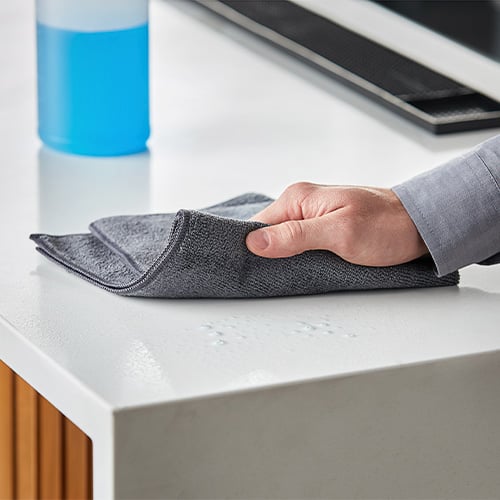
- Spot clean spills immediately with mild soap
- Replace mats if they show wear or damage
Preventing Future Buildup
Cleaning kitchen mats thoroughly helps keep your kitchen safe and tidy. Preventing dirt and grime buildup saves time and effort later.
Regular care and some simple habits keep mats fresh and in good shape longer.
Regular Cleaning Schedule
Set a cleaning routine for your kitchen mats. This stops dirt from building up too much.
Wipe or vacuum mats daily and wash them weekly if possible. This keeps mats clean and safe.
- Vacuum or shake mats to remove crumbs
- Spot clean spills immediately
- Wash mats with soap and water every week
- Dry mats fully before putting them back
Using Protective Measures
Protective steps reduce dirt and damage on mats. They help mats last longer and stay cleaner.
Use liners or place mats away from heavy moisture. This prevents stains and mold growth.
- Place a plastic or rubber liner under mats
- Keep mats away from wet areas when possible
- Use non-slip backing to avoid movement
- Rotate mats to distribute wear evenly

Credit: the-rugs.com
Frequently Asked Questions
How Often Should I Clean Kitchen Mats?
Clean kitchen mats at least once a week to prevent dirt buildup. Frequent cleaning maintains hygiene and reduces bacteria growth, ensuring a safer kitchen environment.
What Is The Best Method To Clean Kitchen Mats?
Vacuum first to remove loose dirt. Then, scrub with warm water and mild detergent. Rinse thoroughly and air dry completely before use.
Can I Use A Washing Machine For Kitchen Mats?
Yes, if the mat is machine washable. Use gentle cycle with cold water and mild detergent. Avoid harsh chemicals to preserve the mat’s quality.
How Do I Remove Tough Stains From Kitchen Mats?
Apply a paste of baking soda and water on stains. Let it sit for 15 minutes, then scrub gently and rinse with clean water.
Conclusion
Cleaning kitchen mats keeps your cooking space fresh and safe. Regular washing removes dirt, germs, and odors effectively. Use mild soap and warm water for best results. Dry mats completely before placing them back on the floor. This prevents mold and slipping accidents.
A clean mat adds comfort while you cook or stand. Simple steps save time and keep your kitchen neat. Try cleaning your mats often for a healthier home environment. Easy care makes a big difference every day.