
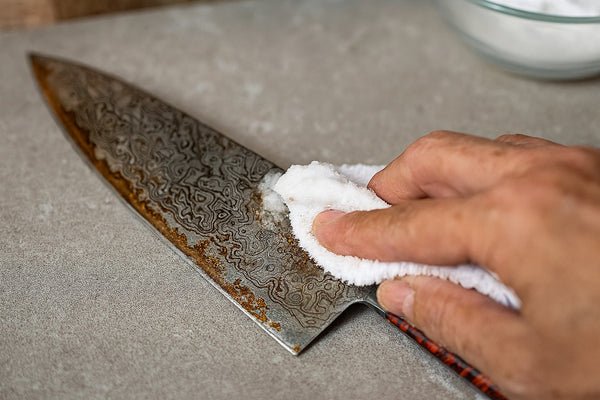
Your kitchen knife is one of the most important tools you have. But if the blade isn’t clean, it can affect your food’s taste and even your health.
Knowing how to clean kitchen knife blades properly isn’t just about hygiene—it’s about keeping your knife sharp, safe, and ready for every meal. You’ll discover simple, effective ways to clean your knives that will save you time and protect your investment.
Keep reading to learn the secrets that professional chefs use to keep their blades in perfect condition.

Credit: www.coolinastore.com
Choosing The Right Cleaning Tools
Cleaning kitchen knife blades properly keeps them sharp and safe. Using the right tools makes cleaning easier and protects your knives.
Some tools work better for certain types of knives and stains. Knowing which tools to pick helps your knives last longer.
Soft Sponges And Cloths
Soft sponges and cloths are gentle on knife blades. They remove dirt without scratching the surface. Avoid rough scrubbers that can damage the metal.
Non-abrasive Brushes
Non-abrasive brushes help clean hard-to-reach spots. They are good for removing stuck food safely. Choose brushes with soft bristles to avoid blade damage.
Dish Soap And Cleaning Agents
Use mild dish soap to clean knives effectively. Harsh chemicals can harm the blade or handle. Always rinse soap off completely to avoid residue.
Avoid Using Dishwashers
Dishwashers can dull and rust knife blades. High heat and strong detergents cause damage. Hand washing is the best way to keep knives safe.
Comparison Of Cleaning Tools
| Tool | Effect on Blade | Best Use |
|---|---|---|
| Soft Sponge | Gentle, no scratches | Daily cleaning |
| Non-Abrasive Brush | Safe for grooves | Removing stuck food |
| Dish Soap (Mild) | Protects blade | Grease and dirt |
| Dishwasher | Can dull, cause rust | Not recommended |
Preparing The Knife For Cleaning
Cleaning kitchen knives properly keeps them sharp and safe. Preparing the knife before cleaning helps remove dirt and food.
Follow simple steps to get your knife ready for cleaning. This protects the blade and your hands.
Inspect The Knife Blade
Look closely at the blade for any stuck food or damage. Remove large food pieces before washing.
- Check for rust spots or stains
- Notice any chips or cracks
- Remove large food scraps carefully
Handle The Knife Safely
Always hold the knife by its handle. Avoid touching the sharp edge to prevent cuts.
Keep your fingers away from the blade during cleaning preparation.
Use Warm Water To Soften Residue
Run warm water over the blade to loosen stuck food. This makes cleaning easier and safer.
- Use water that is warm, not hot
- Hold the blade downward under the water
- Let water run for 30 seconds to soften residue
Choose The Right Cleaning Tools
Pick soft sponges or cloths to clean the blade. Avoid hard brushes that can scratch the metal.
- Use non-abrasive sponges
- Have a soft cloth for drying
- Keep a small brush for the handle area
Hand Washing Techniques
Cleaning kitchen knife blades by hand keeps them sharp and safe. Proper washing removes food and bacteria.
Use careful techniques to protect the blade and your hands. Avoid harsh cleaning tools and chemicals.
Using Mild Detergent
Choose a mild detergent that is gentle on metal. Strong soaps can damage the blade’s finish.
- Use warm water with a small amount of mild dish soap.
- Apply soap with a soft sponge or cloth.
- Clean both sides of the blade carefully.
- Rinse thoroughly to remove all soap.
- Dry the knife immediately with a soft towel.
Avoiding Abrasive Materials
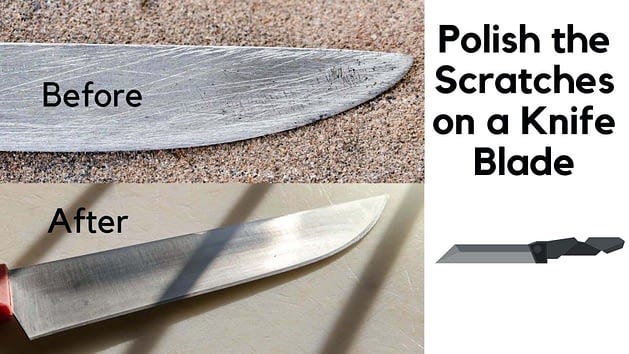
Abrasive tools can scratch and dull knife blades. Avoid using steel wool or rough scrubbers.
| Material | Use for Knives? |
| Soft sponge | Yes |
| Microfiber cloth | Yes |
| Steel wool | No |
| Scouring pad | No |
| Plastic scrubber | Only soft type |
Credit: medium.com
Drying And Storing The Knife
Cleaning kitchen knives well is important, but drying and storing them correctly is just as important. Proper care keeps blades sharp and safe to use.
Wet knives can rust or get damaged. Storing knives the right way protects the blade and prevents accidents.
Proper Drying Methods
Dry knives immediately after washing. Use a soft cloth or towel to remove all water from the blade and handle.
Air drying can leave water spots and cause rust. Always dry by hand to keep your knife in good condition.
- Use a clean, dry towel to wipe the blade carefully.
- Hold the blade away from your body while drying to avoid cuts.
- Dry the handle fully to prevent slipping during use.
Safe Storage Practices
Store knives in a safe place to protect the blade and prevent injuries. Avoid tossing knives loosely in drawers.
Use proper storage options like knife blocks, magnetic strips, or blade guards. These keep knives organized and sharp.
- Knife blocks hold blades upright and prevent damage.
- Magnetic strips keep knives visible and easy to reach.
- Blade guards cover sharp edges for safe storage in drawers.
- Keep knives out of reach of children.
Maintaining Blade Sharpness
Keeping your kitchen knife blades sharp helps you cut safely and easily. Dull blades make cooking harder and can cause accidents.
Two main methods keep blades sharp: regular honing and periodic sharpening. Both help the blade stay in top condition.
Regular Honing
Honing straightens the blade edge without removing much metal. It should be done often to maintain sharpness.
- Hold the honing steel vertically with the tip on a stable surface.
- Place the knife blade at a 15 to 20-degree angle against the steel.
- Draw the blade down and across the steel from heel to tip.
- Repeat on the other side of the blade.
- Do about 5 to 10 strokes per side each time you use the knife.
Periodic Sharpening
Sharpening removes metal to form a new edge. It is needed less often but is crucial for very dull blades.
| Sharpening Method | Frequency | Notes |
| Whetstone | Every 6 months | Best for precise control and sharp edges |
| Electric Sharpener | Every 6-12 months | Quick and easy but can remove more metal |
| Professional Service | Once a year | Good for high-quality knives and deep sharpening |
Avoiding Common Cleaning Mistakes
Cleaning kitchen knife blades is important for safety and sharpness. Many people make mistakes that damage the blade or cause injury.
This guide helps you avoid common errors when washing and drying your knives. Follow these tips for better care.
Using The Dishwasher
Never put kitchen knives in the dishwasher. The heat and detergent can dull the blade quickly. The knives may also bump against other items and get damaged.
Soaking Blades Too Long
Soaking knives in water for a long time can cause rust and weaken the blade. It also loosens the handle glue, making the knife unsafe to use.
Using Harsh Scrubbers
Avoid scrubbing knives with steel wool or rough pads. These can scratch the blade surface and reduce sharpness. Use soft sponges or cloths instead.
Drying Knives Incorrectly
Leaving knives wet or air drying can cause rust spots. Always dry the blade and handle immediately after washing to keep them in good condition.
- Wipe with a clean, dry towel
- Hold the blade away from your body
- Dry both sides carefully
Storing Without Protection
| Storage Method | Effect on Knife |
|---|---|
| Loose in drawer | Blade damage and dullness |
| Knife block | Good protection and safety |
| Magnetic strip | Easy access, avoid scratching |
| Blade guards | Safe for travel and storage |
Understanding Different Blade Materials
Kitchen knives come in different blade materials. Each type needs a special way to clean and care for it.
Knowing the blade material helps you keep your knives sharp and safe for use.
Stainless Steel
Stainless steel blades resist rust and stains. They are common in most kitchens. You can clean them with warm water and mild soap.
- Use a soft sponge or cloth
- Dry immediately to avoid water spots
- Avoid harsh chemicals or steel wool
Carbon Steel
Carbon steel blades are sharper but can rust easily. Clean them quickly after use. Do not soak them in water.
| Cleaning Tip | Reason |
|---|---|
| Wipe blade dry immediately | Prevents rust |
| Apply light oil after cleaning | Protects metal |
| Avoid dishwasher | Harsh heat damages blade |
Ceramic
Ceramic blades stay sharp for a long time. They do not rust but can chip easily. Clean with care.
- Use mild dish soap and water
- Do not use abrasive scrubbers
- Handle with care to avoid drops
Credit: medium.com
Eco-friendly Cleaning Options
Cleaning kitchen knife blades can be safe for the environment. Using natural products helps reduce harmful waste. It also protects your health and your knives.
Many eco-friendly options are easy to find at home. These options work well to clean and keep blades sharp and free from rust.
Use Baking Soda Paste
Baking soda is a gentle cleaner that removes stains and grime. Make a paste with water to clean blades without harsh chemicals.
- Mix baking soda and water until it forms a thick paste.
- Rub the paste on the blade with a soft cloth.
- Let it sit for 5 minutes to break down dirt.
- Rinse the blade with warm water and dry it well.
Clean With White Vinegar
White vinegar helps remove rust and kills bacteria. It is a natural and safe way to keep your knives clean.
- Soak a cloth in white vinegar.
- Wipe the knife blade carefully with the cloth.
- For tough spots, soak the blade in vinegar for 10 minutes.
- Rinse the blade with water and dry thoroughly.
Lemon Juice For Brightening Blades
Lemon juice contains natural acids that clean and shine blades. It also removes odors from the knife.
| Method | Details |
| Apply Lemon Juice | Rub fresh lemon juice on the blade surface. |
| Let Sit | Wait for 5 minutes to dissolve stains. |
| Rinse and Dry | Wash with warm water and dry with a cloth. |
Olive Oil For Blade Protection
After cleaning, apply a small amount of olive oil. It keeps blades from rusting and maintains sharpness.
To use olive oil:
- Put a few drops on a soft cloth.
- Rub the oil evenly on the blade.
- Wipe off extra oil with a clean cloth.
Expert Tips For Prolonged Knife Life
Keeping kitchen knife blades clean is key to their long life. Dirt, food, and moisture cause damage. Proper cleaning protects the blade and handle.
This guide shares simple tips to clean knives safely and keep them sharp for years. Follow these easy steps after each use.
Use Gentle Cleaning Methods
Do not use harsh scrubbing pads or strong chemicals. These can scratch and dull the blade.
Use warm water, mild soap, and a soft sponge to clean the blade. Avoid soaking knives for a long time.
Dry Blades Immediately
Water left on blades can cause rust or corrosion. Always dry knives with a clean towel right after washing.
Store Knives Properly
Storing knives correctly protects their edges. Avoid tossing them loosely in drawers where they can bump and chip.
- Use a knife block or magnetic strip
- Keep blades separate to avoid contact
- Store in a dry place away from moisture
Avoid Dishwashers
Dishwashers can damage knives. High heat and harsh detergents dull blades and loosen handles.
Hand wash knives gently to keep them sharp and safe.
Check Cleaning Tips By Blade Type
| Blade Material | Cleaning Tip |
| Stainless Steel | Wash with mild soap; dry immediately |
| Carbon Steel | Dry quickly; apply light oil to prevent rust |
| Ceramic | Use soft sponge; avoid dropping |
| Damascus Steel | Hand wash; dry and oil regularly |
Frequently Asked Questions
How Often Should I Clean Kitchen Knife Blades?
You should clean kitchen knife blades after every use. This prevents food residue buildup and rust. Regular cleaning maintains sharpness and hygiene.
What Is The Safest Way To Clean Knife Blades?
Use warm water, mild soap, and a soft sponge. Avoid abrasive materials or soaking knives to prevent damage and rust.
Can I Clean Kitchen Knives In A Dishwasher?
It is not recommended. Dishwashers can dull blades and cause rust. Hand washing preserves knife quality and longevity.
How Do I Remove Stubborn Stains From Knife Blades?
Use a paste of baking soda and water. Gently scrub the blade with a soft cloth. Rinse and dry thoroughly afterward.
Conclusion
Keeping kitchen knife blades clean helps them last longer and stay sharp. Regular cleaning removes food residue and prevents rust. Use gentle soap and warm water for best results. Dry knives immediately to avoid water spots. Careful cleaning also keeps your cutting safe and hygienic.
Small efforts make a big difference in knife care. Clean knives make cooking easier and more enjoyable. Keep these simple tips in mind for a sharp, clean blade every time.