

Your kitchen faucet is one of the busiest spots in your home. Over time, it collects grime, water spots, and even stubborn mineral buildup.
You might think cleaning it means using harsh chemicals or scrubbing endlessly. But what if you could make your faucet sparkle using simple, natural ingredients you already have at home? You’ll discover easy, effective ways to clean your kitchen faucet thoroughly without any toxic cleaners.
Ready to bring back that shine and keep your kitchen fresh? Let’s dive in and make your faucet look like new again.
Essential Supplies
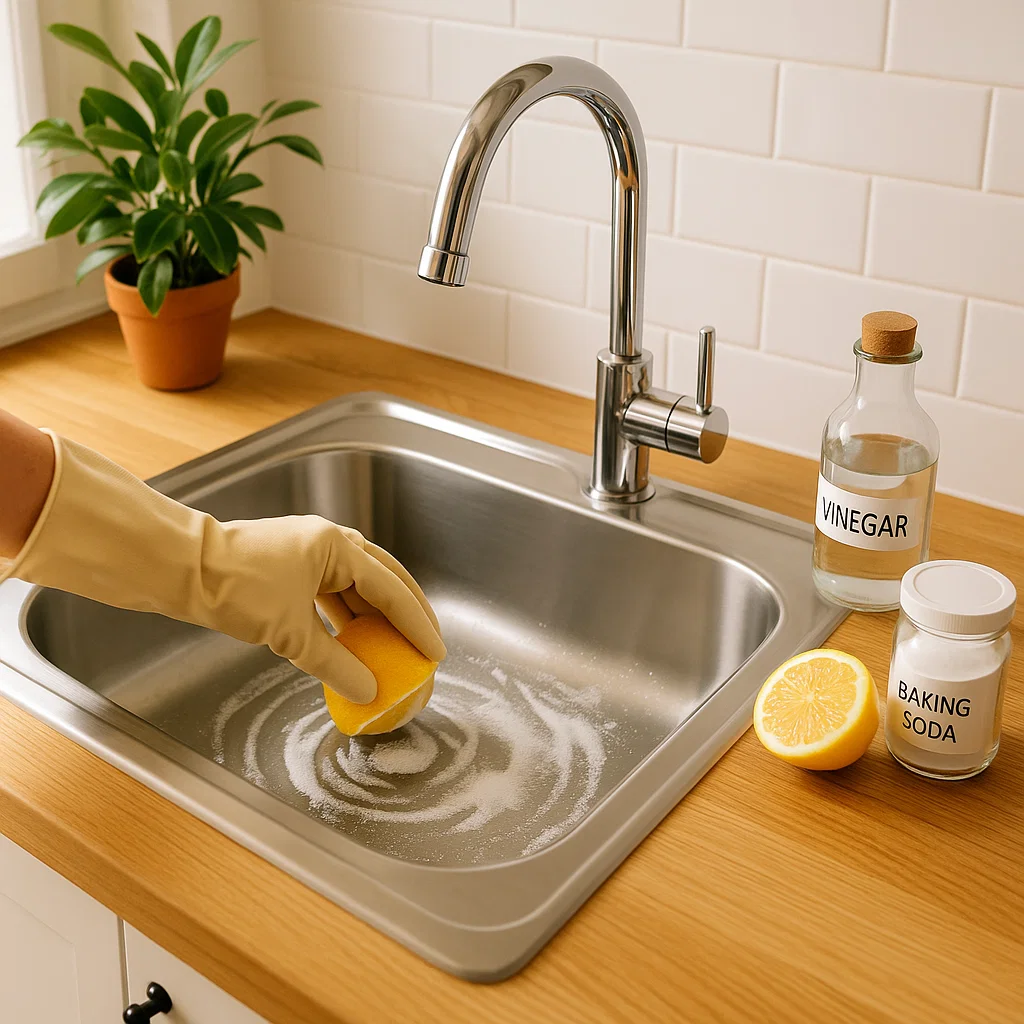
Cleaning kitchen faucets naturally keeps them shiny without harsh chemicals. Using simple supplies makes the process safe and effective.
Gathering the right tools helps you clean every part of the faucet. This section covers the basic supplies you need for a thorough natural clean.
White Vinegar
White vinegar dissolves mineral deposits and kills germs. It is gentle on metal and safe for most faucet finishes.
Baking Soda
Baking soda acts as a mild abrasive to scrub away grime. It also neutralizes odors and brightens surfaces naturally.
Soft Cloths And Brushes
Use soft cloths to avoid scratching the faucet. Small brushes reach tight spots around handles and spouts.
- Microfiber cloths for polishing
- Old toothbrush for crevices
- Small scrub brush for stubborn spots
Spray Bottle
A spray bottle helps apply vinegar or a vinegar-water mix evenly. It controls the amount and reduces waste.
Lemon
Lemon juice adds a fresh scent and helps remove water stains. It works well with baking soda for extra cleaning power.
| Supply | Use |
| White Vinegar | Remove mineral buildup and disinfect |
| Baking Soda | Scrub dirt and neutralize odors |
| Soft Cloths | Polish without scratching |
| Brushes | Clean tight spaces |
| Spray Bottle | Apply cleaning solution evenly |
| Lemon | Freshen scent and remove stains |
Credit: www.luminalife.ca
Daily Cleaning Routine
Keeping kitchen faucets clean every day helps stop dirt and germs. A simple routine with natural cleaners keeps them shiny and safe.
This guide shows easy steps to clean your kitchen faucet naturally. You need only common household items and little time.
Wipe With A Soft Cloth
Use a soft cloth or microfiber towel to wipe the faucet daily. This removes water spots and light dirt without scratching.
Use Mild Soap And Water
Mix a few drops of mild liquid soap with warm water. Dip a cloth in the mix and wipe all faucet surfaces. Rinse with clean water and dry with a towel.
Clean Hard-to-reach Areas
Use a soft toothbrush or cotton swabs to clean small crevices around the base and handles. This helps remove buildup in tight spots.
Remove Mineral Deposits Naturally
White vinegar works well to dissolve mineral deposits. Soak a cloth in vinegar and wrap it around the faucet for 10 minutes. Then scrub gently and rinse.
- Prepare equal parts white vinegar and water
- Soak a cloth in the solution
- Wrap the cloth around the faucet
- Leave for 10 minutes to soften deposits
- Scrub with a soft brush or cloth
- Rinse well with clean water
- Dry with a soft towel
Polish To Finish
Natural polish option:Rub a small amount of olive oil or coconut oil on the faucet. Buff with a soft cloth for extra shine and protection.
Removing Hard Water Stains
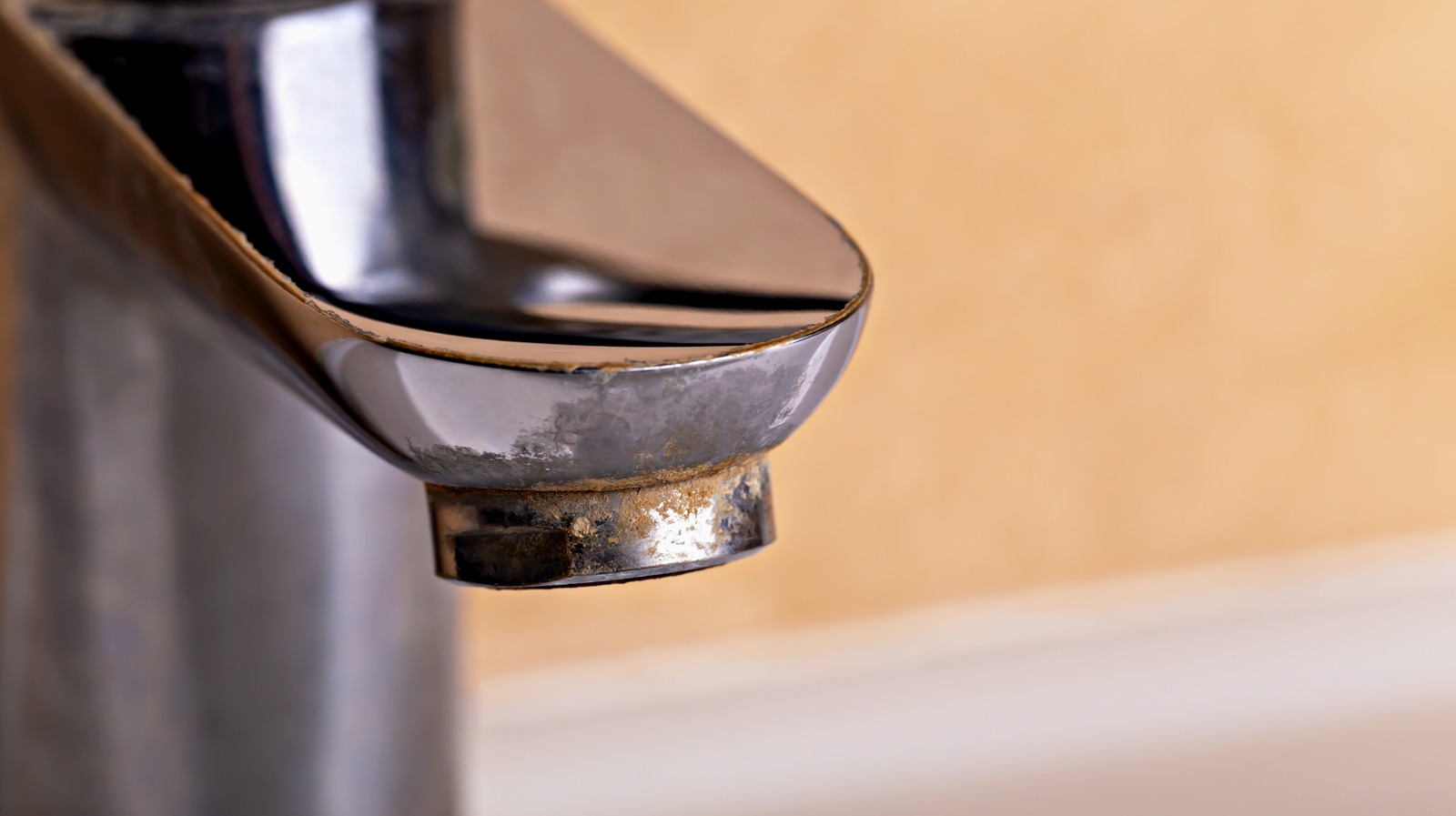
Hard water stains make kitchen faucets look dull and dirty. These stains form from minerals in the water. You can clean them using natural ingredients at home.
Natural cleaning is safe and effective. It removes stains without harsh chemicals.
Vinegar Soak Method
White vinegar breaks down mineral deposits on faucets. Soaking the faucet helps loosen hard water stains.
To soak, wrap vinegar-soaked cloth around the faucet. Let it sit for 30 minutes. Then, scrub gently with a soft brush or cloth.
- Soak a clean cloth in white vinegar
- Wrap the cloth around stained areas
- Leave it for 30 minutes to one hour
- Use a soft brush to scrub off stains
- Rinse with water and dry with a towel
Baking Soda Paste
Baking soda is a gentle abrasive that cleans stains well. Make a paste by mixing baking soda with water. Apply it to the faucet stains.
Let the paste sit for 10 to 15 minutes. Then scrub with a soft cloth or brush. Rinse thoroughly and dry the faucet.
- Mix baking soda and water to form a paste
- Apply paste on hard water stains
- Wait 10 to 15 minutes for the paste to work
- Scrub gently with a soft brush or cloth
- Rinse with clean water and dry well
Credit: www.housedigest.com
Eliminating Mineral Build-up
Mineral build-up on kitchen faucets looks dirty and can block water flow. It happens when hard water leaves deposits on the surface. Cleaning these deposits naturally keeps your faucet shiny and working well.
Using natural ingredients is safe and easy. Lemon juice and salt are great for removing mineral deposits without harsh chemicals.
Lemon Juice Application
Lemon juice is acidic and breaks down mineral build-up on faucets. It also leaves a fresh scent. You can use fresh lemon juice or bottled lemon juice for cleaning.
Apply lemon juice directly to the affected areas. Let it sit for 10 to 15 minutes. Then scrub gently with a soft cloth or toothbrush. Rinse with warm water and dry with a towel.
- Cut a lemon in half or use bottled lemon juice
- Apply juice on faucet spots with mineral build-up
- Wait 10-15 minutes to let it work
- Scrub gently with cloth or brush
- Rinse and dry the faucet well
Salt Scrub Technique
Salt acts as a mild abrasive to scrub off mineral deposits. It works well with lemon juice or on its own. This method helps remove tough build-up without scratching the faucet.
Make a paste by mixing salt with water or lemon juice. Apply the paste on the faucet and scrub gently with a soft cloth. Rinse thoroughly and dry to prevent new build-up.
- Mix salt with water or lemon juice to make a paste
- Apply the paste on mineral build-up areas
- Gently scrub with a soft cloth or toothbrush
- Rinse with warm water
- Dry the faucet completely
Polishing For Shine
Cleaning kitchen faucets naturally makes them look bright and new. Polishing helps remove water spots and dullness.
Using simple home ingredients can give your faucet a clear shine without harsh chemicals.
Olive Oil Buffing
Olive oil works well to bring out the shine on metal faucets. It helps cover small scratches and adds a soft glow.
Apply a small amount of olive oil on a soft cloth. Rub it gently over the faucet in circles. Let it sit for a few minutes.
- Use extra virgin olive oil for best results
- Buff in small sections for even shine
- Remove extra oil with a clean cloth
Microfiber Cloth Finish
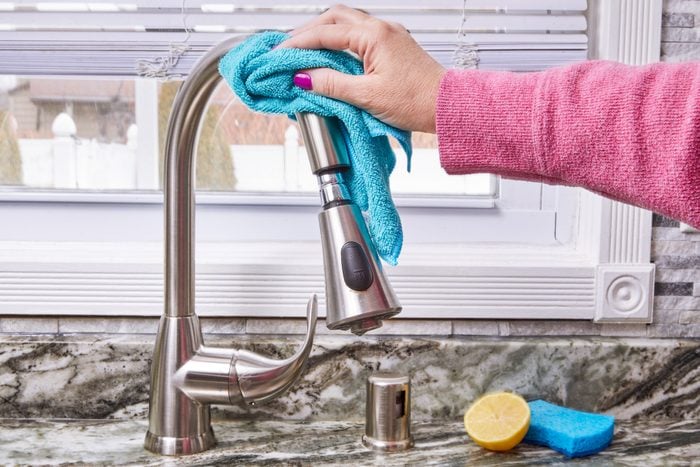
A microfiber cloth is soft and traps dirt well. It helps give a streak-free finish on faucets after polishing.
After applying olive oil, use a dry microfiber cloth to wipe the faucet. This step removes residue and adds extra shine.
- Choose a clean, dry microfiber cloth
- Use light pressure to avoid scratches
- Wipe until the surface feels smooth and looks bright
Credit: www.rd.com
Preventive Measures
Cleaning kitchen faucets naturally keeps them shiny and working well. Preventive care stops dirt and grime buildup. This saves time and effort later.
Using simple habits and natural products protects your faucet from damage. It also helps keep your kitchen healthy and fresh.
Regular Maintenance Tips
Wipe your faucet daily with a soft cloth to remove water spots. This stops hard water stains from forming.
Check for leaks and fix them quickly. Small drips waste water and cause mineral buildup.
- Use a microfiber cloth for gentle cleaning
- Dry faucet after each use to prevent water marks
- Clean faucet aerators monthly to keep water flow steady
- Avoid harsh scrubbing that can scratch the surface
Choosing The Right Cleaner
Pick natural cleaners that are safe for your faucet finish. Avoid chemicals that cause corrosion or dull the surface.
Simple ingredients like vinegar and baking soda work well. They remove stains and kill germs without harsh effects.
- White vinegar helps dissolve mineral deposits
- Baking soda acts as a gentle scrub for dirt
- Lemon juice adds shine and natural freshness
- Castile soap cleans without chemicals
- Avoid bleach and ammonia to protect faucet finish
Frequently Asked Questions
How Do I Clean Kitchen Faucets Naturally?
Use a mixture of equal parts white vinegar and water. Apply it with a soft cloth to remove grime and mineral buildup gently. Rinse thoroughly with water and dry with a clean towel for a natural shine.
What Natural Ingredients Remove Faucet Mineral Deposits?
White vinegar and lemon juice are effective natural cleaners. Both dissolve mineral deposits and leave faucets sparkling. Apply with a cloth or soak a paper towel in the solution and wrap it around the faucet.
Can Baking Soda Clean Kitchen Faucets Safely?
Yes, baking soda is a gentle abrasive cleaner. Make a paste with water, apply to the faucet, scrub lightly, then rinse. It removes dirt and tough stains without damaging the faucet’s finish.
How Often Should I Clean Kitchen Faucets Naturally?
Clean your kitchen faucet naturally every two weeks. Regular cleaning prevents buildup and keeps the faucet looking new. Wipe daily with a damp cloth to maintain cleanliness between deep cleans.
Conclusion
Cleaning kitchen faucets naturally keeps them shiny and safe. Vinegar and baking soda work well to remove grime. Regular cleaning stops buildup and saves money. Use soft cloths to avoid scratches. Natural methods are gentle on your pipes. A clean faucet makes your kitchen feel fresh.
Try these simple steps to keep faucets bright. Small efforts bring big results over time. Clean faucets make daily kitchen tasks better. Keep your kitchen healthy and sparkling naturally.