
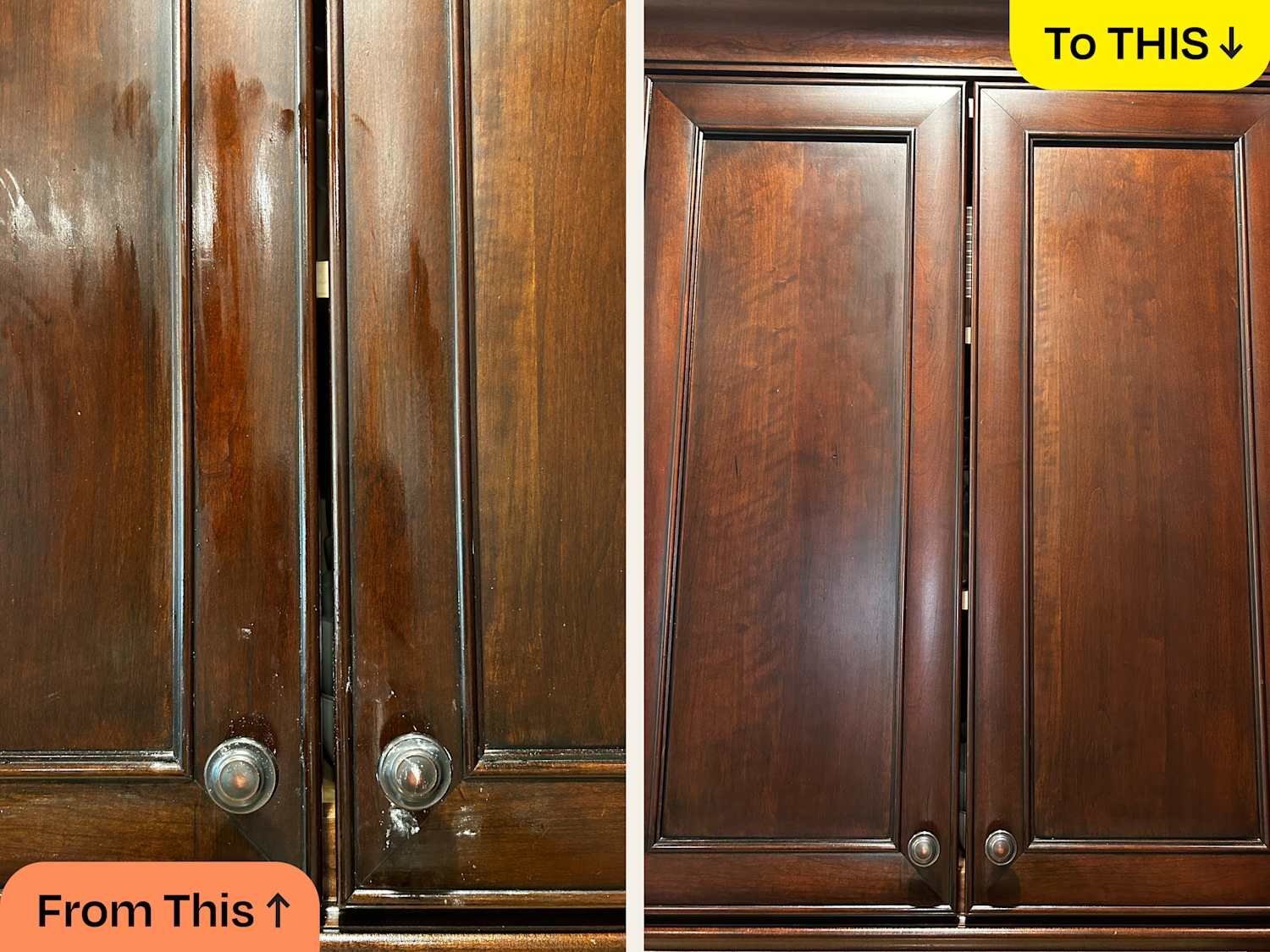
Are your kitchen cupboards looking dull or sticky? Cleaning them thoroughly can make your entire kitchen feel fresh and inviting.
But where do you start, and how do you get every corner spotless without wasting time? In this guide, you’ll discover simple, effective steps to deep clean your cupboards and keep them shining longer. By the end, you’ll have the confidence to tackle even the toughest grime and enjoy a kitchen that feels truly clean.
Ready to transform your cupboards? Let’s dive in!
Preparation Steps
Cleaning kitchen cupboards well needs careful preparation. This helps you work faster and cleaner.
Start by getting all tools ready and clearing your work area. This makes the process smooth and safe.
Gather Cleaning Supplies
Collect all items you will need to clean the cupboards. Having everything at hand saves time.
- Soft cloths or sponges
- Mild dish soap
- Warm water
- Spray bottle
- Old toothbrush for corners
- Bucket or bowl
- Dry towels
- Optional: vinegar or baking soda for tough stains
Organize Workspace
Clear the area around your cupboards. Remove items on or inside them to avoid damage.
| Task | Purpose |
|---|---|
| Remove all cupboard contents | Prevent items from getting wet or dirty |
| Cover counters and floor | Protect surfaces from drips and spills |
| Set up cleaning supplies nearby | Keep tools within easy reach |
| Open windows or turn on fan | Improve air flow and reduce odors |
Empty The Cupboards
Cleaning kitchen cupboards starts by emptying everything inside. This helps you see the full space clearly.
Empty cupboards allow you to clean every corner and surface well. It also makes sorting easier.
Remove All Items
Take out all items from your cupboards carefully. Place them on a clean surface nearby.
Check each item for spills, damage, or dust before putting it aside. This helps keep your kitchen tidy.
Sort And Declutter
Group items by type, like plates, cups, or food containers. This makes it easier to organize later.
Throw away expired or broken items. Giving away things you no longer need creates more space.
- Keep only items you use regularly
- Donate or recycle unwanted items
- Organize items by size and use
Clean The Interiors
Cleaning the inside of kitchen cupboards keeps them fresh and tidy. It helps you find things easily and avoids bad smells.
Take time to clean shelves and remove any dust or stains. This makes your kitchen look neat and well cared for.
Dust And Wipe Shelves
Start by removing all items from the cupboards. Use a dry cloth or duster to clear dust from the shelves.
Next, wipe shelves with a damp cloth and mild soap. This removes dirt and small crumbs that dusting misses.
- Remove all items from shelves
- Use a dry cloth to dust surfaces
- Wipe with a damp cloth and mild soap
- Dry shelves with a clean towel
Tackle Stubborn Stains
Some stains need extra care. Use baking soda paste or vinegar to break down tough spots on shelves.
Apply the cleaner gently with a soft cloth. Let it sit a few minutes before wiping it off with a damp cloth.
- Mix baking soda with water to make a paste
- Apply paste to stains and wait 5 minutes
- Wipe off with a damp cloth
- Use vinegar on hard stains if needed
Credit: mycleaningangel.com
Clean The Exteriors
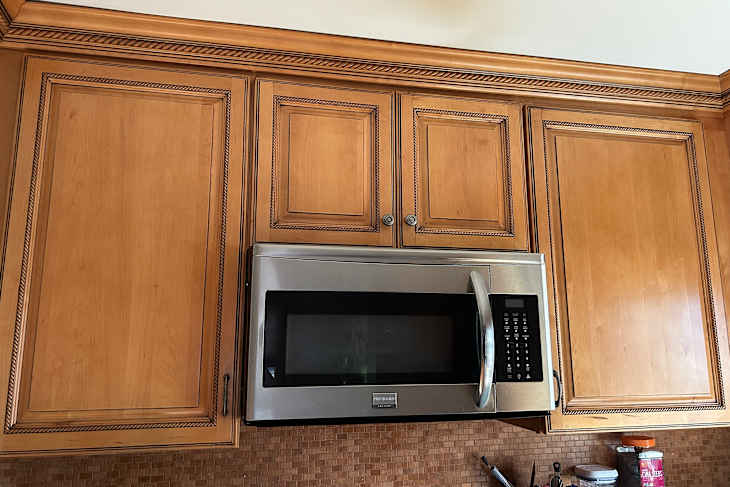
Cleaning the outside of your kitchen cupboards keeps them looking fresh. Dirt and grease build up over time. Regular cleaning helps maintain their appearance.
Focus on doors and handles first. Then polish the surfaces for a shiny finish. Use gentle cleaning methods to avoid damage.
Wipe Doors And Handles
Start by wiping the cupboard doors and handles. Use a soft cloth dampened with warm water and mild soap. This removes dust and grease.
- Dip the cloth in soapy water and wring it out well.
- Wipe each door thoroughly, paying attention to corners.
- Clean handles carefully to remove fingerprints and grime.
- Use a dry cloth to remove moisture after cleaning.
Polish Surfaces
After wiping, polish the cupboard surfaces for a smooth look. Use a polish suitable for the cupboard material. Apply with a soft cloth.
| Material | Recommended Polish | Application Tips |
| Wood | Wood polish or wax | Apply in small circles, then buff dry |
| Laminated | Multi-surface polish | Use a light spray and wipe gently |
| Painted | Non-abrasive polish | Test in a small spot first |
Address Hinges And Hardware
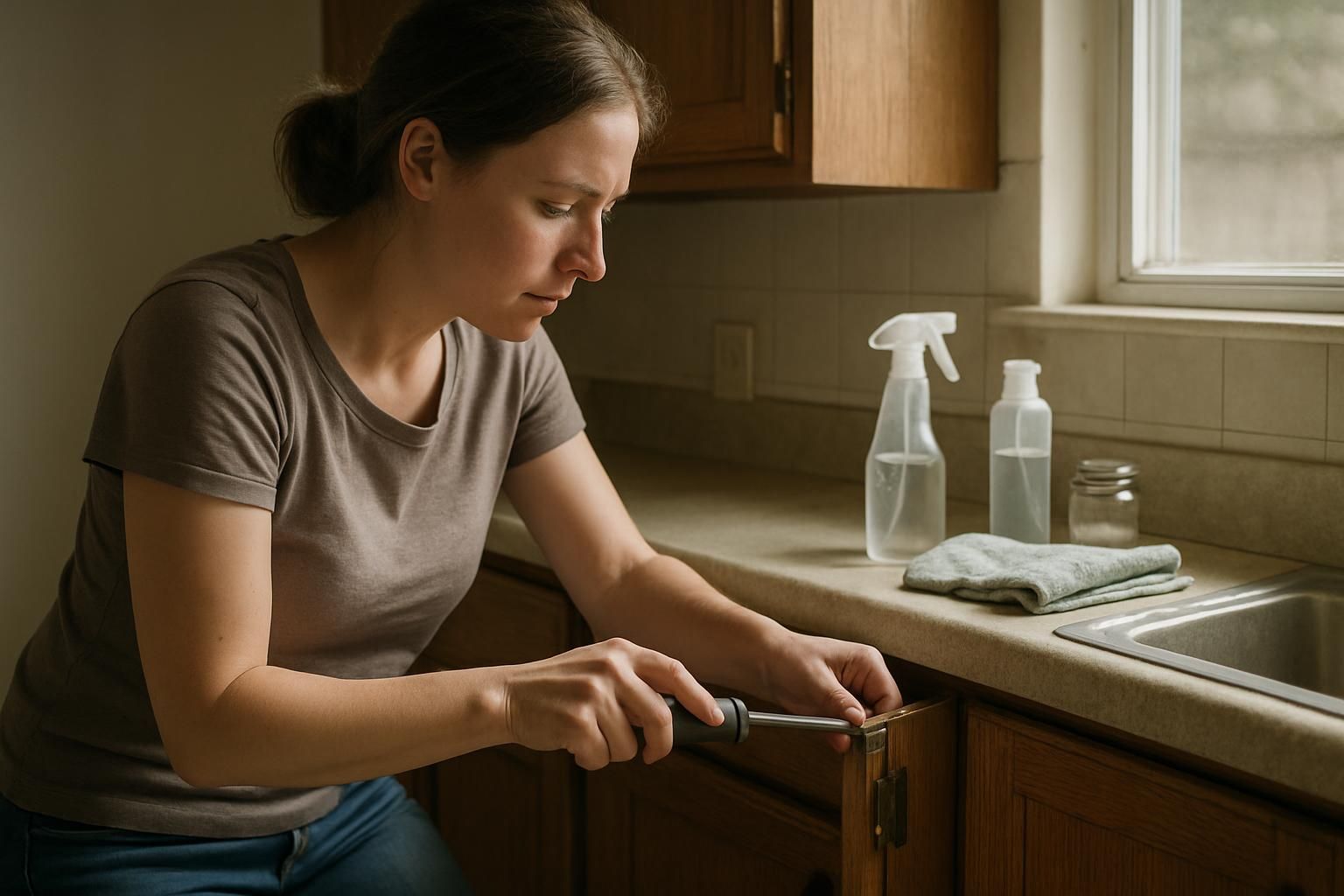
Cleaning kitchen cupboards means more than just wiping surfaces. Hinges and hardware need care too. These parts can get sticky or loose over time.
Keeping hinges and screws in good shape helps cupboards open and close smoothly. It also stops damage and noise.
Lubricate Hinges
Lubricating hinges stops squeaks and keeps doors moving well. Use a small amount of oil or silicone spray on the hinges.
- Clean the hinge with a cloth before applying lubricant.
- Apply lubricant on all moving parts of the hinge.
- Open and close the door several times to spread the oil.
- Wipe off any excess lubricant to avoid drips.
Tighten Loose Screws
Loose screws can cause doors to sag or not close properly. Check all screws on hinges and handles.
| Tool | Purpose | Tip |
|---|---|---|
| Phillips screwdriver | Tighten crosshead screws | Use correct size to avoid stripping |
| Flathead screwdriver | Tighten slotted screws | Turn gently to prevent damage |
| Allen wrench | Tighten hex screws on handles | Check handle type before use |
Check screws regularly to keep hardware secure and cupboards working well.
Organize And Replace Items
Cleaning kitchen cupboards means more than wiping surfaces. Organizing and replacing items helps keep your kitchen neat and functional.
Start by removing everything from your cupboards. Sort items to decide what to keep, toss, or replace.
Use Storage Solutions
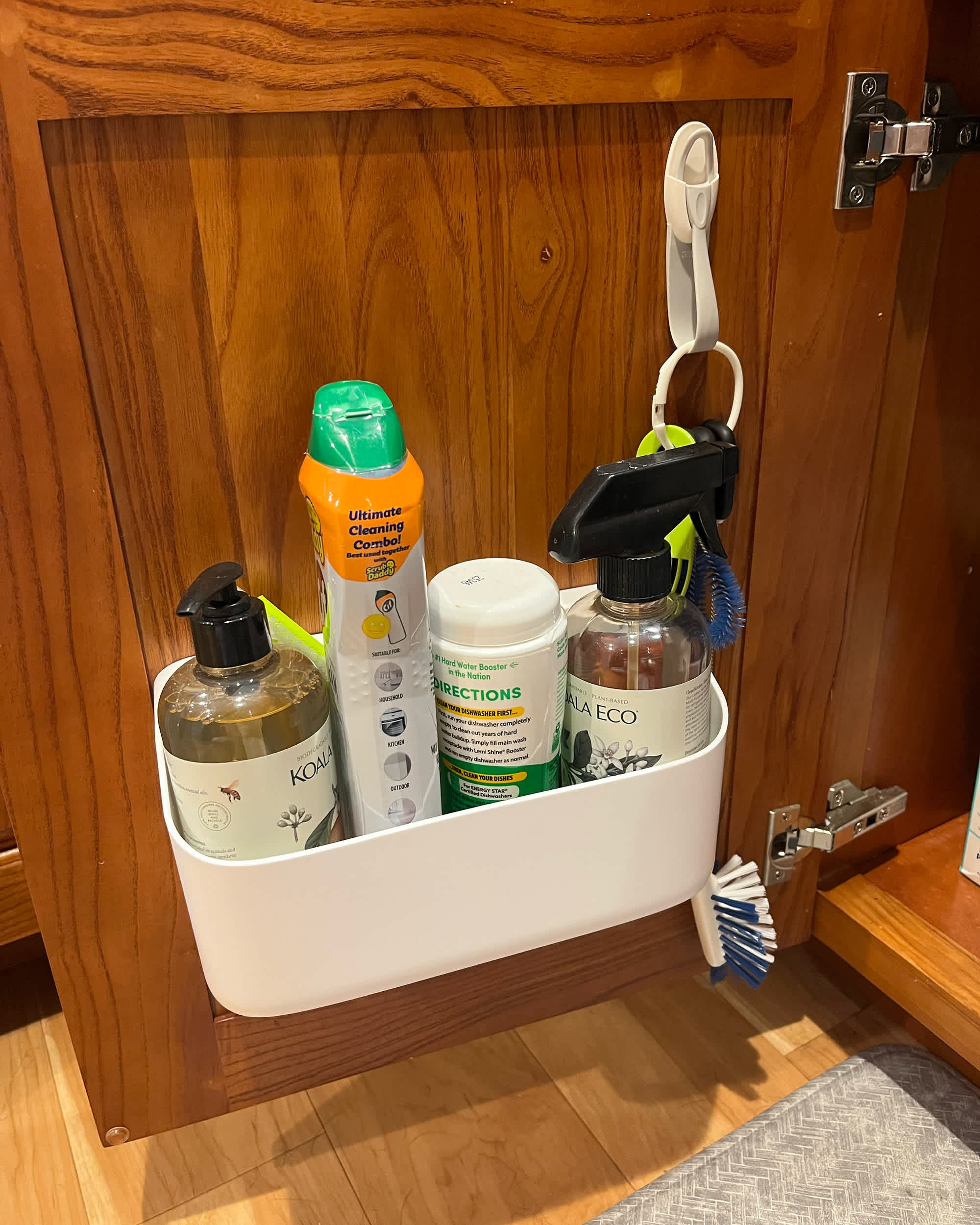
Storage tools help you fit more items and keep them easy to find. Use containers, racks, and dividers to make the best use of space.
- Clear containers show what is inside
- Lazy Susans help reach items in the back
- Stackable shelves create extra layers
- Drawer dividers keep utensils tidy
Label containers to quickly spot what you need. This saves time and keeps cupboards organized.
Reorganize Efficiently
Place items by how often you use them. Keep daily items at eye level or within easy reach.
Group similar items together. For example, keep baking supplies in one area and canned goods in another.
- Put heavy items on lower shelves
- Store rarely used items higher up
- Keep frequently used tools near your workspace
- Use vertical space for tall items
Maintain Cleanliness
Keeping kitchen cupboards clean helps prevent dirt and germs. It also keeps your kitchen looking fresh and organized.
Regular cleaning stops buildup and makes deep cleaning easier. Let’s look at ways to keep your cupboards clean every day.
Set A Cleaning Schedule
Plan cleaning tasks to keep cupboards tidy. A schedule saves time and keeps you consistent.
- Check cupboards weekly for spills or crumbs.
- Wipe shelves with a damp cloth every two weeks.
- Remove items and clean inside cupboards monthly.
- Use mild soap and warm water for cleaning.
- Dry cupboards fully before replacing items.
Quick Tips For Daily Maintenance
Small daily habits help keep cupboards neat and clean without much effort.
- Wipe spills immediately to avoid stains.
- Keep cupboards organized to spot dirt fast.
- Use shelf liners to protect surfaces.
- Check for expired food and remove it.
- Clean cupboard handles and knobs often.
Credit: www.thekitchn.com
Credit: kitchcrafteds.com
Frequently Asked Questions
How Often Should I Clean Kitchen Cupboards Thoroughly?
Clean your kitchen cupboards every 3 to 6 months to prevent grease and dirt buildup. Regular cleaning keeps cupboards fresh and hygienic.
What Is The Best Cleaner For Kitchen Cupboard Surfaces?
Use a mild detergent mixed with warm water for most cupboard surfaces. Avoid harsh chemicals to protect finishes and maintain shine.
How Do I Remove Grease From Kitchen Cupboards Effectively?
Apply a mixture of vinegar and water or baking soda paste. Gently scrub with a soft cloth to lift grease without damaging surfaces.
Can I Use Disinfectants On Kitchen Cupboards Safely?
Yes, use disinfectants safe for the cupboard material. Wipe surfaces thoroughly and allow them to dry to kill germs and bacteria.
Conclusion
Cleaning kitchen cupboards takes time but feels rewarding. Use gentle cleaners and soft cloths to avoid damage. Wipe shelves, doors, and handles carefully. Regular cleaning keeps cupboards fresh and free of dirt. Small steps help maintain a tidy kitchen space.
Try to clean cupboards every few months. A clean kitchen makes cooking more enjoyable. Simple habits lead to a cleaner home. Keep your kitchen cupboards neat and inviting.