
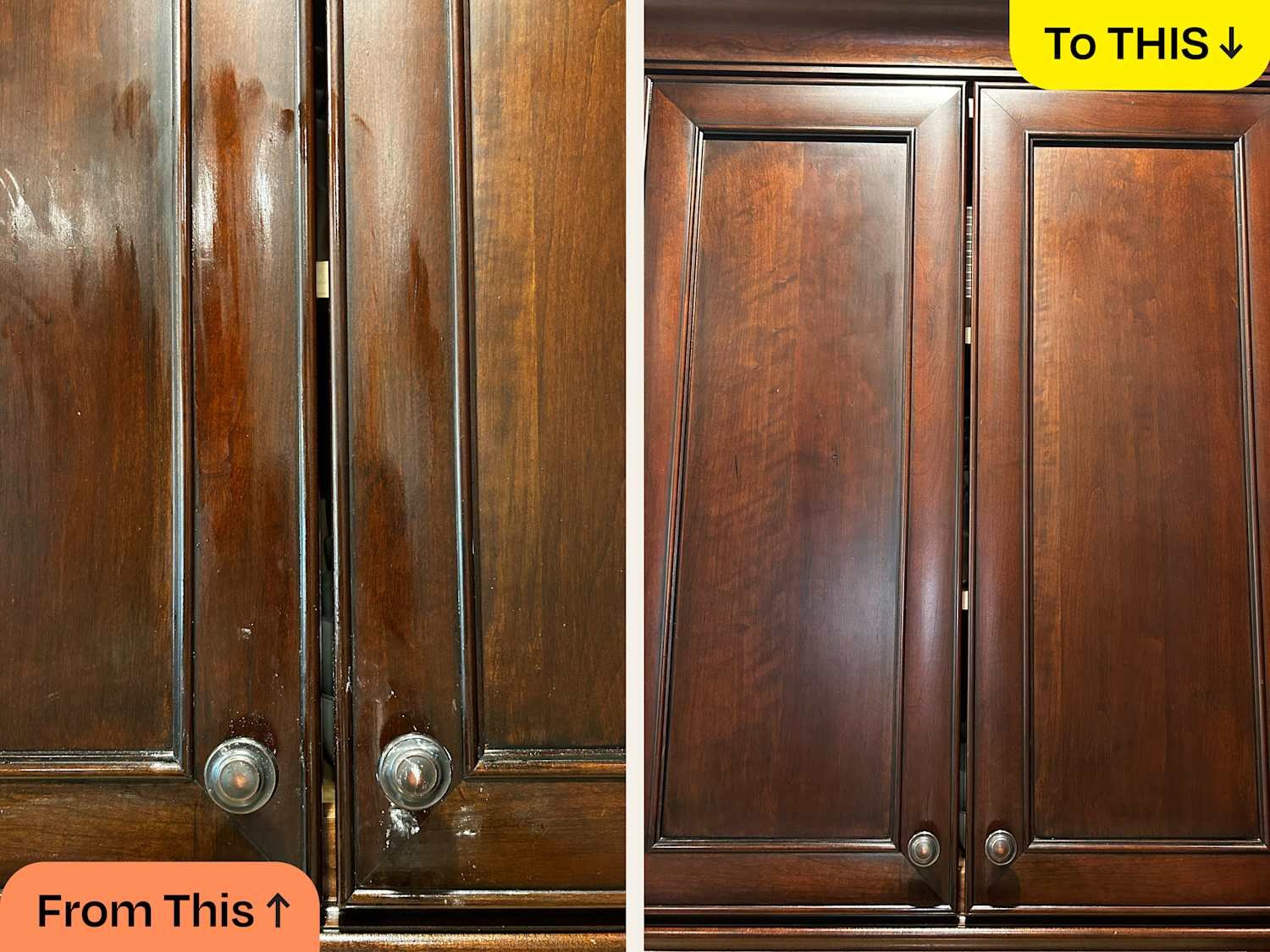
Are your kitchen cupboards looking dull, sticky, or just plain messy? You use them every day, but cleaning them often slips to the bottom of your to-do list.
What if you could make your cupboards shine like new without spending hours or using harsh chemicals? You’ll discover simple, effective ways to clean your kitchen cupboards quickly and easily. Keep reading, and you’ll feel proud every time you open them – plus, your whole kitchen will look fresher and more inviting.
Ready to transform your cupboards? Let’s get started!
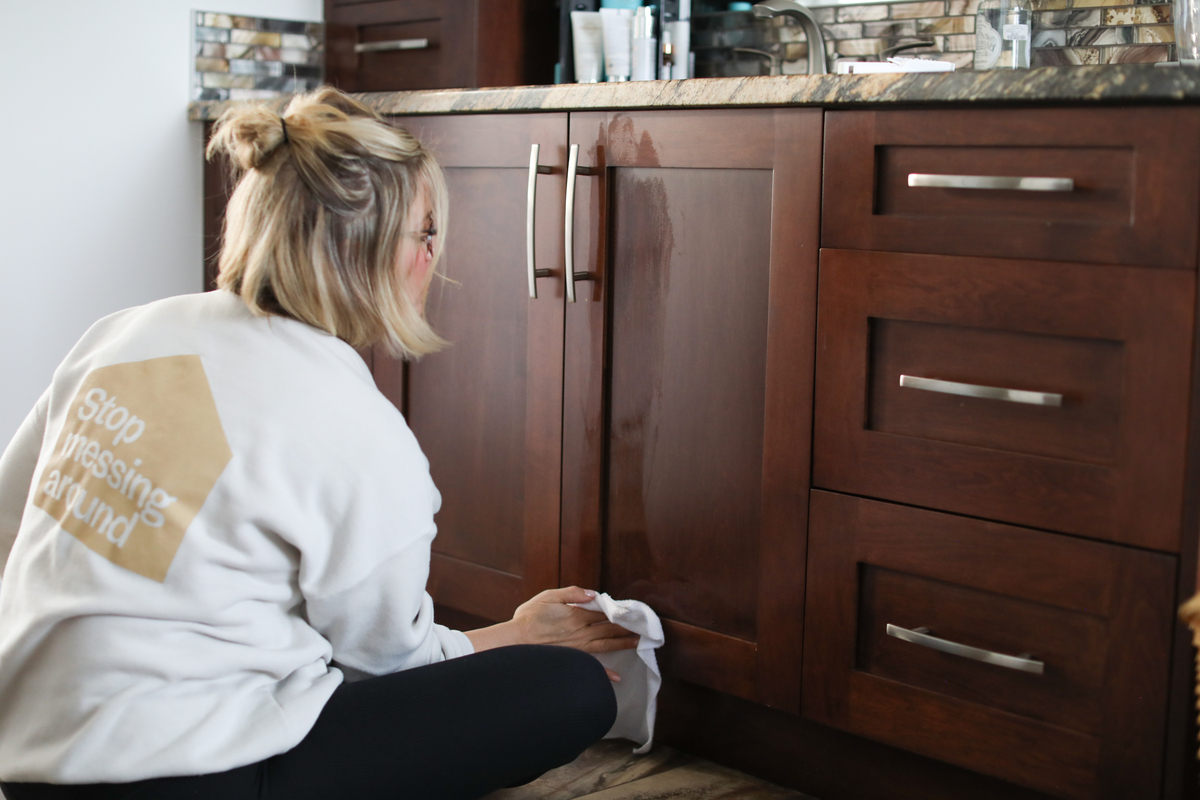
Credit: www.housework.com
Preparation Steps
Cleaning kitchen cupboards starts with good preparation. This helps make the process quick and easy. Follow these steps before you begin cleaning.
Organizing your space and tools prevents damage and saves time. Take a few minutes to get ready.
Gather Necessary Supplies
Having the right supplies ensures you clean effectively and safely. Prepare all items before opening cupboard doors.
- Mild dish soap or cupboard cleaner
- Soft cloths and sponges
- Bucket of warm water
- Vacuum or brush for dust
- Old towels or newspapers
- Gloves to protect your hands
Empty The Cupboards
Remove all items from the cupboards. This step helps you clean every corner and check for damage or pests.
- Take out dishes, food, and containers carefully.
- Place items on a clean surface nearby.
- Check expiry dates and throw away old food.
- Sort items to put back in order after cleaning.
Protect Surrounding Areas
Protect floors and countertops from water and cleaning solutions. This keeps your kitchen safe and dry.
| Area | Protection Method |
|---|---|
| Floor below cupboards | Spread old towels or plastic sheets |
| Countertops near cupboards | Cover with newspapers or cloths |
| Nearby appliances | Move or cover to avoid splashes |
Choosing The Right Cleaners
Cleaning kitchen cupboards needs the right products for good results. Choosing the correct cleaner protects your cupboards and makes cleaning easier.
Some cleaners are natural, some are store-bought, and others you can make yourself. Each type works best for different cupboard materials and stains.
Natural Cleaning Solutions
Natural cleaners use simple ingredients that are safe and eco-friendly. They avoid harsh chemicals that can damage cupboard surfaces.
- White vinegar removes grease and kills bacteria.
- Baking soda acts as a gentle scrub for tough stains.
- Lemon juice brightens wood and leaves a fresh scent.
- Castile soap cleans without leaving residue.
Commercial Cleaning Products
Store-bought cleaners are made for specific cleaning tasks. They often work faster but may contain strong chemicals.
| Product Type | Best For | Notes |
| All-purpose cleaner | General cupboard cleaning | Check for safe use on wood or laminate |
| Degreaser | Removing tough grease spots | Use sparingly to avoid damage |
| Disinfectant spray | Killing germs on surfaces | Let dry fully before closing cupboards |
Diy Cleaning Recipes
Making your own cleaners can save money and reduce chemicals. Recipes use easy ingredients from your kitchen.
- Mix equal parts water and vinegar for a simple spray.
- Combine baking soda with water to form a paste for scrubbing.
- Use lemon juice mixed with olive oil to polish wood surfaces.
Cleaning Techniques For Different Materials
Kitchen cupboards come in many materials. Each needs a special way to clean it. Using the right method helps keep them looking good.
Here are tips to clean wooden cupboards, laminate surfaces, and metal finishes safely and well.
Wooden Cupboards
Wood needs gentle cleaning to avoid damage. Use a soft cloth and mild soap. Avoid soaking the wood with water.
Dry the surface quickly after cleaning. Polishing with wood oil helps keep the shine and protects the wood.
- Use a soft cloth or sponge
- Mild soap mixed with warm water works best
- Do not use harsh chemicals or abrasive scrubbers
- Dry immediately with a clean cloth
- Apply wood oil or polish once a month
Laminate Surfaces
Laminate is easy to clean but can scratch. Use a soft cloth and gentle cleaner. Avoid strong acids or bleach.
For sticky spots, use warm soapy water and rub gently. Dry the surface to prevent water marks.
- Soft cloth or sponge only
- Mild dish soap mixed with water
- No abrasive pads or scrubbers
- Do not use bleach or ammonia
- Wipe dry after cleaning
Metal Finishes
Metal cupboards need cleaning to stop rust and stains. Use a soft cloth with mild detergent. Dry fully after cleaning.
For fingerprints or smudges, a small amount of vinegar mixed with water works well. Avoid steel wool or harsh brushes.
- Soft cloth or microfiber cloth
- Mild detergent or dish soap
- Vinegar and water for smudges
- Avoid steel wool or wire brushes
- Always dry to prevent rust

Credit: 417forged.com
Step-by-step Cleaning Process
Cleaning kitchen cupboards is important to keep your kitchen fresh and tidy. Follow these simple steps to clean your cupboards well.
This guide helps you clean cupboards easily using common tools and safe cleaning methods.
Dusting And Removing Debris
Start by removing loose dirt and dust from your cupboards. This stops dirt from spreading during cleaning.
Use a soft cloth or a vacuum with a brush to clean corners and edges carefully.
- Open all cupboard doors and drawers.
- Use a dry microfiber cloth to wipe surfaces.
- Vacuum inside cupboards to remove crumbs.
- Remove any items and dust them separately.
Deep Cleaning And Scrubbing
Prepare a mild cleaning solution with warm water and gentle soap. Avoid harsh chemicals that may damage cupboard surfaces.
Dip a soft sponge or cloth in the solution and scrub all cupboard surfaces, including doors, handles, and shelves.
- Mix warm water with a few drops of dish soap.
- Use a soft sponge to avoid scratches.
- Scrub stubborn stains gently.
- Clean inside and outside of cupboards.
- Pay special attention to handles and edges.
Rinsing And Drying
After scrubbing, rinse surfaces with a clean damp cloth to remove soap residue. Soap left behind can attract dirt.
Use a dry towel or cloth to wipe all surfaces dry. Make sure cupboards are completely dry before replacing items.
- Wipe surfaces with a cloth dampened in clean water.
- Dry cupboards with a soft towel.
- Leave doors open for air drying if possible.
- Return items only after cupboards are dry.
Maintaining Clean Cupboards
Keeping kitchen cupboards clean helps your kitchen look fresh and neat. Clean cupboards also last longer and stay damage-free.
It is simple to maintain cupboards with regular care. Use easy steps to keep them shiny and tidy every day.
Regular Cleaning Schedule
Clean your cupboards often to stop dirt and grease build-up. Wipe them once a week with a damp cloth.
Deep clean every month by removing items and cleaning inside shelves. This keeps cupboards fresh and free from stains.
- Wipe cupboard doors weekly with mild soap and water
- Dry cupboards well after cleaning to avoid water damage
- Clean inside shelves monthly and remove crumbs
- Check hinges and handles for dirt and clean as needed
Preventive Measures
Stop dirt from sticking to cupboards by using simple habits. Avoid leaving spills or food on surfaces.
Use liners inside cupboards to protect shelves from stains and scratches. Keep the kitchen well ventilated to reduce moisture.
- Clean spills immediately to avoid stains
- Use shelf liners to protect cupboard surfaces
- Keep cupboards dry by using kitchen vents or fans
- Do not overload shelves to prevent damage
Tips For Long-lasting Shine
Use gentle cleaners to keep cupboards shiny without damage. Avoid harsh chemicals that can strip the finish.
Polish cupboards with natural oils like lemon or olive oil to maintain their shine. Buff with a soft cloth for best results.
- Choose mild soap or vinegar solutions for cleaning
- Apply natural oil polish every few weeks
- Use soft cloths to avoid scratches
- Keep cupboards away from direct sunlight to prevent fading
Troubleshooting Common Issues
Cleaning kitchen cupboards can be tricky due to different types of dirt and damage. Some problems need special care to fix.
Knowing how to handle stains, odors, and water damage helps keep cupboards fresh and safe to use.
Stubborn Stains
Stains on kitchen cupboards may come from grease, food, or drinks. These marks can be hard to remove with regular cleaning.
Use gentle scrubbing and safe cleaners to avoid damaging the surface. Avoid harsh chemicals that can strip paint or finish.
- Make a paste of baking soda and water
- Apply the paste to the stain and let it sit for 10 minutes
- Gently scrub with a soft cloth or sponge
- Wipe clean with a damp cloth
- Dry the area with a clean towel
Odor Removal
Kitchen cupboards can smell bad from food spills or moisture. Removing odors keeps the kitchen fresh and inviting.
Natural deodorizers work well and are safe for kitchen areas. Avoid strong chemicals that may affect food stored inside.
- Place a bowl of baking soda inside the cupboard
- Leave the cupboard door open for airflow
- Use activated charcoal to absorb strong smells
- Clean spills immediately to prevent smells
- Dry cupboards thoroughly after cleaning
Handling Water Damage
Water damage can cause wood cupboards to swell or peel. It can also cause mold to grow if not fixed quickly.
Find the water source and stop it. Dry the cupboards well and repair any damage to avoid more problems.
- Wipe off water spills immediately
- Use a fan or dehumidifier to dry damp areas
- Check for leaks near sinks or pipes
- Sand and repaint areas with peeling finish
- Replace damaged wood if swelling is severe
Eco-friendly Cleaning Alternatives
Cleaning kitchen cupboards can be simple and kind to the earth. Using eco-friendly methods helps reduce waste and harmful chemicals.
These alternatives protect your home and the environment while keeping cupboards clean and fresh.
Using Reusable Cleaning Tools
Reusable tools cut down trash and save money. Cloth rags and brushes last longer than paper towels.
They also work well for scrubbing and wiping without scratching surfaces.
- Use cotton or microfiber cloths instead of paper towels
- Choose wooden or bamboo brushes over plastic ones
- Wash and dry tools after each use for longer life
Reducing Chemical Use
Many cleaning chemicals harm the air and water. Simple natural ingredients can clean just as well.
These options are safe for your family and reduce pollution.
- Mix equal parts water and white vinegar for a gentle cleaner
- Use baking soda to scrub away stains and odors
- Lemon juice helps remove grease and leaves a fresh scent
Sustainable Cleaning Practices
Use cleaning methods that save resources and reduce waste. This helps the planet for future generations.
Small changes in habits add up to big benefits over time.
- Clean cupboards regularly to avoid heavy buildup
- Use only the amount of cleaner you need
- Recycle or compost cleaning scraps when possible
- Choose eco-friendly brands and refill containers
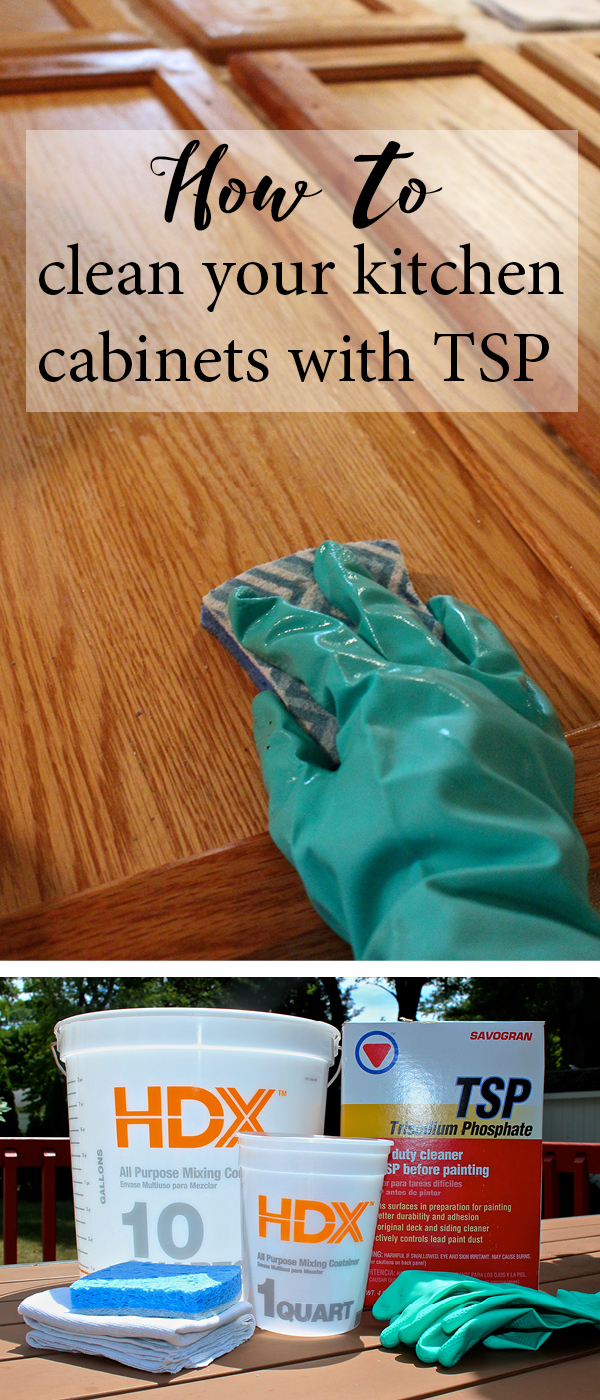
Credit: weekendcraft.com
Frequently Asked Questions
How Often Should I Clean Kitchen Cupboards?
Clean kitchen cupboards every few weeks to prevent grease and dirt buildup. Regular cleaning maintains hygiene and appearance.
What Is The Best Cleaner For Kitchen Cupboards?
Use a mild detergent mixed with warm water for most cupboards. Avoid harsh chemicals to protect finishes and surfaces.
How Do I Remove Grease From Cupboards Effectively?
Use a mixture of vinegar and water or baking soda paste. These natural cleaners break down grease without damaging surfaces.
Can I Use A Dishwasher To Clean Cupboard Shelves?
No, dishwasher use can damage wooden or laminate shelves. Instead, wipe them with a damp cloth and mild cleaner.
Conclusion
Cleaning kitchen cupboards keeps your space fresh and neat. Use gentle cleaners to protect surfaces. Regular wiping prevents dirt and grease build-up. Take time to remove items before cleaning. Don’t forget corners and edges for a thorough job. Dry cupboards well to avoid damage.
Small efforts make a big difference over time. Keep your kitchen inviting and organized every day. Simple steps lead to great results. Start cleaning today for a brighter kitchen tomorrow.