
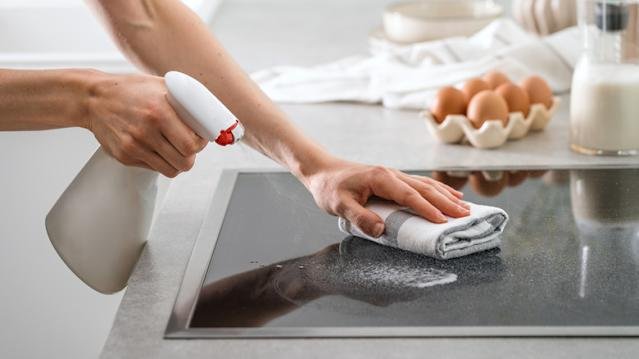
Your kitchen countertop is one of the busiest spots in your home. It’s where you prepare meals, set down groceries, and sometimes even gather with family.
Keeping it clean isn’t just about looks—it’s about your health and safety too. But with so many cleaning products out there, it’s easy to feel overwhelmed or worry about harsh chemicals. What if you could clean your countertops thoroughly using something simple, natural, and effective?
Vinegar might be the secret weapon you’ve been missing. You’ll discover how to use vinegar to get your kitchen countertops sparkling clean, without any fuss or harmful residue. Ready to transform your cleaning routine? Let’s dive in.
Benefits Of Using Vinegar For Cleaning
Vinegar is a natural cleaner used in many homes. It is safe and effective for kitchen countertops.
This simple ingredient helps remove dirt and kill germs without harsh chemicals.
Natural Antibacterial Properties
Vinegar kills many types of bacteria and viruses. It helps keep your kitchen clean and safe.
Safe For Most Surfaces
Unlike strong cleaners, vinegar does not damage most countertops. It works well on granite, tile, and laminate.
Cost-effective And Easy To Use
- Inexpensive compared to store cleaners
- Easy to find in any grocery store
- Simple to mix with water for cleaning
- Leaves no toxic residue behind
Environmentally Friendly Cleaning Option
| Benefit | Explanation |
| Biodegradable | Breaks down naturally, safe for environment |
| Non-toxic | Harmless to people and pets when used properly |
| Reduces Waste | Can replace many plastic bottles of cleaners |
Types Of Kitchen Countertops
Kitchen countertops come in many materials. Each type needs different care to stay clean and safe.
Vinegar is a natural cleaner. It works well on some countertops but can harm others. Learn how to use vinegar safely.
Granite
Granite is a strong, natural stone. It is usually sealed to protect it from stains and damage.
Use vinegar carefully on granite. It can wear down the sealant. Dilute vinegar with water before cleaning.
- Mix one part vinegar with one part water
- Spray lightly and wipe with a soft cloth
- Do not soak the surface
- Dry immediately after cleaning
Marble
Marble is a beautiful but soft stone. It reacts badly to acids like vinegar and can etch easily.
Avoid vinegar on marble countertops. Use mild soap and water instead for cleaning.
- Mix mild dish soap with warm water
- Use a soft cloth to wipe the surface
- Rinse with clean water and dry
Quartz
Quartz countertops are made from crushed quartz and resin. They are durable and low maintenance.
You can use diluted vinegar on quartz for light cleaning. Avoid strong vinegar or long exposure.
- Mix one part vinegar with two parts water
- Apply with a soft cloth and wipe gently
- Rinse and dry after cleaning
Laminate
Laminate countertops have a plastic surface over particleboard. They are affordable and easy to clean.
Vinegar works well on laminate. It removes grease and bacteria without damage.
- Mix equal parts vinegar and water
- Spray or apply with cloth
- Wipe clean and dry
Wood
Wood countertops add warmth to kitchens. They need gentle cleaning to avoid damage.
Use vinegar carefully on wood. Dilute well and do not soak the surface to protect the wood finish.
- Mix one part vinegar with four parts water
- Wipe quickly with a soft cloth
- Dry the surface immediately
Preparing Your Cleaning Solution
Cleaning kitchen countertops with vinegar is easy and effective. You only need a few simple ingredients to make a good solution.
Preparing the right mixture helps remove dirt and kill germs safely. Let’s see how to prepare it well.
Choosing The Right Vinegar
Not all vinegars work the same for cleaning. White distilled vinegar is best for kitchen counters. It is clear and does not leave stains.
Apple cider vinegar has color and may leave marks on some surfaces. Use white vinegar to avoid damage or discoloration.
- Choose white distilled vinegar for a clear, safe clean
- Avoid colored vinegars to prevent stains
- Use vinegar with 5% acidity for best results
Mixing The Solution
Mix vinegar with water to create a gentle but strong cleaning liquid. Use equal parts of vinegar and water for a balanced mix.
Too much vinegar can harm some surfaces. If your countertop is sensitive, add more water to make it milder.
- Mix 1 cup white vinegar with 1 cup water
- Use more water for delicate surfaces
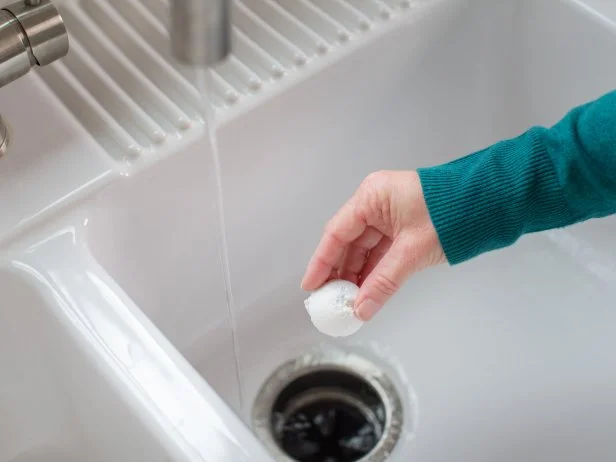
- Pour the solution into a spray bottle for easy use
Credit: www.hgtv.com
Step-by-step Cleaning Process
Cleaning kitchen countertops with vinegar is simple and effective. This natural cleaner removes dirt and grime without harsh chemicals.
Follow these steps carefully to make your countertops shine and stay fresh.
Clearing The Countertop
Remove all items from the countertop. This includes appliances, dishes, and food containers. Clearing the surface lets you clean every spot well.
- Take away small appliances like toasters and blenders
- Clear dishes, utensils, and cutting boards
- Put away food items and trash
- Wipe loose crumbs or debris with a dry cloth
Applying The Vinegar Solution
Make a vinegar cleaning solution by mixing equal parts white vinegar and water in a spray bottle. This solution works well to break down grease and stains.
Use this simple recipe:
| Ingredient | Amount |
|---|---|
| White vinegar | 1 cup |
| Water | 1 cup |
Spray the vinegar solution evenly across the countertop surface. Avoid soaking areas near electrical outlets or wooden edges.
Scrubbing And Wiping
Use a soft sponge or cloth to scrub the countertop gently. Focus on spots with stains or sticky residues. The vinegar solution will loosen dirt for easy removal.
- Spray the solution on a small area.
- Scrub the area in circular motions.
- Wipe dirt and grime off with a clean cloth.
- Repeat for the entire countertop.
Rinsing And Drying
After scrubbing, rinse the countertop with a clean damp cloth. This removes vinegar residue that can leave streaks or a smell.
Dry the surface thoroughly using a soft towel. This step prevents water spots and keeps your countertop looking clean and shiny.
Tips For Different Countertop Materials
Cleaning kitchen countertops with vinegar is simple and effective. Vinegar works well for many surfaces but can harm some materials.
Use the right cleaning tips for each countertop type to keep them safe and shiny.
Avoiding Damage On Natural Stone
Natural stone like granite or marble can get damaged by vinegar. Vinegar is acidic and can etch or dull the surface.
To clean natural stone, dilute vinegar with water or choose a stone-safe cleaner. Wipe gently and dry the surface well.
- Mix one part vinegar with three parts water
- Test on a small hidden area first
- Avoid letting vinegar sit on the surface
- Use a soft cloth to clean and dry
Protecting Laminate Surfaces
Laminate countertops can handle vinegar but too much moisture can cause damage. Use vinegar carefully to avoid swelling or peeling.
Spray diluted vinegar on the surface and wipe it off quickly. Avoid soaking laminate with liquid.
- Use a spray bottle for even light coverage
- Clean spills right away to prevent stains
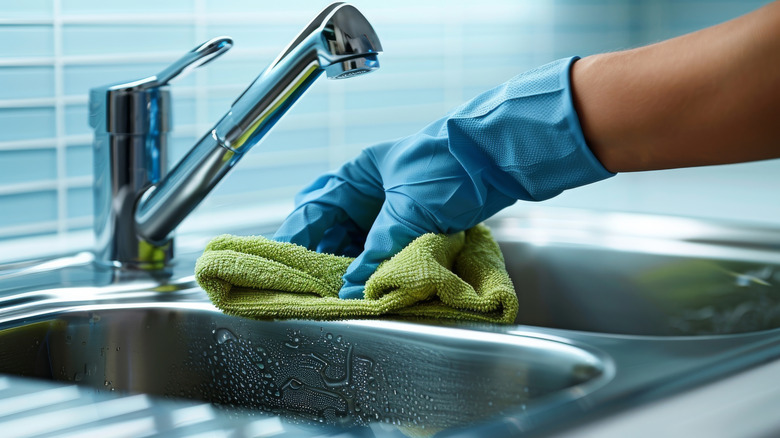
- Dry the surface with a clean cloth after cleaning
Maintaining Wooden Countertops
Wooden countertops need gentle care. Vinegar can dry out the wood and remove protective oils if used too often.
Mix vinegar with water for light cleaning. After cleaning, apply mineral oil to keep the wood healthy.
- Use one part vinegar to four parts water
- Wipe with a soft cloth and dry immediately
- Apply mineral oil every few weeks to protect wood
- Avoid harsh scrubbing to prevent scratches
Credit: www.hunker.com
Safety Precautions
Cleaning kitchen countertops with vinegar is simple and effective. You must follow safety rules to protect yourself and your home.
This guide covers important safety tips for ventilation, protective gear, and handling tough stains.
Ventilation And Protective Gear
Good airflow helps reduce strong vinegar smells. It also lowers the chance of irritation to your eyes and skin.
- Open windows and doors before cleaning
- Use a fan to move air around the room
- Wear rubber gloves to protect your hands
- Consider safety goggles to shield your eyes
- Wear long sleeves to avoid skin contact
Handling Stubborn Stains
Some stains need extra care when cleaning with vinegar. Avoid harsh scrubbing that can damage surfaces.
| Stain Type | Vinegar Use | Precaution |
| Grease | Apply vinegar, let sit 5 minutes | Wear gloves; rinse well |
| Hard Water | Use vinegar with a soft cloth | Do not use on natural stone |
| Food Residue | Spray vinegar, wipe gently | Test on small area first |
Eco-friendly Cleaning Practices
Cleaning your kitchen countertops with vinegar is a safe and natural way to keep your space fresh. Vinegar helps remove dirt and kills germs without harsh chemicals.
Using eco-friendly methods protects your health and the environment. It reduces waste and lowers pollution in your home.
Reducing Chemical Use
Vinegar is a natural cleaner that replaces many harmful products. It avoids toxic fumes and skin irritation. This helps keep your kitchen safe for your family and pets.
- Use a mix of vinegar and water for cleaning
- Avoid bleach and ammonia-based cleaners
- Choose natural scents like lemon or lavender with vinegar
- Test vinegar on a small area before full use
- Store vinegar in a labeled spray bottle for easy use
Sustainable Cleaning Tools
Using reusable and natural tools lowers waste and saves money. Cloth rags and brushes made from bamboo last longer and break down safely.
| Tool | Material | Eco Benefit |
| Cleaning Cloth | Organic Cotton | Reusable, biodegradable |
| Scrub Brush | Bamboo Wood | Renewable, durable |
| Spray Bottle | Glass | Reusable, no plastic waste |
Troubleshooting Common Issues
Cleaning kitchen countertops with vinegar is easy and effective. Still, some common problems can happen.
This guide helps you fix issues like residue and smells after cleaning.
Dealing With Residue
Sometimes vinegar leaves a sticky or cloudy residue on your countertops. This can happen if vinegar is not rinsed well or if it reacts with surface materials.
- Rinse the countertop with warm water after cleaning.
- Use a soft cloth to wipe down surfaces thoroughly.
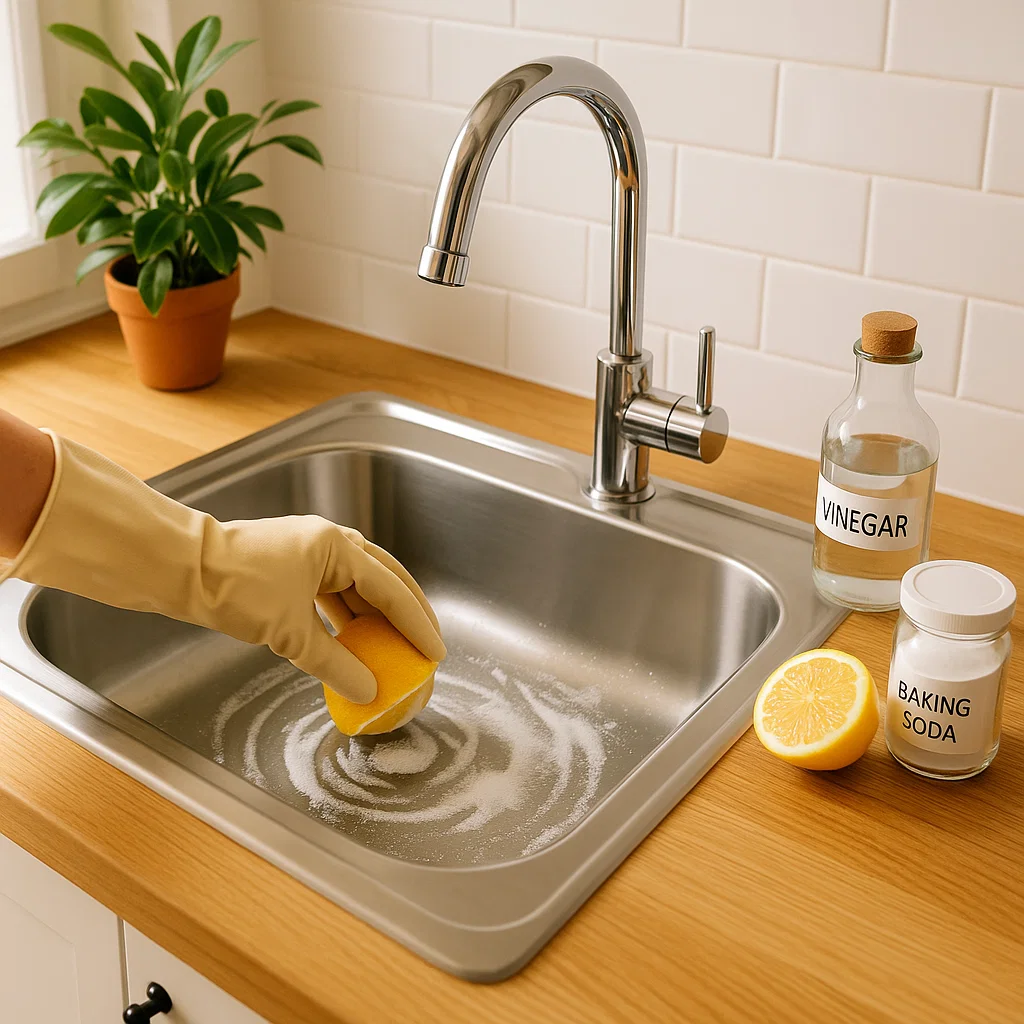
- For stubborn residue, mix baking soda with water and scrub gently.
- Avoid using vinegar on natural stone like marble or granite to prevent damage.
- Dry the surface with a clean towel to stop water spots.
Addressing Lingering Odors
Vinegar smell can stay on countertops after cleaning. This may bother some people but it fades fast with air circulation.
| Method | Description |
| Open windows | Let fresh air flow to remove vinegar smell quickly. |
| Lemon rinse | Wipe surfaces with lemon juice to neutralize odors. |
| Baking soda | Sprinkle on surface, leave 10 minutes, then wipe off. |
| Use fans | Increase air movement to speed up drying and odor removal. |
Credit: www.luminalife.ca
Frequently Asked Questions
Can Vinegar Damage Kitchen Countertops?
Vinegar is acidic and can damage natural stone countertops like granite or marble. Avoid vinegar on these surfaces. It’s safe for laminate, tile, and sealed countertops. Always do a spot test before full application to ensure no damage or discoloration occurs.
How To Mix Vinegar For Cleaning Countertops?
Use a mixture of equal parts water and white vinegar for cleaning. This dilution effectively removes grime and kills bacteria. Avoid using undiluted vinegar as it can be too strong and might damage some surfaces.
Is Vinegar Effective Against Kitchen Germs?
Yes, vinegar has natural antibacterial properties that help reduce kitchen germs. It can kill many types of bacteria and viruses. However, it’s not a registered disinfectant, so use it alongside other cleaning methods for thorough sanitation.
How Often Should I Clean Countertops With Vinegar?
Clean countertops with vinegar once or twice a week for regular maintenance. For tougher stains, you can clean more frequently. Overuse on sensitive surfaces can cause damage, so always use vinegar cautiously.
Conclusion
Vinegar cleans kitchen countertops quickly and safely. It removes dirt, grease, and germs without harsh chemicals. Use it regularly to keep surfaces fresh and shiny. Always test vinegar on small areas first. Avoid using it on stone countertops to prevent damage.
Cleaning with vinegar saves money and protects your family. Simple steps make your kitchen healthier and cleaner. Give vinegar a try for a sparkling kitchen today.