
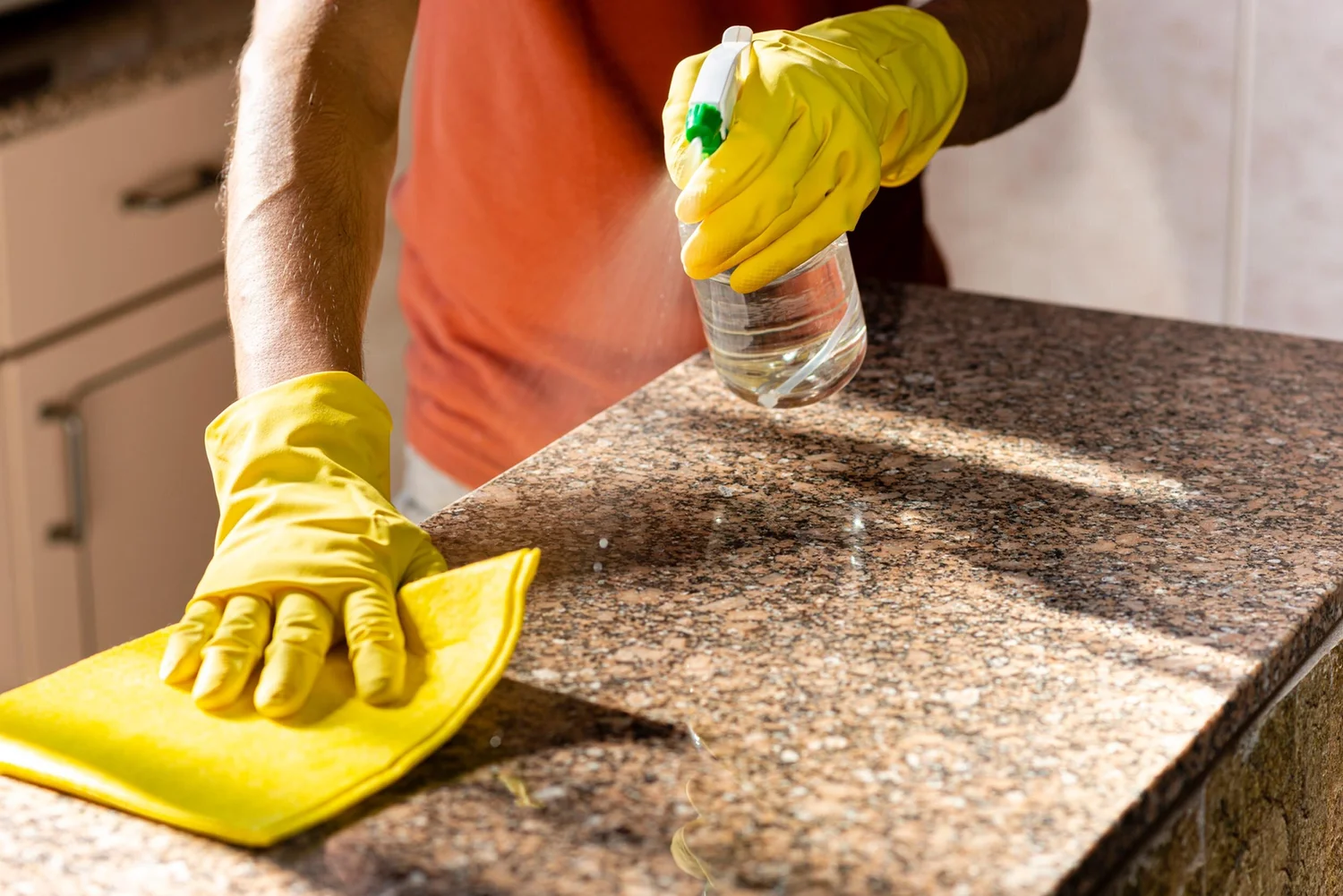
Your kitchen countertop is one of the busiest spots in your home. It’s where you prepare meals, place groceries, and sometimes even eat.
Keeping it clean is not just about looks—it’s about your health too. But harsh chemicals can leave behind unwanted residues and strong smells. What if you could clean your countertops thoroughly using natural ingredients you already have at home? You’ll discover simple, effective ways to make your kitchen shine without any toxins.
Ready to transform your cleaning routine and protect your family? Let’s dive in!

Credit: www.express.co.uk
Types Of Countertop Materials
Kitchen countertops come in many materials. Each type needs different care. Cleaning naturally keeps surfaces safe and fresh.
Learn how to clean common countertop materials using natural methods. This helps protect your kitchen and the environment.
Granite Surfaces
Granite is strong and shiny. Use a mix of warm water and mild soap to clean it. Avoid acidic cleaners that can dull the surface.
Marble Tops
Marble is soft and can stain easily. Wipe spills quickly with a soft cloth. Use baking soda and water paste for stains. Do not scrub hard.
Quartz Counters
Quartz is non-porous and easy to clean. Use warm water and gentle dish soap daily. Avoid bleach or strong chemicals to keep it bright.
Wooden Surfaces
Wood needs gentle care. Clean with a mix of vinegar and water. Dry the surface well. Oil it regularly to stop cracking and keep it smooth.
- Use mild natural soap for daily cleaning.
- Apply mineral oil once a month.
- Wipe spills immediately to avoid stains.
Laminate And Formica
Laminate and Formica are affordable and come in many colors. Clean with warm water and mild detergent. Avoid abrasive pads that can scratch.
| Do | Don’t |
|---|---|
| Use soft cloth or sponge | Use steel wool or scrub brushes |
| Clean spills quickly | Leave water standing |
| Use vinegar-water mix for stains | Use bleach or harsh chemicals |

Credit: www.fynesdesigns.com
Essential Natural Cleaning Ingredients
Cleaning kitchen countertops naturally is safe and effective. You can use simple ingredients found at home.
These natural products help remove dirt, grease, and germs without harsh chemicals.
Vinegar
Vinegar is a natural disinfectant and deodorizer. It dissolves mineral deposits and cuts grease well.
Use diluted vinegar to clean countertops, but avoid it on stone surfaces like marble or granite.
Baking Soda
Baking soda acts as a gentle scrub. It removes stains and neutralizes odors without scratching surfaces.
- Sprinkle baking soda on the countertop
- Spray with water or vinegar
- Scrub gently with a soft cloth
- Rinse and dry the surface
Lemon Juice
Lemon juice has natural acidity that breaks down grease and leaves a fresh scent. It also brightens surfaces.
| Use | Effect |
| Mix with water | All-purpose cleaner |
| Rub lemon slice | Remove stains and odors |
| Combine with baking soda | Scrub tough spots |
Essential Oils
Essential oils add natural fragrance and extra cleaning power. Tea tree and lavender oils kill bacteria.
Try this mix:
- 1 cup water
- 1 cup vinegar
- 10 drops tea tree oil
- 10 drops lemon oil
Shake well and spray on countertops.
Castile Soap
Castile soap is a gentle, plant-based cleaner. It removes grease and dirt without harmful chemicals.
Mix a few drops with warm water to clean countertops with a soft cloth or sponge.
Cleaning Granite Countertops
Granite countertops add beauty to any kitchen. They need proper care to stay shiny and strong.
Cleaning granite the right way keeps it safe from damage and stains. Natural cleaning is best.
Avoiding Acidic Cleaners
Avoid cleaners with vinegar, lemon, or other acids. They can dull or etch granite surfaces.
Use mild soap and water or special granite cleaners. These keep your countertop safe and clean.
- Do not use vinegar or lemon juice
- Avoid ammonia and bleach
- Choose pH-neutral or granite-specific cleaners
Gentle Scrubbing Techniques
Use a soft cloth or sponge to clean granite. Harsh scrubbing can scratch the surface.
For stuck-on dirt, soak the area with warm soapy water. Then gently scrub in circles.
- Use microfiber cloths or soft sponges
- Do not use steel wool or rough brushes
- Apply light pressure while scrubbing
- Rinse with clean water and dry with a soft towel
Maintaining Marble Surfaces
Marble countertops add beauty to any kitchen. They need gentle care to keep their shine.
Cleaning marble naturally protects the stone and keeps it looking fresh.
Dealing With Stains
Stains on marble can be tough but should not be scrubbed hard. Use soft cloths and natural products.
A paste made from baking soda and water works well to lift stains. Apply it gently and let it sit for 24 hours.
- Mix baking soda and water to form a thick paste
- Spread the paste on the stained area
- Cover with plastic wrap and tape the edges
- Let it sit for 24 hours
- Wipe off with a damp soft cloth
Using Ph-neutral Solutions
Marble reacts to acids and bases. Use pH-neutral cleaners to avoid damage.
Mix mild dish soap with warm water for a safe cleaning solution. Avoid vinegar or lemon-based products.
- Use a soft sponge or cloth
- Dab or wipe gently without scrubbing
- Rinse with clean water
- Dry with a soft towel to prevent water spots
Caring For Quartz Counters
Quartz countertops are popular for their beauty and strength. They need gentle care to stay shiny and last long.
Cleaning quartz properly helps keep its surface smooth and free from damage. Avoid harsh methods that can harm the stone.
Non-abrasive Cleaning Methods
Use soft cloths or sponges with mild soap and warm water. Avoid scrubbing pads that scratch quartz surfaces.
- Mix a few drops of dish soap with warm water
- Wipe counters gently with a soft cloth
- Rinse with clean water to remove soap residue
- Dry with a microfiber towel to avoid streaks
- Use glass cleaner for extra shine, if needed
Preventing Heat Damage
Quartz can crack or discolor if exposed to high heat. Always protect your counters from hot pots and pans.
| Heat Source | Protection Needed |
| Hot pots and pans | Use trivets or heat pads |
| Electric kettles | Place on a heat-resistant mat |
| Toasters and ovens | Keep at least 1 inch away from quartz |
| Microwaves | Do not place directly on counters |
Preserving Wooden Countertops
Wooden countertops add warmth and beauty to kitchens. They need care to stay strong and look good. Cleaning them naturally helps protect the wood from damage.
Using the right methods keeps the wood safe from water and wear. This guide focuses on two key ways to care for wooden countertops.
Moisture Control
Wood can swell or crack if it gets too wet or dry. Controlling moisture helps keep the wood stable and lasts longer.
- Wipe spills immediately with a dry cloth.
- Use a damp cloth for daily cleaning, not soaking wet.
- Avoid placing hot pots or pans directly on the wood.
- Keep wooden countertops away from sinks or water sources if possible.
- Use cutting boards to protect the surface from scratches and moisture.
Oil And Wax Treatments
Oiling and waxing wooden countertops nourish the wood. These treatments form a protective layer that repels water and dirt.
| Treatment Type | Purpose | How Often |
|---|---|---|
| Mineral Oil | Penetrates wood and prevents drying | Every 1–2 months |
| Beeswax | Adds a protective surface shine | Every 3–6 months |
| Food-Safe Oil Blend | Protects and enhances wood grain | Every 1–2 months |
Cleaning Laminate And Formica
Laminate and Formica countertops look good but need gentle care. Natural cleaning keeps them bright without harm.
Use simple ingredients from your kitchen to clean these surfaces well. Avoid harsh chemicals that can damage the finish.
Streak-free Techniques
To get a streak-free shine, use a soft cloth and natural cleaners. Vinegar and water mix works great and cleans well.
- Mix equal parts white vinegar and water in a spray bottle.
- Spray lightly on the countertop surface.
- Wipe with a microfiber cloth in a circular motion.
- Dry the surface with a clean, dry cloth to remove streaks.
Avoiding Scratches
Protect your countertops by avoiding sharp tools and rough scrubbers. Use soft materials and gentle cleaning methods.
| Do | Don’t |
| Use soft cloths or sponges | Use steel wool or abrasive pads |
| Clean spills quickly | Let stains sit for long |
| Use cutting boards | Cut directly on countertops |
| Use mild soap or vinegar solution | Use harsh chemicals or bleach |
Diy Natural Cleaning Solutions
Cleaning kitchen countertops naturally keeps your home safe and fresh. You can use simple ingredients found in your kitchen. These solutions clean well without harsh chemicals.
Try these recipes and blends to clean different surfaces. They are easy to make and safe for daily use.
All-purpose Cleaner Recipe
This all-purpose cleaner works on most kitchen countertops. It removes dirt, grease, and stains naturally.
- Mix 1 cup white vinegar with 1 cup water in a spray bottle.
- Add 10 drops of lemon essential oil for a fresh scent.
- Shake well before each use.
- Spray on countertops and wipe with a clean cloth.
- Test on a small area first to avoid damage on sensitive surfaces.
Surface-specific Blends
Different countertop materials need special care. Use these blends to protect your surfaces and keep them clean.
| Surface | Ingredients | Instructions |
|---|---|---|
| Granite | 1 cup water, ¼ cup rubbing alcohol, 1 tsp liquid castile soap | Mix ingredients and spray. Wipe with soft cloth. |
| Marble | ½ cup water, ½ cup rubbing alcohol, 1 tsp mild dish soap | Mix gently. Spray and wipe carefully. Avoid acidic cleaners. |
| Wood | 1 cup warm water, 2 tbsp olive oil, 2 tbsp white vinegar | Mix well. Apply with soft cloth. Buff to shine. |
Preventive Maintenance Tips
Keeping your kitchen countertops clean is important. Using natural methods helps protect surfaces and the environment.
Preventive care stops stains and damage. Follow simple tips to keep countertops looking fresh and new.
Regular Cleaning Routine
Wipe your countertops daily with a soft cloth. Use warm water and natural soap to remove dirt and spills.
Clean up spills quickly to avoid stains. Avoid harsh chemicals that can harm the surface.
- Use a soft sponge or cloth
- Mix warm water with mild soap
- Dry with a clean towel after washing
- Clean spills as soon as they happen
Avoiding Direct Sunlight
Sunlight can fade and weaken countertops over time. Keep kitchen surfaces away from direct sun rays.
Use curtains or blinds to block sunlight. This helps keep your countertops strong and their colors bright.
- Close curtains during peak sunlight
- Use window films to reduce UV rays
- Move items that reflect sunlight away
Using Protective Mats And Trivets
Always place mats or trivets under hot pots and pans. This stops heat damage and burns on countertops.
Protective mats also guard against scratches from heavy or sharp items. Use them to extend your countertop’s life.
- Use heat-resistant trivets under hot cookware
- Place mats under cutting boards
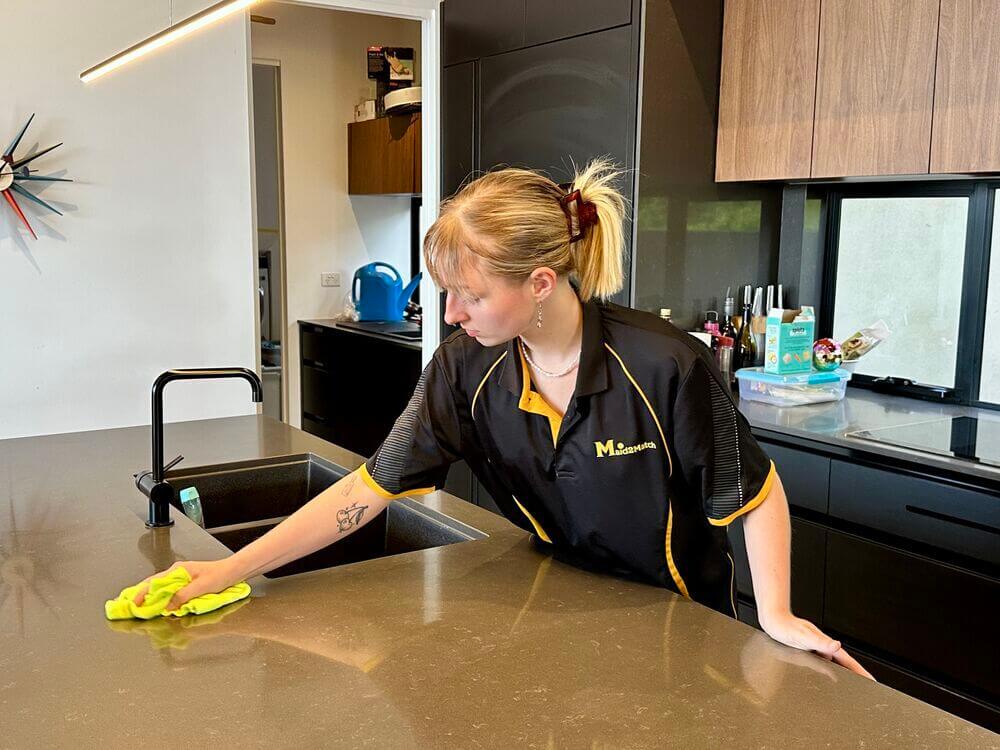
- Avoid dragging heavy items directly on surfaces
Credit: www.maid2match.com.au
Frequently Asked Questions
What Natural Ingredients Clean Kitchen Countertops Effectively?
Common natural cleaners include vinegar, baking soda, lemon juice, and olive oil. They remove stains, grease, and bacteria safely. These ingredients are eco-friendly, non-toxic, and affordable. Mix and apply based on your countertop type for the best results. Always test in a small area first.
How To Clean Granite Countertops Naturally Without Damage?
Use a mixture of mild dish soap and warm water for granite. Avoid acidic cleaners like vinegar or lemon juice to prevent etching. Wipe gently with a soft cloth and dry immediately. Regular sealing helps maintain shine and protects against stains.
Can Baking Soda Remove Tough Stains On Countertops?
Yes, baking soda acts as a gentle abrasive and deodorizer. Make a paste with water, apply on stains, and let it sit 10-15 minutes. Scrub lightly with a sponge, then rinse thoroughly. It works well on most countertop materials without causing scratches.
Is Vinegar Safe For Natural Stone Countertops?
No, vinegar is acidic and can damage natural stones like marble and granite. It can dull the surface and cause etching. Instead, use pH-neutral cleaners or mild soap with water for these surfaces to keep them safe and shiny.
Conclusion
Cleaning kitchen countertops naturally keeps your space fresh and safe. Simple ingredients like vinegar and baking soda work well. These methods avoid harsh chemicals and protect your surfaces. Regular cleaning helps stop germs and stains from building up. It also saves money on expensive cleaners.
Try these easy steps to keep your kitchen healthy and bright. Natural cleaning feels good and is easy to do. Give it a try and enjoy a cleaner kitchen every day.