
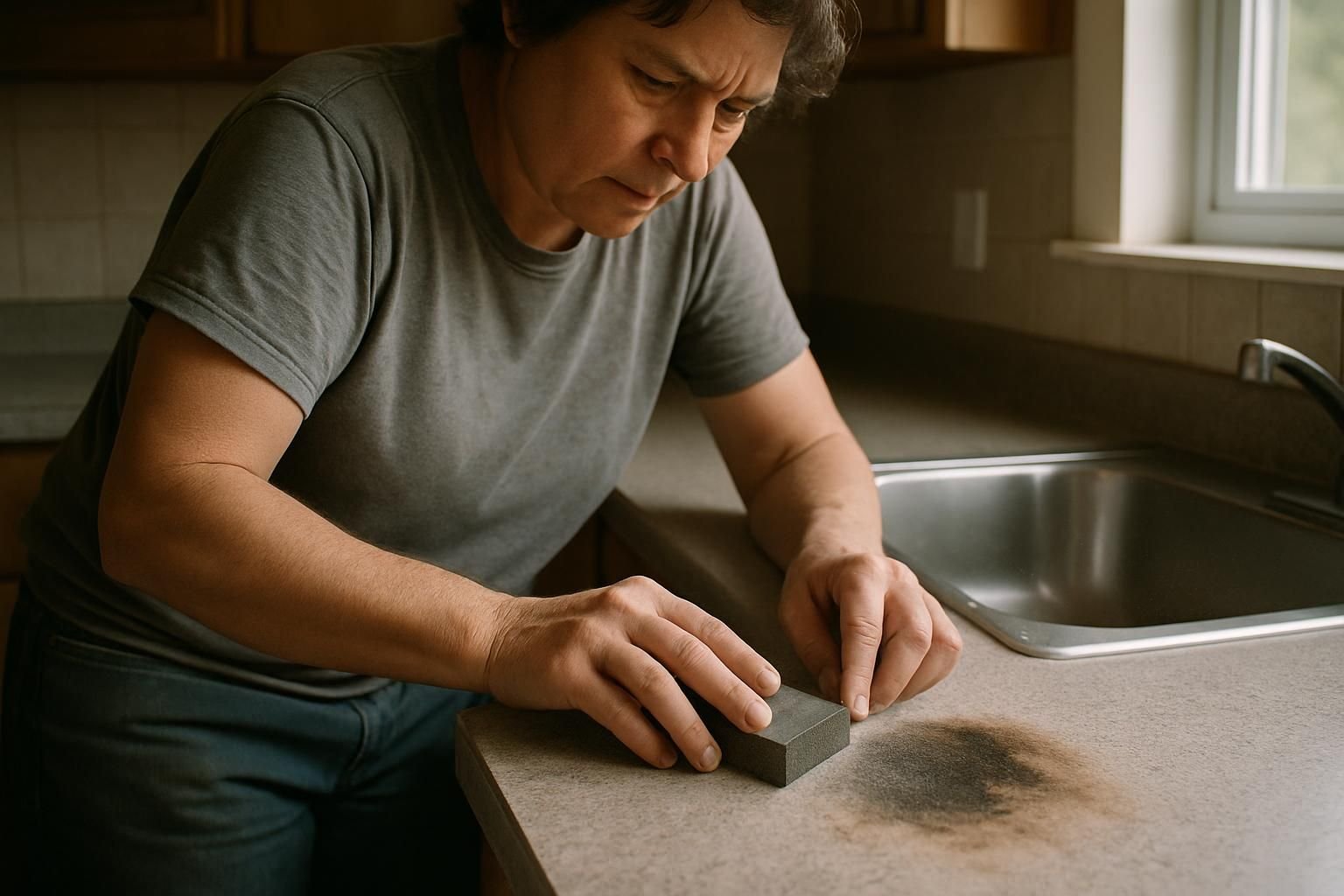
Your kitchen counters are the heart of your cooking space, but they can quickly become a hotspot for germs, stains, and clutter. If you want to keep your kitchen not just looking fresh but truly clean and safe, knowing how to clean kitchen counters thoroughly is a must.
Imagine preparing meals on a spotless surface that shines and feels hygienic every time you touch it. You’ll discover simple, effective steps to deep clean your counters, removing dirt and bacteria you might not even see. Ready to transform your kitchen and protect your family’s health?
Let’s dive into the easy methods that will make your counters sparkle like new.
Choosing The Right Cleaning Supplies
Cleaning kitchen counters well needs the right supplies. Using proper tools makes cleaning easier and more effective.
Selecting safe and suitable cleaning products helps protect your counters and your health.
Essential Tools For Counter Cleaning
Good tools help you clean kitchen counters faster and better. You need items that remove dirt without damage.
- Soft microfiber cloths to avoid scratches
- Non-abrasive sponges for gentle scrubbing
- Spray bottles for easy product use
- Scrapers for stuck-on food or stains
- Disposable paper towels for quick drying
Eco-friendly Cleaning Products
Eco-friendly cleaners reduce harmful chemicals in your home. They keep your kitchen safe for family and pets.
Look for products that are biodegradable and free of harsh ingredients. These protect your counters and the environment.
- Plant-based surface cleaners
- Natural disinfectants like vinegar or alcohol
- Fragrance-free or lightly scented options
- Products with recyclable packaging
Diy Cleaning Solutions
You can make your own cleaning solutions at home. They are safe, cheap, and use simple ingredients.
Common DIY cleaners work well on many types of kitchen counters without causing damage.
- Mix equal parts water and white vinegar in a spray bottle
- Use baking soda paste to scrub tough stains
- Add a few drops of lemon juice for fresh scent
- Combine castile soap with water for gentle cleaning

Credit: www.fynesdesigns.com
Preparing The Countertops
Cleaning kitchen counters well starts with good preparation. You need to clear and organize the space first. This makes cleaning easier and more effective.
Taking time to prepare your countertops saves effort later. It also helps protect your counters from damage during cleaning.
Clearing The Surface
Remove all items from the countertop. This includes small appliances, dishes, and any clutter. A clear surface lets you clean every spot well.
- Take away food containers and plates
- Unplug and move small appliances
- Clear out crumbs and spills
- Put away any trash or recyclables
- Set aside cleaning supplies you will need
Organizing Countertop Items
Sort the items you removed from the counters. Decide what to keep, store, or throw away. Organizing helps reduce clutter in the future.
| Item | Action | Reason |
| Spices | Group in a rack | Easy to find and keeps counters neat |
| Cleaning supplies | Store under sink | Free counter space and keep chemicals safe |
| Small appliances | Keep only daily-use items on counters | Less clutter and easier cleaning |
| Cookbooks | Place on a shelf | Protect from spills and reduce mess |
Cleaning Different Countertop Materials
Kitchen counters need regular cleaning to stay safe and nice. Different materials require different care to avoid damage.
This guide explains how to clean common countertop types. Follow the tips for the best results.
Granite Countertops
Granite is a hard natural stone. Clean it with warm water and mild soap. Avoid acidic cleaners like vinegar. Dry the surface with a soft cloth to prevent water marks.
Marble Countertops
Marble is softer than granite. Use a pH-neutral cleaner and soft cloth. Wipe up spills quickly to avoid stains. Avoid abrasive scrubbers that can scratch the surface.
Laminate Surfaces
Laminate counters are easy to clean but can be damaged by heat and harsh chemicals. Use warm water and mild dish soap. Rinse and dry well after cleaning.
- Use a soft sponge for cleaning
- Avoid bleach and strong acids
- Do not use sharp objects to scrape
- Dry the surface to prevent swelling
Wooden Countertops
Wood counters need gentle care. Clean with mild soap and water. Do not soak the wood. Wipe dry immediately. Apply mineral oil regularly to keep wood sealed.
Stainless Steel Surfaces
Stainless steel resists stains but shows fingerprints. Clean with warm water and dish soap. Use a soft cloth to wipe in the grain direction. Avoid steel wool that can scratch.
| Cleaning Tip | Do’s | Don’ts |
| Granite | Use mild soap, dry after cleaning | Avoid vinegar, acidic cleaners |
| Marble | Use pH-neutral cleaner, wipe spills fast | Don’t use abrasive scrubbers |
| Laminate | Use soft sponge, mild soap | Avoid bleach, sharp scrapers |
| Wood | Wipe dry, apply mineral oil | Don’t soak wood |
| Stainless Steel | Wipe with soft cloth, follow grain | Avoid steel wool |
Tackling Stubborn Stains
Kitchen counters often get stained by food, drinks, and other substances. Some stains can be hard to remove.
Knowing the type of stain helps you choose the right cleaning method. This guide shows you how to identify and clean tough stains safely.
Identifying Common Stains
Different stains need different cleaning methods. Here are common stains found on kitchen counters:
- Grease:Oily spots from cooking oils or butter.
- Food stains:Marks from sauces, coffee, or wine.
- Water spots:Rings or marks from water or cleaning sprays.
- Ink or dye:Marks from pens or colored liquids.
- Rust:Orange or brown spots from metal contact.
Safe Stain Removal Techniques
Use the right cleaner to protect your counters and remove stains well. Some cleaners can damage surfaces.
| Stain Type | Cleaning Method | Precautions |
|---|---|---|
| Grease | Use dish soap and warm water. Rub gently with a cloth. | Avoid harsh scrubbing to protect the surface. |
| Food stains | Mix baking soda with water to form a paste. Apply and let sit 5 minutes. | Test paste on a small area first. |
| Water spots | Wipe with vinegar diluted in water (1:1). Dry with a soft cloth. | Do not use vinegar on natural stone counters. |
| Ink or dye | Apply rubbing alcohol on a cotton ball. Dab gently. | Use sparingly and rinse well after. |
| Rust | Use a commercial rust remover suitable for your counter type. | Follow product instructions carefully. |
Disinfecting Countertops
Keeping kitchen counters clean is important for health and safety. Disinfecting kills germs and prevents illness.
Use proper techniques to disinfect surfaces without damaging them. This helps maintain a safe cooking space.
Effective Disinfecting Methods
Clean counters first with soap and water to remove dirt. Disinfect after cleaning to kill germs well.
Use disinfectants like diluted bleach or alcohol solutions for strong cleaning. Let them sit for a few minutes.
- Dilute bleach: 1 tablespoon bleach per 1 quart water
- Use 70% isopropyl alcohol to wipe surfaces
- Apply disinfectant and wait 5 minutes before wiping
- Rinse with clean water if needed
Avoiding Harsh Chemicals
Harsh chemicals can damage some countertop materials. Choose gentle cleaners to protect your surfaces.
Natural options like vinegar or baking soda work well for light cleaning. Avoid using them on stone counters.
- Use mild dish soap and warm water regularly
- Try a mix of water and white vinegar for disinfecting
- Test cleaners on a small area first
- Do not use abrasive scrubbers that scratch surfaces
Maintaining Clean Countertops
Clean kitchen counters help keep your kitchen safe and healthy. Dirt and germs can spread quickly on dirty surfaces.
Regular cleaning stops bacteria growth and keeps your counters looking fresh. You can keep them clean with simple habits.
Daily Cleaning Habits
Wipe your counters every day to remove spills and crumbs. Use a gentle cleaner that suits your countertop type.
Clean areas where you prepare food before and after use. This reduces the risk of cross-contamination.
- Use a soft cloth or sponge to wipe surfaces
- Clean up spills immediately to avoid stains
- Use mild soap or kitchen cleaner safe for your countertop
- Dry counters with a clean towel to prevent water marks
Weekly Deep Cleaning Routine
Once a week, do a deep clean to remove built-up grime and germs. This keeps counters hygienic and bright.
Use natural cleaners or special products made for your countertop material. Follow instructions carefully to avoid damage.
- Clear all items from counters
- Spray cleaner and let it sit for a few minutes
- Scrub gently with a non-abrasive pad
- Rinse with clean water and dry well
- Check for stains or scratches and treat if needed
Organizational Tips For A Clutter-free Counter
Keeping kitchen counters clean helps maintain a neat and safe cooking space. Clutter makes cleaning harder and slows down meal prep.
Organizing your counters with smart storage and fewer items makes cleaning fast and easy. This guide shares simple tips.
Efficient Storage Solutions
Use storage that fits your kitchen size and style. Good storage keeps items off counters but within reach.
- Install wall shelves for spices and small tools
- Use drawer dividers to organize utensils
- Place frequently used items in labeled containers
- Store appliances you rarely use in cabinets or pantry
- Keep countertops clear by hanging mugs or pots
Minimalist Approach To Countertop Items
Limit the number of items on counters to those you use every day. This approach creates a clean and open space.
| Item Type | Keep on Counter | Store Away |
| Coffee Maker | Yes | No |
| Toaster | Yes | No |
| Blender | Optional | Yes |
| Extra Plates | No | Yes |
| Cooking Utensils | Yes | No |
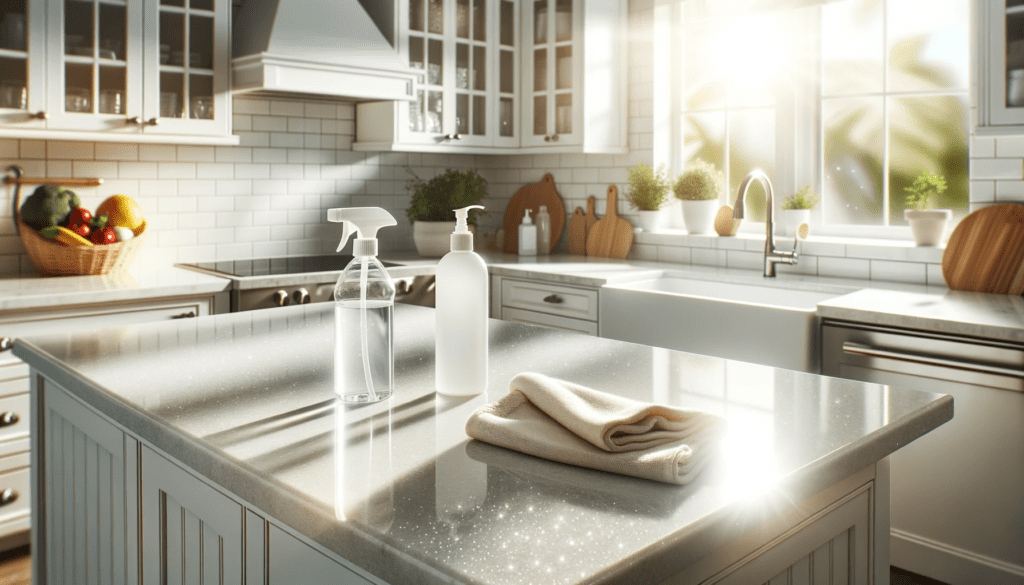
Credit: lakesidesurfaces.com
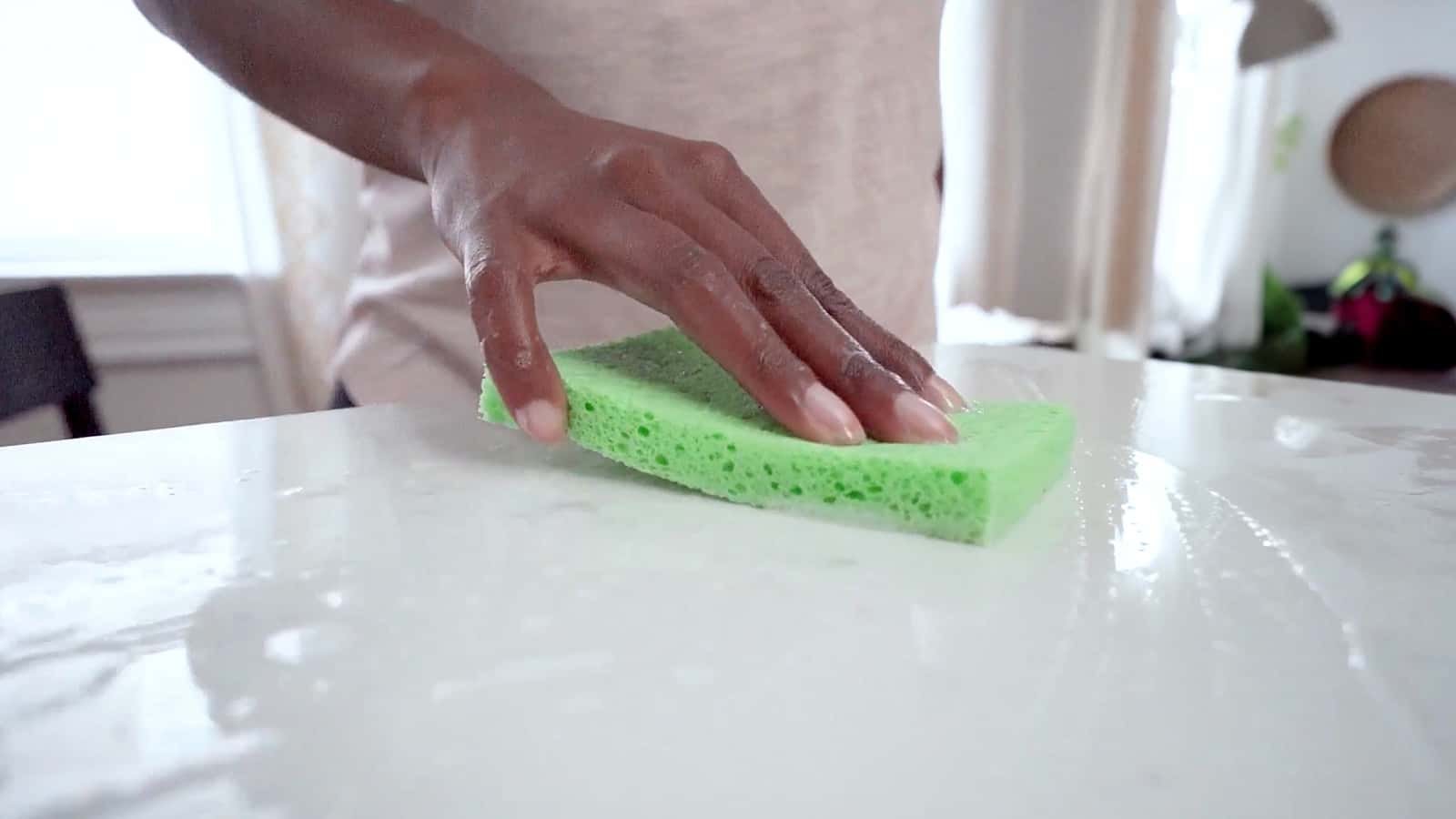
Credit: www.pinesol.com
Frequently Asked Questions
How Often Should I Clean Kitchen Counters Thoroughly?
You should clean kitchen counters daily to remove dirt and bacteria. Deep cleaning once a week ensures thorough sanitation and prevents buildup of grime, keeping your kitchen safe and hygienic.
What Is The Best Cleaner For Kitchen Counters?
A mild detergent mixed with warm water works well for most counters. For tougher stains, use a non-abrasive cleaner or a vinegar and water solution. Avoid harsh chemicals to protect surfaces.
How Do I Disinfect Kitchen Counters Properly?
After cleaning, apply a disinfectant spray or wipe with a bleach solution. Let it sit for a few minutes to kill germs. Rinse with water and dry with a clean cloth to prevent residue.
Can Natural Products Clean Kitchen Counters Effectively?
Yes, natural products like vinegar, baking soda, and lemon juice clean counters well. They remove stains and disinfect without harsh chemicals. Always test on a small area first to avoid damage.
Conclusion
Keeping kitchen counters clean helps maintain a healthy home. Use gentle cleaners and soft cloths to avoid damage. Regular wiping stops dirt and germs from building up. Pay attention to corners and edges for full cleanliness. Clean counters make cooking safer and more enjoyable.
Small daily efforts bring big results over time. A tidy kitchen feels fresh and inviting every day. Simple habits keep your counters looking their best. Start today and enjoy a cleaner kitchen space.