
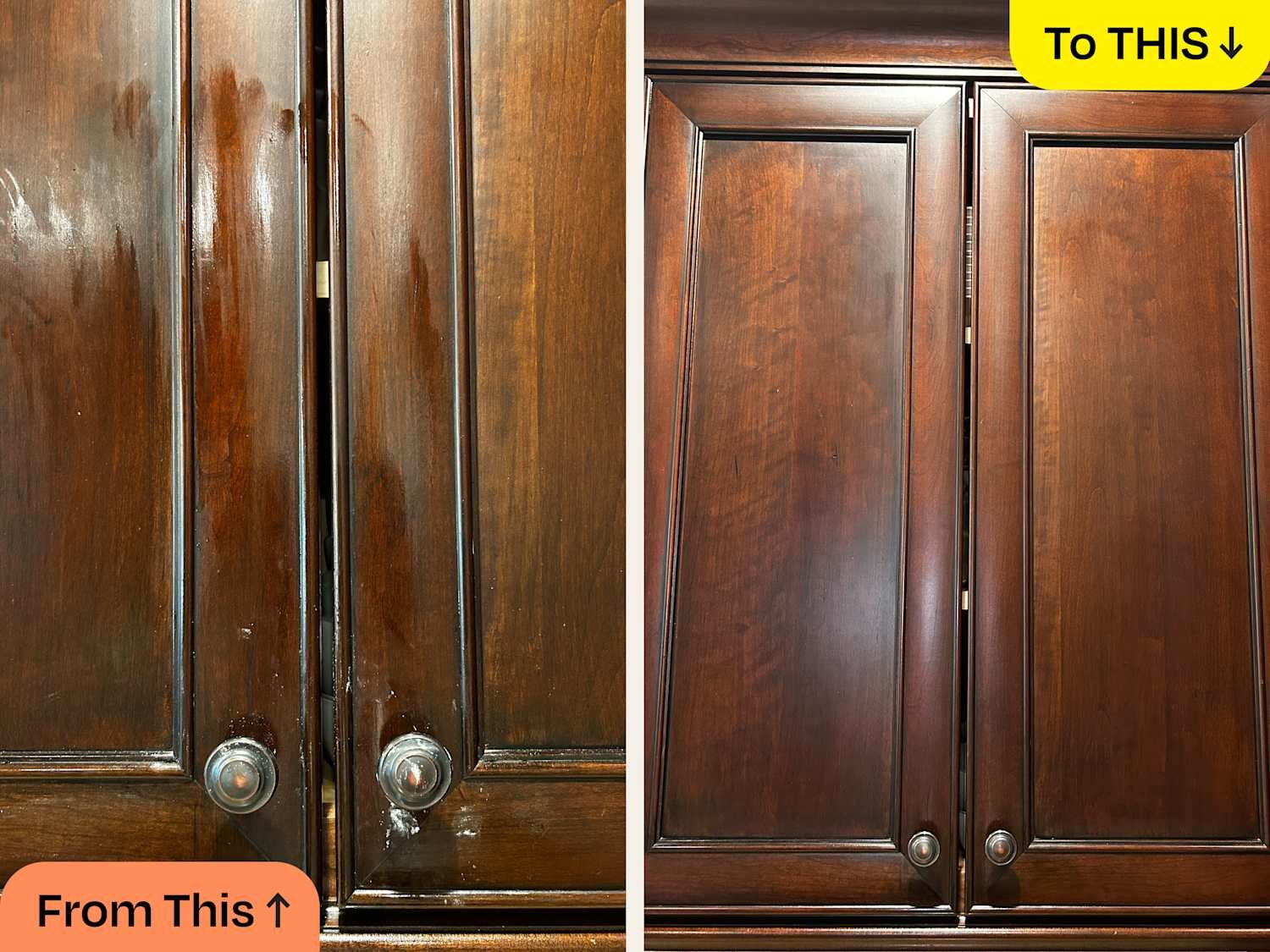
Are your kitchen cabinets looking dull or sticky? Cleaning them might seem like a big chore, but with the right steps, you can make them shine like new.
Imagine opening your cabinets and feeling proud of how fresh and spotless they are. In this guide, you’ll discover simple and effective ways to clean your kitchen cabinets without wasting time or harsh chemicals. Ready to transform your kitchen and enjoy a cleaner, brighter space?
Let’s dive in and get those cabinets sparkling!
Choosing The Right Cleaning Supplies
Cleaning kitchen cabinets needs the right supplies for the best results. Using the wrong products can damage the cabinet surfaces.
Choose supplies that clean well but are gentle on your cabinets. This helps keep them looking new longer.
Mild Dish Soap And Water
Mild dish soap mixed with warm water is safe for most cabinet finishes. It removes grease and dirt without harsh chemicals.
Use a soft cloth or sponge to clean the cabinets. Avoid soaking the wood to prevent damage.
White Vinegar Solution
White vinegar mixed with water makes a natural cleaner. It helps break down grease and grime on cabinets.
Use this solution in small amounts and test it on a hidden spot first. Vinegar is acidic and can affect some finishes.
Microfiber Cloths
Microfiber cloths clean effectively without scratching surfaces. They trap dust and dirt well.
Use dry microfiber cloths for dusting. Use damp ones for wiping down cabinets after applying cleaner.
Avoid Harsh Chemicals
Stay away from bleach, ammonia, and abrasive cleaners. These can damage cabinet finishes and cause discoloration.
Choose gentle, non-toxic products made for wood or laminate surfaces. Read labels carefully before use.
Soft-bristled Brushes
Soft-bristled brushes help clean corners and grooves in cabinet designs. They reach places cloths cannot.
Use brushes gently to avoid scratching. They work well with soap or vinegar solutions for deep cleaning.

Credit: 417forged.com
Preparing Cabinets For Cleaning
Cleaning kitchen cabinets is easier when you prepare them first. This helps you clean every corner well. It also protects your items and hardware from damage.
Start by clearing out the cabinet contents and then remove any hardware. These steps let you clean deeply and safely.
Emptying Contents
Take out all the items from your cabinets before cleaning. This prevents spills and gives you full access to the cabinet surfaces.
- Remove dishes, food, and small appliances.
- Place fragile items carefully on a counter or table.
- Check expiration dates on food items and throw away old ones.
- Group similar items together for easier organizing later.
- Wipe spills or crumbs inside the cabinet before cleaning.
Removing Hardware
Take off cabinet handles, knobs, and hinges if possible. This lets you clean every part of the cabinet without missing spots.
| Hardware Type | Tools Needed | Cleaning Tips |
| Handles and Knobs | Screwdriver | Soak in warm, soapy water to remove grease. |
| Hinges | Screwdriver or drill | Wipe gently with a damp cloth after removal. |
Daily Maintenance Tips
Keeping kitchen cabinets clean every day helps them last longer. Small habits prevent dirt buildup and stains.
Daily care is simple and only takes a few minutes. It keeps your kitchen looking fresh and neat.
Wiping Down Surfaces
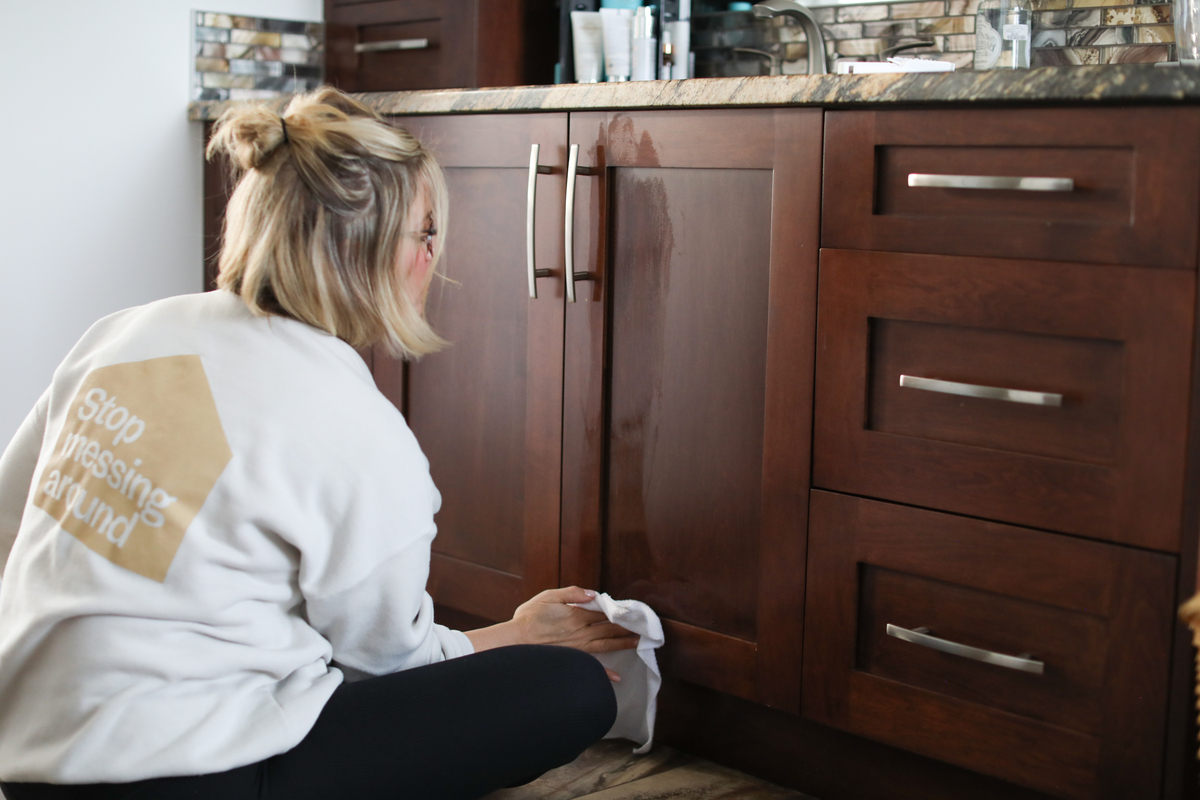
Use a soft cloth to wipe cabinet surfaces daily. This removes dust and light grease before it hardens.
Choose a mild cleaner or just water to avoid damage. Wipe gently to protect the cabinet finish.
- Use microfiber or soft cotton cloths
- Spray cleaner on cloth, not directly on cabinets
- Wipe in the direction of the wood grain
- Dry surfaces after wiping to prevent moisture damage
Handling Spills Quickly
Clean spills as soon as they happen. This stops stains and sticky spots from forming on cabinets.
Use a damp cloth to blot spills right away. Avoid rubbing hard to prevent spreading the mess.
- Keep a cloth or paper towel nearby for quick cleanup
- Use warm water for greasy spills
- For sticky spills, add a drop of mild soap to water
- Dry the area completely after cleaning
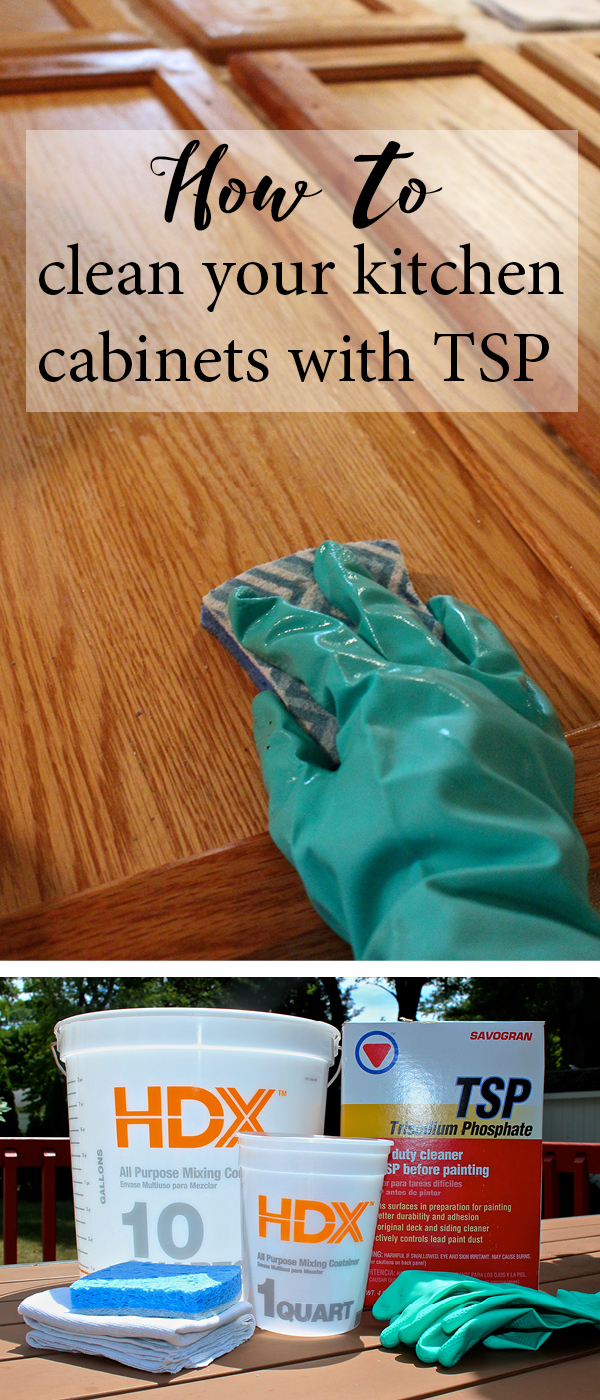
Credit: weekendcraft.com
Deep Cleaning Techniques
Cleaning kitchen cabinets deeply helps keep them looking fresh and lasts longer. Dirt and grease build up inside and outside cabinets.
Using the right cleaning methods removes tough stains and protects cabinet surfaces from damage.
Using Homemade Solutions
Homemade solutions are easy to make with common household ingredients. They clean cabinets gently and safely.
Mixing vinegar and water removes grease and grime without harsh chemicals. Baking soda helps scrub stuck-on dirt.
- Mix equal parts white vinegar and warm water in a spray bottle.
- Sprinkle baking soda on a damp sponge for scrubbing.
- Use a soft cloth to wipe cabinets after cleaning.
- Dry cabinets fully to avoid water damage.
Commercial Cleaners
Commercial cleaners are made to break down tough grease and stains quickly. Choose one safe for your cabinet finish.
Always follow the instructions on the label. Test a small hidden area before full use to avoid damage.
- Use degreaser sprays for heavy oil build-up.
- Apply cleaner with a soft cloth or sponge.
- Rinse with clean water to remove residue.
- Dry cabinets with a dry towel to prevent streaks.
Handling Grease And Grime
Kitchen cabinets often get covered with grease and grime from cooking. Cleaning them regularly keeps your kitchen fresh and bright.
Using the right cleaners helps remove tough stains without damaging the cabinet surface.
Effective Degreasers
Effective degreasers break down grease quickly and make cleaning easier. Many store-bought degreasers work well on kitchen cabinets.
Look for degreasers that are safe for wood or laminate surfaces. Avoid harsh chemicals that can strip the finish.
- Use a spray degreaser on greasy spots
- Let it sit for a few minutes before wiping
- Wipe with a damp cloth to remove residue
- Dry the surface to prevent water damage
Natural Alternatives
Natural cleaners are gentle and safe for most cabinet finishes. They can remove grease without using chemicals.
Common natural alternatives include vinegar, baking soda, and lemon juice. These items help break down grease and freshen cabinets.
- Mix equal parts white vinegar and water in a spray bottle
- Sprinkle baking soda on a damp sponge for scrubbing
- Use lemon juice to cut through greasy spots
- Rinse with water and dry with a soft cloth
Polishing And Finishing Touches
Cleaning kitchen cabinets is not complete without polishing. Polishing protects the surface and keeps cabinets looking fresh. Finishing touches add a nice shine and help cabinets last longer.
Use the right polish and buffing techniques to get the best results. This guide explains how to polish and add the finishing touches to your kitchen cabinets.
Choosing The Right Polish
Pick a polish made for your cabinet material. Wood cabinets need wood polish. Laminate or painted cabinets need a different type of cleaner or polish.
Check the label to avoid harsh chemicals. Test the polish on a small hidden area first. This helps avoid damage or discoloration.
- Use oil-based polish for wood cabinets
- Choose water-based polish for painted surfaces
- Avoid silicone polishes that can build up
- Pick polish with natural ingredients if possible
Buffing For A Shine
Buffing removes excess polish and adds shine. Use a clean, soft cloth for buffing. Microfiber cloths work well to avoid scratches.
Work in small sections. Rub gently in a circular motion until the surface glows. This helps polish absorb and leaves a smooth finish.
- Use a dry cloth after polishing
- Buff with light pressure to avoid damage
- Repeat if the shine is not strong enough
- Do not rush; take your time for best results
Preventing Future Buildup
Keeping kitchen cabinets clean takes more than one deep clean. It needs regular care. This helps stop dirt and grease from settling in.
Use simple habits and protective tools to keep your cabinets looking fresh. This saves time and effort later.
Regular Maintenance Schedule
Cleaning kitchen cabinets often prevents hard buildup. Wipe them down every week with a soft cloth and mild cleaner. Check for sticky spots and grease.
- Use a damp cloth with mild soap to clean surfaces.
- Dry cabinets with a clean towel to avoid water marks.
- Clean handles and knobs to stop grime buildup.
- Polish wood cabinets monthly with suitable polish.
- Inspect cabinets for damage and fix issues quickly.
Protective Measures
Protect your kitchen cabinets from spills and stains. Use liners inside shelves and drawers. This stops food and liquids from causing damage.
| Protective Tool | Purpose |
|---|---|
| Shelf liners | Protect shelves from spills and crumbs |
| Cabinet door seals | Keep out dust and moisture |
| Soft-close hinges | Prevent damage from slamming doors |
| Grease-resistant spray | Make surfaces easier to clean |
Credit: www.housework.com
Frequently Asked Questions
How Often Should I Clean Kitchen Cabinets?
Clean kitchen cabinets every two weeks to prevent grease and dirt buildup. Frequent cleaning maintains their appearance and hygiene.
What Is The Best Cleaner For Kitchen Cabinets?
Use a mild detergent mixed with warm water. Avoid harsh chemicals that can damage cabinet finishes.
How Do I Remove Grease From Kitchen Cabinets?
Apply a mixture of vinegar and water or baking soda paste. Gently scrub with a soft cloth to lift grease.
Can I Use Vinegar To Clean Kitchen Cabinets?
Yes, diluted vinegar is effective for removing grime and disinfecting cabinets without harming most finishes.
Conclusion
Cleaning kitchen cabinets keeps your kitchen fresh and neat. Regular care stops dirt and stains from building up. Use gentle cleaners and soft cloths to protect surfaces. Small efforts save time and keep cabinets looking new. Try to clean spills right away for best results.
A clean kitchen feels more inviting and healthy. Keep a routine, and your cabinets will stay bright. Simple steps make a big difference in kitchen care.