

Your kitchen appliances work hard every day to make your life easier. But when was the last time you gave them a proper clean?
If you’ve ever felt overwhelmed by stubborn stains, greasy surfaces, or lingering odors, you’re not alone. The good news is that cleaning your kitchen appliances doesn’t have to be a chore. With the right tips and tricks, you can get them sparkling clean quickly and easily.
Keep reading, and you’ll discover simple, effective ways to refresh your appliances—saving you time and keeping your kitchen healthier. Ready to see your appliances shine like new? Let’s dive in!
Essential Cleaning Supplies
Keeping kitchen appliances clean helps them work better and last longer. You need the right supplies to clean quickly and well.
This guide lists the basic cleaning tools and products for kitchen appliances. These items make cleaning easier and safer.
Microfiber Cloths
Microfiber cloths are soft and gentle on surfaces. They trap dirt and grease without scratching your appliances.
Use them dry to dust or damp to wipe spills and stains. They dry quickly and can be washed for reuse.
All-purpose Cleaner
An all-purpose cleaner removes dirt, grease, and food stains. Choose a non-toxic cleaner safe for kitchen use.
Spray it on surfaces and wipe with a cloth. Avoid harsh chemicals that can damage appliance finishes.
Baking Soda
Baking soda is a natural cleaner and deodorizer. It removes tough stains and neutralizes odors without chemicals.
Mix baking soda with water to make a paste. Apply the paste to stains and scrub gently before rinsing.
White Vinegar
White vinegar cuts through grease and kills bacteria. It is safe for most kitchen appliances and surfaces.
Use it diluted with water in a spray bottle. Spray, wait a few minutes, then wipe clean with a cloth.
Soft-bristle Brush
A soft-bristle brush helps clean hard-to-reach areas. It loosens dirt without scratching delicate parts.
Use it on vents, buttons, and small crevices. Rinse the brush after use to keep it clean.
Rubber Gloves
Rubber gloves protect your hands from cleaning chemicals and hot water. They keep your skin safe and dry.
Wear gloves during all cleaning tasks. Choose gloves that fit well and allow easy movement.

Credit: www.aol.com
Refrigerator Maintenance
Keeping your refrigerator clean helps it work well and last longer. Regular cleaning stops bad smells and keeps food fresh.
Focus on defrosting, deodorizing, and cleaning shelves and drawers to maintain your fridge properly.
Defrosting And Deodorizing
Defrost your fridge if ice builds up on the walls or shelves. Ice makes your fridge work harder and uses more energy.
To remove bad smells, clean with a mix of water and baking soda. This helps deodorize without harsh chemicals.
- Turn off and unplug the refrigerator.
- Remove all food and store it safely.
- Let ice melt naturally or use bowls of hot water to speed up defrosting.
- Wipe inside with a cloth dipped in water and baking soda.
- Dry all surfaces before plugging the fridge back in.
- Place an open box of baking soda inside to absorb odors.
Cleaning Shelves And Drawers
Take out all shelves and drawers from the fridge for a deep clean. This stops dirt and spills from building up.
Wash them with warm water and mild soap. Dry everything completely before putting back to avoid mold.
- Remove shelves and drawers carefully.
- Use warm water and gentle soap to clean them.
- Rinse with clean water to remove soap.
- Dry all parts with a clean towel.
- Place shelves and drawers back in the fridge.
Oven And Stove Care
Keeping your oven and stove clean helps them work well. Dirt and grease can build up fast in the kitchen.
Regular cleaning makes cooking safer and your appliances last longer. Simple steps keep them fresh and shiny.
Removing Grease And Stains
Grease and stains on ovens and stoves are common after cooking. Use warm soapy water to wipe the surfaces first.
For tough grease, mix baking soda with water to make a paste. Apply it on the stains and let it sit for 15 minutes.
- Spray vinegar over the baking soda paste
- Let the fizzing help break the grease
- Scrub gently with a soft cloth or sponge
- Rinse with clean water and dry with a towel
Maintaining Glass And Metal Surfaces
Glass oven doors and metal stove parts need gentle cleaning. Use a glass cleaner or a mix of vinegar and water for glass.
To clean metal surfaces, use a soft cloth with mild detergent. Avoid harsh scrubbers that can scratch the finish.
- Clean spills quickly to avoid stains
- Wipe glass doors with a microfiber cloth
- Polish metal parts with a dry soft cloth
- Check and clean knobs and handles often
Microwave Refresh
Cleaning your microwave makes it work better and last longer. A clean microwave looks nice and stops smells.
Simple cleaning tricks save time and effort. Using steam helps remove food stuck inside easily.
Steam Cleaning Method
Fill a microwave-safe bowl with water. Add a few slices of lemon or a splash of vinegar for fresh smell.
Heat the bowl in the microwave for 3 to 5 minutes. The steam will loosen dirt and stains inside.
- Remove the bowl carefully; it will be hot.
- Wipe the inside with a soft cloth or sponge.
- Repeat if any spots stay dirty.
Dealing With Stubborn Spots
Some food stains stick hard to microwave walls. Use a baking soda paste to scrub these spots gently.
Mix baking soda with a little water to form a thick paste. Apply it to stains and let it sit for 5 minutes.
- Use a soft cloth or sponge to rub the paste on stains.
- Rinse with a clean damp cloth to remove residue.
- Dry the microwave with a clean towel.
Dishwasher Detailing
Cleaning your dishwasher regularly keeps it working well. Dirt and food bits can block parts.
Proper care helps your dishwasher last longer and clean better.
Filter And Spray Arm Cleaning
The filter catches leftover food. Clean it often to stop bad smells.
Spray arms push water to clean dishes. Clear their holes to keep water flowing.
- Remove the filter from the bottom of the dishwasher
- Rinse the filter under warm water to remove debris
- Use a soft brush to clean any stuck particles
- Take out the spray arms carefully
- Use a toothpick or small brush to clear blocked spray holes
- Rinse spray arms under running water
- Put filter and spray arms back in place
Using Vinegar And Baking Soda
Vinegar and baking soda clean and freshen your dishwasher without harsh chemicals.
They help remove stains, grease, and odors inside the machine.
- Place one cup of white vinegar in a dishwasher-safe bowl on the top rack
- Run a hot water cycle without dishes to wash away buildup
- Sprinkle one cup of baking soda on the bottom of the dishwasher
- Run a short hot water cycle to remove stains and freshen the smell

Credit: www.ikea.com
Blender And Coffee Maker Tips
Keeping kitchen appliances clean helps them work well and last longer. Blenders and coffee makers need regular care to stay fresh and safe.
Cleaning these appliances is easy with a few simple steps. Focus on taking them apart and removing smells and residue.
Disassembling For Deep Clean
Take apart your blender and coffee maker before cleaning. Remove blades, jars, lids, and coffee pots carefully.
Disassembling helps reach hidden spots where dirt and bacteria hide. Use a soft cloth and mild soap to clean each part.
- Unplug the appliance before disassembling
- Remove all detachable parts like blades and lids
- Wash parts in warm, soapy water
- Use a soft brush for hard-to-reach areas
- Dry parts completely before reassembling
Odor And Residue Removal
Odors and residue can build up inside blenders and coffee makers. Use natural cleaners to remove these smells safely.
Baking soda and vinegar help break down residues and freshen appliances. Clean the containers and spouts well.
- Mix one part vinegar with two parts water for rinsing
- Use baking soda paste on stains and let it sit
- Rinse all parts thoroughly with clean water
- Run a vinegar-water cycle in coffee makers to clear build-up
- Air dry parts to avoid moisture smells
Toaster And Toaster Oven
Keeping your toaster and toaster oven clean helps them work well. Dirt and crumbs can cause burning smells or fires.
Regular cleaning also makes your kitchen safer and more pleasant to use. It takes just a few minutes each time.
Crumb Tray Cleaning
The crumb tray catches bits of bread or food that fall during toasting. Cleaning it often stops crumbs from burning.
Remove the tray carefully and empty all crumbs into the trash. Wash the tray with warm soapy water and dry it well.
- Unplug the appliance before cleaning.
- Pull out the crumb tray gently.
- Empty crumbs into the trash bin.
- Wash tray with mild soap and water.
- Dry the tray completely before putting it back.
Exterior And Interior Care
Wipe the outside of your toaster or oven with a damp cloth. Avoid using harsh cleaners that can damage the surface.
Clean the inside by removing stuck food carefully. Use a soft brush or cloth to avoid damaging heating elements.
- Always unplug the appliance first.
- Use a soft, damp cloth for the exterior.
- Do not spray water directly inside the oven.
- Use a soft brush to remove crumbs inside.
- Dry all parts before plugging it back in.
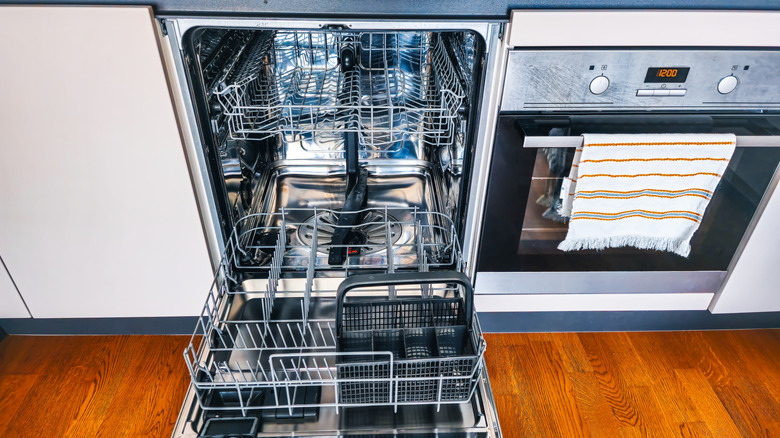
Credit: www.housedigest.com
General Maintenance Practices
Keeping kitchen appliances clean helps them last longer. It also keeps your kitchen healthy and safe.
Regular care stops dirt and grime from building up. This saves time and effort later.
Regular Cleaning Schedules
Set a cleaning routine for each appliance. This keeps them working well and looking good.
For example, wipe the microwave weekly. Deep clean the oven every few months.
- Clean the refrigerator inside and out monthly
- Descale the coffee maker every two weeks
- Wipe the toaster after each use
- Clean blender blades after every use
- Empty and clean the dishwasher filter monthly
Avoiding Common Mistakes
Do not use harsh chemicals that can damage surfaces. Always check the manual for safe cleaners.
Avoid soaking electrical parts in water. Use a damp cloth instead to prevent damage.
- Do not ignore small spills or stains
- Never use metal scrubbers on non-stick surfaces
- Do not clean appliances while plugged in
- Do not block vents when cleaning
- Always dry appliances thoroughly after cleaning
Frequently Asked Questions
How Often Should I Clean Kitchen Appliances?
Clean kitchen appliances at least once a month. Regular cleaning prevents buildup of grease, bacteria, and odors. Some appliances like microwaves and coffee makers may need weekly cleaning for best hygiene.
What Are The Best Cleaners For Kitchen Appliances?
Use mild dish soap, baking soda, or vinegar for most appliances. Avoid harsh chemicals that can damage surfaces. Specialized appliance cleaners work well for stainless steel and glass.
Can I Use Vinegar To Clean Kitchen Appliances?
Yes, vinegar is effective for removing grease and limescale. It’s natural, non-toxic, and safe for most appliances. Dilute vinegar with water to prevent damage to sensitive parts.
How Do I Clean Stubborn Stains On Appliances?
Make a paste with baking soda and water. Apply it to stains and let it sit for 15 minutes. Wipe gently with a soft cloth or sponge for best results.
Conclusion
Cleaning kitchen appliances does not need to take much time. Small daily steps keep appliances fresh and safe. Use simple tools and mild cleaners for best results. Regular care helps appliances last longer and work well. A clean kitchen feels healthy and inviting.
Try these easy tips and enjoy a spotless kitchen. Your efforts will make cooking more pleasant every day. Keep it simple. Keep it clean.