
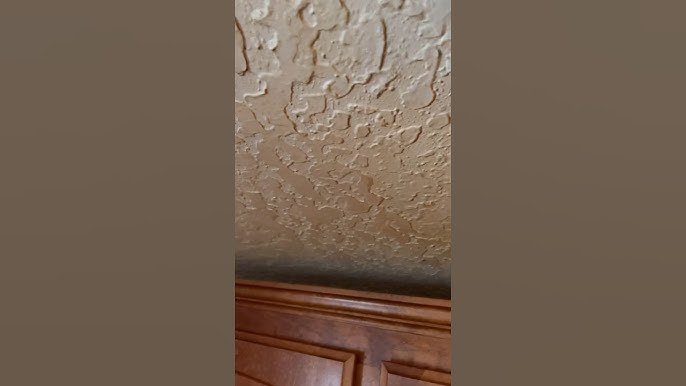
Grease buildup on the ceiling near your stove can be frustrating and tough to clean. You might have noticed that sticky, yellowish film that makes your kitchen look less fresh.
But don’t worry—removing that grease is easier than you think. You’ll discover simple, effective ways to get your ceiling spotless again. Keep reading, and you’ll learn tips that save you time and effort, making your kitchen shine like new.

Credit: www.reddit.com
Causes Of Grease Buildup
Grease buildup on the ceiling near the stove is a common kitchen problem. It happens because cooking releases oil and smoke.
This sticky residue can make your kitchen look dirty and is hard to clean if left too long.
Cooking Oils And Fats
When you cook with oils or fats, tiny droplets rise up as steam or smoke. These droplets stick to the ceiling and walls.
Poor Ventilation
Without good airflow, grease particles stay in the kitchen air longer. This allows them to settle on surfaces more easily.
- No exhaust fan or range hood
- Clogged or dirty filters
- Closed windows and doors during cooking
Frequent Frying And Grilling
Cooking methods like frying or grilling produce more smoke and oil mist. This increases grease buildup on nearby surfaces.
Lack Of Regular Cleaning
Grease layers grow thicker if you do not clean often. Over time, the dirt hardens and becomes harder to remove.
| Cause | Effect |
| Cooking oils and fats | Sticky droplets settle on ceiling |
| Poor ventilation | Grease stays longer in the air |
| Frying and grilling | More smoke and oil particles |
| Lack of cleaning | Grease hardens and builds up |

Credit: www.reddit.com
Safety Precautions
Cleaning grease from the ceiling near the stove requires care. Grease can be slippery and sticky. Using the right safety steps keeps you safe and healthy.
Grease cleaners can have strong chemicals. Protect yourself by following safety rules before you start cleaning.
Protective Gear
Wear protective gear to avoid skin and eye contact with grease and cleaning products. Gloves and goggles are important to keep you safe.
Choose gear that fits well and covers your skin. This helps prevent irritation and accidents during cleaning.
- Use rubber gloves to protect your hands
- Wear safety goggles to shield your eyes
- Put on old clothes or an apron to protect your skin
- Consider a mask if using strong chemical cleaners
Ventilation Measures
Make sure the area has good airflow before you start cleaning. Open windows and doors to reduce fumes from cleaners.
Use fans to help move fresh air. Proper ventilation lowers the risk of breathing in harmful chemicals.
- Open nearby windows and doors
- Turn on kitchen or exhaust fans
- Use portable fans to increase air flow
- Avoid cleaning in small, closed rooms
Essential Cleaning Supplies
Cleaning grease from the ceiling near your stove needs the right supplies. Using the correct products and tools makes the job easier.
Choose supplies that work well on grease but are safe for your ceiling. This guide covers natural agents, commercial cleaners, and tools you need.
Natural Cleaning Agents
Natural agents remove grease without harsh chemicals. They are gentle and easy to find at home or in stores.
- White vinegar: Cuts grease and deodorizes.
- Baking soda: Scrubs off stuck grease safely.
- Lemon juice: Breaks down grease and smells fresh.
- Castile soap: Mild cleaner that lifts grease.
Commercial Cleaners
Commercial cleaners are designed to fight tough grease. Use ones made for kitchens or grease removal.
| Cleaner Type | Use | Safety Notes |
| Degreaser spray | Spray on greasy spots | Ventilate area well |
| Foam cleaner | Apply foam, let sit, wipe | Test on small area first |
| All-purpose cleaner | Good for light grease | Non-toxic options available |
Tools And Equipment
Right tools help remove grease without damaging the ceiling. Use soft and sturdy equipment.
- Soft sponges: Avoid scratches when scrubbing.
- Microfiber cloths: Pick up grease easily.
- Spray bottles: Mix and apply cleaners evenly.
- Extendable scrub brushes: Reach high spots safely.
- Protective gloves: Keep hands clean and safe.
Step-by-step Cleaning Process
Cleaning grease from the ceiling near your stove is important to keep your kitchen fresh. Grease can build up and cause stains or odors.
This guide shows a simple way to clean grease safely and effectively. Follow each step to get the best results.
Preparing The Area
Start by protecting your kitchen and yourself. Grease cleaning can be messy and involve strong cleaners.
- Turn off the stove and allow the area to cool.
- Lay down old towels or plastic sheets to catch drips.
- Wear gloves and old clothes to protect your skin.
- Remove any nearby items that may get wet or dirty.
Applying Cleaning Solution
Choose a cleaning solution that works well on grease. You can use store-bought degreasers or make a natural cleaner at home.
- Mix warm water with dish soap for a simple cleaner.
- For tougher grease, add baking soda to the mixture.
- Use a spray bottle to apply the cleaner evenly on the ceiling.
- Let the solution sit for 5 to 10 minutes to break down the grease.
Scrubbing Techniques
Use gentle scrubbing to remove the grease without damaging the ceiling paint or surface.
| Tool | Purpose | Tip |
|---|---|---|
| Soft sponge | Apply cleaner and scrub lightly | Use circular motions |
| Soft-bristled brush | Remove tougher grease | Do not scrub too hard |
| Microfiber cloth | Wipe off loosened grease | Use damp cloth for best results |
Work in small sections and rinse the sponge or cloth often to avoid spreading grease.
Rinsing And Drying
After scrubbing, rinse the ceiling to remove any cleaner residue. This prevents stains and damage.
- Use a clean cloth dampened with plain water to wipe the ceiling.
- Repeat rinsing until no soap bubbles remain.
- Dry the area with a soft towel or let it air dry.
- Check for any missed greasy spots and repeat cleaning if needed.
Preventive Measures
Grease builds up on the ceiling near your stove. It can be hard to clean later. Taking steps early helps keep the ceiling clean and fresh.
Preventing grease on the ceiling saves time and keeps your kitchen looking nice. Simple habits and tools can stop grease from sticking.
Regular Maintenance
Clean the kitchen ceiling often to stop grease build-up. Wipe the area near the stove at least once a week. Use warm water and mild soap for cleaning.
Regular cleaning keeps grease from hardening. It also makes deep cleaning easier and faster.
- Use a soft cloth or sponge for wiping
- Avoid strong chemicals that can damage paint
- Dry the ceiling after cleaning to prevent streaks
Effective Ventilation Solutions
Good ventilation reduces grease and smoke in the air. Use a range hood or exhaust fan to catch grease while cooking. Turn it on before you start cooking.
Make sure your ventilation system is clean and working well. Replace filters regularly to keep air flowing and grease trapped.
- Choose a hood with strong airflow (at least 300 CFM)
- Clean or replace filters monthly
- Keep windows open for extra air circulation
Cooking Habits To Minimize Grease
Change some cooking habits to reduce grease splatters. Use lids on pans to stop grease from flying. Cook on medium heat to lower smoke and grease.
Clean spills right away to stop grease from spreading. Using less oil also helps keep the ceiling cleaner.
- Cover pans with lids when frying
- Cook on medium or low heat
- Wipe spills immediately
- Use only the amount of oil needed
Common Mistakes To Avoid
Cleaning grease from the ceiling near your stove is important for a fresh kitchen. Many people try to clean it but make simple mistakes. These errors can cause damage or make cleaning harder.
Knowing what not to do helps you keep your ceiling clean and safe. Avoid these common mistakes to get better results.
Using Harsh Chemicals
Many cleaners have strong chemicals that can harm your ceiling paint or finish. They might also leave behind stains or fumes. It is better to use mild cleaners or natural solutions like vinegar and baking soda.
Scrubbing Too Hard
Scrubbing with too much force can damage the ceiling surface. It can cause paint to peel or the material to weaken. Use a soft cloth or sponge and gentle pressure to clean safely.
Ignoring Safety Precautions
Cleaning near the stove can be risky if you ignore safety. Always turn off the stove and make sure the area is cool before cleaning. Wear gloves to protect your skin from cleaners.
Using Excess Water
Too much water can soak the ceiling and cause stains or damage. It may also promote mold growth. Use a damp cloth instead of a wet one and dry the area quickly after cleaning.
Skipping Regular Cleaning
Waiting too long between cleanings lets grease build up. Thick grease is harder to remove and can cause discoloration. Clean the ceiling often to avoid tough stains.
- Turn off and cool the stove before cleaning.
- Use mild cleaners or natural solutions.
- Clean with a soft cloth and gentle pressure.
- Use only a damp cloth, not soaked.
- Clean the ceiling regularly to prevent buildup.
Faqs On Grease Cleaning
Grease buildup on the ceiling near your stove can be tough to clean. It can make your kitchen look dirty and cause bad smells. Knowing how to remove grease safely helps keep your kitchen fresh.
This FAQ guide answers common questions about cleaning grease from ceilings near stoves. It shares easy tips and methods for a cleaner kitchen.
What Causes Grease On The Ceiling Near The Stove?
When you cook, oil and food particles float in the air. These particles stick to surfaces, including the ceiling. Over time, they build up as greasy spots.
How Often Should I Clean Grease From The Ceiling?
Cleaning depends on how much you cook. For heavy cooking, clean every 1 to 2 months. For less cooking, clean every 3 to 4 months. Regular cleaning stops thick grease layers.
What Are Safe Cleaning Materials For Grease On Ceilings?
- Warm water mixed with mild dish soap
- Baking soda paste (baking soda and water)
- White vinegar diluted with water
- Non-abrasive sponges or cloths
- Commercial degreaser made for kitchens
Can I Use Harsh Chemicals To Clean Grease?
Avoid harsh chemicals that can damage paint or ceilings. Use gentle cleaners first. Test any cleaner on a small spot before full use.
What Is The Best Way To Remove Heavy Grease Stains?
Heavy grease needs stronger action. Follow these steps:
- Mix warm water and dish soap in a bucket.
- Dip a sponge and scrub the stained area gently.
- Rinse with clean water and dry with a cloth.
- For stubborn spots, apply baking soda paste and let sit 10 minutes.
- Wipe off paste and rinse again.
How To Prevent Grease Buildup On Ceilings?
| Tip | Why It Helps |
|---|---|
| Use a range hood or exhaust fan | Removes grease particles from air |
| Clean stove and nearby surfaces regularly | Stops grease from spreading upward |
| Cover pots when cooking | Reduces oil splatter |
| Wipe spills immediately | Prevents grease drying on surfaces |

Credit: www.reddit.com
Frequently Asked Questions
How Do I Remove Grease Stains From Ceiling Near Stove?
Use a mixture of warm water, dish soap, and vinegar. Apply with a sponge and gently scrub the grease spots. Rinse with clean water and dry with a cloth.
What Household Items Clean Stove Grease On Ceilings?
Common items like baking soda, vinegar, and dish soap effectively break down stove grease on ceilings. These are safe and eco-friendly options.
Can I Use Commercial Cleaners On Greasy Ceilings?
Yes, commercial degreaser sprays work well. Choose non-toxic, low-odor cleaners to avoid damaging paint or irritating your lungs.
How Often Should I Clean Grease Off Ceiling Near Stove?
Clean the ceiling every 3 to 6 months to prevent grease buildup. Regular cleaning keeps your kitchen fresh and reduces fire hazards.
Conclusion
Cleaning grease from the ceiling near your stove is easier than you think. Use gentle cleaners and soft cloths to avoid damage. Regular cleaning stops grease buildup and keeps your kitchen fresh. Small efforts make a big difference in your home’s look.
Stay consistent and your ceiling will shine like new. Simple steps lead to a cleaner, healthier kitchen space. Keep your kitchen safe and pleasant with easy cleaning habits.