
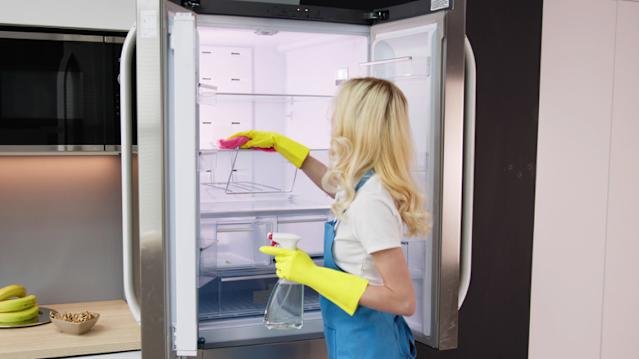
Your fridge handles are one of the dirtiest spots in your kitchen, yet they often get ignored during cleaning. Every time you open the fridge, you touch those handles, transferring germs and bacteria straight to your hands.
If you want to keep your kitchen truly clean and protect your family’s health, you need to know how to clean fridge handles thoroughly. You’ll discover simple, effective steps to get those handles spotless and germ-free. Keep reading, and you’ll never overlook this important cleaning task again.
Importance Of Cleaning Fridge Handles
Fridge handles are touched many times each day. They can carry dirt and germs. Cleaning them keeps your kitchen healthier.
Regular cleaning stops bacteria from spreading. It also helps keep your fridge looking neat and fresh.
Preventing Germ Buildup
Fridge handles collect germs from hands. These germs can cause sickness. Cleaning stops germs from building up.
Wiping handles with disinfectant kills bacteria and viruses. This helps protect your family’s health.
Maintaining A Clean Kitchen Appearance
Dirty fridge handles look unclean and can spoil the kitchen’s look. Regular cleaning keeps the handles shiny and fresh.
Clean handles make your kitchen feel more welcoming and neat for everyone who visits.
Reducing Cross-contamination
When you touch fridge handles with dirty hands, germs spread to other foods and surfaces. Cleaning handles lowers this risk.
This is important to keep food safe and avoid foodborne illnesses in your home.
Extending The Life Of Your Fridge Handles
Dirt and grime can damage fridge handles over time. Cleaning removes harmful particles that cause wear and tear.
Regular care helps the handles last longer and stay in good condition.
Common Germs On Fridge Handles
Fridge handles can carry many germs because people touch them often. These germs can spread illness if not cleaned well.
Knowing which germs live on fridge handles helps us clean better. This keeps kitchens safer for everyone.
Bacteria Found On Fridge Handles
Bacteria are tiny living things that can cause sickness. Fridge handles often have these types of bacteria:
- Salmonella:Can cause stomach pain and diarrhea.
- Escherichia coli (E. coli):Found in raw food, can cause food poisoning.
- Staphylococcus aureus:Causes skin infections and food poisoning.
Viruses On Fridge Handles
Viruses can live on surfaces like fridge handles and spread colds or the flu. They survive from a few hours to several days depending on the type.
Touching a handle with viruses and then touching your face can cause infection.
Fungi And Mold Presence
Fungi and mold grow in damp places, including fridge handles if they stay wet. They can cause allergic reactions and respiratory problems.
| Type of Germ | Common Effects | How They Spread |
|---|---|---|
| Salmonella | Stomach cramps, diarrhea | Touching contaminated surfaces |
| Flu Virus | Fever, cough, body aches | Touching handles then face |
| Mold | Allergy, breathing trouble | Growth on damp surfaces |
Materials Needed For Cleaning
Cleaning fridge handles is important to keep your kitchen healthy. You need the right materials to clean well and avoid damage.
This guide will list the basic supplies you need to clean fridge handles thoroughly and safely.
Cleaning Solutions
Choose a safe cleaning liquid to remove dirt and germs from fridge handles. Mild detergents or natural cleaners work best.
Cloths And Sponges
Soft cloths or sponges help wipe the handles without scratching. Microfiber cloths are gentle and effective for this task.
Disinfecting Agents
To kill bacteria and viruses, use a disinfecting spray or wipes that are safe for kitchen surfaces.
Additional Tools
- Gloves to protect your hands
- Soft-bristle brush for stubborn dirt
- Paper towels for drying
- A small bowl for mixing solutions
Materials Comparison Table
| Material | Purpose | Notes |
| Mild Detergent | Cleaning grease and dirt | Gentle on surfaces |
| Microfiber Cloth | Wiping and drying | Non-abrasive |
| Disinfectant Spray | Killing germs | Use food-safe types |
| Gloves | Hand protection | Optional but recommended |
| Soft Brush | Cleaning crevices | Use gently |
Credit: www.epicurious.com
Step-by-step Cleaning Process
Cleaning fridge handles is important to keep your kitchen sanitary. Dirt and germs gather on handles often. A simple routine keeps them fresh and safe.
This guide shows how to clean fridge handles thoroughly. Follow each step carefully for the best results.
Preparing The Cleaning Solution
Start by making a gentle but effective cleaning solution. This helps remove grease and bacteria without damage.
- Mix one cup of warm water with two tablespoons of mild dish soap.
- Add one tablespoon of white vinegar for extra disinfecting power.
- Stir the solution until soap dissolves fully.
- Pour the solution into a clean spray bottle or bowl.
Applying The Solution To Handles
Apply the cleaning solution gently to fridge handles. This step loosens dirt and germs for easy removal.
- Spray the solution directly on the handles or dip a soft cloth into the bowl.
- Wipe the entire handle surface carefully, including edges and ends.
- Use a toothbrush for hard-to-reach spots and crevices.
Wiping And Rinsing
Remove the cleaning solution along with dirt by wiping and rinsing. This keeps handles clean and residue-free.
| Action | Purpose |
|---|---|
| Wipe handles with a damp cloth | Remove soap and loosened dirt |
| Rinse cloth frequently in clean water | Prevent reapplying dirt to handles |
| Repeat wiping until no soap remains | Ensure handles are residue-free |
Drying For A Streak-free Finish
Dry the handles well to avoid streaks and water spots. A dry surface also stops germs from growing.
- Use a clean, dry microfiber cloth for best results.
- Wipe the handles gently but thoroughly on all sides.
- Check for any missed spots and dry them carefully.
Natural Cleaning Alternatives
Fridge handles get dirty fast from daily use. Cleaning them often keeps germs away.
Natural cleaners work well and are safe for your home. They avoid harsh chemicals.
Vinegar And Water Solution
Mix equal parts of white vinegar and water in a spray bottle. Spray on the handle and wipe with a cloth.
Baking Soda Paste
Make a paste with baking soda and water. Apply it to the handle using a soft brush. Rinse with a damp cloth.
Lemon Juice For Freshness
Lemon juice cleans and smells fresh. Mix lemon juice with water and wipe the handle. It also removes stains.
Essential Oils For Extra Clean
Add a few drops of essential oils like tea tree or lavender to water. Spray on the handle for a natural disinfectant.
- White vinegar: kills bacteria
- Baking soda: removes dirt and grime
- Lemon juice: brightens and deodorizes
- Essential oils: add scent and disinfect
Cleaning Tips To Remember
| Tip | Reason |
|---|---|
| Use soft cloth | Prevents scratches |
| Dry handle after cleaning | Stops water damage |
| Clean weekly | Reduces germs |
| Test solution first | Avoids damage to surface |

Credit: www.youtube.com
Tips To Maintain Clean Handles
Fridge handles collect germs and dirt from daily use. Keeping them clean helps stop the spread of bacteria.
Use simple cleaning steps to keep your fridge handles fresh and safe to touch.
Choose The Right Cleaning Solution
Use mild soap and warm water for regular cleaning. Avoid harsh chemicals that can damage the handle surface.
Clean Handles Regularly
Wipe handles daily to remove fingerprints and germs. This quick routine keeps handles hygienic.
- Use a soft cloth or sponge
- Apply the cleaning solution gently
- Rinse with a damp cloth
- Dry the handle with a towel
Disinfect For Extra Safety
Disinfect handles once or twice a week using a safe disinfectant. This kills germs that regular soap may miss.
Avoid Damage To Handles
| Do | Don’t |
| Use soft cloths | Use abrasive scrubbers |
| Choose gentle cleaners | Use bleach or strong chemicals |
| Dry handles after cleaning | Leave handles wet |
Prevent Dirt Build-up
Place a small hand towel near the fridge. Wipe your hands before opening the door. This reduces dirt on the handle.
Preventing Germ Build-up
Fridge handles get touched many times every day. Germs can build up quickly on these surfaces.
Cleaning fridge handles often stops germs from spreading and keeps your kitchen safe.
Regular Cleaning Schedule
Clean fridge handles at least once a day. Use warm soapy water or a disinfectant wipe.
Wipe handles after cooking or handling raw foods. This lowers the chance of germs spreading.
- Use a clean cloth or disposable wipe
- Focus on all sides of the handle
- Dry the handle to avoid moisture build-up
- Replace cleaning tools regularly
Proper Hand Hygiene
Wash your hands before and after touching fridge handles. Clean hands reduce germ transfer.
Use soap and water for at least 20 seconds. If soap is not available, use hand sanitizer.
- Wash hands before cooking or eating
- Dry hands with a clean towel
- Avoid touching your face after using the fridge
- Teach family members to clean hands too
:max_bytes(150000):strip_icc()/spr-weiman-stainless-steel-cleaner-kenedee-fowler-6-463fb028da894cd3a1957645ea95ea25.jpeg)
Credit: www.thespruce.com
Frequently Asked Questions
How Often Should Fridge Handles Be Cleaned?
Fridge handles should be cleaned at least once a week. Frequent cleaning prevents bacteria buildup and maintains hygiene. In homes with kids or frequent guests, clean handles more often to reduce germ spread and keep your kitchen safe.
What’s The Best Cleaning Solution For Fridge Handles?
A mild dish soap mixed with warm water is ideal for cleaning fridge handles. This solution effectively removes dirt and germs without damaging the surface. For deeper cleaning, use a mixture of vinegar and water to disinfect naturally.
Can I Use Disinfectant Wipes On Fridge Handles?
Yes, disinfectant wipes are safe and convenient for cleaning fridge handles. They kill bacteria and viruses quickly. Ensure the wipes are suitable for kitchen surfaces to avoid damage. Always let the handles air dry after wiping for best results.
How To Clean Stainless Steel Fridge Handles Without Streaks?
Use a microfiber cloth with warm water and mild soap to clean stainless steel handles. Wipe in the direction of the grain to avoid streaks. Finish by drying with a clean cloth and applying a small amount of olive oil for shine.
Conclusion
Cleaning fridge handles keeps your kitchen healthy and fresh. Regular wiping stops germs from spreading. Use simple tools like cloth, soap, and warm water. Pay attention to corners and edges where dirt hides. Small daily habits make a big difference over time.
Clean handles feel better to touch and look nice. Keep your fridge safe for everyone in the home. Easy steps, great results. Stay consistent and enjoy a cleaner kitchen space.