
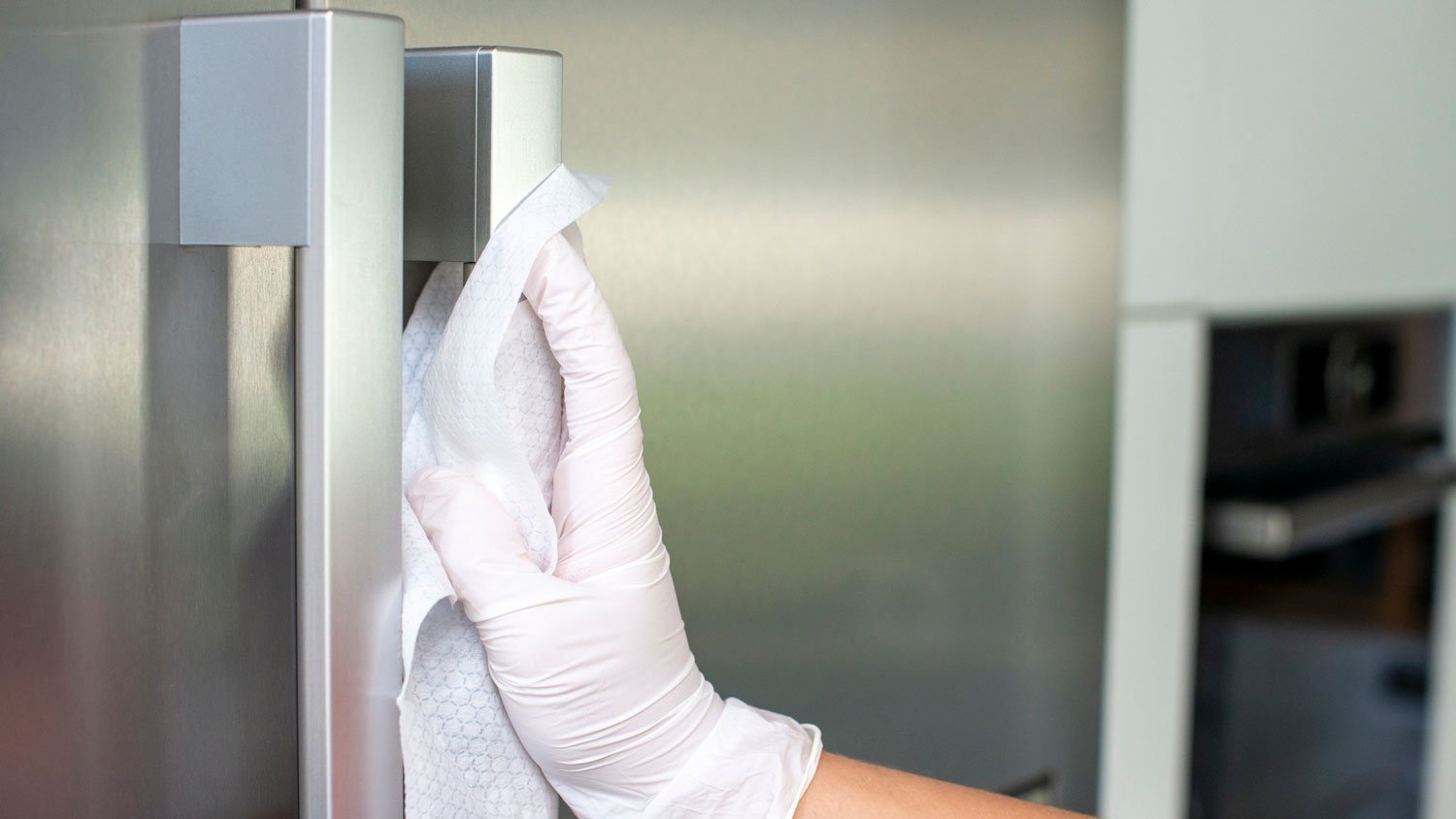
Your fridge handles are touched dozens of times a day, making them hotspots for germs and dirt. Yet, they’re often overlooked during cleaning.
If you want to keep your kitchen truly fresh and safe, knowing how to clean fridge handles properly is a must. You’ll discover simple, effective steps to make your handles sparkle again—quickly and easily. Keep reading to learn how a small cleaning habit can make a big difference for your home’s hygiene.
Importance Of Clean Fridge Handles
Fridge handles are touched many times every day. They can collect dirt and germs quickly.
Keeping fridge handles clean helps stop the spread of bacteria. This protects your family’s health.
Prevents Germ Spread
People touch fridge handles with unwashed hands. Germs from hands can stay on the handle.
Cleaning handles stops germs from spreading to other family members. It lowers illness risk.
Improves Kitchen Hygiene
A clean fridge handle shows your kitchen is well cared for. It makes food preparation safer.
Regular cleaning removes sticky residues and dirt. This keeps your kitchen fresh and neat.
Extends Handle Life
Handles can wear out from dirt and grime buildup. Cleaning stops damage and keeps them strong.
Proper care helps your fridge look good longer. It also saves money by avoiding repairs.
Common Germs Found On Fridge Handles
Fridge handles are touched many times each day. This makes them a hotspot for germs. These germs can cause sickness if not cleaned often.
Knowing which germs live on fridge handles helps you clean better. This keeps your kitchen safer and healthier.
Bacteria On Fridge Handles
Bacteria like E. coli and Salmonella often appear on fridge handles. They come from raw food or dirty hands. These bacteria can cause stomach pain and diarrhea.
Viruses That Spread Easily
Viruses such as the common cold and flu can live on fridge handles. When a person touches the handle and then their face, the virus can spread. Cleaning stops this chain.
Fungi And Mold Growth
Fungi and mold can grow on moist fridge handles. These can cause allergies or skin problems. Regular wiping prevents their growth.
Types Of Germs Found On Fridge Handles
| Germ Type | Common Source | Health Risk |
|---|---|---|
| Bacteria | Raw meat, dirty hands | Food poisoning, diarrhea |
| Viruses | Infected person, sneezing | Cold, flu |
| Fungi | Moisture, unclean surface | Allergies, skin irritation |
Choosing The Right Cleaning Supplies
Cleaning fridge handles needs the right supplies for good results. The right tools make cleaning easy and safe.
Use supplies that remove dirt without harming the handle surface. Pick gentle but effective cleaners.
Mild Dish Soap
Mild dish soap works well to remove grease and dirt. It is gentle and safe for most handle materials.
Mix a few drops with warm water to clean without damage. This solution is easy to prepare and use.
Microfiber Cloths
Microfiber cloths pick up dirt and bacteria without scratching surfaces. They dry quickly and are reusable.
Use a damp microfiber cloth with soap solution for cleaning. Follow with a dry cloth to avoid streaks.
Disinfecting Wipes
Disinfecting wipes kill germs fast on fridge handles. Choose wipes safe for food-contact surfaces.
Wipes are handy for quick cleaning. Avoid wipes with harsh chemicals that may damage the handle.
Baking Soda Paste
Baking soda mixed with water makes a gentle paste. It removes stains and odors without strong chemicals.
Apply the paste with a soft cloth, then wipe clean with water. Use this for stubborn spots on handles.
Avoid Harsh Chemicals
Harsh chemicals can damage fridge handles or remove their finish. Avoid bleach or abrasive cleaners.
Choose gentle, non-toxic products to protect your handles and keep them looking new longer.

Credit: www.rd.com
Step-by-step Cleaning Guide
Fridge handles collect dirt and germs quickly. Cleaning them often keeps your kitchen safe.
This guide shows simple steps to clean fridge handles well. Follow each step carefully.
Preparing The Cleaning Solution
Mix a gentle cleaning solution to avoid damage. Use ingredients that kill germs and are safe.
Use warm water with mild soap or a few drops of dish detergent. Avoid harsh chemicals.
- Fill a bowl with warm water
- Add 1 teaspoon of mild dish soap
- Stir until suds form
- Optionally, add 1 tablespoon of white vinegar for extra cleaning
Wiping Down The Handles
Dip a soft cloth or sponge into the solution. Wring out extra water to avoid drips.
Wipe all sides of the fridge handles. Pay close attention to corners and grooves.
- Hold the cloth firmly
- Use gentle pressure
- Clean every part of the handle
- Repeat if you see dirt left behind
Rinsing And Drying Techniques
Rinse the handles to remove soap residue. Use a clean cloth soaked in plain water.
Dry the handles with a soft towel. Drying stops water spots and keeps handles shiny.
- Use a damp cloth with clean water to wipe handles
- Remove all soap traces
- Dry with a microfiber or cotton towel
- Ensure handles are completely dry before use
Natural Cleaning Alternatives
Cleaning fridge handles regularly keeps them free from germs and dirt. Using natural cleaners protects your health and the environment.
Natural cleaning products are easy to find and safe to use. They help remove grime without harsh chemicals.
Vinegar And Water Solution
White vinegar is a natural disinfectant that kills bacteria. Mix equal parts vinegar and water in a spray bottle.
Spray the solution on the fridge handle and wipe with a clean cloth. This removes grease and germs effectively.
Baking Soda Paste
Baking soda is gentle and cleans tough stains. Make a paste by mixing baking soda with a little water.
Apply the paste to the fridge handle and scrub softly with a cloth. Rinse with water and dry well.
Lemon Juice Cleaner
Lemon juice has natural antibacterial properties and a fresh scent. Use lemon juice alone or mix with water.
Wipe the fridge handle with lemon juice using a cloth. It removes stains and leaves a clean smell.
Castile Soap And Water
Castile soap is a plant-based cleaner that is gentle on surfaces. Mix a few drops with warm water in a bowl.
Dip a cloth in the mixture and wipe the fridge handle. This removes dirt without harsh chemicals.
Essential Oils For Extra Clean
Essential oils like tea tree or eucalyptus add cleaning power. Add a few drops to water or vinegar solutions.
These oils help kill germs and leave a pleasant scent on the fridge handle.

Credit: www.youtube.com
Frequency Of Cleaning
Fridge handles are touched many times a day. Dirt and germs build up quickly. Cleaning them often keeps your kitchen healthy.
Knowing how often to clean fridge handles helps stop bacteria spread. It also keeps your fridge looking nice.
Daily Cleaning
Wiping handles daily removes oils and dirt from hands. Use a damp cloth with mild soap or disinfectant wipes. This habit cuts down germs.
Weekly Deep Cleaning
Once a week, clean fridge handles more thoroughly. Use a cleaner safe for your fridge surface. This removes buildup that daily wipes miss.
- Spray cleaner on a cloth, not directly on handle
- Scrub gently to avoid damage
- Dry handles with a clean towel
Cleaning After Illness
When someone is sick, clean fridge handles more often. This lowers risk of spreading germs. Use disinfectant that kills viruses and bacteria.
| Situation | Recommended Cleaning Frequency |
| Normal daily use | Daily wipe |
| Weekly routine | Deep clean once a week |
| During illness | Clean multiple times per day |
| After cooking messy foods | Clean immediately |
Preventing Germ Build-up
Fridge handles are touched many times a day. Germs can easily build up on these surfaces.
Cleaning fridge handles helps keep your kitchen healthy and safe for your family.
Encouraging Regular Hand Washing
Washing hands before touching the fridge reduces the spread of germs. It lowers the chance of germs landing on the handle.
Teach all family members to wash hands after using the bathroom or touching pets. Clean hands help stop germs from spreading.
- Use soap and warm water
- Scrub hands for at least 20 seconds
- Dry hands with a clean towel
- Wash hands before and after cooking
Using Handle Covers
Handle covers protect fridge handles from direct contact. They can be removed and washed often.
Using covers keeps the handle cleaner for longer. Covers are easy to clean and replace.
- Choose washable fabric covers
- Remove and wash covers weekly
- Replace covers if damaged or stained
- Use covers that fit your fridge handle well
Maintaining A Germ-free Kitchen
Keeping your kitchen clean is important for your health. Germs on fridge handles can spread easily.
Cleaning fridge handles regularly helps stop bacteria from growing. It keeps your food area safe.
Gather Cleaning Supplies
Use simple supplies to clean fridge handles. You need soap, water, and a clean cloth or sponge.
Disinfectant wipes or sprays can also help kill germs quickly. Make sure they are safe for kitchen use.
- Liquid dish soap
- Warm water
- Soft cloth or sponge
- Disinfectant spray or wipes
- Paper towels
Clean The Handles Thoroughly
Start by mixing soap with warm water. Dip the cloth in the solution and wring it out well.
Wipe all sides of the fridge handles. Pay attention to spots where dirt and germs hide.
- Use circular motions to clean
- Do not miss the edges and crevices
- Rinse cloth and wipe again if dirty
Disinfect For Extra Protection
After cleaning, use a disinfectant spray or wipe. This step kills germs that soap might miss.
Follow the product instructions. Let the disinfectant sit for a few minutes before wiping dry.
- Spray or wipe all handle surfaces
- Allow time to kill germs
- Use a clean paper towel to dry
Clean Handles Regularly
Make cleaning fridge handles a daily habit. This stops germs from building up over time.
Regular cleaning keeps your kitchen healthier. It protects your family from common germs and bacteria.
- Clean handles every day or after heavy use
- Disinfect at least twice a week
- Encourage family to wash hands before use
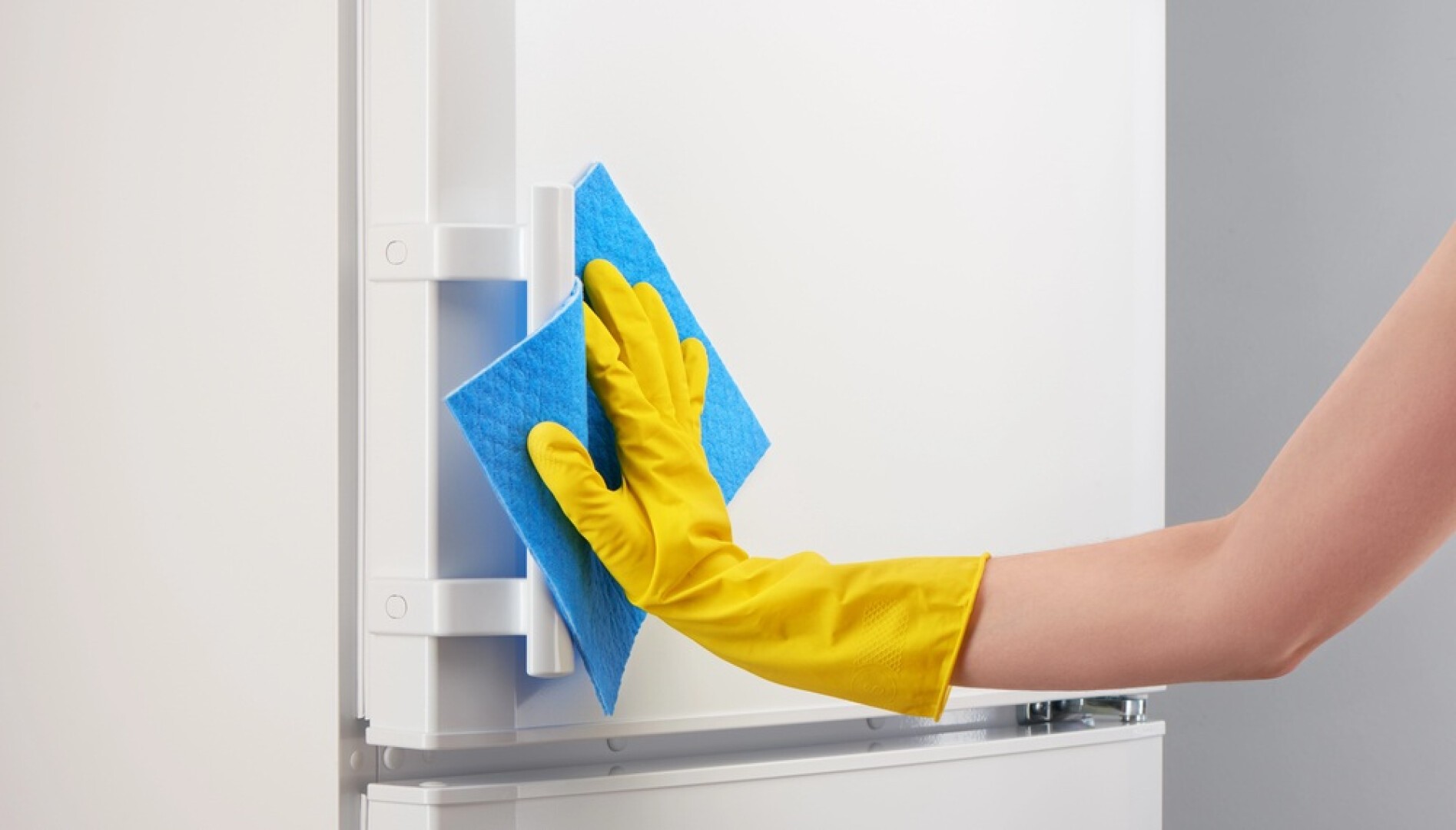
Credit: www.iba-tradefair.com
Frequently Asked Questions
How Often Should I Clean Fridge Handles?
Clean fridge handles at least once a week. Frequent cleaning prevents germs and bacteria buildup. It keeps your kitchen hygienic and safe for your family.
What Is The Best Cleaner For Fridge Handles?
Use a mild detergent mixed with warm water for cleaning. Avoid harsh chemicals that can damage the handle’s surface. A soft cloth or sponge works best for gentle cleaning.
Can I Use Disinfectant Wipes On Fridge Handles?
Yes, disinfectant wipes are effective and convenient for quick cleaning. They kill germs and bacteria instantly. Always check the product label to ensure it’s safe for your handle’s material.
How Do I Clean Stainless Steel Fridge Handles?
Use a mixture of vinegar and water or a stainless steel cleaner. Wipe in the direction of the grain to avoid streaks. Finish by drying with a clean microfiber cloth.
Conclusion
Cleaning fridge handles keeps your kitchen healthy and fresh. Germs and dirt build up quickly on these surfaces. Regular cleaning stops bacteria from spreading. Use simple supplies like soap, water, and a cloth. Wipe handles often, especially after cooking or eating.
This small task helps protect your family’s health. A clean handle looks nice and feels good to touch. Make it part of your routine for a cleaner home. Easy to do, big difference made. Keep your fridge handles shining and safe every day.