
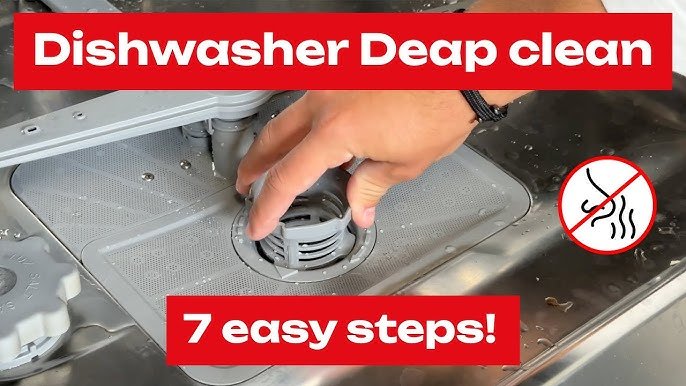
Is your dishwasher not cleaning as well as it used to? The problem might be hiding in your dishwasher filter.
Cleaning your dishwasher filter is a simple step that can make a huge difference in how well your dishes come out. If you want sparkling clean plates and a machine that runs smoothly, you need to know exactly how to clean those filters.
Keep reading, and you’ll discover easy tips that save you time, money, and frustration every time you run your dishwasher.

Credit: www.youtube.com
Importance Of Cleaning Dishwasher Filters
Dishwasher filters catch food crumbs and debris during washing. Cleaning these filters keeps your dishwasher running well.
Dirty filters can cause bad smells and poor cleaning results. Regular cleaning saves money and extends dishwasher life.
Prevents Clogs And Drainage Issues
Food particles can block filters and slow water flow. Cleaning filters stops clogs and helps water drain properly.
Good drainage means dishes get cleaner and dry faster. It also lowers the risk of dishwasher leaks.
Improves Dishwasher Performance
A clean filter lets water spray with full force. This removes stuck-on food better during each wash cycle.
Better performance means you use less energy and water. This helps save on utility bills and is better for the environment.
Reduces Bad Odors
Food trapped in dirty filters can rot and cause smells. Cleaning filters removes trapped food and keeps the dishwasher fresh.
Fresh-smelling dishwashers make kitchen work more pleasant. It also stops odors from transferring to your dishes.
Prevents Damage To Dishwasher Parts
Dirty filters allow food particles to reach the dishwasher pump. This can cause damage and costly repairs.
Cleaning filters protects these parts and keeps the machine working well for years.
:max_bytes(150000):strip_icc()/how-to-clean-dishwasher-drain-6823343-09-hero-5643ebc79fcd4aae8389c75c4fefdbdc.jpg)
Credit: www.thespruce.com
Identifying The Filter Type
Dishwasher filters help catch food and debris during washing. Knowing your filter type helps you clean it properly.
There are two main filter types: manual clean and self-cleaning. Each needs a different cleaning approach.
Manual Clean Filters
Manual clean filters trap food particles and need regular cleaning. You remove and wash them by hand.
These filters usually sit at the bottom of the dishwasher. They may look like mesh screens or small baskets.
- Turn off the dishwasher before removing the filter.
- Twist or lift the filter to remove it.
- Rinse under running water to clear debris.
- Use a soft brush to clean stubborn bits.
- Replace the filter securely after cleaning.
Self-cleaning Filters
Self-cleaning filters break down food waste automatically. They use water jets to flush debris into the drain.
These filters need less frequent manual cleaning. Still, check the filter area for clogs or buildup.
- Locate the filter area inside the dishwasher.
- Look for any stuck food or grime around the filter.
- Wipe the area with a damp cloth if needed.
- Run a cleaning cycle as recommended by the manufacturer.
Gathering Necessary Supplies
Cleaning your dishwasher filters keeps your machine working well. Before you start, gather all needed supplies. This makes the job easier and faster.
Having the right tools and cleaning solutions helps remove dirt and grease safely. Prepare everything in one place to avoid interruptions.
Cleaning Tools
You need some simple tools to clean your dishwasher filters. These tools help you reach and scrub the filter parts well. Use tools that do not damage the filter.
- Soft brush or old toothbrush
- Microfiber cloth or soft towel
- Small bowl or container for soaking
- Rubber gloves to protect your hands
- Screwdriver if your filter needs removing
Safe Cleaning Solutions
Choose gentle and safe cleaning solutions. Harsh chemicals can damage the filter or dishwasher. Use natural or mild cleaners to avoid problems.
- Warm water to loosen dirt
- Mild dish soap for grease removal
- White vinegar to remove mineral buildup
- Baking soda for scrubbing and deodorizing
Step-by-step Cleaning Process
Cleaning your dishwasher filter keeps your appliance working well. It stops food bits from blocking water flow.
Follow simple steps to remove, clean, and put back the filter safely.
Removing The Filter
First, open the dishwasher door fully. Look at the bottom for the filter unit. Turn it counterclockwise to unlock. Lift the filter out carefully. Avoid bending or breaking it.
Rinsing Off Debris
Hold the filter under running warm water. Rinse away loose food particles. Use your fingers to remove stuck bits gently. Make sure all parts get rinsed well.
Scrubbing Stubborn Residue
Use a soft brush or old toothbrush for tough grime. Clean all sides of the filter carefully. Avoid harsh scrubbing that can cause damage. Soap helps remove grease and buildup.
- Apply a few drops of mild dish soap to the brush.
- Scrub the mesh and frame of the filter gently.
- Rinse thoroughly to remove soap and loosened dirt.
- Check for any missed spots and clean again if needed.
Reassembling The Filter
Place the filter back into its slot. Align it with the locking mechanism. Turn it clockwise until it clicks and locks. Ensure it fits snugly to avoid leaks.
| Common Filter Parts | Description |
|---|---|
| Coarse Filter | Catches large food particles |
| Fine Filter | Traps small debris and dirt |
| Filter Frame | Holds the filter mesh securely |
Tips For Maintaining A Clean Filter
Keeping your dishwasher filter clean helps your appliance work well. A clean filter stops food bits from clogging the machine. It also keeps your dishes clean and fresh.
Regular care of the filter can save you time and money. It also stops bad smells and keeps your dishwasher healthy.
Regular Cleaning Schedule
Cleaning your dishwasher filter often is important. You can follow a simple routine to keep it clear of debris and dirt.
- Remove the filter from the dishwasher carefully.
- Rinse the filter under warm water to remove loose particles.
- Use a soft brush to scrub away stuck food bits gently.
- Check for any damage or holes in the filter.
- Dry the filter before placing it back in the dishwasher.
- Clean the filter every two weeks or more often if needed.
Avoiding Common Mistakes
Some habits can harm your dishwasher filter or reduce its life. Knowing what to avoid helps your filter work better for longer.
| Mistake | Why to Avoid |
| Not cleaning the filter regularly | Leads to clogging and poor washing results |
| Using harsh brushes or sharp tools | Can damage the filter mesh or frame |
| Forgetting to reinsert the filter correctly | May cause dishwasher leaks or poor drainage |
| Ignoring signs of wear or damage | Filter may fail and let debris back into dishwasher |
| Relying only on dishwasher detergent to clean the filter | Detergents do not remove stuck particles effectively |
Signs Of A Dirty Dishwasher Filter
A dishwasher filter catches food bits and debris during cleaning. When it is dirty, it affects your dishwasher’s performance. Spotting signs of a dirty filter helps you keep your dishwasher running well.
Two common signs show that your dishwasher filter needs cleaning. These are poor cleaning results and unusual odors. Learn to recognize these signs early to avoid bigger problems.
Poor Cleaning Results
When the filter is clogged, dirty water cannot drain properly. This leaves dishes unclean after a wash cycle. You might notice food particles or film on plates and glasses.
- Dishes still have stuck food bits
- Glasses look cloudy or spotted
- Plates have greasy or sticky residue
- Water pools at the bottom of the dishwasher
- Longer drying times than usual
Unusual Odors
A dirty filter traps food scraps and grease. Over time, this causes bad smells inside the dishwasher. You may smell a sour or rotten odor when you open the door.
| Cause | Effect |
| Food debris buildup | Foul, sour smells |
| Grease and oils | Sticky residue and odor |
| Standing water | Mold and mildew smell |
When To Replace Your Dishwasher Filter
Dishwasher filters keep your machine clean and running well. They catch food and debris during cycles.
Knowing when to replace the filter helps avoid bad smells and poor cleaning. This guide explains key signs.
Identifying Wear And Tear
Check your filter for cracks, holes, or broken parts. These damage the filter’s ability to catch debris.
Filters that look worn or torn let dirt pass into the dishwasher. This can cause clogs and bad smells.
- Cracks or holes in the mesh
- Broken edges or frames
- Rust or corrosion on metal parts
- Filter parts that do not fit tightly
Manufacturer Recommendations
Check your dishwasher manual for filter replacement advice. Some brands suggest replacing filters yearly.
Follow the manufacturer’s guide to keep your dishwasher working well. Using the right filter is key.
- Look for replacement intervals in the manual
- Use filters made for your dishwasher model
- Contact customer service if unsure about replacement
- Replace filters sooner if cleaning problems start
:strip_icc()/BHG-Clean-Dishwasher-Filter-GettyImages-1223991528-58439e2fa0a540fbbc6d4f8d50c673af.jpg)
Credit: www.bhg.com
Frequently Asked Questions
How Often Should I Clean Dishwasher Filters?
You should clean dishwasher filters every 1 to 3 months. Frequent cleaning ensures optimal performance and prevents odors. Check your manual for specific recommendations. Regular maintenance helps avoid clogs and improves water drainage. Keeping filters clean extends your dishwasher’s lifespan and efficiency.
What Tools Are Needed To Clean Dishwasher Filters?
To clean dishwasher filters, you typically need a soft brush, warm water, and mild dish soap. Some filters may require a screwdriver for removal. Avoid harsh chemicals or abrasive tools that can damage the filter. Always refer to your dishwasher’s manual for specific instructions.
Can A Dirty Filter Cause Dishwasher Problems?
Yes, a dirty filter can cause poor cleaning results, odors, and drainage issues. Food debris clogs the filter, reducing water flow. This forces the dishwasher to work harder, potentially damaging parts. Regular filter cleaning prevents these problems and keeps your dishwasher running smoothly.
Is It Safe To Clean Filters With Vinegar?
Yes, vinegar is safe and effective for cleaning dishwasher filters. It helps dissolve grease and mineral buildup. Soak the filter in a vinegar-water solution for 10-15 minutes, then scrub gently. Avoid using vinegar excessively, as it can corrode some parts over time.
Conclusion
Cleaning your dishwasher filter keeps your machine working well. It stops bad smells and food buildup inside. Regular cleaning helps your dishes come out cleaner each time. Take a few minutes every month to remove and wash the filter. Simple steps save you from costly repairs later.
A clean filter means a happier dishwasher and better results. Try this easy task soon and see the difference yourself.