

Are you tired of your cutting board smelling bad no matter how often you wash it? That unpleasant odor can ruin your cooking experience and even affect the taste of your food.
But don’t worry—cleaning your cutting board properly to get rid of odors is easier than you think. You’ll discover simple and effective ways to keep your cutting boards fresh and odor-free every time you use them. Keep reading, and you’ll never have to deal with stinky cutting boards again!
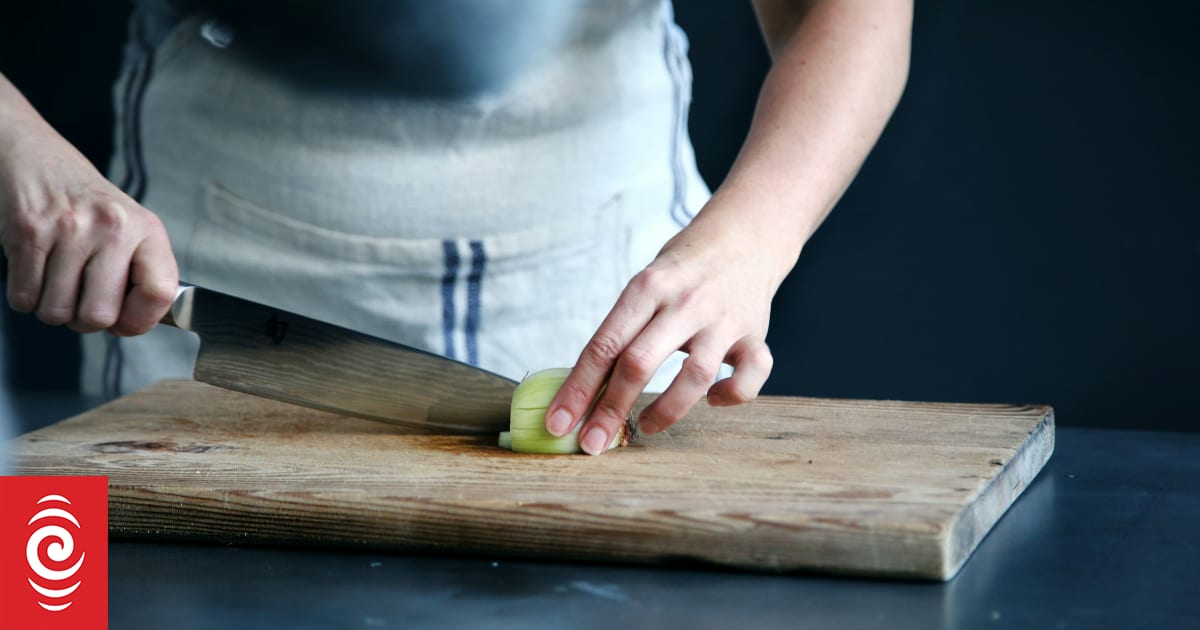
Credit: www.rnz.co.nz
Choosing The Right Cleaning Method
Cleaning cutting boards well helps stop smells and germs. Different boards need different care.
Picking the right way to clean keeps your boards safe and fresh for a long time.
Wood Vs. Plastic Boards
Wood boards absorb water less, but can hold smells if not cleaned right. Use mild soap and warm water. Avoid soaking wood boards to stop cracks and warping.
Plastic boards can go in the dishwasher. Hot water kills germs and removes odors well. Plastic boards may get deep cuts that trap smells, so replace them if needed.
- Wood boards: Wash with mild soap and warm water
- Avoid soaking wood boards to prevent damage
- Plastic boards: Dishwasher safe for deep cleaning
- Replace plastic boards with many deep cuts
Environmental Considerations
Wood boards come from trees and are biodegradable. They last a long time if cared for well. Use natural cleaners to keep them eco-friendly.
Plastic boards are made from non-renewable materials. They can be recycled but often end in landfills. Choose durable plastic boards to reduce waste.
- Wood boards are biodegradable and last long
- Use natural cleaning products with wood boards
- Plastic boards come from non-renewable resources
- Recycle plastic boards when possible
- Choose durable boards to reduce waste

Credit: ca.style.yahoo.com
Natural Cleaning Solutions
Cutting boards can hold odors from food. Cleaning them naturally keeps them fresh without chemicals.
Use simple kitchen ingredients to remove smells and stains. These methods are safe and eco-friendly.
Lemon And Salt Scrub
Lemon and salt work well to clean and deodorize cutting boards. The lemon’s acid breaks down stains. Salt acts as a scrub to remove dirt.
- Cut a lemon in half.
- Sprinkle coarse salt on the board.
- Rub the lemon over the salt in circles.
- Let it sit for 5 minutes.
- Rinse with warm water and dry.
Baking Soda Paste
Baking soda is a gentle cleaner and deodorizer. It removes odors and light stains from wood or plastic boards.
| Ingredient | Amount | Purpose |
|---|---|---|
| Baking soda | 3 tablespoons | Cleaning and deodorizing |
| Water | 1 tablespoon | Create paste |
| White vinegar (optional) | 1 tablespoon | Extra odor removal |
Mix baking soda with water to form a paste. Spread it on the board. Let it sit for 10 minutes. Rinse well and dry. Add vinegar for stronger odor removal.
Using Vinegar For Odor Removal
Cutting boards often keep smells from food. Vinegar is a natural way to remove these odors. It kills bacteria and freshens the board.
Vinegar is safe and easy to use. It works well on wooden and plastic boards.
White Vinegar Soak
Pour white vinegar directly on your cutting board. Make sure the board is covered with vinegar.
Let the board soak for 5 to 10 minutes. This helps kill odor-causing bacteria.
- Use only white vinegar for best results
- Do not soak wooden boards too long to avoid damage
- Rinse the board well with water after soaking
- Dry the board completely before storing
Vinegar And Water Spray
Mix equal parts white vinegar and water in a spray bottle. Spray the solution over the cutting board surface.
Let the spray sit for a few minutes. Then wipe the board with a clean cloth or paper towel.
- This method is quick and easy
- Use it regularly to keep odors away
- Good for fresh cleaning between uses
- Safe for all types of cutting boards
Hydrogen Peroxide For Deep Cleaning
Hydrogen peroxide is a strong cleaner for cutting boards. It helps remove stains and kills bacteria.
This cleaning method stops bad smells and keeps your board safe to use.
Application Process
First, rinse your cutting board with warm water. This removes leftover food bits.
Next, pour hydrogen peroxide directly on the board’s surface. Use a clean cloth to spread it around.
- Let the hydrogen peroxide sit for 5 to 10 minutes.
- Scrub the board gently with a sponge or brush.
- Rinse the board well with warm water.
- Dry the board completely with a clean towel.
Safety Precautions
Hydrogen peroxide is safe if used right. Avoid using it in high amounts on wood boards.
Wear gloves if you have sensitive skin. Keep the cleaner away from your eyes.
- Use 3% hydrogen peroxide for cleaning.
- Do not mix with bleach or other cleaners.
- Store the bottle in a cool, dark place.
- Rinse the board well to remove all residue.
Maintaining Odor-free Boards
Cutting boards can hold strong smells if not cleaned well. Keeping them odor-free is easy with good habits.
Regular care stops bacteria and food smells from building up on your boards.
Regular Cleaning Routine
Clean your cutting board after every use to avoid smells. Use warm water and soap to wash it well.
Scrub the surface with a brush or sponge. This removes food bits and bacteria that cause odors.
- Rinse the board with warm water
- Apply dish soap and scrub thoroughly
- Use a brush to reach grooves and cuts
- Rinse off all soap
- Dry the board quickly after washing
Proper Drying Techniques
Dry your cutting board fully to stop bacteria growth. Wet boards keep smells and germs alive.
Stand the board upright or lean it on a rack. Air flow helps it dry faster and cleaner.
- Use a clean towel to wipe off water
- Place the board in a vertical position
- Allow air to reach all sides
- Do not store boards flat when wet
Storing Cutting Boards Correctly
Proper storage of cutting boards helps keep them clean and odor-free. It also protects the boards from damage and bacteria growth.
Knowing where and how to store your cutting boards is important for their longevity and hygiene.
Avoiding Damp Environments
Cutting boards must stay dry to prevent mold and bad smells. Moist places make bacteria grow fast.
- Do not store boards near the sink or dishwasher.
- Keep them away from places that collect water.
- Dry boards completely before putting them away.
- Use a clean towel or air dry in a rack.
- Store boards in a dry cabinet or shelf.
Air Circulation Importance
Good air flow helps cutting boards dry faster and stay fresh. Without air, moisture stays trapped and causes smells.
| Storage Method | Air Flow | Odor Risk |
| Laying flat on a shelf | Low | High |
| Storing upright in a rack | High | Low |
| Stacking tightly together | Very Low | Very High |
| Hanging on hooks | High | Low |

Credit: www.amazon.com
Frequently Asked Questions
How To Remove Odor From Wooden Cutting Boards?
To remove odor from wooden cutting boards, scrub with coarse salt and lemon. Rinse with warm water and air dry. This natural method deodorizes and cleans effectively without harsh chemicals.
What Household Items Clean Cutting Boards Without Odor?
Use baking soda, white vinegar, or lemon juice to clean cutting boards. These natural ingredients neutralize odors and kill bacteria, making boards fresh and safe for food prep.
Can Bleach Be Used To Clean Cutting Boards?
Bleach can disinfect cutting boards but must be diluted and rinsed thoroughly. Use cautiously to avoid damaging wood or leaving harmful residue. Natural cleaners are safer for odor removal.
How Often Should Cutting Boards Be Cleaned To Prevent Odor?
Clean cutting boards immediately after use to prevent odor buildup. Regular washing with soap and hot water, followed by deodorizing treatments, keeps boards fresh and hygienic.
Conclusion
Keeping cutting boards clean stops bad smells from forming. Use simple, natural methods like lemon and salt. Regular washing with soap and warm water helps too. Dry boards quickly to avoid germs and odors. Clean boards mean safer food and a fresher kitchen.
Small steps make a big difference every day. Try these tips and enjoy a clean, odor-free cutting board.