
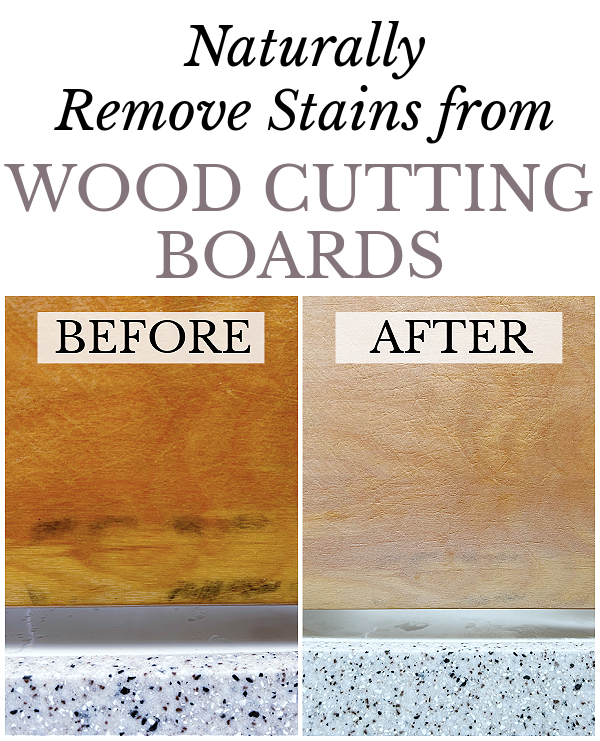
Your cutting board is one of the busiest tools in your kitchen, but it can also be a hotspot for germs and stains. If you want to keep your food safe and your board looking fresh, cleaning it thoroughly is a must.
Luckily, you don’t need harsh chemicals or expensive products. With just baking soda and a few simple steps, you can make your cutting board spotless and odor-free. Keep reading to discover how easy it is to bring your cutting board back to life—and why this natural method works so well for your kitchen!
Benefits Of Baking Soda For Cleaning
Baking soda is a simple and natural cleaner. It works well on many surfaces, including cutting boards.
This common kitchen item removes stains, odors, and germs without harsh chemicals.
Gentle Abrasive Action
Baking soda has a mild abrasive texture. It helps scrub away food stains without scratching the board.
This makes it safe to use on wood and plastic cutting boards, keeping them smooth and clean.
Neutralizes Odors
Baking soda absorbs and neutralizes bad smells. It removes odors left by garlic, onions, and meat.
Cleaning with baking soda helps your cutting board smell fresh without strong fragrances.
Natural And Non-toxic
Baking soda is safe for people and the environment. It does not contain harmful chemicals.
You can clean cutting boards used for food without worrying about toxic residues.
Kills Bacteria And Germs
Baking soda has mild antibacterial properties. It helps reduce germs on cutting boards.
Using baking soda keeps your kitchen cleaner and safer for food preparation.
Easy To Use And Affordable
Baking soda is cheap and easy to find. You can use it anytime without special tools.
This makes it a practical choice for cleaning cutting boards regularly.
Types Of Cutting Boards
Cutting boards come in many materials. Each type needs different care and cleaning methods.
Baking soda is a natural cleaner that helps remove stains and odors. It works well on most cutting boards.
Wooden Cutting Boards
Wooden cutting boards are popular for their durability and look. They can absorb smells and stains easily.
To clean wooden boards with baking soda, sprinkle it on the surface. Scrub gently with a damp sponge to remove residue.
- Baking soda removes odors from wood.
- It helps lift stains without harsh chemicals.
- Always dry wood boards well after cleaning.
Plastic Cutting Boards
Plastic cutting boards are lightweight and easy to clean. They resist stains better than wood but can get scratches.
Sprinkle baking soda on plastic boards and scrub with a brush. This cleans and deodorizes the surface safely.
- Baking soda removes stuck-on food particles.
- It helps keep plastic boards fresh.
- Plastic boards can also be washed in a dishwasher.
Glass And Bamboo Options
Glass boards are easy to clean but can dull knives. Bamboo boards are eco-friendly and harder than wood.
Use baking soda on glass and bamboo boards to scrub away stains and odors. Rinse well after cleaning.
- Baking soda gently cleans bamboo without damage.
- Glass boards benefit from baking soda scrubs.
- Both types dry quickly after washing.
Preparation Before Cleaning
Cleaning your cutting board with baking soda starts with good preparation. This helps remove dirt and food bits first.
Preparing the board properly makes the baking soda work better for a clean surface.
Gather Necessary Supplies
Before cleaning, collect all the items you will need. This keeps the process smooth and quick.
- Baking soda
- Warm water
- A scrub brush or sponge
- Dish soap
- A clean towel or drying rack
Having these supplies ready helps you clean the board thoroughly without interruption.
Initial Rinse And Debris Removal
Start by rinsing the cutting board under warm water. This helps wash away loose food particles.
Use your hands or a brush to remove stuck debris gently. This step prepares the surface for deep cleaning.
- Hold the board under running warm water
- Rub the surface with your hand or a soft brush
- Remove any food scraps or residue
- Shake off excess water before applying baking soda

Credit: ca.style.yahoo.com
Baking Soda Cleaning Method
Cleaning cutting boards is important to keep them safe and fresh. Baking soda is a natural cleaner that helps remove stains and odors.
This guide explains how to clean cutting boards thoroughly using baking soda.
Mixing The Baking Soda Paste
Start by making a thick paste with baking soda and water. Use enough water to create a spreadable texture.
The paste should not be too runny or too dry. It needs to stick to the board for effective cleaning.
Application Techniques
Spread the baking soda paste evenly over the entire surface of the cutting board. Focus on areas with stains or strong smells.
Use your hands or a clean cloth to apply the paste. Cover all parts of the board for best results.
- Use a generous amount of paste
- Cover knife marks and stains
- Apply gently to avoid damage
Scrubbing And Rinsing
Use a scrub brush or sponge to scrub the board with the baking soda paste. Scrub in circular motions to lift dirt and stains.
After scrubbing, rinse the board well with warm water. Make sure to remove all baking soda residue before drying.
- Scrub for at least one minute
- Rinse with warm water thoroughly
- Dry the board completely before use
Addressing Stubborn Stains
Cutting boards often get tough stains from foods like beets or berries. These stains can be hard to remove with just soap and water.
Using baking soda with natural ingredients can help clean and brighten your cutting board deeply.
Adding Vinegar For Extra Power
Vinegar works well with baking soda to lift stains and kill bacteria. It adds extra cleaning strength to your routine.
- Sprinkle baking soda over the stained area of the board.
- Pour white vinegar on top of the baking soda.
- Let the mixture bubble and sit for 5 to 10 minutes.
- Scrub the board gently with a brush or sponge.
- Rinse the board with warm water and dry it well.
Using Lemon For Natural Bleaching
Lemon is a natural bleach and deodorizer. It can brighten stains and leave your board smelling fresh.
| Ingredient | Purpose | How to Use |
| Baking Soda | Scrubs stains | Sprinkle on board surface |
| Lemon Juice | Bleaches and freshens | Rub directly on stains or mix with baking soda |
| Salt (Optional) | Enhances scrubbing | Combine with lemon juice for extra abrasion |

Credit: ca.style.yahoo.com
Maintaining Cutting Board Hygiene
Keeping your cutting board clean is important to avoid germs and bacteria. Baking soda is a simple and safe way to clean cutting boards thoroughly.
Use baking soda with water to scrub the surface. This helps remove stains and odors while killing bacteria.
Regular Cleaning Schedule
Cleaning your cutting board often keeps it safe for food preparation. Use baking soda after each use for the best results.
- Sprinkle baking soda over the cutting board surface.
- Use a damp sponge or cloth to scrub the board well.
- Rinse the board with warm water.
- Dry the board with a clean towel or let it air dry.
Proper Drying And Storage
Drying your cutting board correctly stops bacteria growth. Store it where air can flow freely.
| Drying Method | Storage Tip |
| Wipe with a clean towel | Keep upright to air dry |
| Air dry on a rack | Avoid stacking with other boards |
| Use a fan if needed | Store in a dry, well-ventilated area |
Common Mistakes To Avoid
Cleaning cutting boards with baking soda is simple and effective. Some common errors can reduce its benefits. Avoid these mistakes to keep your boards safe and clean.
Understanding what to avoid helps maintain your cutting boards longer. This guide highlights key mistakes many people make.
Overuse Of Water On Wood
Wood cutting boards do not like too much water. Soaking or rinsing them with lots of water can cause warping and cracking.
Water can seep deep into the wood and make it weak. It can also cause bacteria to grow inside the board.
- Use a damp cloth instead of soaking the board
- Apply baking soda paste with little water only
- Dry the board immediately after cleaning
- Avoid leaving the board in water or dishwasher
Neglecting Regular Maintenance
Cleaning once is not enough for cutting boards. Regular care keeps them safe and fresh for longer.
Ignoring maintenance leads to stains, odors, and cracks. Baking soda helps but should be part of a routine.
- Clean boards with baking soda every few uses
- Oil wooden boards regularly to prevent drying
- Check for deep cuts and sand if needed
- Store boards in a dry, ventilated place
:max_bytes(150000):strip_icc()/GettyImages-2195439933-114e75009db444fd816a82aeb8f7a5a8.jpg)
Credit: www.southernliving.com
Frequently Asked Questions
How Does Baking Soda Clean Cutting Boards?
Baking soda acts as a mild abrasive that scrubs away stains and odors. It neutralizes acids and helps remove bacteria effectively, making your cutting board cleaner and fresher.
Can Baking Soda Remove Stubborn Stains On Boards?
Yes, baking soda effectively lifts tough stains. Make a paste with water, scrub the board gently, and rinse thoroughly for best results.
Is Baking Soda Safe For All Cutting Board Types?
Baking soda is safe for wooden and plastic cutting boards. However, avoid excessive scrubbing on delicate wood to prevent surface damage.
How Often Should I Clean Boards With Baking Soda?
Clean cutting boards with baking soda after heavy use or weekly. Regular cleaning prevents bacteria buildup and keeps boards hygienic.
Conclusion
Cleaning cutting boards with baking soda keeps them fresh and safe. It removes stains and odors without harsh chemicals. Just sprinkle, scrub, and rinse for a clean surface. Regular cleaning helps stop germs from growing. This simple step protects your food and family.
Baking soda is cheap and easy to find. Try this method often to maintain your kitchen tools. Clean boards make cooking more enjoyable and healthy. Give your cutting boards the care they deserve today.