
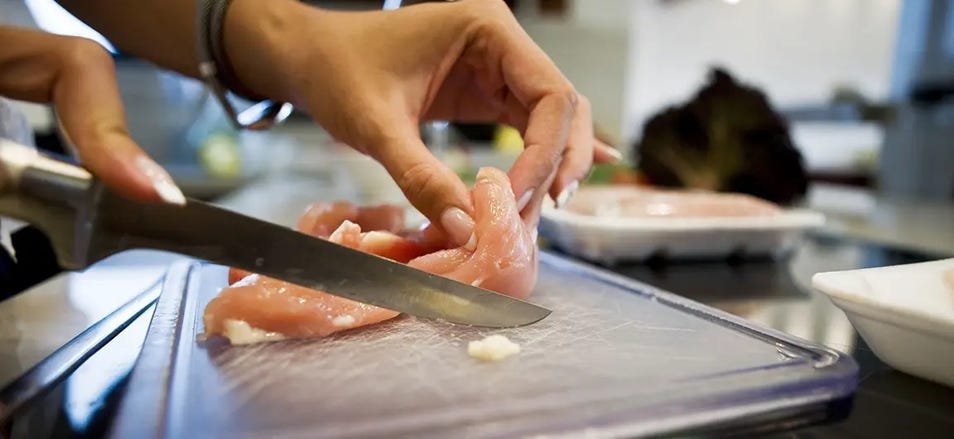
Your cutting board is one of the busiest tools in your kitchen. But do you know how to clean it properly to keep your food safe and your board lasting longer?
If you want to avoid harmful bacteria and nasty odors, it’s crucial to learn the right cleaning methods. You’ll discover simple, effective tips that make cleaning your cutting board quick and hassle-free. Keep reading to find out how to protect your health and maintain your kitchen’s cleanliness with ease.
Credit: www.rnz.co.nz
Types Of Cutting Boards
Cutting boards come in different materials. Each type needs special care for cleaning.
Knowing the differences helps you keep your board safe and long-lasting.
Wooden Boards
Wooden boards are gentle on knives and look natural in kitchens. They can absorb liquids if not cleaned well.
- Use warm soapy water to wash them after use.
- Dry them quickly to stop warping or cracking.
- Oil the board regularly to keep the wood healthy.
- Do not soak wooden boards in water for a long time.
Plastic Boards
Plastic boards are easy to clean and often dishwasher safe. They come in bright colors, which helps avoid cross-contamination.
| Cleaning Method | Notes |
| Dishwasher | Safe for most plastic boards |
| Hand wash | Use hot, soapy water and scrub well |
| Replace | Replace boards with deep cuts to avoid bacteria |
Glass And Bamboo Options
Glass boards are easy to clean but can dull knives fast. Bamboo boards are hard and eco-friendly but need good care.
| Material | Cleaning Tips | Caution |
|---|---|---|
| Glass | Wash with soap and water or dishwasher | Hard on knives, can break if dropped |
| Bamboo | Hand wash and dry quickly | Can crack if soaked or left wet |
Daily Cleaning Practices
Cleaning your cutting board daily helps keep it safe and ready to use. Dirt and germs can hide on the surface.
Use simple steps to clean your board after every use. This stops bacteria from growing.
Soap And Water Technique
Wash your cutting board with warm water and soap. Use a sponge or brush to scrub the whole surface well.
Make sure to clean both sides of the board. This keeps germs from spreading to your food.
- Use mild dish soap for cleaning
- Scrub with a sponge or brush
- Clean both sides of the board
- Focus on knife marks and grooves
Rinsing And Drying
Rinse the cutting board with clean water after scrubbing. Remove all soap and food bits.
Dry the board completely before storing it. Use a clean towel or let it air dry upright.
- Rinse with warm running water
- Check for leftover soap
- Use a clean towel to dry
- Store board in a dry place
Deep Cleaning Methods
Cutting boards need deep cleaning to remove germs and stains. Regular washing is not enough.
Here are effective ways to clean cutting boards deeply using common household items.
Using Vinegar Solution
White vinegar kills bacteria and removes odors from cutting boards. It is safe and natural.
Spray or pour vinegar on the board. Let it sit for 5 minutes, then rinse with water.
- Use full-strength white vinegar
- Apply evenly on the surface
- Let it rest to kill germs
- Rinse well with warm water
Baking Soda And Lemon Paste
Baking soda and lemon make a gentle scrubbing paste. This cleans stains and freshens the board.
Mix baking soda with lemon juice until it forms a paste. Rub it on the board and wait 10 minutes.
- Use 3 parts baking soda to 1 part lemon juice
- Apply paste with a sponge or cloth
- Scrub gently in circular motions
- Rinse with warm water after resting
Hydrogen Peroxide Application
Hydrogen peroxide removes deep stains and kills bacteria on cutting boards. Use 3% solution.
Pour hydrogen peroxide on the board and let it sit for a few minutes. Rinse well afterward.
- Use a clean cloth or spray bottle
- Cover the entire cutting surface
- Let it work for 5-10 minutes
- Rinse thoroughly with water
Sanitizing For Extra Safety
Cutting boards can hold bacteria that cause illness. Cleaning alone is not enough.
Sanitizing cutting boards kills germs and keeps food safe to eat.
Bleach Solution Use
Bleach is a strong sanitizer that kills most bacteria and viruses on cutting boards.
Use a bleach solution made with one tablespoon of bleach in one gallon of water.
- Wash the board with soap and water first.
- Soak or wipe the board with the bleach solution.
- Let it sit for a few minutes to kill germs.
- Rinse the board well with clean water.
- Air dry the board completely before use.
Vinegar And Peroxide Combination
Vinegar and hydrogen peroxide work well together to sanitize cutting boards.
They kill bacteria without using harsh chemicals like bleach.
- Spray vinegar on the cutting board and let it sit for a few minutes.
- Spray hydrogen peroxide over the vinegar.
- Wait until the bubbling stops to ensure germs are killed.
- Rinse the board with water and dry it well.
Removing Stubborn Stains
Cutting boards can get tough stains from fruits, vegetables, and meat. These stains are hard to remove with regular washing. Using natural ingredients helps clean deeply without damage.
Salt and lemon or baking soda paste are two easy and safe ways to clean your cutting board. They work well on stubborn stains and also freshen the board.
Salt And Lemon Scrub
This method uses coarse salt and lemon juice to scrub stains away. The salt acts as a scrubber, and lemon juice breaks down the stains with its natural acidity.
- Sprinkle a thick layer of coarse salt over the stained area.
- Cut a lemon in half and rub it on the salt, squeezing juice as you scrub.
- Scrub the board using the lemon and salt for about five minutes.
- Let it sit for 10 minutes to let the lemon juice work on the stains.
- Rinse the board with warm water and dry it well.
Baking Soda Paste
Baking soda paste lifts stains and removes odors. It is gentle on wood but strong enough to clean deep stains.
| Ingredient | Amount |
| Baking soda | 2 tablespoons |
| Water | 1 tablespoon |
Mix baking soda and water to form a thick paste. Apply it on the stained area and scrub with a sponge or brush. Let it sit for 15 minutes, then rinse and dry.

Credit: telegrafi.com
Odor Elimination Techniques
Cutting boards can hold strong smells after use. Removing these odors keeps your kitchen fresh.
There are simple ways to clear smells without harsh chemicals. Natural ingredients work well.
Using Coffee Grounds
Used coffee grounds absorb bad smells on cutting boards. They are gentle and easy to use.
Rub the damp coffee grounds over the board. Let it sit for 10 minutes before rinsing.
- Use fresh or used coffee grounds
- Rub in a circular motion
- Leave for 10 minutes
- Rinse with warm water
Vinegar Soak
White vinegar removes odors and disinfects cutting boards. It works well on wood and plastic.
Soak a cloth in vinegar and wipe the board. Let it sit for 5 to 10 minutes before rinsing.
- Use white vinegar only
- Wipe or soak the board
- Let it sit 5 to 10 minutes
- Rinse with water and dry
Maintenance Tips For Longevity
Cutting boards need care to last longer and stay safe. Cleaning is not enough. You must also maintain them well.
Two key ways to keep cutting boards in good shape are oiling wood boards regularly and avoiding the dishwasher.
Regular Oiling For Wood
Oiling wooden cutting boards stops cracks and warping. It keeps the wood strong and smooth.
- Use food-grade mineral oil only.
- Apply oil with a clean cloth or paper towel.
- Cover all surfaces evenly.
- Let the oil soak for a few hours or overnight.
- Wipe off any extra oil before use.
- Oil your board once a month or when it looks dry.
Avoiding The Dishwasher
Dishwashers damage cutting boards by using high heat and strong water jets. This can cause wood to crack and plastic to warp.
| Problem | Effect on Cutting Boards |
| High heat | Wood dries out and cracks |
| Strong water jets | Plastic bends and breaks |
| Harsh detergents | Remove oils and damage surfaces |
When To Replace Cutting Boards
Cutting boards need regular cleaning and care. Over time, they wear out and can be unsafe to use.
Knowing when to replace your cutting board helps keep food safe and your kitchen clean.
Signs Of Wear And Tear
Cutting boards show signs of damage after frequent use. Deep cuts and cracks are common problems.
These damages can trap bacteria and make cleaning difficult. It is a good idea to replace boards that look worn.
- Deep grooves or cuts in the surface
- Cracks or splits in wooden boards
- Warping or bending of the board
- Discoloration that won’t wash off
Health Considerations
Bacteria can hide in damaged cutting boards. This can cause food poisoning and illness.
Replacing boards regularly helps prevent cross-contamination and keeps food safe for your family.
- Old boards may harbor harmful bacteria
- Cracks allow germs to grow inside
- Plastic boards can develop deep cuts that are hard to clean
- Wood boards need replacing when cracked or split
Credit: www.yahoo.com
Frequently Asked Questions
How Often Should I Clean My Cutting Board?
Clean your cutting board after every use to prevent bacteria buildup. Regular cleaning keeps it safe and odor-free.
What Is The Best Method To Clean Wooden Cutting Boards?
Use warm soapy water and a scrub brush. Rinse thoroughly and dry immediately to avoid warping.
Can I Use Bleach To Clean Cutting Boards Safely?
Yes, dilute bleach with water for sanitizing. Use it sparingly to avoid damaging the board surface.
How Do I Remove Stains And Odors From Cutting Boards?
Rub lemon juice and coarse salt on the board. Let sit, then rinse for fresh, clean results.
Conclusion
Cleaning cutting boards keeps your kitchen safe and healthy. Use soap, hot water, and scrub well after each use. Dry boards completely to stop germs from growing. For wooden boards, oil them to prevent cracks and warping. Regular care extends their life and keeps food fresh.
Clean boards help avoid cross-contamination and food poisoning. Simple steps make a big difference every day. Keep your cutting boards clean and enjoy safer cooking.