
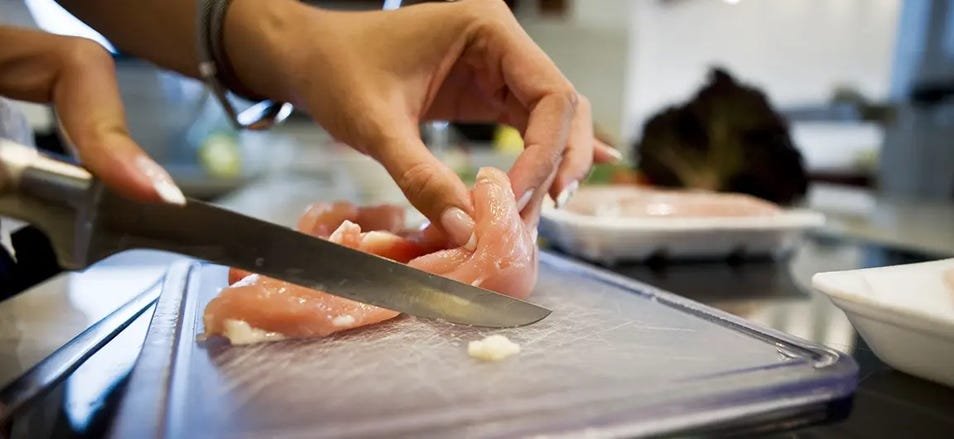
You’ve just finished preparing meat, and now your cutting board is covered with juices and bits that could harbor harmful bacteria. Cleaning it properly isn’t just about keeping your kitchen tidy—it’s about protecting your health and your family’s.
If you don’t clean your cutting board the right way, you could be inviting germs into your meals without even knowing it. You’ll discover simple, effective steps to make sure your cutting board is safe and spotless every time. Keep reading to learn how to clean your cutting boards after meat preparation so you can cook with confidence and peace of mind.
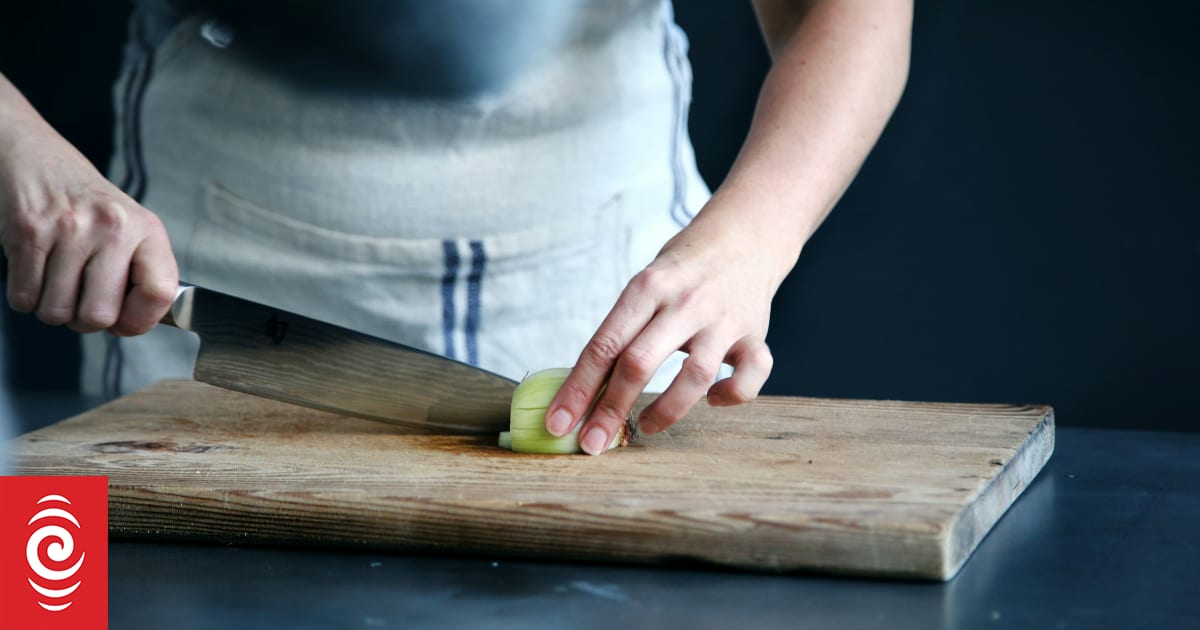
Credit: www.rnz.co.nz
Choosing The Right Cutting Board
Choosing the right cutting board is important for safe meat preparation. Different materials have different benefits and drawbacks.
Wood and plastic are the most common choices. Each type has unique qualities that affect cleanliness and usability.
Wood Vs Plastic Boards
Wood cutting boards are popular for their durability. They are gentle on knives and provide a stable surface.
Plastic boards are easy to clean and often dishwasher safe. They are lightweight and come in many sizes.
- Wood boards are natural and strong
- Plastic boards are convenient and hygienic
- Wood can be harder to clean than plastic
Pros And Cons For Meat Preparation
When preparing meat, hygiene is key. Both wood and plastic boards have advantages and disadvantages.
Wood boards may harbor bacteria if not cleaned properly. Plastic boards can be sanitized easily, but may wear out faster.
- Wood is long-lasting but needs more care
- Plastic is easy to sanitize but may get knife marks
- Choose a board that fits your cleaning routine
Initial Cleaning Steps
Cleaning cutting boards after cutting meat is important to keep your kitchen safe. Proper cleaning removes harmful bacteria and prevents cross-contamination.
Start by focusing on removing meat residue and rinsing the board well. These steps prepare the board for deeper cleaning.
Removing Meat Residue
Use a spatula or scraper to remove leftover meat pieces from the board. Remove as much residue as you can before washing.
Scrape the board gently to avoid scratching it. Scraping helps get rid of stuck bits that can carry bacteria.
Rinsing Techniques
Rinse the cutting board under warm running water. Let the water wash away loose meat juices and small particles.
Do not soak the board for a long time. Quick rinsing helps keep the board safe without damaging it.
- Use warm water to rinse thoroughly
- Keep the board angled to let water flow off
- Rinse both sides of the board
Deep Cleaning Methods
Cutting boards need a deep clean after cutting meat to stop bacteria growth. Dirt and germs can hide in the board’s surface.
Using strong cleaning methods helps keep your kitchen safe and your cutting board fresh.
Using Hot Soapy Water
Wash the cutting board with hot water and dish soap right after use. Hot water helps remove oils and meat residue.
Scrub the surface well with a brush or sponge to clean all the grooves and cuts.
- Use water as hot as you can handle safely
- Apply a good amount of dish soap
- Scrub all sides of the board
- Rinse thoroughly with hot water
- Dry the board with a clean towel or air dry
Disinfecting With Vinegar Or Bleach
After washing, use vinegar or diluted bleach to kill bacteria. Vinegar is natural and safe to use regularly.
Bleach is stronger but should be used carefully and not too often.
- Spray white vinegar on the board and let sit 5 minutes
- Rinse with water and dry
- For bleach, mix 1 tablespoon bleach with 1 gallon water
- Apply the bleach solution for 2 minutes only
- Rinse well with water and dry completely
Applying Baking Soda Scrubs
Baking soda helps remove stains and odors from cutting boards. It also acts as a gentle scrub.
Make a paste with baking soda and water to clean the board deeply.
- Mix 3 parts baking soda with 1 part water
- Spread the paste over the cutting board surface
- Use a sponge or brush to scrub the board
- Let it sit 5 minutes to absorb odors
- Rinse well with warm water and dry
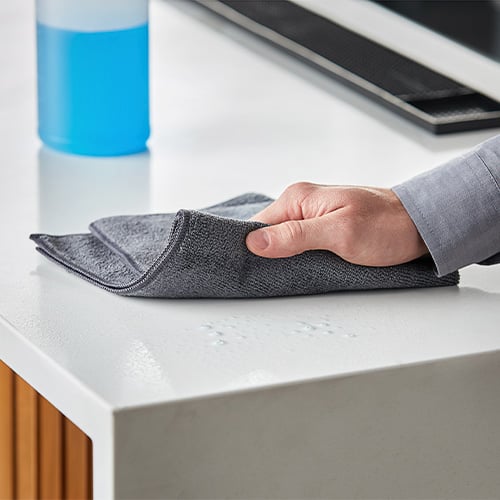
Credit: www.webstaurantstore.com
Sanitizing Tips
Cleaning cutting boards after preparing meat is very important. It helps stop germs from spreading.
Sanitizing your cutting boards keeps your kitchen safe and food healthy. Let’s look at some useful tips.
Choosing Safe Sanitizers
Pick sanitizers that kill harmful bacteria but are safe for food surfaces. Avoid harsh chemicals that can damage your board.
Common safe sanitizers include diluted bleach solutions and food-safe vinegar mixtures. These clean well without leaving bad residues.
- Diluted bleach (1 tablespoon bleach per gallon of water)
- White vinegar (full strength or diluted with water)
- Hydrogen peroxide (3% solution)
- Commercial food-safe sanitizers designed for kitchens
Proper Contact Time
Sanitizers need time to work. Let the solution stay on the board long enough to kill bacteria.
Usually, leaving the sanitizer on for 1 to 5 minutes is best. Check product labels for exact times.
- Apply sanitizer after washing the board with soap and water
- Spread sanitizer evenly over the surface
- Wait 1 to 5 minutes to allow proper action
- Rinse with clean water if required by the sanitizer instructions
- Air dry or dry with a clean towel
Drying And Maintenance
Cleaning cutting boards after meat use is very important. Drying and caring for your board helps it last longer.
Proper drying stops bacteria from growing. Good maintenance keeps your board strong and safe.
Air Drying Vs Towel Drying
Air drying lets your cutting board dry naturally. It uses fresh air to remove moisture safely.
Towel drying is faster but can leave tiny fibers on the board. It may trap moisture if not done well.
- Air drying reduces bacteria growth by drying all sides.
- Towel drying is quick but needs a clean, dry cloth.
- Stand the board up to let air flow around it.
- Do not stack boards while drying to avoid moisture build-up.
Preventing Warping And Cracks
Warping and cracks happen when wood gets too wet or dries unevenly. This damages your cutting board.
Keep your board flat and dry it fully after washing. Oil it regularly to stop the wood from drying out.
- Do not soak your cutting board in water.
- Dry both sides evenly to avoid bending.
- Use food-safe mineral oil once a month.
- Store the board in a cool, dry place.
Avoiding Cross-contamination
Cross-contamination happens when harmful germs spread from raw meat to other foods. It can cause food poisoning and illness.
Cleaning cutting boards properly after meat preparation stops these germs from spreading. This keeps your kitchen safe.
Separate Boards For Meat And Vegetables
Use different cutting boards for meat and vegetables. This prevents germs on raw meat from touching fresh vegetables.
Mark or color-code the boards to avoid confusion. Clean each board well after every use.
- Raw meat boards should be washed with hot, soapy water
- Vegetable boards need gentle cleaning but must stay separate
- Replace worn boards to avoid cracks where germs hide
Storage Best Practices
Store cutting boards in a dry, clean place. Keep boards separate to avoid contact between meat and vegetable boards.
Dry boards completely before storing. Moisture helps bacteria grow on cutting boards.
- Store boards upright to air dry well
- Keep meat boards away from vegetable boards
- Use a clean rack or shelf for storage
When To Replace Your Cutting Board
Cutting boards can get worn out after using them for meat. It is important to know when to replace your board. A damaged board can cause health problems.
Replacing your cutting board on time keeps your kitchen safe. It also helps keep your food clean and fresh.
Signs Of Wear And Damage
Look closely at your cutting board for cracks or deep grooves. These places can trap bacteria and are hard to clean well.
If the board is warped or has rough edges, it is time to replace it. Also, check for discoloration or bad smells that do not go away.
- Deep knife marks or cuts
- Cracks or splits in the board
- Warped or bent shape
- Foul or persistent odors
- Stains that do not wash off
Health Risks Of Old Boards
Old cutting boards can hold bacteria from raw meat. These germs can cause food poisoning or infections.
Using a damaged board increases the chance of cross-contamination. This means harmful germs spread to other foods.
- Bacteria build-up in cracks
- Risk of foodborne illnesses
- Cross-contamination of raw and cooked foods
- Harder to clean and sanitize properly
Credit: www.belarehome.com
Frequently Asked Questions
How Do I Sanitize A Cutting Board After Meat Use?
To sanitize, wash with hot soapy water first. Then apply a bleach solution (1 tbsp bleach per gallon water). Let it sit for a few minutes. Rinse thoroughly and air dry. This kills bacteria from raw meat and prevents cross-contamination.
Can I Use Vinegar To Clean Cutting Boards?
Yes, vinegar is a natural disinfectant. Spray white vinegar on the board and let it sit for 5 minutes. Rinse with warm water and dry. It helps remove odors and some bacteria but is less effective than bleach for sanitizing meat boards.
How Often Should I Deep Clean My Cutting Board?
Deep clean your cutting board after every meat preparation. This prevents bacteria buildup and foodborne illness. Regular washing isn’t enough for raw meat residue. Use hot water, soap, and a sanitizing solution to ensure safety and cleanliness.
Is It Safe To Use The Same Board For Meat And Vegetables?
It’s best to use separate boards for meat and vegetables. Using the same board risks cross-contamination. If only one board is available, sanitize thoroughly between uses. This prevents harmful bacteria transfer from raw meat to other foods.
Conclusion
Cleaning cutting boards after meat keeps your kitchen safe and healthy. Use hot water and soap to wash away germs. Scrub well to remove any meat residue. Rinse thoroughly and dry completely to avoid bacteria growth. Regular cleaning stops cross-contamination and food poisoning.
Simple steps make your cutting board last longer. Keep your cooking space clean and fresh every time. Safe food starts with clean tools. Remember, a clean cutting board protects your family’s health. Easy habits lead to safer meals.