
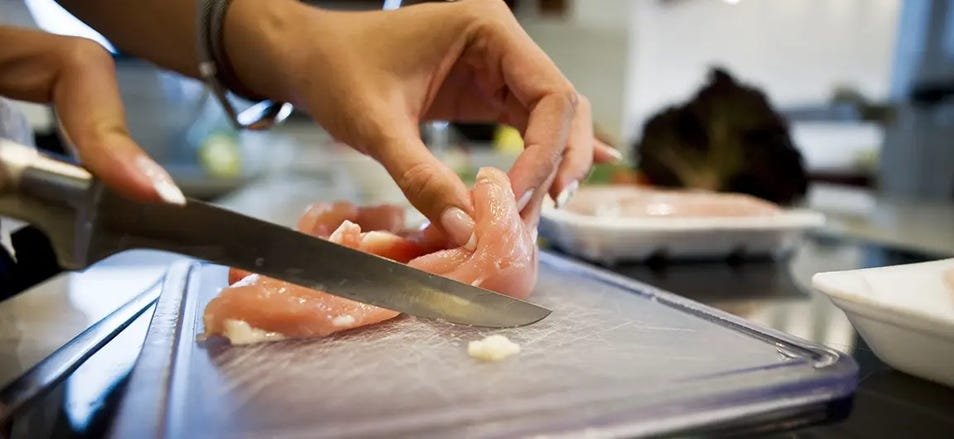
You’ve just finished prepping meat for your meal. Now comes a crucial step that many overlook: cleaning your cutting board properly.
If you don’t clean it right, harmful bacteria can linger and put your health at risk. But don’t worry—this guide will show you simple, effective ways to make sure your cutting board is spotless and safe to use again. Keep reading, and you’ll learn easy tips that save you time and protect your family from foodborne illnesses.
Choosing The Right Cleaning Tools
Cleaning cutting boards after meat preparation is important to keep your kitchen safe. Using the right tools helps remove germs and stains well.
Pick cleaning tools that work best for your cutting board material and remove bacteria effectively.
Soft Scrub Brushes
Soft scrub brushes clean without damaging the board surface. They reach into grooves where meat juices hide.
Choose brushes with nylon bristles. They last long and remove dirt well without scratching.
- Easy to hold handles
- Non-abrasive bristles
- Good for plastic and wood boards
Dish Sponges
Dish sponges help wash away meat residue quickly. Use ones that are firm but gentle on the board.
Replace sponges often to avoid bacteria build-up. Avoid sponges with rough sides on wooden boards.
- Soft side for general cleaning
- Avoid scratching surfaces
- Use fresh sponges regularly
Dish Soap
Use a mild dish soap to clean cutting boards. Soap helps remove grease and kill bacteria.
Choose unscented soap to avoid strong smells on your board. Always rinse well to remove soap residue.
Sanitizing Solutions
After washing, sanitize the board to kill leftover germs. Use a diluted bleach or vinegar solution.
Apply the solution and let it sit a few minutes. Rinse well and air dry for best results.
- One tablespoon bleach per gallon of water
- Or white vinegar for natural cleaning
- Use gloves to protect your hands
Drying Tools
Use clean towels or drying racks to dry boards after cleaning. Drying stops germs from growing.
Avoid damp places. Air drying is best to prevent moisture build-up.
- Clean dish towels or paper towels
- Dry racks with good airflow
- Store boards standing up to dry
Rinsing The Cutting Board
Rinsing the cutting board is an important part of cleaning after cutting meat. It helps remove leftover meat bits and juices.
Proper rinsing lowers the risk of bacteria staying on the board. It prepares the board for deeper cleaning.
Use Warm Water
Start rinsing the cutting board with warm water. Warm water helps loosen meat particles and fats better than cold water.
Make sure the water is not too hot to avoid damaging wooden boards.
Rinse Immediately After Use
Rinse the cutting board right after cutting meat. This stops meat juices from drying and sticking to the surface.
Immediate rinsing makes cleaning easier and reduces bacteria growth.
Use Running Water
Hold the cutting board under running water while rinsing. Running water washes away meat residues more effectively.
Make sure to rinse all sides and edges of the board for thorough cleaning.
Scrub Gently While Rinsing
Use a soft brush or sponge to scrub the board gently under the water. This helps remove small bits of meat stuck in grooves.
Avoid using harsh scrubbers that can damage the board’s surface.
Check For Remaining Food Particles
Look closely at the board after rinsing. Make sure no meat bits or juice stains remain.
If you see any residues, rinse again or scrub gently until clean.
Using Soap And Water
Cleaning cutting boards after cutting meat is very important. Soap and water remove bacteria and food residue effectively.
Using soap and water helps keep your kitchen safe and your cutting board ready for the next use.
Rinse The Cutting Board
Start by rinsing the cutting board with warm water. This removes loose meat bits and juices.
Rinsing first helps soap work better and prevents spreading bacteria.
Apply Soap And Scrub
Use a dish soap that cuts grease and a clean sponge or brush. Scrub the board well on all sides.
- Use warm water to help remove fat
- Scrub all surfaces, including edges
- Pay extra attention to knife grooves
Rinse Thoroughly
Rinse the board with warm water to remove all soap and food particles. Soap residue can affect food taste.
Check the board to make sure no soap or meat remains are left.
Dry The Cutting Board
Use a clean towel to dry the board or let it air dry standing up. Moisture can cause bacteria growth.
Make sure the board is fully dry before storing it away to keep it safe and clean.
Applying Natural Disinfectants
Cleaning cutting boards after cutting meat is important to stop germs. Natural disinfectants help keep boards safe without harsh chemicals.
Using natural products is gentle on wood and plastic boards. They also remove smells and stains well.
Vinegar Solution
White vinegar is a strong natural cleaner. It kills many bacteria found on cutting boards after meat use.
Mix equal parts white vinegar and water. Spray or wipe the solution on the board. Let it sit for a few minutes, then rinse with hot water.
- Use 1 cup white vinegar and 1 cup water
- Apply with a spray bottle or cloth
- Let it sit 5 minutes before rinsing
- Dry the board completely
Lemon Juice And Salt
Lemon juice acts as a natural bleach and kills germs. Salt works as a scrub to remove stains and debris from the board.
Cut a lemon in half and dip it in salt. Rub the lemon on the board in circles. Let it sit for a few minutes, then rinse well with warm water.
- Use fresh lemon juice for best results
- Coarse salt works best for scrubbing
- Rub the lemon and salt gently but firmly
- Rinse and dry the board thoroughly
Utilizing Commercial Cleaners
Cleaning cutting boards after meat preparation is very important. Commercial cleaners help remove bacteria and stains quickly.
These cleaners are made to kill germs and keep your kitchen safe. Use them carefully and follow instructions.
Selecting The Right Commercial Cleaner
Choose a cleaner made for kitchen use. It should be safe for food contact surfaces.
Look for cleaners that kill bacteria like Salmonella and E. coli. These are common in raw meat.
- Food-safe disinfectants
- Non-toxic formulas
- Fast-acting cleaning agents
How To Apply Commercial Cleaners
First, scrape off any leftover meat bits from the board. Rinse the board with warm water.
Spray or spread the commercial cleaner evenly on the surface. Let it sit for the time shown on the label.
- Remove food scraps
- Apply cleaner thoroughly
- Wait to allow disinfecting
Rinsing And Drying The Cutting Board
After the cleaner works, rinse the board with hot water. Make sure to wash off all cleaner residues.
Dry the board completely using a clean towel or air dry. Wet boards can grow bacteria again.
- Rinse thoroughly with hot water
- Use a clean towel to dry
- Store board in a dry place
Safety Tips When Using Commercial Cleaners
Always read the label before use. Wear gloves to protect your skin from strong chemicals.
Keep cleaners away from children and pets. Do not mix different cleaning products together.
- Read and follow instructions
- Wear protective gloves
- Keep out of reach of children
- Do not mix cleaners
Credit: www.belarehome.com
Sanitizing With Bleach
Cleaning cutting boards after cutting meat is very important. Bleach is a strong sanitizer that kills germs well.
Using bleach safely keeps your cutting board clean and stops bacteria from spreading.
Prepare The Bleach Solution
Make a bleach solution by mixing one tablespoon of bleach with one gallon of water. Use cold water to keep it effective.
Always prepare the solution fresh before cleaning. Do not use bleach that is expired or too strong.
Clean The Cutting Board First
Wash the cutting board with hot soapy water first. Remove all meat juices and food bits.
Rinse well with clean water before using the bleach solution.
Apply The Bleach Solution
Use a clean cloth or spray bottle to apply the bleach solution. Cover the entire surface of the cutting board.
Let the bleach solution sit on the board for at least two minutes to kill bacteria.
Rinse And Dry The Board
Rinse the cutting board thoroughly with clean water to remove all bleach residue. This prevents chemical taste.
Dry the board completely with a clean towel or air dry it before storing.
Safety Tips For Using Bleach
- Wear gloves to protect your skin from bleach.
- Use bleach in a well-ventilated area to avoid strong fumes.
- Never mix bleach with ammonia or other cleaners.
- Store bleach away from children and pets.
Drying Techniques
After cleaning cutting boards used for meat, drying is very important. Drying helps stop bacteria from growing.
Using the right drying method keeps your board safe and ready for the next use.
Air Drying
Air drying is the easiest way to dry a cutting board. Place it in a clean, dry spot.
Stand the board upright or on its side. This lets air reach all sides.
- Keep the board away from damp areas
- Make sure air flows around the board
- Do not stack boards while drying
Using A Dry Towel
After washing, use a clean towel to dry the board. Wipe both sides thoroughly.
This removes extra water and helps speed up drying. Use a towel that is dry and clean.
- Use a cotton or microfiber towel
- Pat the surface instead of rubbing hard
- Change towels if they get too wet
Using A Fan Or Air Circulation
Place the cutting board near a fan to speed drying. Moving air helps water evaporate faster.
Keep the board upright and avoid crowded spaces to get good air flow.
- Use a small table fan or ceiling fan
- Do not cover the board while drying
- Ensure the area is clean and dust-free
Avoiding Damp Storage
Do not store cutting boards while damp. Moisture invites bacteria and mold growth.
Wait until the board is completely dry before putting it away.
- Store in a dry, well-ventilated area
- Keep boards separate, do not stack
- Check boards for moisture before storage
Credit: www.rnz.co.nz
Maintaining Cutting Board Hygiene
Cleaning cutting boards after cutting meat is very important. It helps stop germs from spreading.
Keeping boards clean protects your health and makes cooking safer for everyone.
Regular Inspection
Check your cutting boards often for cracks or deep cuts. These can hide bacteria.
Replace boards that look worn out or hard to clean well. This keeps germs from growing.
- Look for deep scratches and grooves
- Check for stains or smells
- Replace boards with hard-to-clean surfaces
Avoiding Cross-contamination
Use separate cutting boards for meat and other foods. This stops bacteria from spreading.
Clean boards well with hot soapy water after each use. Dry them completely before storing.
- Never cut meat and vegetables on the same board
- Wash boards with hot water and soap after meat use
- Dry boards fully to prevent bacteria growth
When To Replace Your Cutting Board
Cutting boards can wear out over time. It is important to know when to get a new one.
Using a damaged board can spread bacteria. This is unsafe after cutting meat.
Deep Cuts And Grooves
Look for deep cuts or grooves on the board surface. These spots trap bacteria.
Cleaning may not remove germs from these hard-to-reach areas. Replace the board if cuts are deep.
- Check for cracks and deep scratches
- Replace if grooves do not clean well
- Use a new board for safer food prep
Persistent Odors And Stains
Strong smells or stains can mean bacteria remain in the board. This is common after meat use.
If smells or stains do not go away after cleaning, it is time to replace the board.
- Try cleaning with vinegar or baking soda first
- If odors persist, replace the board
- Use a fresh board to avoid cross-contamination
Warping Or Cracking
Boards can warp or crack from water and heat exposure. Warped boards are unstable.
Cracks allow bacteria to hide. Replace your cutting board if it warps or cracks.
- Check edges for warping
- Look for cracks on the surface
- Replace if board is no longer flat
Board Material And Lifespan
Different materials last different lengths of time. Wood boards may need more care.
Plastic boards are cheaper but can wear faster. Replace boards regularly for safety.
| Material | Typical Lifespan | Replacement Signs |
|---|---|---|
| Wood | 1 to 3 years | Deep cuts, cracks, warping |
| Plastic | 1 year or less | Grooves, staining, odors |
| Bamboo | 1 to 2 years | Splitting, warping, stains |
Credit: www.webstaurantstore.com
Frequently Asked Questions
How Do I Disinfect A Cutting Board After Meat Use?
Clean the board with hot, soapy water immediately after use. Then, disinfect it with a solution of one tablespoon bleach per gallon of water. Rinse thoroughly and air dry to prevent bacteria growth.
Can I Use Vinegar To Clean Cutting Boards?
Yes, vinegar is a natural disinfectant. Spray or wipe white vinegar on the board, let it sit for a few minutes, then rinse with water. It helps kill bacteria and remove odors effectively.
How Often Should I Replace My Cutting Board?
Replace wooden boards every 1-2 years or when deep grooves appear. Plastic boards should be replaced if they develop hard-to-clean cuts. Regular replacement prevents bacteria buildup and ensures food safety.
Is It Safe To Wash Cutting Boards In A Dishwasher?
Plastic cutting boards are dishwasher safe and get sanitized well. Wooden boards should not go in the dishwasher as heat and water can cause cracking and warping. Hand wash wooden boards carefully instead.
Conclusion
Cleaning cutting boards after meat use keeps your kitchen safe. Use hot, soapy water right after cutting meat. Rinse well and dry completely to stop bacteria growth. You can also use vinegar or baking soda for extra cleaning. Avoid mixing raw meat with other foods on the same board.
Regular cleaning helps prevent illness and keeps your board in good shape. Simple steps make a big difference in food safety. Clean boards mean safer meals for you and your family. Keep these tips in mind every time you cook.