
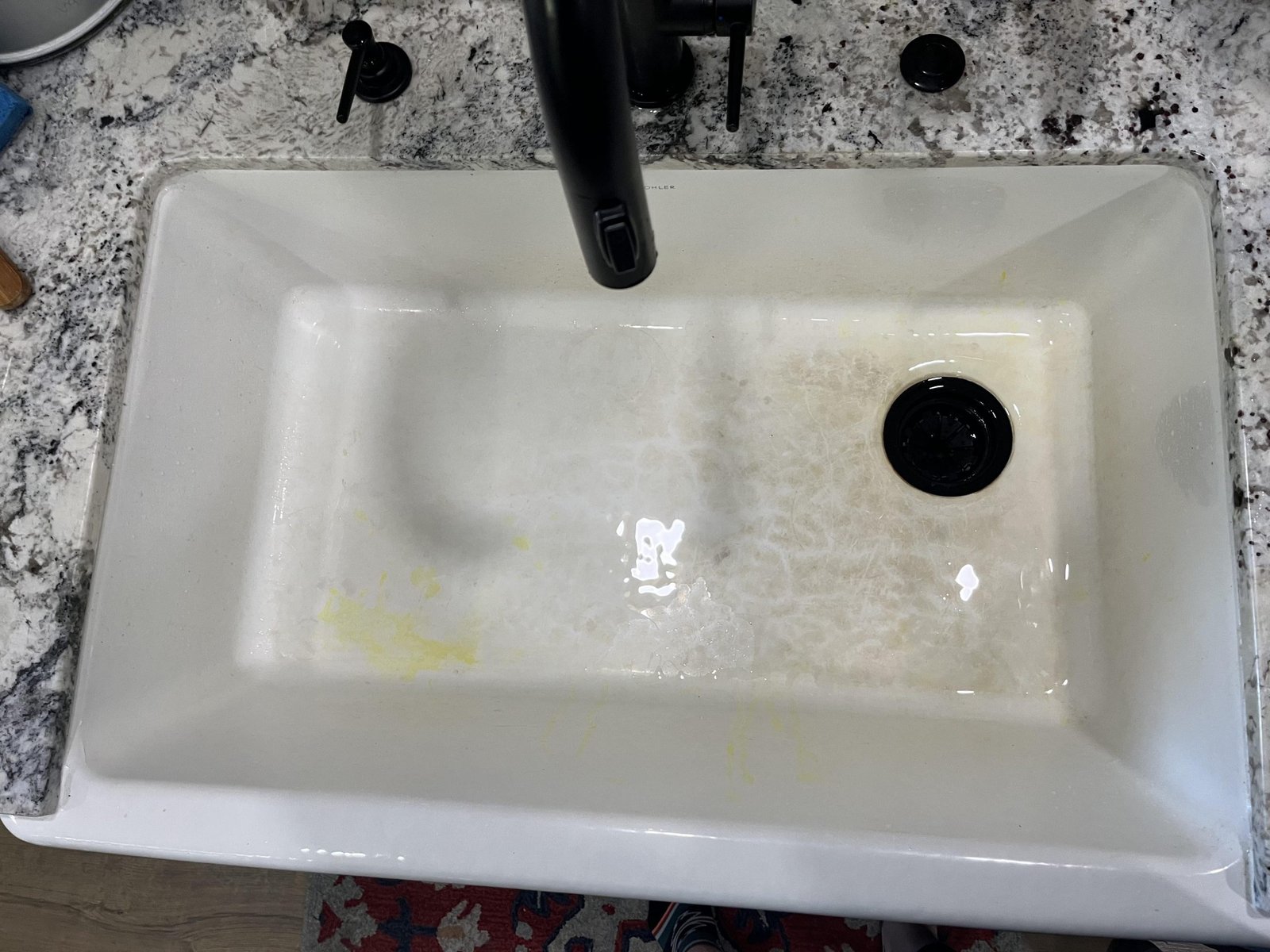
Are stubborn stains ruining the look of your ceramic sink? You’re not alone.
Ceramic sinks are beautiful and durable, but they can easily lose their shine when stains build up. The good news? You don’t need harsh chemicals or expensive cleaners to bring back that fresh, spotless surface. You’ll discover simple, effective ways to clean ceramic sink stains and keep your sink looking brand new.
Stick with me, and by the end, you’ll have easy tips that save you time and frustration. Ready to make your sink sparkle again? Let’s dive in!
Common Causes Of Stains
Ceramic sinks look clean and bright when well maintained. Stains can spoil their shine and make them look old.
Knowing what causes stains helps you clean the sink better and keep it spotless longer.
Hard Water Deposits
Hard water contains minerals like calcium and magnesium. These minerals leave white or cloudy marks on ceramic sinks. Over time, they build up and become hard to remove.
Rust And Metal Stains
Rust stains come from metal objects left in the sink or old plumbing pipes. They appear as orange or brown marks that can be tough to clean.
Food And Drink Residues
Spilled coffee, tea, wine, or sauces can leave colorful stains. If not cleaned quickly, these stains soak into the ceramic surface.
Soap Scum And Grease
Soap scum forms when soap mixes with minerals in water. It creates a dull, filmy layer. Grease from dishes or hands adds to this build-up.
- Use mild soap and warm water to wash regularly.
- Avoid harsh chemicals that can damage the ceramic.
- Rinse the sink well to prevent residue build-up.
Mold And Mildew Growth
Mold and mildew appear in damp and dark sink areas. They cause black or green spots. These stains need proper cleaning to stop them from spreading.
| Cause | Appearance | Common Areas |
| Hard Water Deposits | White or cloudy marks | Sink basin and faucet base |
| Rust and Metal Stains | Orange or brown spots | Drain and around metal objects |
| Food and Drink Residues | Colorful stains (red, brown) | Sink bottom and sides |
| Soap Scum and Grease | Dull, filmy layer | Sink edges and drain area |
| Mold and Mildew Growth | Black or green spots | Under faucet and sink corners |
Credit: www.youtube.com
Essential Cleaning Supplies
Cleaning ceramic sink stains needs the right supplies. Good tools make the job easier and faster.
This guide lists the essential supplies to keep your ceramic sink bright and stain-free.
Mild Dish Soap
Mild dish soap helps remove everyday dirt and grease. It is gentle on ceramic surfaces and safe to use often.
Baking Soda
Baking soda is a natural cleaner. It scrubs stains without scratching the sink’s surface.
White Vinegar
White vinegar breaks down mineral deposits and soap scum. It works well on tough stains in ceramic sinks.
Soft Scrub Brush Or Sponge
Use a soft scrub brush or sponge to clean the sink gently. Avoid hard brushes that might scratch ceramic.
Rubber Gloves
Wear rubber gloves to protect your hands from cleaning agents and rough scrubbing.
Essential Supplies Checklist
- Mild dish soap
- Baking soda
- White vinegar
- Soft scrub brush or sponge
- Rubber gloves
Pre-cleaning Preparation
Cleaning ceramic sink stains is easier with good preparation. Getting ready helps remove stains safely and well.
Start by gathering tools and checking the sink for damage. This helps avoid problems during cleaning.
Gather Cleaning Supplies
Collect all materials before you start cleaning. This saves time and keeps the process smooth.
- Soft sponge or cloth
- Mild dish soap
- Baking soda
- White vinegar
- Old toothbrush
- Rubber gloves
- Bucket or bowl
Clear The Sink Area
Remove dishes, soaps, and other items from the sink. A clear area makes cleaning easier and safer.
Wipe away crumbs or dirt from the sink surface before applying cleaners.
Check For Sink Damage
Look for cracks or chips in the ceramic. Cleaning harshly may worsen damage.
If you find damage, use gentle cleaning methods or seek professional help.
Ventilate The Area
Open windows or turn on a fan. Fresh air helps reduce fumes from cleaning products.
Good ventilation keeps you safe while cleaning the sink.
Daily Maintenance Tips
Keeping your ceramic sink clean every day helps stop stains from building up. Simple habits make cleaning easier and keep the sink looking new.
Daily care protects your sink surface and saves time on deep cleaning. Small steps add up to a bright and fresh sink.
Rinse After Each Use
Rinse the sink with warm water after each use. This removes food and soap that can cause stains over time.
Use a hand-held sprayer or a cup to pour water evenly. Make sure to rinse all corners and edges.
Wipe Dry Daily
Use a soft cloth or sponge to dry the sink after rinsing. Water left on the surface can leave mineral spots and stains.
Drying also stops mold and mildew from growing in wet areas around the sink.
Use Mild Cleaners
Clean the sink daily with mild soap or dishwashing liquid. Harsh cleaners can damage the ceramic surface.
Mix a few drops of soap with water and use a soft sponge to wipe the sink. Rinse well after cleaning.
Avoid Leaving Acidic Foods
Do not leave acidic foods like lemon or vinegar in the sink for long. They can dull or stain the ceramic finish.
Clean up spills quickly to protect the sink surface from damage.
Remove Soap Scum Regularly
Soap scum can build up on the sink surface and cause stains. Wipe it off every day with a damp cloth.
If soap scum is thick, use a mixture of baking soda and water to scrub gently.
- Mix baking soda and water to a paste
- Apply paste to soap scum spots
- Scrub gently with a soft sponge
- Rinse well and dry the sink
Using Baking Soda And Vinegar
Ceramic sinks can get stains from daily use. Baking soda and vinegar help clean these stains safely.
This natural cleaning method is easy and effective. It removes stains without harsh chemicals.
Prepare The Sink Surface
Remove any dishes or debris from the sink. Rinse the sink with warm water to wet the surface.
Wet surfaces help the baking soda stick better. This step makes cleaning easier and more effective.
Apply Baking Soda
Sprinkle baking soda evenly over the stained areas. Cover the stains fully with a thin layer.
Baking soda is mildly abrasive. It helps scrub off stains without scratching the ceramic.
Add Vinegar To Activate Cleaning
Pour white vinegar slowly over the baking soda. You will see bubbles form as they react.
The fizzing helps break down tough stains. Let the mixture sit for 10 to 15 minutes.
Scrub And Rinse The Sink
Use a soft sponge or cloth to scrub the stained areas. Apply gentle pressure to avoid damage.
Rinse the sink well with warm water. Remove all baking soda and vinegar residues for a clean finish.
Lemon Juice For Stubborn Stains
Ceramic sinks can get stains that are hard to clean. Lemon juice is a natural way to remove these stains.
It works well because of its acidity, which breaks down tough stains without damage.
Why Use Lemon Juice?
Lemon juice is safe for ceramic surfaces. It removes stains without harsh chemicals.
The acid in lemon juice helps dissolve mineral deposits and discoloration.
How To Apply Lemon Juice
Cut a fresh lemon in half and squeeze the juice onto the stain. Let it sit for 5-10 minutes.
Use a soft cloth or sponge to scrub the area gently. Rinse with water after scrubbing.
Tips For Best Results
- Use fresh lemon juice for stronger acid power
- Avoid abrasive scrubbers to protect the ceramic surface
- Repeat the process if stains are still visible
- Dry the sink after rinsing to prevent new stains
Precautions When Using Lemon Juice
Do not use lemon juice on sinks with natural stone. Acid can damage stone surfaces.
Test lemon juice on a small area first to check for any reaction.
Commercial Cleaners And Their Benefits
Cleaning ceramic sink stains can be tough. Commercial cleaners help make this job easier. These products are made to remove stains fast and safely.
Using commercial cleaners saves time and effort. They come with special ingredients to break down hard stains on ceramic surfaces.
Powerful Stain Removal
Commercial cleaners contain strong chemicals. These chemicals break down tough stains like rust, lime, and soap scum. They clean deeper than regular household products.
These cleaners work quickly to lift stains without scrubbing hard. This reduces damage to the ceramic surface.
Safe For Ceramic Surfaces
Many commercial cleaners are tested for ceramic sinks. They clean well without scratching or dulling the finish. This keeps your sink looking new longer.
Always follow the instructions on the label. Using the right cleaner helps protect your sink’s surface.
Ease Of Use
Commercial cleaners come in sprays, gels, and powders. These forms are easy to apply. Some need only a few minutes to work.
- Spray cleaners cover stains evenly
- Gels stick to vertical surfaces
- Powders help scrub off rough stains
This variety lets you pick the best product for your sink and stain type.
Disinfecting Properties
Some commercial cleaners kill germs and bacteria. This makes your sink cleaner and safer to use. It also helps remove odors caused by buildup.
Using a disinfecting cleaner keeps your kitchen or bathroom healthier.

Credit: www.youtube.com
Avoiding Common Mistakes
Cleaning ceramic sink stains can be tricky if you do not avoid certain errors. These mistakes can cause damage or make stains worse.
This guide explains common mistakes and how to prevent them. Follow these tips to keep your ceramic sink clean and shiny.
Using Harsh Cleaners
Many people use strong chemicals that can harm the sink’s surface. Harsh cleaners may cause dullness or scratches on ceramic.
Choose mild, non-abrasive cleaners to protect your sink. Avoid bleach or acidic products that can wear down the glaze.
Scrubbing With Abrasive Tools
Using steel wool or rough scrubbers can scratch the ceramic finish. These scratches can trap dirt and worsen stains.
- Use soft sponges or microfiber cloths.
- Try nylon scrubbers if needed.
- Test new tools on a small hidden area first.
Ignoring Regular Cleaning
Letting stains build up makes them harder to remove later. Regular cleaning prevents tough marks and keeps the sink bright.
Clean your sink weekly using gentle cleaners and warm water. Quick cleanup after use also helps avoid stains.
Mixing Cleaners Without Checking
Mixing different cleaning products can create harmful fumes or reduce cleaning power. Some combos damage ceramic surfaces.
| Cleaner 1 | Cleaner 2 | Effect |
| Bleach | Ammonia | Produces toxic gas |
| Vinegar | Baking Soda | Neutralizes cleaning effect |
| Hydrogen Peroxide | Vinegar | Can damage glaze |
Not Rinsing Properly
Leaving cleaner residue can cause stains or damage over time. Always rinse your sink well after cleaning.
Follow these rinsing tips:
- Use warm water to remove all cleaner traces.
- Wipe the sink dry with a soft cloth to avoid water spots.
- Check corners and edges where residue may hide.
Long-term Care Strategies
Keeping your ceramic sink free from stains takes regular care. Consistent cleaning helps protect the surface and keeps it looking new.
Using the right methods and products will prevent damage. Follow these strategies to maintain a clean, stain-free sink over time.
Regular Cleaning Routine
Clean your ceramic sink every day with mild soap and water. Avoid harsh chemicals that can wear down the surface. Use a soft cloth or sponge to wipe the sink gently.
Use Natural Stain Removers
Baking soda and vinegar are safe and effective for stain removal. Apply baking soda to stains, then spray vinegar. Let it sit for a few minutes before rinsing well.
Prevent Stains With Protective Habits
- Wipe the sink dry after each use to stop water spots.
- Avoid leaving metal cans or wet sponges on the sink surface.
- Use sink mats to protect from scratches and stains.
- Clean spills immediately, especially from coffee, tea, or food.
Avoid Abrasive Tools
Do not use steel wool or rough brushes. These tools can scratch and dull the ceramic surface. Instead, use soft sponges or microfiber cloths.
Use Sealants To Protect Surface
| Sealant Type | Benefits | Application Frequency |
| Silicone-based | Water-resistant, easy to apply | Every 6 months |
| Wax-based | Adds shine, protects from stains | Every 3 months |
| Polyurethane | Strong durability, long-lasting | Annually |
Apply sealants after cleaning to add a protective layer. Follow the product instructions for best results.
Eco-friendly Cleaning Alternatives
Ceramic sinks can develop stains that are hard to remove. Using eco-friendly cleaners keeps your home safe and the environment clean.
Natural ingredients often work well on ceramic stains. They avoid harsh chemicals and reduce waste.
Baking Soda And Vinegar
Baking soda is a gentle abrasive that helps scrub stains without scratching. Vinegar breaks down mineral deposits and grime.
- Sprinkle baking soda on the stained area.
- Pour white vinegar over the baking soda.
- Let it fizz and sit for 10 minutes.
- Scrub gently with a soft sponge.
- Rinse with warm water.
Lemon Juice And Salt
Lemon juice has natural acidity that dissolves stains. Salt acts as a mild scrub to lift dirt.
Apply lemon juice to the stain, then sprinkle salt on top. Rub with a cloth and rinse clean.
Castile Soap And Essential Oils
Castile soap is plant-based and biodegradable. Essential oils add cleaning power and a fresh scent.
Mix this simple cleaner for your sink:
| Ingredient | Amount |
| Liquid Castile Soap | 1/4 cup |
| Water | 1 cup |
| Lemon or Tea Tree Essential Oil | 10 drops |
Apply with a sponge and rinse well.

Credit: www.reddit.com
Frequently Asked Questions
How Do I Remove Tough Stains From A Ceramic Sink?
Use a paste of baking soda and water to scrub stains gently. Rinse with vinegar for extra cleaning power. Avoid abrasive tools that can scratch the surface.
What Household Items Clean Ceramic Sink Stains Effectively?
Baking soda, white vinegar, and lemon juice are safe and effective cleaners. They remove stains without damaging the ceramic finish. Use these natural ingredients regularly for best results.
Can I Use Bleach On Ceramic Sink Stains?
Bleach can discolor ceramic and damage the finish. It’s best to avoid bleach. Instead, opt for mild cleaners like baking soda or vinegar for safe stain removal.
How Often Should I Clean Ceramic Sink Stains?
Clean your ceramic sink weekly to prevent stain buildup. Regular cleaning keeps the surface shiny and hygienic. Quick daily rinses also help maintain cleanliness.
Conclusion
Cleaning ceramic sink stains does not need to be hard. Use gentle cleaners and soft cloths for best results. Regular care keeps your sink bright and fresh. Small steps every week stop stains from building up. Save time and effort by acting early.
A clean sink makes your kitchen feel nicer. Keep these tips handy for easy cleaning. Your sink will look great and last longer. Simple habits make a big difference every day. Give your ceramic sink the care it deserves.