
Are your ceramic pots looking dull or stained? Cleaning them doesn’t have to mean harsh chemicals or scrubbing for hours.
You can bring back their shine using simple, natural ingredients you probably already have at home. Imagine your pots sparkling clean, safe for your family, and kinder to the environment—all without extra effort. Keep reading, and you’ll discover easy, effective ways to make your ceramic pots look like new again.
Your kitchen deserves it!
Credit: justartpottery.com
Benefits Of Natural Cleaning
Cleaning ceramic pots naturally keeps them safe and lasting longer. It avoids harsh chemicals that can damage the pot’s surface.
Natural cleaning is gentle for the environment and your health. It also saves money by using simple household items.
Protects The Pot’s Surface
Natural cleaners like baking soda and vinegar remove stains without scratching the ceramic. This keeps your pots looking new.
Safe For Your Health
Using natural ingredients reduces your exposure to toxic chemicals. This makes cleaning safer for you and your family.
Environmentally Friendly
Natural cleaning reduces harmful waste that can pollute water and soil. It uses biodegradable substances that break down easily.
- Does not contain synthetic chemicals
- Reduces plastic waste from store-bought cleaners
- Uses renewable, natural ingredients
- Prevents pollution of water sources
Cost-effective Cleaning
Natural cleaning uses items you likely have at home. This saves money spent on special cleaning products.
| Natural Ingredient | Common Use | Benefit for Ceramic Pots |
| Baking Soda | Scrubbing and stain removal | Gentle on surface, removes stains |
| White Vinegar | Disinfecting and deodorizing | Dissolves mineral deposits and odors |
| Lemon Juice | Brightening and fresh scent | Removes discoloration naturally |
Essential Natural Cleaning Ingredients
Ceramic pots can get dirty after use. Natural ingredients clean them safely. They do not harm the pot or the environment.
These ingredients are easy to find at home. They remove stains, grease, and odors effectively.
Baking Soda
Baking soda is a mild abrasive. It helps scrub off tough stains without scratching the pot.
It also neutralizes odors and removes grease. Mix baking soda with water to form a paste.
- Apply the paste to the pot
- Let it sit for 15 minutes
- Scrub gently with a soft sponge
- Rinse with warm water
White Vinegar
White vinegar is acidic and kills bacteria. It breaks down mineral deposits and stains on ceramic pots.
Use vinegar to soak the pot or wipe it with a cloth soaked in vinegar. It brightens the surface well.
- Fill the pot with equal parts water and vinegar
- Let it soak for 30 minutes
- Rinse thoroughly with water
- Dry with a clean cloth
Lemon Juice
Lemon juice contains natural acids. These acids cut through stains and leave a fresh scent.
Rub lemon juice on the pot or mix it with baking soda for extra cleaning power.
- Apply lemon juice directly on stains
- Let it sit for 10 minutes
- Scrub gently with a sponge
- Rinse and dry the pot
Salt
Salt works as a gentle scrub. It helps remove stuck food and stains without damage.
Combine salt with lemon juice or vinegar for a stronger cleaning mix.
- Sprinkle salt on the stained area
- Add lemon juice or vinegar
- Scrub with a soft cloth
- Rinse and dry the pot
Preparing Ceramic Pots For Cleaning
Caring for ceramic pots begins with proper preparation. Cleaning them gently keeps their surface smooth and long-lasting.
Before cleaning, remove any leftover food or dirt. This helps make the cleaning process easier and more effective.
Removing Residue
Start by scraping off any stuck food or residue. Use a soft spatula or plastic scraper to avoid scratches.
- Gently scrape large food bits from the pot.
- Soak the pot in warm water if residue is hard to remove.
- Avoid harsh tools like metal scrubbers that can damage the ceramic.
- Use a soft cloth or sponge to wipe away loosened residue.
Rinsing With Water
Rinse the ceramic pot with clean, warm water to clear away dirt and cleaning agents.
| Water Temperature | Purpose |
|---|---|
| Warm | Helps dissolve residue and grease |
| Cold | Prevents cracking or damage to ceramic |
| Room Temperature | Safe for regular rinsing and quick cleaning |
Cleaning Methods For Stubborn Stains
Ceramic pots can get tough stains from cooking. Using natural cleaning methods helps protect the pot’s surface.
These natural ways remove stains without harsh chemicals. They are safe and easy to use at home.
Baking Soda Paste
Baking soda paste works well on burnt or oily stains. It gently lifts dirt without scratching the pot.
Mix baking soda with water to make a thick paste. Apply it on the stained areas and let it sit for 15 minutes.
- Mix 3 tablespoons baking soda with 1 tablespoon water
- Spread paste on stains
- Wait 15 minutes for paste to work
- Scrub gently with a soft brush or cloth
- Rinse with warm water
Vinegar Soak
White vinegar helps remove mineral deposits and discoloration. Soaking loosens the grime for easier cleaning.
Fill the ceramic pot with equal parts vinegar and warm water. Let it soak for 30 minutes before scrubbing.
- Mix half cup vinegar with half cup warm water
- Pour mixture into stained pot
- Soak for 30 minutes
- Use a sponge to scrub stains
- Rinse well with clean water
Salt Scrub
Coarse salt acts as a natural scrubber to remove stuck-on stains. It is gentle on ceramic surfaces.
Sprinkle salt on the stain and rub with a damp cloth. The salt helps lift dirt without damage.
- Sprinkle coarse salt over the stain
- Rub gently with a damp cloth
- Focus on tough spots with circular motions
- Rinse pot thoroughly with water
Routine Maintenance Tips
Caring for ceramic pots keeps them in good shape longer. Simple steps help avoid stains and damage.
Regular cleaning prevents dirt build-up. Use natural methods to keep pots looking fresh.
Regular Rinsing
Rinse ceramic pots with warm water after each use. This stops soil and residue from hardening.
Use a soft cloth or sponge to gently wipe the pot. Avoid scrubbing too hard to protect the surface.
- Rinse pots immediately after use
- Use warm water and a soft sponge
- Dry pots with a clean towel
Avoiding Harsh Chemicals
Do not use strong cleaners or bleach on ceramic pots. These can damage the pot’s finish.
Choose natural cleaning agents like baking soda or vinegar. They clean well without harm.
- Skip bleach and harsh detergents
- Use baking soda for tough stains
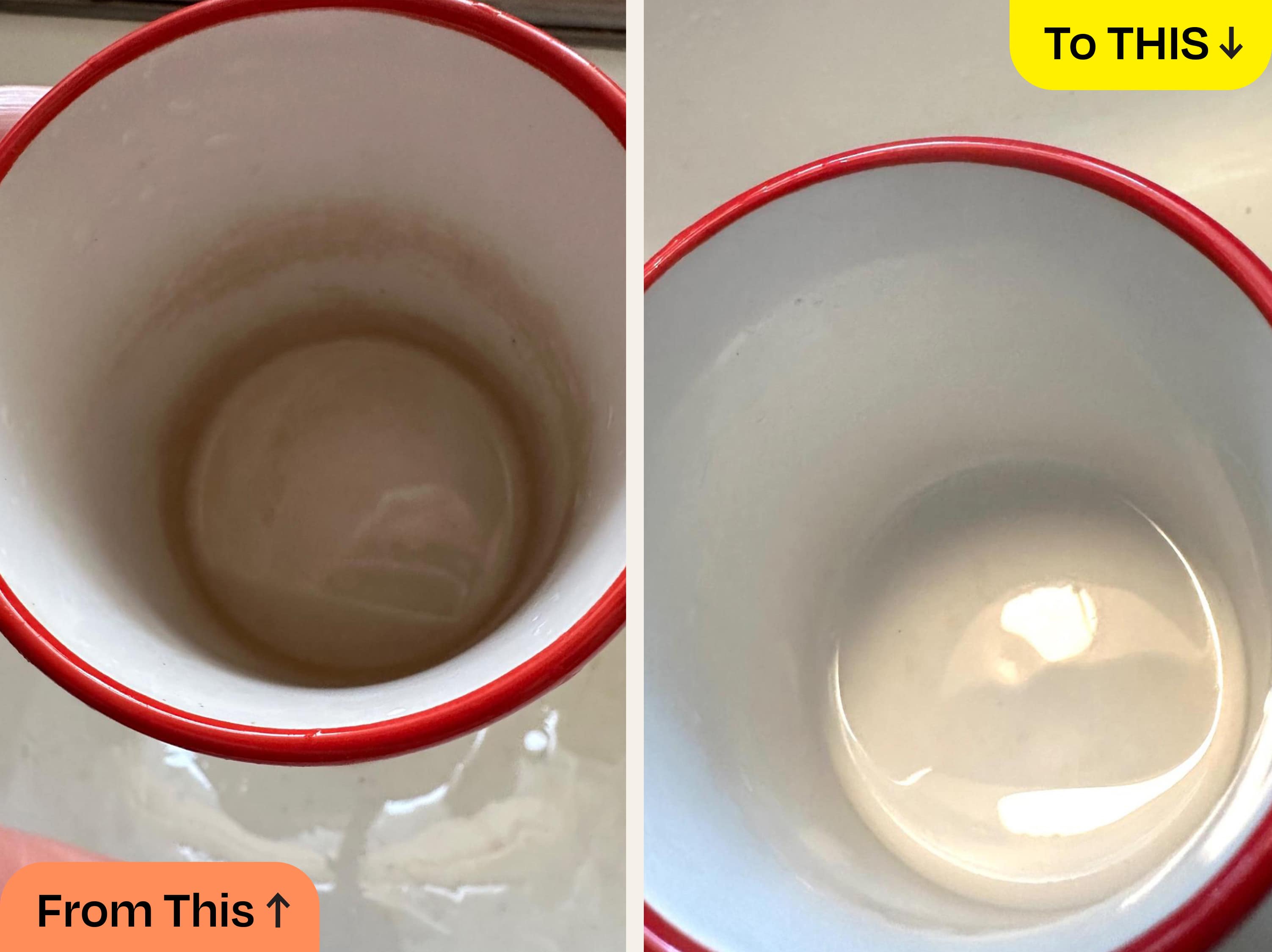
- Vinegar works to remove mineral deposits
Credit: www.thekitchn.com
Preventing Future Stains
Cleaning ceramic pots is only part of the care. Preventing future stains helps keep them looking new. Good habits protect your pots and save time on cleaning.
Two key ways to avoid stains are proper storage and using protective liners. These methods reduce contact with dirt and food residues that cause stains.
Proper Storage
Store ceramic pots in a dry, cool place away from direct sunlight. Moisture and heat can cause discoloration and damage the pot’s surface.
- Keep pots dry before storing to avoid mold
- Stack pots with soft cloths between them to prevent scratches
- Use cabinet shelves with good air circulation
- Avoid placing heavy items on top of ceramic pots
Using Protective Liners
Protective liners reduce direct contact with food and liquids. They help stop stains from setting on the ceramic surface.
| Type of Liner | Benefits | Use Tips |
| Parchment Paper | Non-stick, heat resistant | Cut to pot size before adding food |
| Silicone Mats | Reusable, easy to clean | Place at bottom of pots during cooking |
| Cloth Liners | Absorbs moisture | Use when storing pots to prevent scratches |
Eco-friendly Cleaning Tools
Cleaning ceramic pots can be safe for the environment. Using natural tools helps keep the earth clean. These tools work well without chemicals.
Eco-friendly cleaning tools last longer and reduce waste. They make cleaning easier and gentle on pots.
Reusable Sponges
Reusable sponges are a smart choice for cleaning ceramic pots. They can be washed and used many times. This lowers trash and saves money.
These sponges are soft enough to avoid scratches. They clean well with just water or natural soap. Look for sponges made of natural fibers or silicone.
- Use warm water to rinse sponges after cleaning
- Air dry to prevent bacteria growth
- Replace sponges only when worn out
Soft Brushes
Soft brushes help remove dirt without damaging ceramic pots. Brushes with natural bristles work well. They clean hard-to-reach spots gently.
Choose brushes with wooden handles for eco-friendliness. These brushes last a long time and break down naturally after use.
- Use gentle strokes to avoid scratches
- Clean brushes with water and air dry
- Keep brushes away from harsh chemicals
Troubleshooting Common Issues
Cleaning ceramic pots naturally is simple but some problems can occur. These issues include odors and discoloration.
Knowing how to fix these problems helps keep your pots in great shape without harsh chemicals.
Dealing With Odors
Odors in ceramic pots happen when food smells stick to the surface. Natural methods can remove these smells safely.
- Fill the pot with warm water and add 2 tablespoons of baking soda.
- Let it soak for 30 minutes to an hour.
- Rinse the pot well and dry it completely.
- For strong odors, scrub gently with a paste of lemon juice and baking soda.
- Air dry the pot outside if possible to remove lingering smells.
Handling Discoloration
Discoloration can happen from stains or heat marks on ceramic pots. You can clean them naturally with common household items.
| Cause | Natural Remedy | Instructions |
| Tea or Coffee Stains | Baking Soda Paste | Mix baking soda and water. Rub on stains gently, then rinse. |
| Heat Marks | White Vinegar | Soak a cloth in vinegar, wipe the marks, rinse well. |
| General Stains | Lemon Juice and Salt | Sprinkle salt, squeeze lemon juice on it, scrub lightly, rinse. |

Credit: www.abt.com
Frequently Asked Questions
How Do I Clean Ceramic Pots Naturally?
Use a mixture of baking soda and water to scrub ceramic pots gently. Rinse thoroughly with warm water. Avoid harsh chemicals to preserve the pot’s finish and ensure safe use.
Can Vinegar Clean Ceramic Pots Effectively?
Yes, white vinegar removes stains and mineral deposits naturally. Soak the pot in a vinegar-water solution for 15 minutes, then scrub and rinse well.
What Natural Ingredients Remove Tough Stains From Ceramic Pots?
Baking soda, lemon juice, and white vinegar are effective natural cleaners. Apply a paste or soak the pot, scrub gently, and rinse for stain removal.
How Often Should I Clean Ceramic Pots Naturally?
Clean ceramic pots after each use or weekly if used frequently. Regular cleaning prevents buildup and maintains the pot’s appearance and safety.
Conclusion
Cleaning ceramic pots naturally keeps them safe and lasts longer. Use simple ingredients like baking soda and vinegar for best results. Avoid harsh chemicals that can damage the pots or harm health. Regular cleaning prevents stains and keeps the pots shiny.
Natural methods save money and help the environment too. Try these easy steps and enjoy fresh, clean ceramic pots every day. Simple care makes a big difference.