
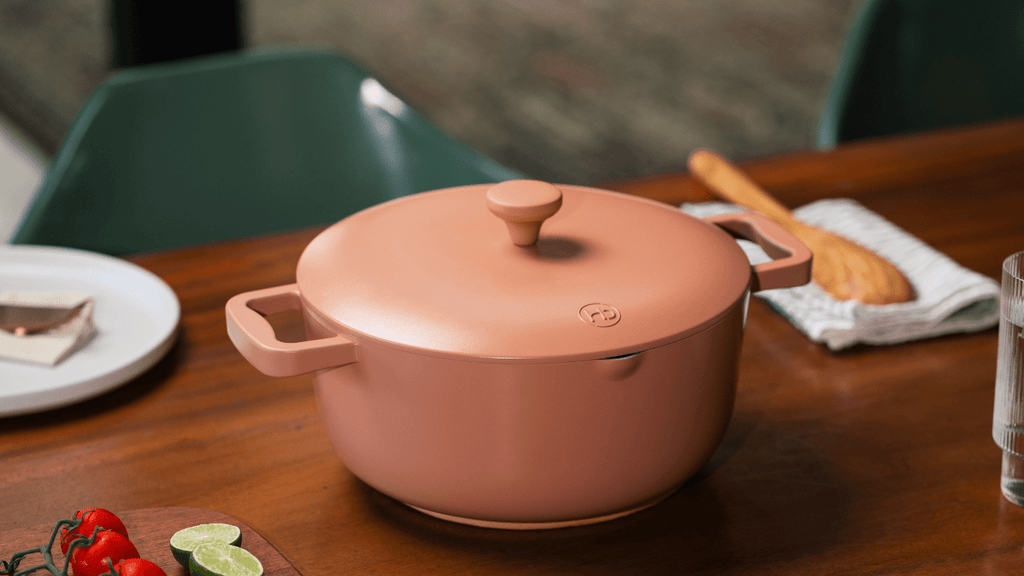
Are your ceramic pots looking dull or stained? Cleaning them might seem tricky, but it doesn’t have to be.
You can bring back their shine and keep them in great shape with simple steps you can do at home. You’ll discover easy and effective ways to clean your ceramic pots without damaging them. Keep reading to learn how to make your pots look like new again—and enjoy cooking or planting with confidence!

Credit: www.abt.com
Materials Needed
Cleaning ceramic pots is easy with the right tools. Using proper materials protects the pot’s surface.
Gather these items before you start to make the cleaning process smooth and safe.
Cleaning Solutions
Choose gentle cleaning agents that do not damage ceramic glaze. Mild soaps and natural cleaners work best.
- Mild dish soap
- Baking soda
- White vinegar
- Lemon juice
- Warm water
Cleaning Tools
Use soft tools to avoid scratching the ceramic surface. Avoid steel wool or rough brushes.
| Tool | Purpose |
|---|---|
| Soft sponge | General cleaning |
| Microfiber cloth | Drying and polishing |
| Soft brush | Removing stuck debris |
| Plastic scraper | Scraping off tough stains gently |
Additional Supplies
These extra items help with tough stains and protect your hands during cleaning.
- Rubber gloves to protect skin
- Old towels for drying
- Bucket for soaking
- Spray bottle for applying vinegar or lemon juice

Credit: www.abt.com
Preparing The Pot
Cleaning ceramic pots starts with proper preparation. This helps protect the pot and makes cleaning easier.
Follow these steps to prepare your ceramic pot before washing or scrubbing.
Remove Loose Debris
Begin by removing any leftover food or loose dirt. Use a soft brush or cloth to wipe away crumbs and residue.
Soak The Pot
Fill the pot with warm water and let it soak. This softens stuck-on food and stains for easier cleaning.
- Use lukewarm water to avoid damage
- Soak for at least 15 minutes
- Add a small amount of mild dish soap if needed
Check For Cracks Or Chips
Look closely for cracks or chips in the ceramic. Damaged areas may need special care or professional repair.
Gather Cleaning Supplies
Prepare gentle cleaning tools to protect the ceramic surface:
| Supply | Purpose |
|---|---|
| Soft sponge | Washing without scratching |
| Soft brush | Removing food particles |
| Mild dish soap | Cleaning grease and stains |
| Warm water | Soaking and rinsing |
Daily Cleaning Routine
Ceramic pots need gentle care to keep them clean and in good shape.
Following a daily cleaning routine helps prevent stains and damage.
Rinsing After Use
Rinse your ceramic pots with warm water right after cooking.
This removes food particles and stops stains from setting in.
- Use warm water to rinse off loose food.
- Avoid using sharp scrapers that can scratch the surface.
- Rinse pots before they cool down to make cleaning easier.
- Dry pots with a soft cloth to prevent water spots.
Using Mild Detergents
Clean ceramic pots with mild dish soap and a soft sponge.
| Detergent Type | Effect on Ceramic Pots |
|---|---|
| Mild liquid soap | Safe and effective for daily cleaning |
| Harsh chemicals | Can damage glaze and cause discoloration |
| Abrasive powders | May scratch ceramic surface |
Always rinse thoroughly to remove soap residue after washing.

Credit: fromourplace.com
Removing Stubborn Stains
Cleaning ceramic pots can be tough when stains stick hard. Stubborn marks need special care. Using simple household items can help remove these stains safely.
Two easy methods include using a baking soda paste and soaking with vinegar. Both work well to clean and refresh your pots.
Baking Soda Paste
Baking soda acts as a gentle abrasive that lifts stains without scratching. Make a paste by mixing baking soda with water.
- Mix three parts baking soda with one part water to form a thick paste.
- Apply the paste directly on the stained areas of the pot.
- Let it sit for 15 to 20 minutes to break down the stains.
- Use a soft sponge to scrub the area gently.
- Rinse the pot well with warm water and dry it with a cloth.
Vinegar Soak
White vinegar is acidic and helps dissolve tough stains. Soaking the pot in vinegar can loosen dirt and grime.
| Materials Needed | Instructions |
| White vinegar | Fill the pot with vinegar to cover the stains. |
| Warm water | Mix equal parts vinegar and warm water if stains are light. |
| Soaking time | Let the pot soak for 30 minutes to 1 hour. |
| Cleaning | Scrub gently with a sponge and rinse thoroughly. |
Dealing With Burnt Residue
Ceramic pots can get burnt residue after cooking. This residue is hard to remove with normal washing. You need special ways to clean it without damaging the pot.
Use safe and simple methods to clean burnt residue. These methods help keep your ceramic pot in good shape.
Boiling Water Method
Fill the ceramic pot with water. Heat the pot on the stove until the water boils. Boiling water helps loosen the burnt bits stuck to the pot.
After boiling, let the water cool a little. Use a soft sponge to gently scrub the residue. Avoid hard scrubbing to protect the ceramic surface.
- Fill pot with enough water to cover burnt area
- Boil water for 10 to 15 minutes
- Let water cool slightly before scrubbing
- Use a soft sponge or cloth for cleaning
- Repeat if residue remains
Commercial Cleaners
Some commercial cleaners are made for ceramic cookware. These cleaners dissolve burnt residue without harming the surface. Always read the label before use.
Apply the cleaner on the burnt area. Let it sit for the time suggested on the package. Then wipe or scrub gently to remove the residue.
- Choose cleaners safe for ceramic pots
- Follow instructions on the product label
- Wear gloves to protect your skin
- Rinse pot thoroughly after cleaning
- Test cleaner on a small area first
Cleaning The Exterior
Cleaning ceramic pots keeps them looking fresh and new. The exterior often gets dirty from cooking or outdoor use.
Use gentle methods to avoid scratches and damage on the pot’s surface.
Non-abrasive Sponges
Choose soft sponges to clean the ceramic pot’s outside. Avoid rough scrubbing tools that can scratch the glaze.
- Use a sponge with soft sides or microfiber cloth
- Apply mild dish soap and warm water
- Gently wipe the pot’s surface in circular motions
- Rinse with clean water to remove soap residue
- Dry with a soft towel to prevent water spots
Polishing For Shine
Polishing enhances the pot’s shine and protects the ceramic glaze. Use natural ingredients or special ceramic polish.
| Polishing Method | How to Use | Benefits |
| Baking Soda Paste | Mix baking soda and water, rub gently, rinse | Removes stains, brightens surface |
| Olive Oil | Apply small amount, rub with soft cloth | Adds shine, protects glaze |
| Commercial Ceramic Polish | Follow product instructions carefully | Deep clean and long-lasting shine |
Preventing Future Stains
Caring for your ceramic pots helps keep them clean and stain-free. Good habits stop stains from building up over time.
Learn how proper storage and regular maintenance protect your pots. These tips make cleaning easier and keep pots looking new.
Proper Storage
Store ceramic pots in a dry, cool place to prevent stains. Moisture can cause marks and damage the surface.
Use soft cloth or paper towels between pots if you stack them. This stops scratches and keeps pots smooth.
- Keep pots away from direct sunlight to avoid discoloration
- Store pots upright to prevent dust from settling inside
- Use lined shelves or soft mats to protect the base
Regular Maintenance
Clean your ceramic pots soon after use to prevent stains. Dry them completely before storing.
Check pots regularly for any spots or stains. Treat small stains early to avoid tough cleaning later.
- Wipe pots with a damp cloth after each use
- Use mild soap and warm water for routine cleaning
- Avoid harsh scrubbing tools that can scratch the glaze
Caring For Hand-painted Pots
Hand-painted ceramic pots need gentle care to keep their beauty. Using the right cleaning methods protects the paint and finish.
This guide shares simple tips to clean and protect your hand-painted pots safely.
Gentle Cleaning Solutions
Use mild soaps and soft cloths to clean your pots. Avoid harsh chemicals and rough scrubbing that can damage the paint.
- Mix a small amount of gentle dish soap with warm water
- Use a soft sponge or cloth to wipe the surface
- Rinse with clean water to remove soap residue
- Dry the pot with a soft towel to avoid water spots
Avoiding Direct Sunlight
Keep hand-painted pots out of direct sunlight. Bright sun can fade colors and weaken the paint over time.
| Effect | Reason | Tip |
| Color Fading | UV light breaks down paint pigments | Place pots in shaded or indoor areas |
| Paint Cracking | Heat causes paint to expand and crack | Avoid placing pots on hot surfaces |
| Material Weakening | Sunlight dries out ceramic glaze | Keep pots moist or in cool spots |
Frequently Asked Questions
How Do I Clean Ceramic Pots Without Damaging Them?
Use a soft sponge and mild dish soap for cleaning. Avoid abrasive scrubbers to prevent scratches. Rinse with warm water and dry thoroughly to maintain the pot’s finish and durability.
Can I Use Vinegar To Clean Ceramic Pots?
Yes, vinegar is effective for removing mineral deposits and stains. Dilute it with water and soak the pot briefly. Rinse well afterward to prevent any vinegar smell or residue.
What Is The Best Way To Remove Stubborn Stains?
Make a paste of baking soda and water. Apply it to the stain and let it sit for 15 minutes. Gently scrub with a soft cloth and rinse thoroughly.
How Often Should I Clean My Ceramic Pots?
Clean ceramic pots after every use to prevent buildup. Regular cleaning preserves their appearance and extends their lifespan. Avoid letting dirt or food dry on the surface.
Conclusion
Cleaning ceramic pots can be simple and quick. Use gentle soap and warm water. Avoid harsh scrubbing to keep pots safe. Regular care stops stains and damage. Dry pots well before storing them. Clean pots look nice and last longer.
Small efforts protect your kitchen tools. Try these easy steps for fresh pots. Keep your ceramic pots bright and ready. Simple habits make a big difference.