

Are your ceiling fans covered in dust and grime, making your whole room feel stuffy? Cleaning them might seem like a chore, but with the right brush, it can be quick and easy.
Imagine how refreshing your space will feel when your fans spin clean and dust-free. In this guide, you’ll discover simple steps to clean your ceiling fans effectively using just a brush. Keep reading, and you’ll learn how to bring fresh air back into your home without any hassle.

Credit: www.amazon.com
Why Clean Ceiling Fans Regularly
Ceiling fans collect dust and dirt over time. This buildup can affect air quality and fan performance.
Cleaning your ceiling fans regularly helps keep your home fresh and your fans working well.
Improve Air Quality
Dust on ceiling fans can spread into the air when the fan runs. This can cause allergies and breathing problems.
Maintain Fan Efficiency
Dust buildup makes the fan heavier. This causes the motor to work harder and use more energy.
Regular cleaning helps the fan run smoothly and saves electricity.
Prevent Damage To The Fan
Dust and dirt can damage the fan blades and motor over time. This may lead to costly repairs or replacements.
- Dust can cause imbalance in the blades
- Motor may overheat due to extra strain
- Fan parts may wear out faster
Enhance Room Appearance
Dirty fans look old and neglected. Clean fans brighten the room and make it look tidy.
Keep Your Home Healthy
| Health Risk | Cause | Effect |
|---|---|---|
| Allergies | Dust particles | Sneezing, itching, watery eyes |
| Respiratory Issues | Mold spores | Coughing, wheezing, asthma |
| Infections | Bacteria on dust | Cold, flu, other illnesses |
Choosing The Right Brush
Cleaning ceiling fans is easier with the right brush. A good brush helps remove dust without damaging the blades.
Choosing the correct brush saves time and keeps your fan looking clean and new.
Types Of Brushes
Brushes come in many shapes and sizes. Each type works well for different cleaning needs.
- Soft-bristle brushes gently remove dust without scratching surfaces.
- Microfiber brushes hold dust and dirt well.
- Extendable brushes reach high or hard spots easily.
- Angled brushes clean fan blades from different sides.
Brush Features To Consider
Look for brush features that make cleaning simple and effective. Comfort and size matter.
- Handle length: Longer handles help reach tall fans.
- Grip: A non-slip grip prevents dropping the brush.
- Brush softness: Soft bristles protect delicate fan finishes.
- Washability: Brushes that are easy to clean last longer.
Preparing For Cleaning
Cleaning ceiling fans with a brush is simple if you prepare well. Proper preparation makes the job safer and faster.
Start by gathering all the supplies and understanding the safety steps before you begin.
Gathering Supplies
Having the right tools ready helps you clean your ceiling fan effectively without missing spots.
- A soft-bristle cleaning brush
- Microfiber cloths for dusting
- A step ladder or sturdy stool
- Protective goggles and mask
- Spray bottle with mild cleaning solution
- Old newspapers or a drop cloth to catch dust
- A screwdriver for tight blades (optional)
Safety Precautions
Safety is important when cleaning ceiling fans. Follow these tips to avoid accidents or injuries.
| Safety Tip | Reason |
| Turn off the fan and power | Prevents blades from moving and electric shock |
| Use a sturdy ladder | Stops falls and keeps you stable |
| Wear goggles and a mask | Protects eyes and lungs from dust |
| Work in a well-lit area | Helps see dirt and avoid accidents |
| Keep tools organized | Prevents dropping items and injuries |
Step-by-step Cleaning Process
Cleaning ceiling fans is important to keep your home dust-free. Using a brush helps remove dirt safely. Follow these steps to clean your fan properly.
This guide covers turning off the fan, using a ladder, dusting blades, and cleaning the motor.
Turning Off The Fan
Always switch off the fan before cleaning. This prevents accidents and protects the fan’s motor. Use the wall switch or remote control to turn it off.
Positioning The Ladder
Place a sturdy ladder under the fan. Make sure it is on a flat surface. The ladder should be tall enough to reach the blades easily without stretching.
- Check the ladder’s stability before climbing.
- Wear shoes with good grip.
- Ask someone to hold the ladder if possible.
Dusting The Blades
Use a soft brush to dust each blade gently. Remove dust from both sides to avoid buildup. Be careful not to bend the blades.
| Blade Side | Cleaning Tip |
|---|---|
| Top | Brush dust off towards the edge |
| Bottom | Use a light touch to avoid damage |
Cleaning The Fan Motor
Do not spray water on the motor. Use a dry or slightly damp brush to clean dust around it. Keep the motor vents clear to help it run well.
Dealing With Stubborn Dirt
Ceiling fans collect dust and dirt over time. Some dirt sticks tightly to the blades. You need special care to clean it well.
Using a brush helps remove dirt from hard spots. Sometimes, cleaning solutions make the job easier.
Using Cleaning Solutions
Mix a gentle cleaning solution with water. Avoid harsh chemicals that can damage the fan.
Dip a soft brush into the solution. Scrub the blades gently to break down stuck dirt.
- Use mild soap or dish detergent
- Test the solution on a small area first
- Wear gloves to protect your hands
- Do not soak the fan motor or wiring
Rinsing And Drying Blades
After scrubbing, wipe the blades with a damp cloth. This removes leftover cleaning solution and dirt.
Dry the blades with a clean towel. Make sure no water stays on the fan to avoid damage.
- Use a dry, soft cloth for drying
- Check for any missed spots
- Clean the fan regularly to reduce buildup
Credit: www.housework.com
Maintenance Tips
Cleaning ceiling fans with a brush keeps them running well. Dust and dirt can slow them down. Regular care helps your fan last longer.
Use simple tools like a soft brush to clean fan blades. This guide explains how to keep your fan clean and dust-free.
Regular Dusting Routine
Dust your ceiling fan every week or two. This stops dust buildup and keeps air fresh. Use a soft brush to clean each blade gently.
- Turn off the fan before cleaning
- Use a ladder or stool to reach the blades safely
- Brush each blade from top to bottom
- Wipe dust off with a dry cloth after brushing
- Clean the motor and light fixtures with a soft cloth
Seasonal Deep Cleaning
Deep clean your ceiling fan every few months. This removes stuck dirt and keeps the fan working well. You can use a mild soap solution and a brush for this task.
| Cleaning Step | Details |
| Turn off power | Switch off the fan and light from the main power |
| Remove blades | Unscrew fan blades carefully for better access |
| Brush blades | Use a soft brush with mild soap to scrub dust and stains |
| Wipe clean | Use a damp cloth to remove soap and dry immediately |
| Clean motor housing | Brush dust off motor vents without water |
| Reassemble fan | Put blades back securely and check for balance |
Troubleshooting Common Issues
Cleaning ceiling fans with a brush can help keep them running smoothly. Sometimes, fans have problems that stop them from working well. Fixing these issues can make your fan safe and quiet.
Here are two common problems and simple ways to fix them while cleaning your fan.
Handling Stuck Blades
Fan blades may stop moving if dirt or dust builds up. Use a brush to remove dust from the blades and the motor area. Check if anything is blocking the blades from turning.
If the blades still do not move, try these steps:
- Turn off power before cleaning or fixing the fan.
- Use a soft brush to clean between the blade joints.
- Gently move each blade to free it from tight spots.
- Check screws and tighten if loose.
- If stuck persists, inspect the motor or call a professional.
Addressing Noisy Fans
Noisy fans can distract and reduce comfort in a room. Dust on blades and motor parts often causes noise. Cleaning with a brush can reduce this noise by removing dirt and debris.
Try these tips to quiet your fan:
- Brush off dust from blades and motor housing.
- Check if blade screws are tight to stop wobbling sounds.
- Apply a small amount of lubricant to the motor if it squeaks.
- Balance blades if the noise comes from wobbling.
- Replace worn-out parts if noise continues after cleaning.
Credit: www.housework.com
Environmental Considerations
Cleaning ceiling fans with a brush can be simple and eco-friendly. You can protect the environment by choosing the right tools and products.
Small changes in cleaning habits help reduce pollution and waste. This keeps your home and planet cleaner.
Using Eco-friendly Products
Use natural or biodegradable cleaning solutions instead of harsh chemicals. These products break down easily and do not harm water or soil.
Try using vinegar, baking soda, or mild soap with water to clean fan blades. These options are safe for your family and the environment.
- Choose non-toxic, plant-based cleaners
- Use reusable cloths instead of disposable wipes
- Avoid aerosol sprays that pollute the air
Reducing Waste
Cleaning with a brush helps avoid using disposable products like paper towels. This lowers waste and saves money.
Clean and keep your brush for many uses. This reduces the need to buy new tools often and cuts down trash.
- Use a soft brush with washable bristles
- Store cleaning tools properly to last longer
- Recycle or compost used cleaning cloths if possible
Frequently Asked Questions
How Often Should I Clean Ceiling Fans With A Brush?
Clean ceiling fans every 2 to 3 months to prevent dust buildup. Regular cleaning improves air quality and fan efficiency. Use a soft brush to avoid damaging blades. Frequent cleaning also reduces allergens in your home environment.
What Type Of Brush Is Best For Cleaning Ceiling Fans?
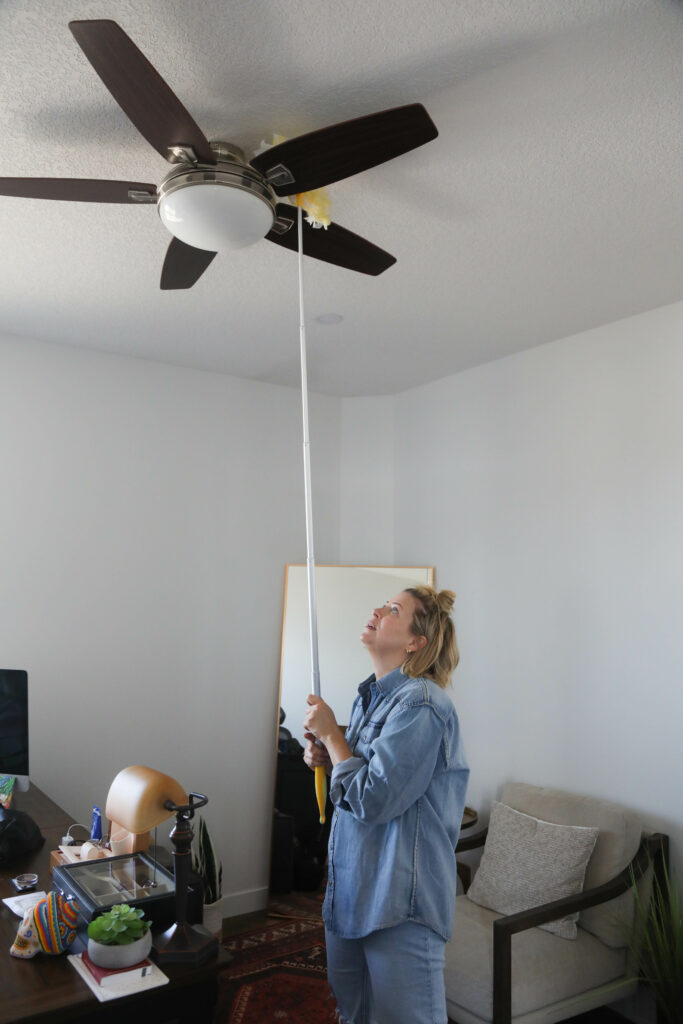
Use a microfiber or soft-bristle brush for cleaning ceiling fans. These brushes trap dust effectively without scratching blades. Avoid stiff or wire brushes as they can damage the surface. A brush with an extendable handle helps reach high fans safely.
Can I Clean Ceiling Fans Without Removing The Blades?
Yes, you can clean ceiling fans without removing blades using a brush. Gently brush dust off each blade on both sides. Use a step ladder for better reach and safety. This method saves time and keeps fans clean regularly.
Is It Safe To Use A Vacuum Brush Attachment On Fans?
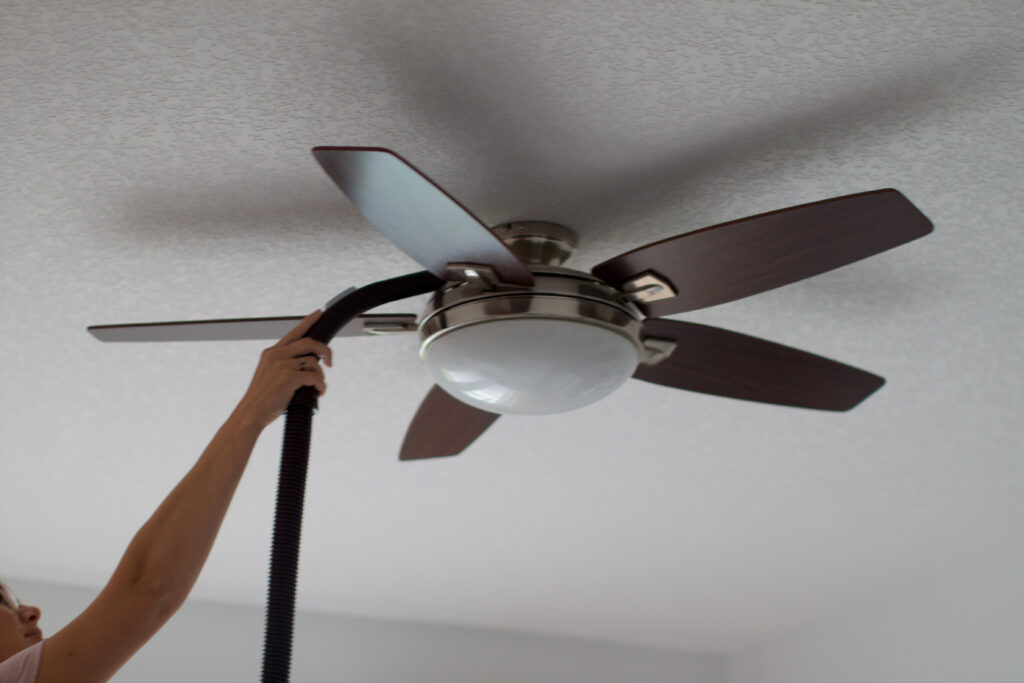
Using a vacuum brush attachment is safe if it has soft bristles. It helps remove dust quickly from blades and motor housing. Ensure the fan is turned off before cleaning. Avoid strong suction to prevent blade damage or imbalance.
Conclusion
Cleaning ceiling fans with a brush keeps them dust-free and fresh. It takes just a few minutes but makes a big difference. Regular cleaning helps your fan work better and last longer. A brush reaches all the hard spots easily without making a mess.
Try this simple method to keep your home cleaner and air fresher. You will enjoy a dust-free space and a cooler room every day. Give your ceiling fan the care it needs with a brush. Simple, quick, and effective.