
If you own a carbon steel skillet, you know how amazing it is for cooking. But cleaning it the wrong way can damage your pan and ruin your cooking experience.
You might be wondering: How do you clean your carbon steel skillet without losing its natural non-stick surface? This guide will show you simple, effective steps to keep your skillet in perfect shape. By the end, you’ll feel confident caring for your pan, making every meal better.
Ready to learn the secrets to a long-lasting, perfectly clean carbon steel skillet? Let’s dive in.
Importance Of Cleaning Carbon Steel Skillets
Carbon steel skillets are popular for their excellent heat retention and cooking performance. Keeping them clean is essential to maintain their quality and lifespan.
Proper cleaning helps prevent rust, removes food residue, and preserves the skillet’s natural non-stick surface.
Preventing Rust And Corrosion
Carbon steel skillets can rust if not cleaned and dried properly. Moisture left on the skillet causes corrosion over time.
Cleaning removes food particles and moisture that can cause rust spots.
Maintaining The Non-stick Seasoning
Carbon steel skillets develop a natural non-stick coating called seasoning. Cleaning removes old food and oils that can damage this layer.
- Use gentle cleaning methods to protect seasoning
- Avoid harsh soaps or scrubbing pads
- Re-season skillet regularly after cleaning
Ensuring Food Safety And Flavor
Proper cleaning removes bacteria and leftover food. This keeps your meals safe and tasty.
| Cleaning Benefit | Effect on Skillet |
| Rust Removal | Prevents damage and extends life |
| Seasoning Care | Keeps skillet non-stick and smooth |
| Food Residue Removal | Ensures better flavor and hygiene |

Credit: www.reddit.com
Essential Tools And Materials
Cleaning carbon steel skillets needs the right tools and materials. These help keep the pan in good shape.
Using improper items can damage the skillet or remove its seasoning. Choose tools that are safe for carbon steel.
Soft Scrubbing Brush
A soft scrubbing brush helps remove stuck food without scratching the skillet. It is gentle yet effective.
Look for brushes with natural or nylon bristles. Avoid metal scrubbers as they can harm the pan’s surface.
Mild Dish Soap
Use mild dish soap to clean your skillet. Strong soaps can strip away the protective seasoning layer.
Only a small amount of soap is needed. This will help keep the skillet’s surface smooth and non-stick.
Hot Water
Hot water helps loosen food particles on the skillet. It makes cleaning faster and easier.
Do not soak the pan for long periods. Quick rinses with hot water protect the skillet from rust.
Clean Dish Towels Or Paper Towels
Dry the skillet immediately after washing. Use a clean dish towel or paper towels to remove all moisture.
Keeping the skillet dry prevents rust and keeps the seasoning strong over time.
Cooking Oil For Seasoning
After cleaning, apply a thin layer of cooking oil. This helps protect the skillet and maintain its seasoning.
Use oils with high smoke points like vegetable oil or flaxseed oil for best results.
Pre-cleaning Preparation
Cleaning a carbon steel skillet starts before you wash it. Preparing the skillet helps keep it in good shape.
Taking time to cool the skillet and remove food bits makes cleaning easier and safer.
Cooling Down The Skillet
Let the skillet cool down before cleaning. Hot pans can cause burns or damage if washed right away.
Place the skillet on a heat-safe surface away from water or cold areas. Cooling slowly protects the metal.
Removing Food Residue
Remove leftover food pieces before washing. This stops clogging and helps clean the pan better.
Use a soft spatula or paper towel to scrape off stuck bits. Avoid metal tools that may scratch the surface.
- Use a wooden or silicone spatula
- Wipe with a paper towel or soft cloth
- Do not use steel wool or sharp scrapers
Effective Cleaning Techniques
Cleaning carbon steel skillets properly keeps them in good shape. Using the right techniques helps avoid damage and rust.
This guide covers easy ways to clean your skillet after cooking. Follow these tips to maintain your pan’s quality.
Using Hot Water And A Brush
Hot water helps remove food stuck on the skillet. Use a brush to scrub the surface gently without scratching.
Let the pan soak in hot water for a few minutes if food is hard to remove. Then scrub it with a soft brush.
- Use hot water, not boiling, to avoid warping.
- Choose a brush with soft to medium bristles.
- Scrub in circular motions for best results.
Applying Salt For Stubborn Stains
Coarse salt acts as a natural scrubber for tough stains. Sprinkle salt on the pan while it is still warm.
Use a paper towel or cloth to rub the salt into the stains. The salt helps lift burned food without scratching.
- Use coarse kosher salt for better scrubbing.
- Rub gently to avoid damaging the pan surface.
- Rinse with warm water after scrubbing.
Avoiding Soap And Detergents
Soap can strip the skillet’s seasoning. Avoid using detergents to keep the non-stick layer intact.
Instead, clean the pan with hot water and scrubbing tools. Dry it immediately to stop rust from forming.
- Skip soap to protect seasoning.
- Use hot water and brushes for cleaning.
- Dry the skillet well after washing.
Drying And Storing The Skillet
After cleaning your carbon steel skillet, drying and storing it properly keeps it in good shape. This helps prevent rust and damage.
Using the right drying and storage steps extends the skillet’s life and keeps it ready to use.
Towel Drying Method
Use a clean, dry towel to wipe your skillet right after washing. This removes most water from the surface.
Make sure to dry every part, including the handle and edges, to avoid moisture buildup.
- Use a soft cloth or paper towel
- Dry inside and outside surfaces
- Check the handle for moisture
- Wipe away any leftover water drops
Storing In A Dry Place
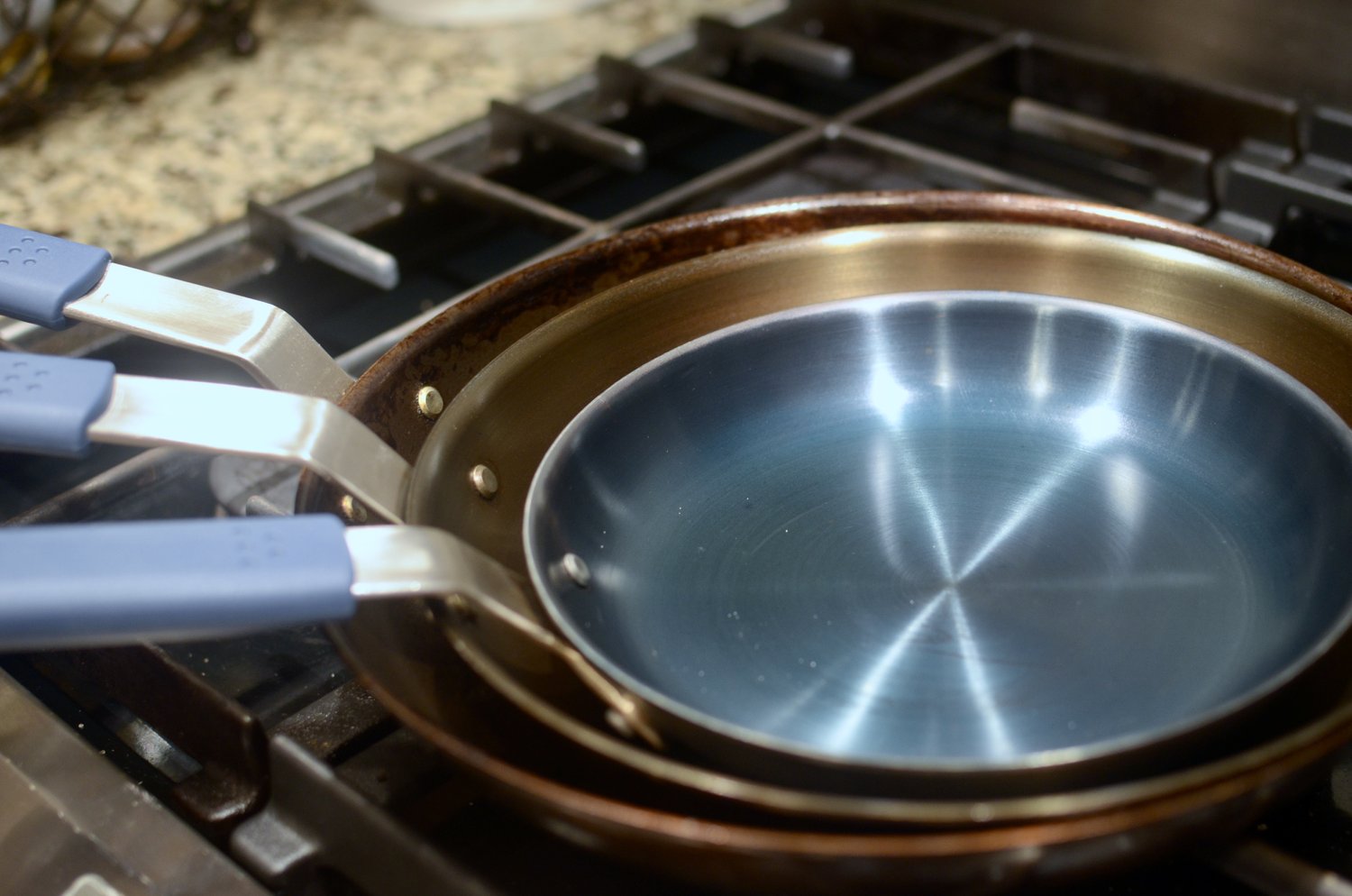
Store your skillet in a dry spot to stop rust from forming. Avoid damp or humid areas like under the sink.
Keep it off the ground and away from water sources. A kitchen shelf or cabinet is best.
- Choose a shelf or cabinet indoors
- Keep skillet away from sinks or dishwashers
- Store with a paper towel inside to absorb moisture
- Do not stack wet skillets together
Credit: www.butteryum.org
Maintaining The Skillet’s Seasoning
Carbon steel skillets develop a natural non-stick coating called seasoning. It forms when oil bonds to the pan’s surface during cooking. Keeping this seasoning is important to protect the pan and improve cooking.
Cleaning your skillet carefully helps keep the seasoning strong. Avoid scrubbing too hard or using harsh soaps that can remove the oil layer. After cleaning, it is important to restore the oil coating.
Applying Oil After Cleaning
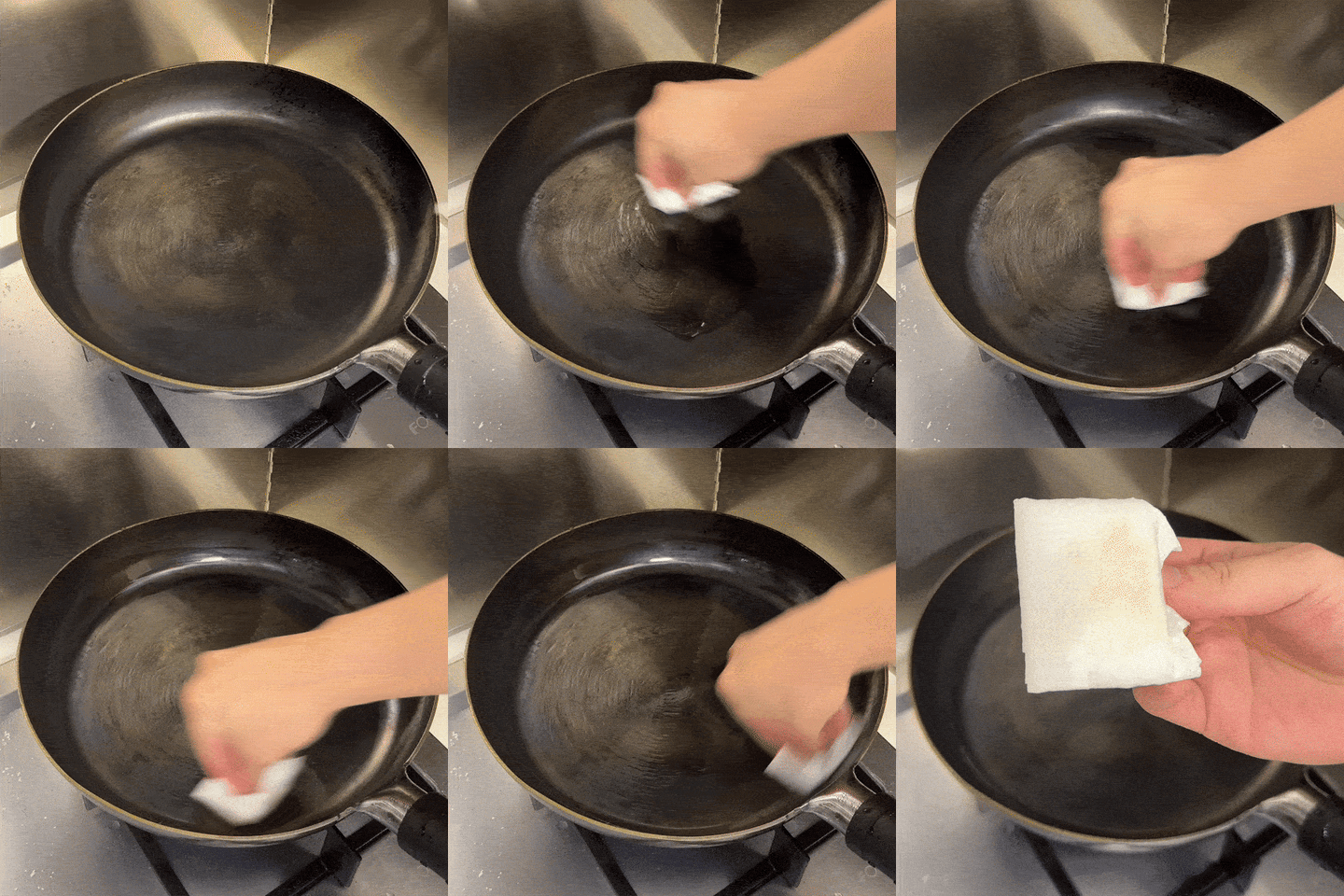
After washing, dry the skillet completely with a towel or heat it on low. While it is still warm, apply a thin layer of cooking oil. This helps replace any oil lost during cleaning.
Use a paper towel or cloth to spread the oil evenly. Wipe off any extra oil so the pan is not sticky. This step keeps the skillet ready for the next use and prevents rust.
- Dry skillet fully before oiling
- Use a small amount of oil
- Spread oil thin and evenly
- Remove excess oil with cloth
- Store skillet in a dry place
Re-seasoning When Necessary
If food starts to stick or the skillet looks dull, it may need re-seasoning. This means building a new oil layer by heating oil on the pan. Re-seasoning restores the pan’s non-stick surface.
To re-season, clean the skillet and dry it well. Apply a thin coat of oil and heat it in the oven or on the stove until it smokes slightly. Let it cool and wipe off any excess oil. Repeat if needed.
- Clean and dry skillet fully
- Apply thin coat of oil
- Heat until oil smokes lightly
- Cool and wipe off extra oil
- Repeat to build stronger seasoning
Tips For Long-lasting Skillet Care
Carbon steel skillets need special care to last many years. Cleaning and handling them the right way keeps their surface smooth and prevents rust.
Use simple habits to protect your skillet and keep it ready for cooking every day.
Avoiding Metal Utensils
Metal utensils can scratch the skillet’s surface. These scratches damage the seasoning layer that stops food from sticking and prevents rust.
- Use wooden or silicone utensils instead of metal.
- Avoid cutting food directly in the skillet.
- Choose tools with rounded edges to protect the surface.
- Check utensils regularly for rough spots that might harm the skillet.
Regular Maintenance Checks
Inspect your skillet often to catch small problems early. Regular checks keep your pan in good shape and extend its life.
| Check | What to Look For | Action |
|---|---|---|
| Surface | Scratches or dull spots | Re-season if needed |
| Rust | Orange or brown spots | Clean and dry immediately |
| Handle | Loose or wobbly parts | Tighten screws or replace handle |
| Cleaning | Residue or stuck food | Use gentle scrubbing and oil |

Credit: www.youtube.com
Common Mistakes To Avoid
Cleaning carbon steel skillets needs care to keep them in good shape. Many people make simple mistakes that damage the skillet.
Knowing what not to do helps your skillet last longer and work better. Below are common errors to avoid.
Overheating The Skillet
Overheating carbon steel skillets can ruin their seasoning and cause warping. Avoid heating the skillet empty or on very high heat for a long time.
- Do not preheat the skillet on maximum heat for more than two minutes.
- Avoid leaving the skillet empty on a hot burner.
- Use medium heat for cooking to protect the pan’s surface.
- Let the skillet cool before cleaning to prevent damage.
Using Abrasive Cleaners
Abrasive cleaners and scrubbers remove the skillet’s protective layer. This causes rust and food sticking issues. It is important to clean gently.
| Cleaner Type | Effect on Skillet |
|---|---|
| Steel wool or metal brushes | Strips seasoning, causes rust |
| Harsh chemical cleaners | Damages surface and seasoning |
| Soft sponge or cloth | Safe for cleaning and seasoning |
| Warm water and mild soap | Good for light cleaning |
Frequently Asked Questions
How Do You Clean A Carbon Steel Skillet Without Soap?
Avoid soap to maintain seasoning. Use hot water and a soft brush or sponge to scrub residue. Dry immediately and apply a light oil layer to prevent rust.
Can I Soak My Carbon Steel Skillet In Water?
No, soaking can cause rust. Clean quickly after use with hot water and scrub gently. Dry and oil the skillet promptly.
How Do I Remove Rust From A Carbon Steel Skillet?
Use fine steel wool or a scrub pad to remove rust. Rinse, dry thoroughly, and re-season the skillet with oil on heat.
Is It Safe To Use Metal Utensils On Carbon Steel Skillets?
Yes, carbon steel is durable and can handle metal utensils. Avoid cutting directly on the skillet surface to preserve seasoning.
Conclusion
Cleaning carbon steel skillets is simple with the right steps. Use warm water and a soft brush to remove food. Avoid soap to keep the skillet’s seasoning strong. Dry it well to stop rust from forming. Apply a thin layer of oil after cleaning.
This care helps your skillet last for years. Enjoy cooking with a clean, well-maintained pan. Small efforts bring big results. Keep your skillet ready for every meal.