
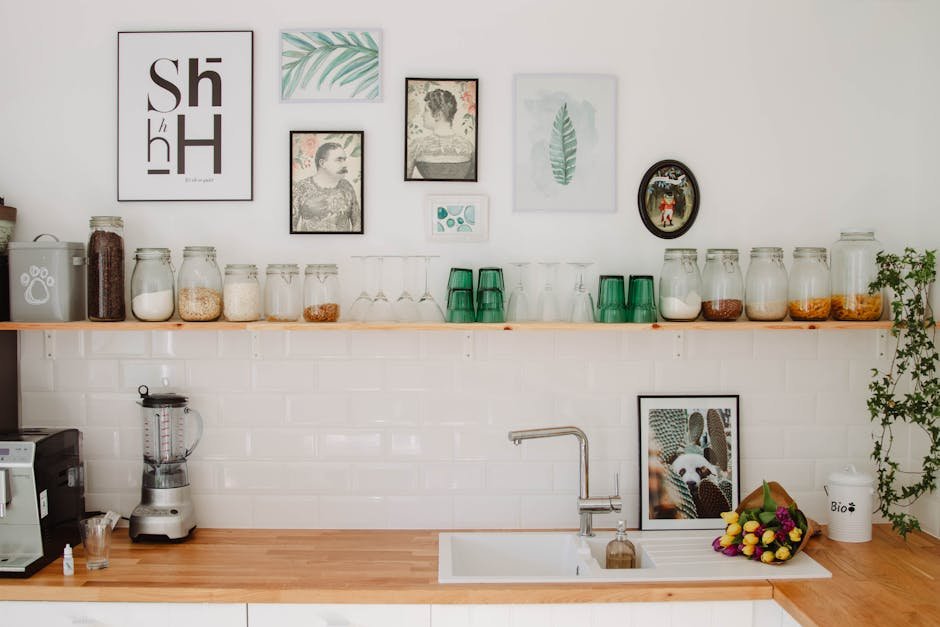
Your blender works hard to whip up smoothies, soups, and sauces, but cleaning it afterward can feel like a hassle. If you’ve ever struggled to get rid of stubborn stains or lingering odors, vinegar might be the simple solution you need.
Imagine a quick, effective way to make your blender look and smell fresh again—without harsh chemicals or scrubbing for ages. Keep reading to discover how to clean your blender thoroughly with vinegar and bring back that like-new shine every time.
)
Credit: www.pulse.ng
Why Use Vinegar For Cleaning
Vinegar is a natural cleaner that removes dirt and grime well. It works without harsh chemicals.
It is safe to use on many surfaces, including blender parts. Vinegar helps kill bacteria too.
Effective At Removing Stains And Odors
Vinegar breaks down food stains inside the blender. It also removes bad smells quickly.
Its acidity cuts through tough residues left by fruits and vegetables.
Natural And Non-toxic Cleaner
Vinegar is made from natural ingredients. It does not add harmful chemicals to your blender.
You can clean your blender safely without worrying about toxic residue.
Cost-effective And Easy To Find
Vinegar is cheaper than many store-bought cleaners. You can find it in any grocery store.
Using vinegar saves money and reduces waste from plastic bottles.
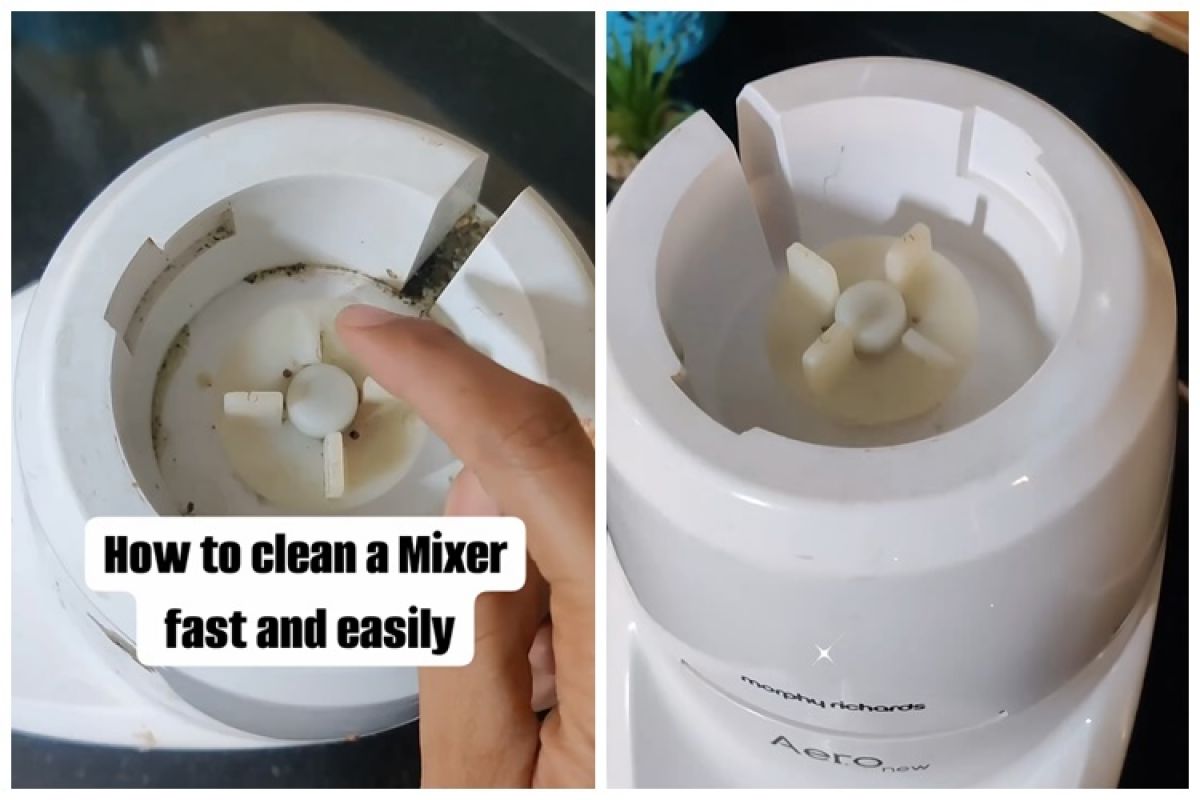
Credit: en.brilio.net
Pre-cleaning Preparation
Cleaning your blender thoroughly with vinegar starts with good preparation. Proper steps before cleaning help you get better results.
Follow the preparation steps carefully to ensure every part of your blender is ready for cleaning.
Gather Necessary Materials
Collect all the items you need before you start cleaning. This saves time and makes the process smooth.
- White vinegar
- Warm water
- Dish soap
- Sponge or soft cloth
- Cleaning brush (optional)
- Towel for drying
Disassemble The Blender
Take apart your blender carefully. Removing the parts allows vinegar to clean every corner well.
| Part | How to Remove |
| Lid | Lift off gently |
| Blade assembly | Unscrew from jar base |
| Jar | Separate from motor base |
| Gasket | Pull out from blade base |
Cleaning The Blender Jar
Cleaning your blender jar is important to keep it fresh and safe for food. Vinegar is a natural cleaner that removes stains and odors well.
This guide shows how to clean your blender jar thoroughly using vinegar. Follow simple steps to get a clean jar every time.
Create Vinegar Solution
Start by making a vinegar solution to clean the jar. Use white vinegar and water for the best results.
Mix equal parts of white vinegar and warm water. This solution will help break down stains and remove smells.
- Use 1 cup white vinegar
- Use 1 cup warm water
- Mix in a large cup or bowl
Soak And Scrub The Jar
Pour the vinegar solution into the blender jar. Let it soak for 10 to 15 minutes to loosen dirt and residue.
After soaking, use a soft brush or sponge to scrub the inside of the jar. Focus on hard-to-reach areas and the bottom.
- Soak jar in vinegar solution for 10-15 minutes
- Use a soft brush or sponge to scrub
- Rinse well with warm water
- Dry the jar before next use
Cleaning The Blender Blades
Blender blades get dirty with food and liquids after use. Cleaning them well keeps your blender working right. Vinegar is a natural cleaner that helps remove grime and odors.
Knowing how to clean the blades safely and deeply is important. This guide shows you how to use vinegar to clean blades properly.
Safety Tips For Handling Blades
Blender blades are very sharp. Handle them with care to avoid cuts. Always unplug the blender before cleaning the blades.
Use a brush or sponge to clean blades instead of your fingers. Keep blades away from children and store them safely after cleaning.
- Unplug the blender before cleaning blades
- Wear gloves to protect your hands
- Use a brush or sponge, not bare fingers
- Keep blades out of reach of children
- Store blades safely after cleaning
Soaking And Scrubbing Blades
Fill a bowl with equal parts of white vinegar and warm water. Place the blender blades in the solution and let them soak for 10 to 15 minutes.
After soaking, use a soft brush to scrub the blades gently. This removes stuck food and vinegar helps break down grease and stains.
- Mix white vinegar and warm water (1:1 ratio)
- Soak blades for 10 to 15 minutes
- Use a soft brush to scrub blades carefully
- Rinse blades well with clean water
- Dry blades with a clean cloth before reassembling
Cleaning The Blender Base
The blender base holds the motor and controls. It needs careful cleaning to avoid damage.
Using vinegar helps remove stains and odors on the base. It is a safe, natural cleaner.
Wipe Down With Vinegar Solution
Mix equal parts of white vinegar and water. Use a soft cloth dipped in this solution.
Gently wipe the outside of the blender base. Focus on dirty spots and stains.
- Dip cloth in vinegar solution
- Wring out excess liquid
- Wipe the blender base surface
- Dry with a clean cloth
Avoiding Electrical Components
Do not let vinegar or water touch buttons, switches, or plugs. These parts can short out.
Use a damp cloth, not a wet one. Keep liquids away from the blender’s electrical parts.
- Unplug the blender before cleaning
- Do not spray vinegar directly
- Clean around buttons carefully
- Dry all surfaces before use
Rinsing And Drying
Cleaning a blender with vinegar is simple and effective. After cleaning, rinsing and drying are important steps.
Proper rinsing removes vinegar taste. Drying well keeps the blender fresh and ready to use.
Rinse With Warm Water
Rinse the blender jar with warm water after vinegar cleaning. Warm water helps remove leftover vinegar and dirt.
Use your hand or a soft sponge to gently clean inside. Rinse well until no vinegar smell remains.
Air Dry For Best Results
Let the blender parts air dry on a clean towel or drying rack. Air drying stops moisture from building up inside.
Do not use a cloth to dry inside the jar. This can leave lint or bacteria. Air drying is safer and cleaner.
Maintaining A Clean Blender
Keeping your blender clean is important for good taste and hygiene. A dirty blender can cause bad smells and affect your drinks.
Using vinegar helps remove stains and buildup inside the blender. It cleans well without harsh chemicals.
Regular Cleaning Tips
After each use, rinse your blender with warm water. This stops food from drying inside the container.
Add a mix of water and vinegar to the blender. Let it run for 30 seconds to clean the blades and sides.
- Fill blender halfway with warm water
- Add 1 cup of white vinegar
- Run blender on low speed for 30 seconds
- Rinse thoroughly with clean water
- Dry with a clean towel or air dry
Long-term Maintenance Advice
Once a week, deep clean your blender with vinegar and baking soda. This removes tough stains and odors.
Check the blender parts regularly. Clean or replace worn seals and blades to keep it working well.
- Mix 1 cup vinegar with 2 tablespoons baking soda
- Pour into blender and let sit for 10 minutes
- Scrub parts gently with a brush
- Rinse all parts well before use
- Inspect seals and blades for damage
Alternative Cleaning Methods
Cleaning your blender thoroughly is important for good hygiene. Vinegar is a great natural cleaner, but other options exist too.
These methods help remove stains, odors, and bacteria without harsh chemicals.
Other Natural Cleaners
Baking soda is a common natural cleaner. It scrubs off tough stains and absorbs smells.
Lemon juice is another good option. It has a fresh scent and natural antibacterial properties.
- Use baking soda with water to make a paste. Scrub blender parts gently.
- Pour lemon juice into the blender. Let it sit for a few minutes before rinsing.
- Combine baking soda and lemon juice for extra cleaning power.
When To Use Commercial Products
Sometimes natural cleaners cannot remove strong stains or odors. Commercial products help in these cases.
Choose cleaners made for kitchen appliances. They are safe and effective for blenders.
- Use commercial cleaners if blender smells bad after natural cleaning.
- Choose products that do not harm plastic or metal parts.
- Always follow the instructions on the product label.
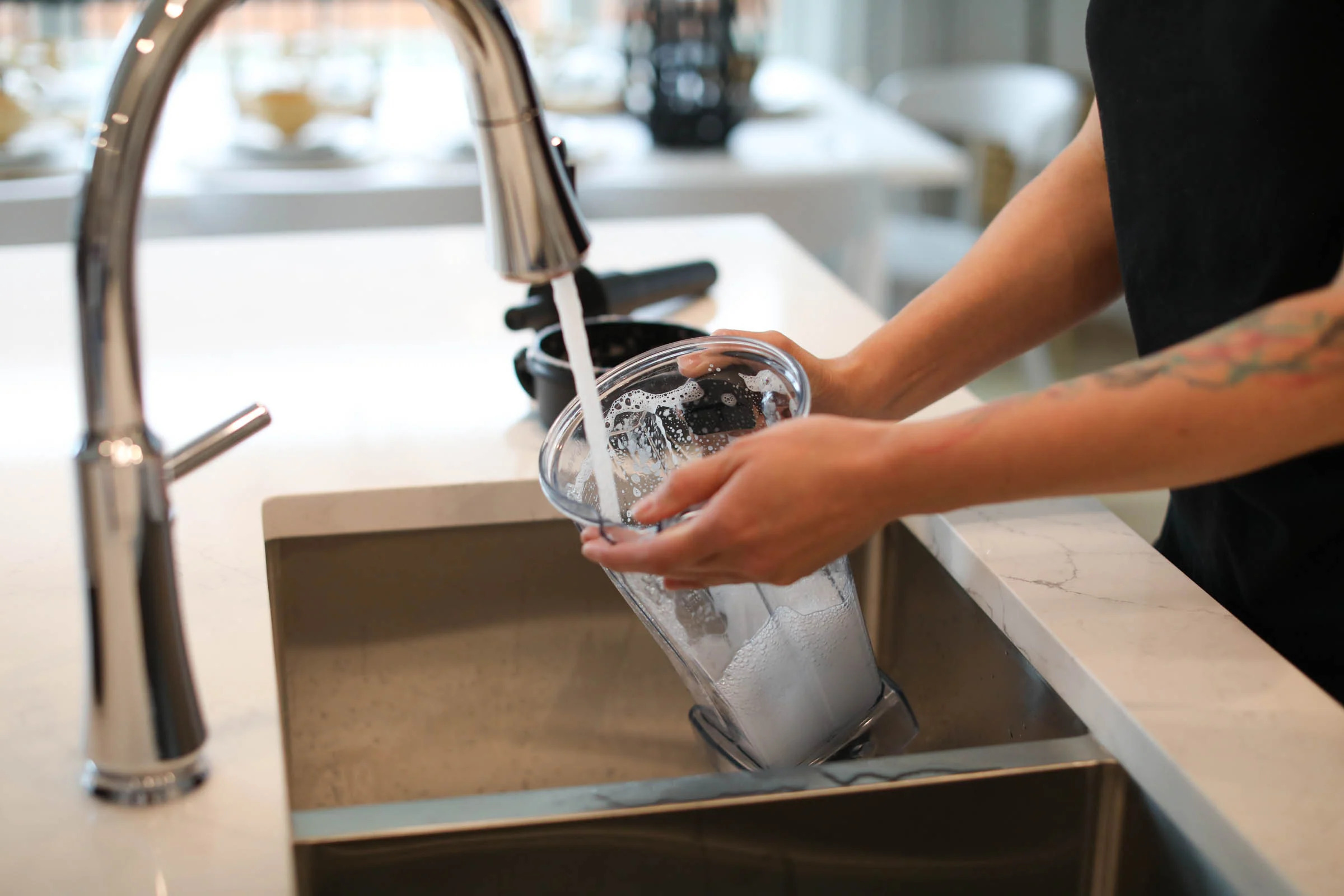
Credit: www.housework.com
Frequently Asked Questions
How Does Vinegar Clean A Blender Effectively?
Vinegar breaks down grease and removes odors naturally. Its acidity dissolves stubborn residues and kills bacteria, leaving the blender clean and fresh without harsh chemicals.
Can Vinegar Damage Blender Blades Or Parts?
No, vinegar is safe for blender blades and most parts. It gently cleans without causing corrosion or damage when used in diluted form and rinsed properly afterward.
How Long Should Vinegar Sit In The Blender To Clean?
Let vinegar sit for 10 to 15 minutes to loosen grime. This time allows the acid to break down buildup before rinsing or scrubbing for best results.
Can I Use Vinegar To Remove Blender Odors?
Yes, vinegar neutralizes strong odors in blenders. Blending vinegar with water and rinsing thoroughly removes smells from garlic, onion, or other pungent ingredients.
Conclusion
Cleaning your blender with vinegar is simple and effective. Vinegar removes stains and kills germs quickly. Just blend vinegar with water, rinse well, and dry. This method saves time and keeps your blender fresh. Regular cleaning helps your blender last longer.
Try this easy tip to keep your kitchen tools clean and safe. A clean blender makes better smoothies and meals every time. Simple steps, great results. Give it a try today!