
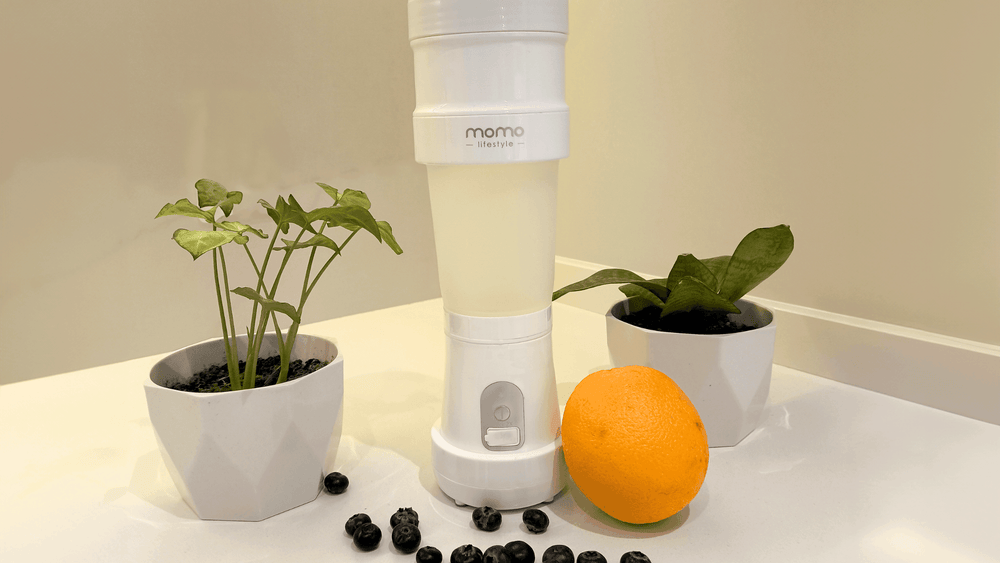
Are you tired of stubborn stains and lingering smells in your blender? Cleaning blender parts can feel like a hassle, but what if you could do it naturally, without harsh chemicals?
You’ll discover simple, safe ways to make your blender sparkle using ingredients you probably already have at home. Say goodbye to tough grime and hello to a fresh, clean blender that’s ready for your next delicious recipe. Keep reading—you’ll be amazed at how easy and effective natural cleaning can be!
Benefits Of Natural Cleaning
Cleaning blender parts naturally uses ingredients from your kitchen. These ingredients are safe and gentle on your blender.
Natural cleaning helps avoid harsh chemicals. It is better for your health and the environment.
Safer For Your Health
Natural ingredients do not cause skin irritation. They do not leave harmful residues on blender parts.
You breathe cleaner air without strong chemical smells. This makes cleaning safer for everyone.
Environmentally Friendly
Natural cleaning products break down quickly in nature. They do not pollute water or soil.
Using natural cleaners helps reduce plastic waste from commercial products. It supports a cleaner planet.
Cost-effective Cleaning
Natural ingredients like vinegar and baking soda are cheap and easy to find. They save money on expensive cleaners.
You can use the same ingredients for many cleaning tasks. This reduces the need to buy multiple products.
Gentle On Blender Parts
Natural cleaners do not damage blender blades or containers. They keep your blender parts in good shape.
They help remove stains and odors without scratching surfaces. This extends the life of your blender.
Essential Natural Cleaning Agents
Cleaning blender parts can be simple and safe with natural products. These agents work well to remove stains and smells.
Using natural cleaners keeps your blender fresh without harsh chemicals. Let’s explore some common natural agents.
Baking Soda
Baking soda is a gentle scrubber that helps lift dirt and stains. It also neutralizes odors inside blender parts.
- Sprinkle baking soda on the blender jar and blade.
- Add a little water to form a paste.
- Use a soft brush to clean hard spots.
- Rinse well with warm water.
White Vinegar
White vinegar cuts through grease and kills bacteria naturally. It also removes smells from blender parts.
| Vinegar Use | How to Apply |
|---|---|
| Soak jar and lid | Fill with equal parts vinegar and water for 10 minutes |
| Clean blades | Dip cloth in vinegar and wipe carefully |
| Rinse | Use warm water after vinegar treatment |
Lemon Juice
Lemon juice brightens and freshens blender parts. Its natural acids help remove stains and odors.
- Squeeze fresh lemon juice into the blender jar.
- Add warm water and blend for 30 seconds.
- Let it sit for 5 minutes before rinsing.
- Use lemon slices to scrub stubborn spots.
Salt
Salt works as a mild abrasive to scrub away residue. It helps clean the blender without scratching.
- Mix salt with a little water or lemon juice.
- Use the mixture to scrub the jar and blades gently.
- Rinse all parts thoroughly with warm water.
Preparing Blender For Cleaning
Cleaning your blender parts naturally helps keep them safe and lasting longer. Before cleaning, get the blender ready carefully.
This guide shows how to prepare your blender for natural cleaning. Follow simple steps to make cleaning easy and safe.
Disassembling Parts
Take the blender apart before cleaning. This helps clean all parts well and avoid damage.
Remove the jar, lid, blade, and gasket. Check your blender’s manual if unsure how to disassemble.
- Unplug the blender from the power source.
- Take off the jar from the base.
- Remove the lid from the jar.
- Unscrew the blade assembly carefully.
- Take out the rubber gasket if possible.
Safety Precautions
Follow safety rules before cleaning blender parts. This prevents injuries and damage.
Be cautious with sharp blades and electric parts. Use gentle handling and avoid water contact with the base.
- Always unplug the blender before starting.
- Handle blades carefully to avoid cuts.
- Do not soak the base or motor parts in water.
- Use soft cloths and natural cleaners only.
- Dry all parts completely before reassembling.

Credit: shop.ttkprestige.com
Cleaning The Blender Jar
Keeping your blender jar clean helps it last longer and work better. Natural cleaning methods use simple ingredients you already have.
These methods remove stains and odors without harsh chemicals. They are safe and easy to follow.
Baking Soda And Vinegar Method
Baking soda and vinegar create a gentle fizz that cleans well. This method removes stuck-on food and bad smells.
- Fill the blender jar halfway with warm water.
- Add 1 tablespoon of baking soda.
- Pour in 1 cup of white vinegar slowly.
- Let the mixture bubble for 5 minutes.
- Use a soft brush to scrub the jar gently.
- Rinse the jar with clean water.
- Dry the jar with a soft cloth or air dry.
Lemon And Salt Scrub
Lemon and salt work together to scrub and brighten the blender jar. Lemon juice cuts grease and salt acts as a natural scrub.
| Ingredient | Function |
|---|---|
| Lemon Juice | Breaks down grease and removes odors |
| Salt | Scrubs away stains and residue |
- Cut a lemon in half.
- Sprinkle salt inside the blender jar.
- Use the lemon half to scrub the jar with salt.
- Focus on stained or dirty areas.
- Rinse the jar with warm water.
- Dry the jar with a clean towel or air dry.
Maintaining The Blades
Keeping blender blades clean is important for safety and performance. Dirt and food bits can dull blades and cause damage.
Natural cleaning methods work well to remove grime and keep blades sharp. These methods use common household items.
Soaking In Vinegar
Vinegar helps dissolve mineral deposits and food stains on blender blades. Soak the blades for a gentle clean.
Use white vinegar for best results. Let the blades soak for about 10 to 15 minutes. Then rinse with water.
- Fill a container with white vinegar
- Place blades inside the container
- Soak for 10-15 minutes
- Rinse blades thoroughly with water
Brushing With Baking Soda
Baking soda acts as a mild abrasive to scrub off stuck food and stains. Use a soft brush for cleaning blades.
Make a paste with baking soda and water. Apply it to the blades, then brush carefully. Rinse well to remove residue.
- Mix baking soda with a little water to form a paste
- Apply paste on blender blades
- Use a soft brush to scrub blades gently
- Rinse blades with warm water

Credit: branchbasics.com
Washing The Base And Exterior
Cleaning your blender’s base and exterior keeps it looking good and working well. Dirt and spills can build up over time. Using natural methods helps avoid harsh chemicals.
This guide shows how to clean the blender base safely and remove tough stains without damage.
Wiping With Vinegar Solution
Vinegar is a natural cleaner that removes grime and kills germs. It is safe for most blender exteriors.
- Mix equal parts white vinegar and water in a bowl.
- Dampen a soft cloth with the solution.
- Wipe the blender base and buttons carefully.
- Use a dry cloth to remove any moisture after wiping.
- Do not let liquid enter the motor or electrical parts.
Removing Stubborn Stains
Some stains need extra care. Baking soda works well to lift tough marks without scratching.
| Stain Type | Cleaning Tip | Method |
| Food residue | Use baking soda paste | Mix baking soda with water, apply to stain, wait 10 minutes, then wipe off |
| Oil and grease | Use vinegar solution | Dampen cloth with vinegar mix, wipe gently, then dry |
| Hard water spots | Lemon juice works well | Apply lemon juice, let sit 5 minutes, rinse and dry |
Drying And Reassembling
Cleaning blender parts naturally is easy and safe. After washing, drying and putting parts back correctly is important.
Drying helps stop mold and keeps parts fresh. Reassembling right makes your blender work well every time.
Air Drying Techniques
Air drying is the best way to dry blender parts naturally. It avoids damage from heat and keeps parts safe.
Place parts on a clean towel or drying rack. Make sure they are spread out and not stacked.
- Remove extra water by shaking gently.
- Use a clean cloth to pat dry if needed.
- Dry parts in a well-ventilated area.
- Let parts dry fully before reassembling.
Ensuring Proper Assembly
Put blender parts back carefully to avoid leaks and damage. Check each piece before assembly.
Follow the order: base, blade, jar, lid, and cap. Make sure each part fits tightly and locks in place.
- Check the gasket ring for damage or dirt.
- Align the blade assembly correctly in the jar.
- Secure the jar onto the base firmly.
- Place the lid tightly to avoid spills.
- Test the blender after assembly before use.

Credit: froothie.eu
Preventive Maintenance Tips
Cleaning your blender parts naturally helps keep them working well. It also stops bad smells and stains.
Simple care saves you money and time. Use easy methods to keep your blender fresh and safe.
Regular Cleaning Schedule
Clean your blender parts after every use. This stops food from drying on the blades and jar. Use warm water and mild soap for best results.
- Rinse all parts immediately after use
- Soak the blade assembly in vinegar and water weekly
- Use a soft brush to remove stuck bits
- Dry all parts completely before storing
- Deep clean the jar once a month with baking soda paste
Avoiding Common Mistakes
Many people make errors that harm their blender parts. Avoid these mistakes to keep your blender working longer.
| Mistake | Why to Avoid It | Better Option |
| Using harsh chemicals | Can damage seals and plastic | Use vinegar or baking soda |
| Not drying parts fully | Leads to mold and rust | Air dry or use a clean towel |
| Leaving food to harden | Hard to clean and damages blades | Clean right after blending |
| Putting parts in dishwasher | Heat may warp some parts | Wash by hand with mild soap |
Frequently Asked Questions
How Can I Clean Blender Parts Without Harsh Chemicals?
Use natural ingredients like vinegar, baking soda, and lemon juice. They effectively remove stains and odors without damaging parts. Mix with warm water for best results. These options are safe, eco-friendly, and easy to rinse off.
What Is The Best Natural Cleaner For Blender Blades?
White vinegar is excellent for cleaning blades naturally. It dissolves residue and kills bacteria quickly. Simply soak blades in a vinegar-water solution, then rinse thoroughly to remove any lingering smell.
Can I Use Baking Soda To Clean Blender Jars?
Yes, baking soda is great for cleaning blender jars. It removes stains and neutralizes odors effectively. Sprinkle baking soda inside the jar, add water, scrub gently, then rinse well for a fresh clean.
How Do I Deodorize Blender Parts Naturally?
Lemon juice works well to deodorize blender parts. Rub lemon juice on all surfaces or blend lemon water for a fresh scent. Rinse thoroughly to avoid sticky residue and keep your blender smelling clean.
Conclusion
Cleaning blender parts naturally saves time and money. Use simple ingredients like vinegar and baking soda. These items help remove stains and odors well. Regular cleaning keeps your blender fresh and safe. Avoid harsh chemicals that can damage parts. Try these easy steps for a cleaner kitchen tool.
Your blender will last longer and work better. Simple, natural cleaning works great every time. Give it a try and enjoy fresh, healthy blends!