
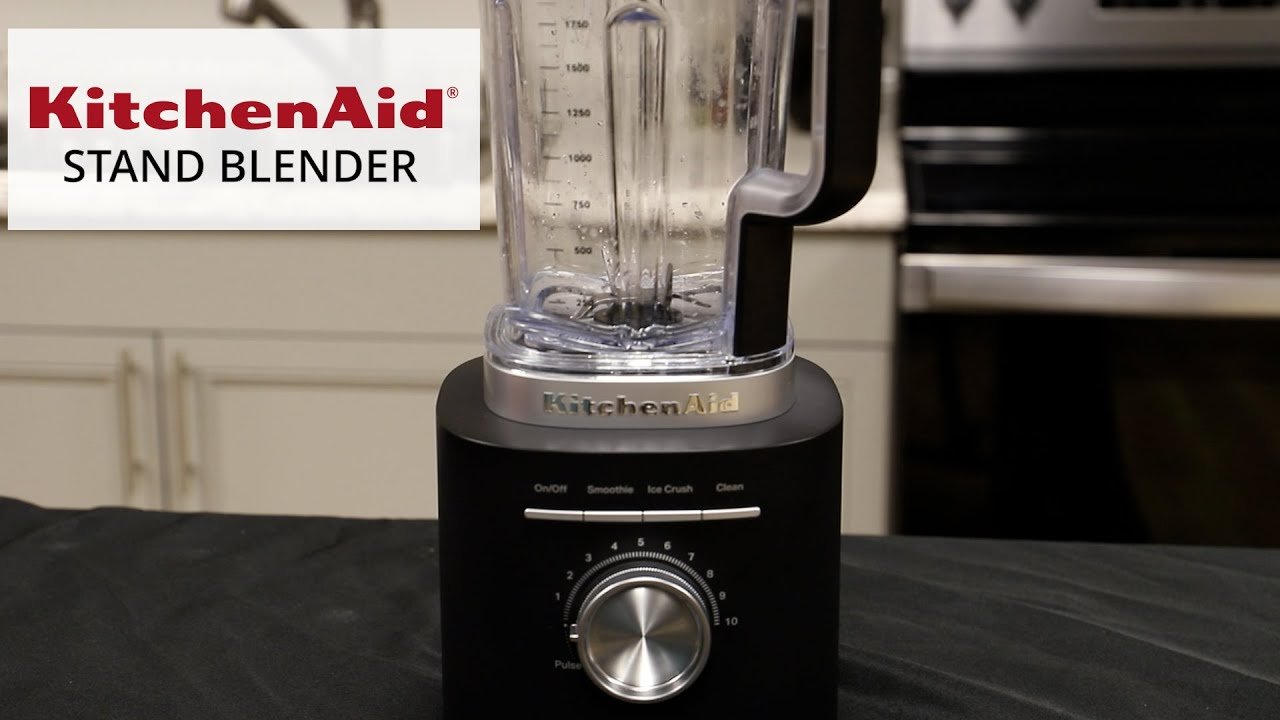
Your blender works hard every day, whipping up everything from morning smoothies to evening soups. But when was the last time you gave it a thorough clean?
If you want your blender to stay fresh, safe, and ready to use, knowing how to clean blender parts properly is key. You’ll discover simple, effective steps to get every piece sparkling—without wasting time or effort. Keep reading, and you’ll never have to worry about sticky residue or stubborn stains again!
Essential Tools And Supplies
Cleaning blender parts requires the right tools and supplies. Using proper items makes the job easier and more effective.
This guide lists the essential items you need to clean your blender thoroughly and safely.
Soft Brushes
Soft brushes help remove food stuck in tight spots. They clean blades and crevices without scratching.
Mild Dish Soap
Use mild dish soap to avoid damage. It cuts grease and cleans without harsh chemicals.
Warm Water
Warm water helps dissolve food residue and soap. It makes cleaning faster and more thorough.
Soft Cloth Or Sponge
A soft cloth or sponge wipes the blender parts clean. It prevents scratches on plastic and glass.
Drying Rack Or Towel
Use a drying rack or clean towel to air dry or wipe dry parts. This stops water spots and rust.
List Of Essential Supplies
- Soft cleaning brush
- Mild dish soap
- Warm water
- Soft cloth or sponge
- Drying rack or towel
- Optional: Vinegar for deep cleaning
Disassembling The Blender
Cleaning your blender starts with taking it apart. You must remove all parts carefully. This helps clean every corner.
Disassembling the blender also keeps it safe. Follow these simple steps to separate the main parts.
Removing The Blade
Always unplug the blender before removing the blade. Hold the jar firmly, then twist the blade base counterclockwise. Be careful, blades are sharp.
Detaching The Jar
The jar holds your ingredients and must be removed for cleaning. Lift the jar straight up from the motor base. Do not twist to avoid damage.
- Make sure the jar is empty
- Grip the jar handle securely
- Pull the jar upward in a straight motion
- Set the jar on a clean surface
Taking Off The Lid
The lid keeps ingredients inside while blending. To remove it, lift the lid carefully. Some lids have a removable cap in the center.
| Part | How to Remove |
| Lid | Lift straight up from the jar |
| Center Cap | Pull out gently from the lid |
Cleaning The Blender Jar
Keeping your blender jar clean is important for fresh and tasty drinks. Dirt and residue can build up after use.
Cleaning the jar regularly helps keep it in good shape and free from germs.
Using Soap And Water
Wash the blender jar with warm water and dish soap after each use. This removes most food residue and oils.
Use a soft sponge or cloth to clean inside the jar without scratching it.
- Fill the jar halfway with warm water
- Add a few drops of dish soap
- Use a sponge or brush to scrub all sides
- Rinse well with clean water
- Dry with a clean towel or air dry
Handling Stubborn Stains
Sometimes stains stick to the jar and do not wash off easily. These stains come from fruits, vegetables, or spices.
Try soaking the jar in warm soapy water for 15-20 minutes. This softens the stains and makes cleaning easier.
- Fill the jar with warm water and soap
- Let it soak for 20 minutes
- Use a soft brush to scrub stained areas
- Rinse thoroughly with clean water
- Repeat if necessary
Dealing With Odors
Blender jars can keep smells from strong ingredients like garlic or onion. These odors can be hard to remove.
Use natural cleaning agents like baking soda or vinegar to neutralize smells and freshen the jar.
- Sprinkle baking soda inside the jar
- Add a little water to make a paste
- Let it sit for 10-15 minutes
- Scrub gently and rinse well
- Or fill the jar with vinegar and water, soak, then rinse
Cleaning The Blade Assembly
The blade assembly is one of the most important parts of your blender. Cleaning it well keeps your blender working properly and safe to use. Dirt and food can get stuck around the blades, so regular cleaning is necessary.
Always handle the blades with care to avoid injury. Follow simple cleaning steps to remove residue and dry the parts correctly.
Safe Handling Tips
The blade assembly can be sharp and dangerous. Use these tips to stay safe while cleaning it.
- Wear gloves to protect your hands from cuts.
- Hold the blade assembly by its base, not the blades.
- Keep the blade assembly away from children.
- Use a brush to clean hard-to-reach areas instead of your fingers.
Removing Residue
Food particles and liquids can stick to the blade assembly. Use this table to choose the right cleaning method for different types of residue.
| Residue Type | Cleaning Method |
|---|---|
| Sticky or oily residue | Soak in warm soapy water for 10 minutes |
| Dried food particles | Use a soft brush or toothbrush to scrub gently |
| Strong odors | Soak in a mixture of water and vinegar for 15 minutes |
| Hard to reach spots | Use a cotton swab dipped in soapy water |
Drying Properly
Drying the blade assembly is important to prevent rust and damage. Follow these simple steps to dry it safely.
- Shake off excess water carefully.
- Pat dry with a clean towel, avoiding the sharp edges.
- Leave the blade assembly on a drying rack to air dry completely.
- Store it in a dry place before reassembling the blender.
Cleaning The Blender Base
The blender base holds the motor and controls. It needs regular cleaning to keep it working well.
Cleaning the base is simple but requires care to avoid damage. Never submerge it in water.
Wiping The Exterior
Start by unplugging the blender. Use a soft cloth dampened with warm, soapy water to wipe the outside.
Pay attention to corners and edges where dirt can build up. Avoid getting water inside the base.
- Use a microfiber or soft cloth
- Wring out excess water before wiping
- Wipe gently to avoid scratches
- Dry the surface with a clean cloth
Cleaning The Control Panel
Dust and food splashes can dirty the control panel. Clean it carefully to keep buttons working.
Use a cotton swab or soft cloth dampened with mild cleaner. Wipe around buttons without pressing hard.
- Avoid spraying cleaner directly on the panel
- Use minimal moisture to prevent damage
- Check that buttons move freely after cleaning
- Dry with a soft cloth to remove residue

Credit: shop.ttkprestige.com
Reassembling The Blender
After cleaning all the parts, it is important to put the blender back together correctly. Proper reassembly ensures the blender works safely and efficiently.
Take your time to fit each part in its place. This will help avoid leaks or damage during use.
Ensuring A Secure Fit
Check that each part fits tightly and securely. Loose parts can cause spills or stop the blender from working.
- Place the gasket ring properly on the blade assembly.
- Attach the blade assembly to the jar and twist it firmly.
- Set the jar onto the base and turn it until it locks into place.
- Ensure the lid fits snugly and the lid cap is sealed.
- Verify that no parts are cracked or damaged before assembling.
Testing For Functionality
After assembling, test the blender to make sure it works properly. This helps spot any issues early.
| Test | What to Check | Action if Problem |
| Power On | Blender starts without noise | Unplug and check assembly |
| Blade Rotation | Blades spin smoothly | Recheck blade and gasket fitting |
| No Leaks | No liquid escapes from jar | Tighten blade assembly or replace gasket |
| Safety Lock | Blender only runs when jar is locked | Adjust jar position or base lock |
Maintenance Tips For Longevity
Cleaning your blender parts often keeps your appliance working well. Dirt and food bits can cause damage over time.
Simple care habits help your blender last longer and stay safe for food use.
Regular Cleaning Schedule
Clean your blender parts after every use to avoid buildup. This stops smells and mold from forming.
- Disassemble the blender parts carefully.
- Rinse all parts with warm water right after use.
- Wash with mild dish soap and a soft sponge.
- Dry each part completely before reassembling.
- Deep clean once a week by soaking blades in vinegar water.
Avoiding Common Mistakes
Some actions can harm your blender or reduce its lifespan. Avoid these to keep it safe and working well.
| Mistake | Why to Avoid | Better Practice |
| Using harsh scrubbers | Damages blades and plastic parts | Use soft sponges or brushes |
| Ignoring seals and gaskets | Food and liquid build-up causes leaks | Clean seals gently and check for wear |
| Putting blender base in water | Electrical parts get damaged | Wipe base with damp cloth only |
| Not drying parts properly | Leads to mold and rust | Air dry or towel dry fully before use |

Credit: www.wonderchef.com

Credit: www.youtube.com
Frequently Asked Questions
How Do I Safely Clean Blender Blades?
To clean blender blades safely, unplug the blender first. Remove the blades carefully and wash with warm, soapy water. Use a brush to reach tight spots. Rinse thoroughly and dry completely before reassembling to prevent rust and ensure safety.
What Is The Best Way To Clean Blender Jars?
Fill the jar halfway with warm water and add a drop of dish soap. Blend on low for 30 seconds, then rinse thoroughly. For stubborn stains, use baking soda and scrub gently. Dry the jar completely before storing.
Can I Clean Blender Parts In A Dishwasher?
Most blender jars and lids are dishwasher safe, but always check the manufacturer’s instructions. Avoid placing blades in the dishwasher as they can dull or rust. Hand wash blades separately for longer life and better performance.
How Often Should I Clean My Blender Parts?
Clean blender parts after every use to prevent residue buildup and bacteria growth. Regular cleaning ensures better taste and longer appliance life. Deep clean once a week with vinegar or baking soda for thorough sanitation.
Conclusion
Cleaning blender parts keeps your kitchen safe and your blender working well. Regular cleaning stops old food from sticking and causing bad smells. Use warm water and mild soap for best results. Take care with sharp blades to avoid cuts.
Dry all parts fully before putting them back together. Clean blenders last longer and blend better. A little effort keeps your blender fresh and ready to use every day. Simple steps make a big difference in your kitchen routine.