

Are your baseboards looking dusty, grimy, or just plain neglected? You might be surprised how much a quick, efficient cleaning can brighten up your whole room.
But let’s be honest—cleaning baseboards often feels like a tedious chore that you’d rather skip. What if you could get the job done faster, with less effort, and better results? You’ll discover simple, practical tips that make cleaning your baseboards easier than ever.
By the time you finish reading, you’ll be ready to tackle those stubborn spots and enjoy a fresher, cleaner home without the hassle. Keep reading to find out how!

Credit: chemistrycachet.com
Materials Needed
Cleaning baseboards is easier with the right materials. These tools help remove dust and stains quickly.
Gathering all items before starting saves time and effort. Here are the materials you need.
Cleaning Cloths
Soft cloths are best for wiping baseboards. Microfiber cloths trap dust well and do not scratch surfaces.
Cleaning Solutions
Use gentle cleaning liquids to avoid damage. Mild soap mixed with water works for most jobs.
- Dish soap and warm water
- White vinegar diluted with water
- Commercial all-purpose cleaner
Tools For Tough Spots
Some stains need extra help. Use brushes or sponges to scrub dirt without harming paint.
| Tool | Purpose |
| Soft-bristle brush | Remove stubborn dirt |
| Magic eraser | Clean scuff marks |
| Sponge | Apply cleaning solution evenly |
Protective Gear
Wear gloves to protect your hands from cleaning liquids. Old clothes can keep your outfit safe from splashes.
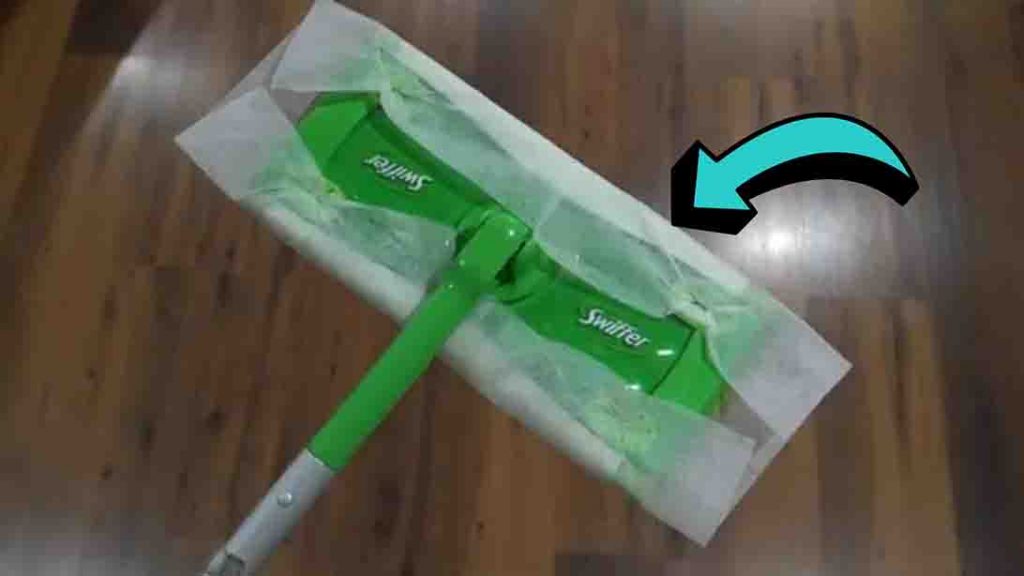
Credit: diyjoy.com
Preparation Steps
Cleaning baseboards efficiently starts with good preparation. It saves time and helps you clean better.
Gathering the right tools and clearing the area makes the process easier and faster.
Clear The Area Around Baseboards
Remove furniture and objects near the baseboards. This gives you full access to all surfaces.
Gather Cleaning Supplies
Use the right cleaning tools and solutions for best results. Having everything ready helps avoid interruptions.
- Soft cloths or microfiber towels
- A vacuum with brush attachment
- Mild detergent or soap
- A bucket of warm water
- A small brush or old toothbrush
- Optional: Magic eraser for tough stains
Protect Floors And Surroundings
Place old towels or plastic sheets on the floor near the baseboards. This protects your flooring from water and dirt.
| Item | Purpose |
|---|---|
| Towels or plastic sheets | Protect floors from water and dirt |
| Vacuum brush | Remove loose dust and debris |
| Microfiber cloth | Clean without scratching surfaces |
| Small brush | Clean corners and grooves |
Dusting Techniques
Cleaning baseboards often feels like a chore. Dust and dirt can build up quickly along the edges of your floors.
Using the right dusting techniques helps keep baseboards clean without much effort. It also protects your walls and floors.
Using A Microfiber Cloth
Microfiber cloths are great for dusting baseboards. They trap dust instead of pushing it around.
Use a dry microfiber cloth to wipe along the baseboard. For stubborn dirt, dampen the cloth slightly.
- Fold the cloth to create clean sections
- Wipe slowly to catch all dust
- Rinse and wring the cloth when dirty
- Dry the baseboard after cleaning
Vacuum Attachment Tips
Vacuuming baseboards removes dust quickly. Use a soft brush attachment to avoid damage.
Move the vacuum slowly along the baseboard. This helps pick up dust and crumbs in corners.
- Choose a brush nozzle for gentle cleaning
- Use low suction to protect paint
- Clean the brush attachment regularly
- Vacuum before wiping for best results
Washing Methods
Cleaning baseboards helps keep your home looking fresh. Dust and dirt often build up at the bottom of walls.
Using the right washing method makes cleaning easier and faster. This guide covers simple ways to wash baseboards.
Soap And Water Solution
A soap and water mix is the easiest way to clean baseboards. It removes dust and light grime without damage.
Use warm water and a few drops of mild dish soap. Dip a soft cloth or sponge in the solution and wring it out well.
- Start wiping from one end of the baseboard
- Use gentle strokes to avoid scratching
- Rinse the cloth often in the soap solution
- Dry the baseboard with a clean towel after washing
Vinegar For Tough Stains
White vinegar works well on stubborn stains and sticky dirt. It is a natural cleaner and safe for most surfaces.
Mix equal parts of white vinegar and water in a spray bottle. Spray the solution on the stained area and let it sit for a few minutes.
- Use a soft cloth to scrub the stain gently
- Do not use vinegar on waxed or delicate surfaces
- Wipe with a damp cloth to remove vinegar residue
- Dry with a clean towel after cleaning
Drying And Polishing
Cleaning baseboards is not complete without proper drying and polishing. These steps help keep baseboards looking fresh and protect them from damage.
Drying removes moisture that can cause warping or mold. Polishing adds shine and helps prevent dust buildup.
Effective Drying Techniques
After cleaning baseboards with a damp cloth or cleaner, dry them quickly to avoid water damage. Use a dry microfiber cloth or towel for best results.
- Wipe baseboards immediately after cleaning
- Use soft cloths to avoid scratching the paint
- Open windows or use fans to speed up drying
- Check corners and crevices for leftover moisture
Polishing For A Smooth Finish
Polishing baseboards improves their appearance and makes cleaning easier next time. Use a polish suitable for the material of your baseboards.
| Type of Baseboard | Recommended Polish | Application Tips |
| Wood | Wood polish or beeswax | Apply with soft cloth, buff gently |
| Painted | Furniture polish or mild wax | Use sparingly to avoid buildup |
| Vinyl | Vinyl cleaner with polish | Test on small area first |

Credit: www.angi.com
Preventive Maintenance
Cleaning baseboards regularly keeps them looking fresh and new. It also stops dirt from building up. Preventive maintenance saves time and effort later.
Using simple cleaning habits helps protect your baseboards. You can keep your home cleaner and more inviting with little work each week.
Regular Cleaning Schedule
Set a cleaning schedule to keep baseboards dust-free. Clean them at least once every two weeks. This prevents dirt from becoming hard to remove.
Start by dusting with a microfiber cloth or a soft brush. Then, wipe with a damp cloth to remove any stains. Dry the baseboards to avoid water damage.
- Dust baseboards weekly using a soft cloth
- Wipe with a damp cloth every two weeks
- Use mild soap for tougher spots
- Dry baseboards immediately after cleaning
Protective Measures
Protect baseboards from damage by avoiding harsh chemicals. Use gentle cleaners to keep paint and finish safe. Prevent scratches by moving furniture carefully.
Place guards or pads under furniture legs. This stops scuffs and dents. Keep pets’ nails trimmed to avoid scratches. These small steps help baseboards last longer.
- Use mild cleaning products only
- Place felt pads under furniture
- Trim pet nails regularly
- Avoid bumping baseboards with heavy items
Common Mistakes
Cleaning baseboards can be tricky if you make simple errors. These mistakes can damage the paint or leave dirt behind.
Knowing what to avoid helps you clean baseboards faster and better. Focus on two main areas: moisture and tools.
Avoiding Excessive Moisture
Using too much water can harm your baseboards. Water can soak into wood and cause swelling or paint to peel.
- Do not soak your cloth or sponge.
- Use a damp, not wet, cleaning cloth.
- Dry the baseboards immediately after cleaning.
- Avoid spraying cleaning solutions directly on the baseboard.
- Keep water away from electrical outlets near baseboards.
Using The Right Tools
Choosing improper tools can scratch or miss dirt on your baseboards. Use soft, gentle tools for best results.
| Tool | Why Use | Why Avoid |
| Microfiber Cloth | Soft and traps dust well | None |
| Hard-bristle Brush | Good for tough dirt | Can scratch paint |
| Sponge | Absorbs water but gentle | Too wet can damage wood |
| Paper Towels | Easy to use once | Leaves lint, not eco-friendly |
| Vacuum Brush Attachment | Removes dust without mess | May miss sticky grime |
Frequently Asked Questions
How Often Should I Clean Baseboards?
Cleaning baseboards every 1-2 months keeps them dust-free and fresh. Frequent cleaning prevents dirt buildup and maintains a neat appearance.
What Tools Are Best For Cleaning Baseboards?
Use a microfiber cloth, soft brush, and a gentle cleaner. These tools effectively remove dust and grime without damaging the baseboards.
Can I Use Vinegar To Clean Baseboards?
Yes, diluted vinegar is a natural, safe cleaner for baseboards. Mix equal parts water and vinegar to remove dirt and stains efficiently.
How Do I Remove Tough Stains From Baseboards?
Apply a mild detergent or baking soda paste on stains. Gently scrub with a soft brush, then wipe clean with a damp cloth.
Conclusion
Cleaning baseboards does not have to take long. Use simple tools and gentle cleaners for best results. Regular dusting keeps them looking fresh and neat. Start from one corner and work your way around. Dry cloths help remove leftover moisture quickly.
Clean baseboards brighten any room instantly. Small efforts bring big changes in home care. Keep a routine to avoid heavy dirt buildup. You will enjoy a cleaner, more inviting space every day.