
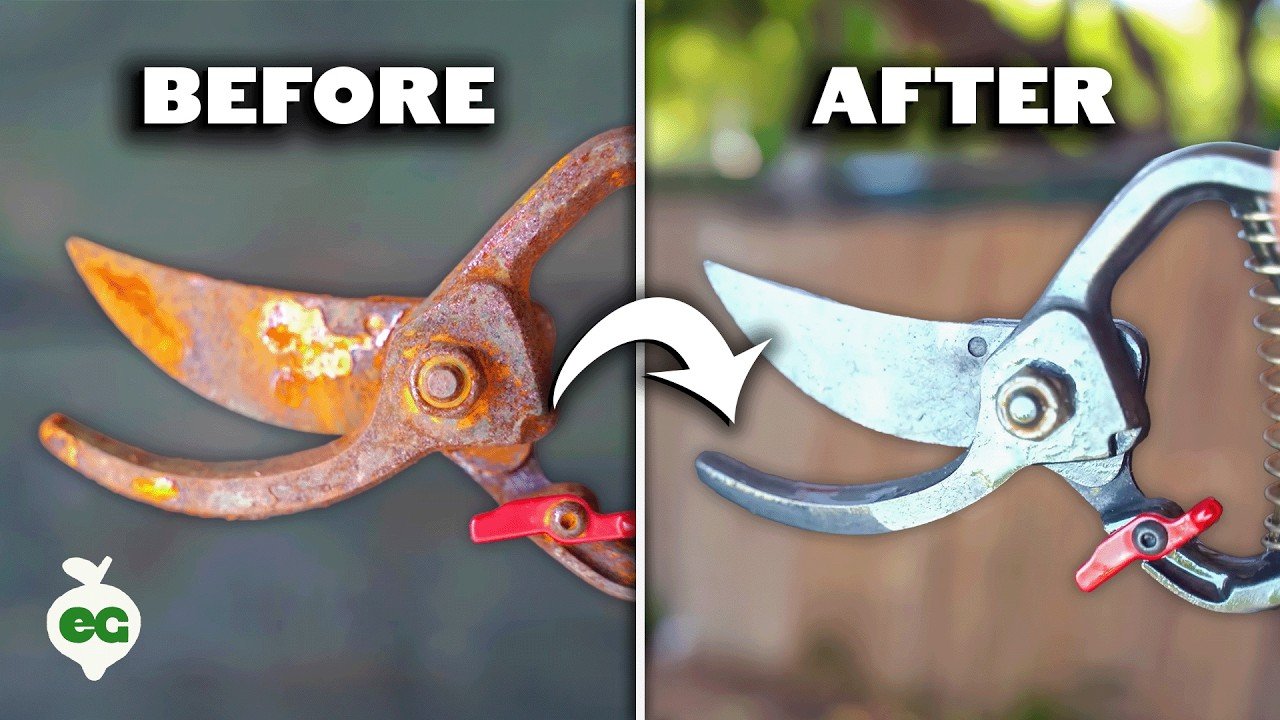
Your cutting tools are essential for getting the job done right, whether you’re gardening, cooking, or working on a project. But if they’re not clean and disinfected properly, they can cause more harm than good.
Dirt, rust, and germs can build up, making your tools less effective and even unsafe to use. You might not realize how easy it is to keep them in top shape. You’ll discover simple, step-by-step ways to clean and disinfect your cutting tools so they last longer and work better every time.
Keep reading—you’ll be surprised how small changes can make a big difference.

Credit: www.jpscissors.com
Importance Of Clean Cutting Tools
Clean cutting tools keep your work safe and effective. Dirt and germs can cause problems during use.
Regular cleaning stops rust, dullness, and infections. It also makes tools last longer.
Preventing Cross-contamination
Dirty tools can spread germs from one item to another. This can cause infections or spoil your work.
Cleaning and disinfecting tools kill harmful bacteria and viruses. This keeps users and others safe.
Extending Tool Life
Removing dirt and moisture stops rust and damage. Clean tools stay sharp and work better for longer.
Regular care lowers repair and replacement costs. It saves money and time over the tool’s life.
Improving Work Quality
Clean tools cut smoothly and accurately. This improves the quality of your work and results.
Dull or dirty tools make rough cuts. This can ruin materials and waste effort.
Ensuring Safety
Clean and sharp tools reduce the risk of accidents. Slips happen less when tools work correctly.
Cleaning removes hidden hazards like rust or sticky residue. This keeps users safe during use.
Basic Supplies Needed
Cleaning and disinfecting cutting tools is important for safety and tool care. You need the right supplies to do it well.
Using basic supplies helps remove dirt, germs, and rust from your tools. This keeps them sharp and safe to use.
Cleaning Brush
A cleaning brush removes dirt and debris from your cutting tools. Choose a brush with stiff bristles for best results.
It helps clean hard-to-reach areas like joints and blades, making sure no grime stays behind.
Mild Detergent
Mild detergent cleans oils and dirt without damaging the tools. Use a small amount mixed with warm water.
This helps break down grease and removes sticky residues from cutting edges.
Disinfectant Solution
Disinfectant kills germs and bacteria on cutting tools. Use a solution safe for metal surfaces.
Make sure to follow the product instructions for proper use and contact time.
Clean Cloths Or Towels
Use clean cloths to wipe tools dry after cleaning and disinfecting. Soft towels prevent scratches.
Keep several cloths handy to avoid spreading dirt back onto the tools.
Protective Gloves
Wear protective gloves to keep your hands safe from chemicals and sharp edges. Gloves also stop germs from spreading.
Choose gloves that fit well and are resistant to cleaning agents.
Rust Remover (optional)
Rust remover helps clean tools with rust spots. Use it only if you notice rust on your cutting tools.
Apply carefully and follow safety instructions to protect the tool and your skin.
Preparing Tools For Cleaning
Cleaning cutting tools properly keeps them sharp and safe to use. Before cleaning, it is important to prepare the tools well.
Preparing tools helps remove dirt and makes disinfection more effective. Follow these steps to get your tools ready.
Disassemble If Necessary
Some cutting tools have parts that come apart. Taking them apart helps clean each piece better.
Disassemble blades, handles, or screws carefully. Keep track of all parts to avoid losing them.
- Use a screwdriver or tool if needed
- Place small parts in a container
- Handle blades with care to avoid cuts
Remove Loose Debris
Before washing, remove dirt, hair, or plant material from the tools. This stops debris from blocking cleaning agents.
Use a brush, cloth, or compressed air to clear away loose debris. Clean tools work better and last longer.
- Brush blades gently to remove stuck dirt
- Wipe handles with a dry cloth
- Shake or tap tools to loosen debris
Cleaning Process
Cleaning and disinfecting cutting tools is important to keep them safe and sharp. Dirt and germs can cause problems if not removed.
Follow simple steps to clean your cutting tools well before disinfecting them.
Choose The Right Cleaning Solution
Pick a cleaning solution that removes dirt, grease, and germs. Use solutions made for metal tools or mild soap mixed with water.
Avoid harsh chemicals that can damage the tools or cause rust. Make sure the solution is safe for your tools and skin.
- Mild dish soap and warm water
- Special metal cleaner
- Isopropyl alcohol for disinfecting after cleaning
Scrub And Rinse Thoroughly
Use a soft brush or cloth to scrub the tools. Clean all parts, including blades and handles, to remove all dirt and germs.
Rinse the tools well with clean water. Make sure no soap or cleaning solution stays on the tools to avoid damage.
- Use a toothbrush for hard-to-reach areas
- Scrub gently to avoid scratches
- Rinse under running water for best results
Disinfecting Techniques
Cleaning and disinfecting cutting tools is important to keep them safe and sharp. Disinfecting removes germs that can cause infections or damage.
Using the right techniques helps tools last longer and stay clean. This guide explains easy ways to disinfect cutting tools.
Use Of Chemical Disinfectants
Chemical disinfectants kill bacteria and viruses on cutting tools quickly. They work well on metal and plastic parts.
Common chemicals include alcohol, bleach, and hydrogen peroxide. Always follow safety instructions when using them.
- Use 70% isopropyl alcohol to wipe blades and handles.
- Dilute bleach with water (1 part bleach to 9 parts water) for soaking tools.
- Apply hydrogen peroxide with a clean cloth to disinfect surfaces.
- Wear gloves and work in a well-ventilated area.
- Rinse tools with water after disinfecting and dry them well to stop rust.
Natural Disinfecting Alternatives
Natural disinfectants offer a safer way to clean cutting tools. They use ingredients found in many homes.
Vinegar and lemon juice have natural acids that kill some germs and remove dirt. They are gentle and eco-friendly.
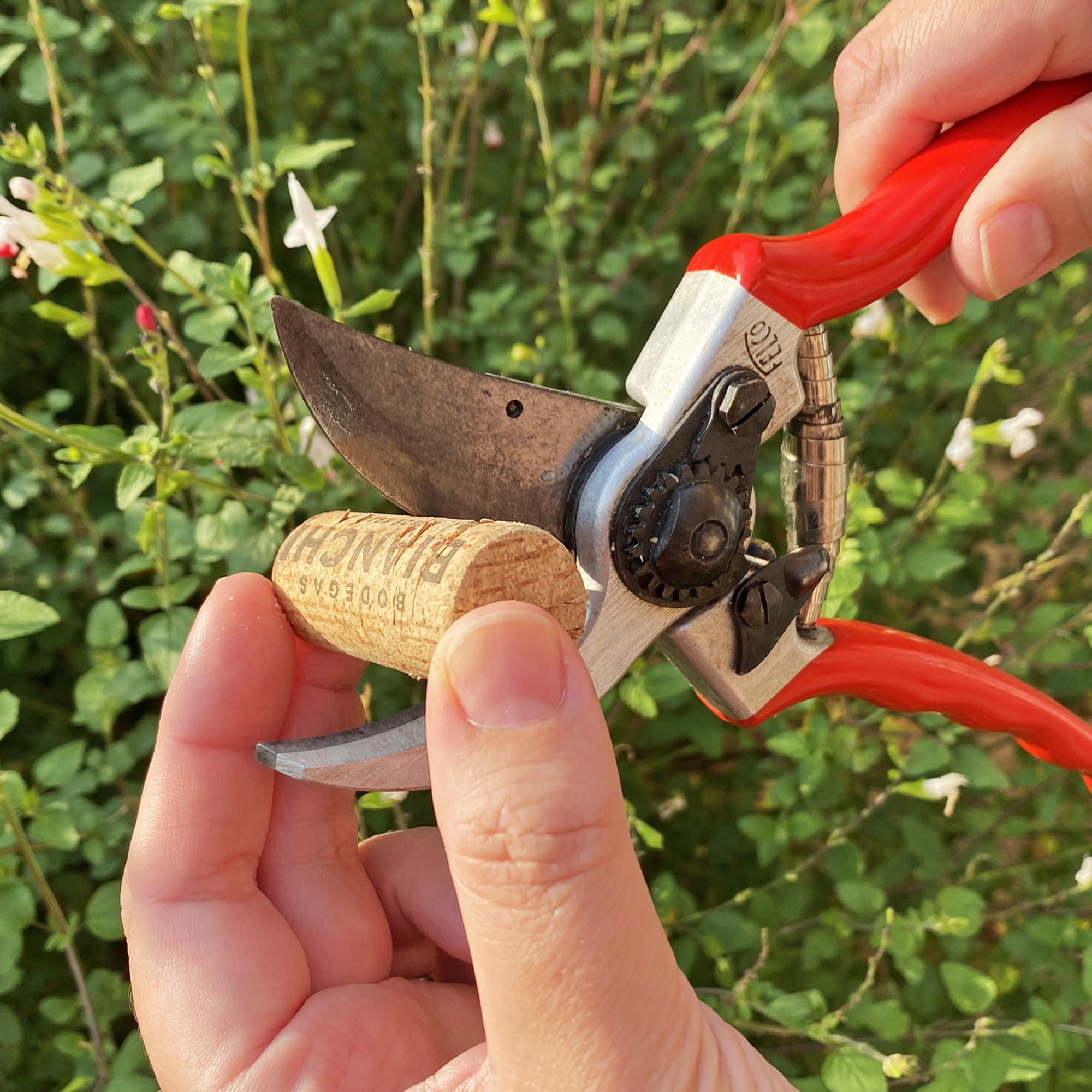
- Soak tools in white vinegar for 10 minutes, then rinse and dry.
- Rub lemon juice on blades to clean and freshen them.
- Use baking soda paste to scrub away grime before disinfecting.
- Natural oils like tea tree oil can be added to water for extra cleaning power.
- Repeat natural cleaning regularly to keep tools safe and sharp.
Credit: www.gardeningknowhow.com
Drying And Storing Tools
Cleaning cutting tools is not enough to keep them safe and sharp. Drying and storing them properly is key to avoid rust and damage.
Proper care helps tools last longer and stay ready for use. This guide explains why drying and storing matter.
Importance Of Proper Drying
Water left on tools can cause rust and corrosion. Dry tools fully before storing to keep them in good shape.
Use a clean cloth or air dry tools in a dry place. Avoid leaving tools in damp areas after cleaning.
- Rust weakens metal blades
- Water spots reduce tool sharpness
- Drying prevents mold and bacteria growth
Storage Tips For Longevity
Store tools in a dry, cool place away from moisture. Proper storage keeps tools sharp and ready to use.
Use toolboxes, racks, or holders to keep tools organized and protected from damage.
- Keep blades covered or sheathed
- Store tools separately to avoid scratches
- Check stored tools regularly for rust or dirt
- Apply light oil on metal parts to prevent rust
Safety Tips During Cleaning
Cleaning and disinfecting cutting tools is important to keep them safe and sharp. You must follow safety rules to avoid injuries.
Using the right safety gear and careful handling helps protect your hands and body. Always take your time and work carefully.
Wearing Protective Gear
Always wear gloves to protect your hands from cuts and chemicals. Use gloves made for handling sharp tools and cleaning products.
Safety glasses protect your eyes from splashes of cleaning liquids. Wear a mask if you use strong disinfectants to avoid breathing fumes.
- Wear cut-resistant gloves
- Use safety glasses or goggles
- Wear a mask if needed
- Wear long sleeves to protect arms
Handling Sharp Edges
Cutting tools have sharp edges that can cause serious cuts. Always handle tools by the handle, never by the blade.
Clean tools on a stable surface to avoid slips. Move slowly and keep fingers away from blades at all times.
- Hold tools firmly by the handle
- Keep blades pointed away from your body
- Use a brush or cloth to clean blades safely
- Work on a flat, stable surface
Frequency Of Cleaning
Cutting tools need regular cleaning to stay safe and work well. Dirt and germs build up fast on these tools.
Cleaning often helps stop rust and keeps tools sharp. It also prevents the spread of bacteria and viruses.
Guidelines For Regular Maintenance
Clean cutting tools after every use. Remove dirt, sap, and plant residue right away. Use warm water and mild soap to wash them.
Disinfect tools at least once a week or more if used on many plants. Use a disinfectant like rubbing alcohol or bleach solution.
- Wipe blades clean after each use
- Dry tools fully to stop rust
- Sharpen blades regularly for better cuts
- Store tools in a dry place
- Disinfect tools when moving between plants
Signs Tools Need Immediate Cleaning
Look for visible dirt, sap, or rust on your tools. These signs mean the tools need cleaning now.
If tools feel sticky or hard to open, clean and oil them. Also clean tools if you see plant diseases on blades.
- Sticky or dirty blades
- Rust spots forming
- Blades not cutting smoothly
- Tools used on sick plants
- Unpleasant odors from tools
Credit: shynihome.com
Frequently Asked Questions
How Often Should I Clean My Cutting Tools?
Cutting tools should be cleaned after every use. Frequent cleaning prevents rust, removes debris, and maintains sharpness. This ensures safety and extends tool life. Consistent cleaning helps achieve precise cuts and reduces contamination risks.
What Is The Best Disinfectant For Cutting Tools?
Isopropyl alcohol and bleach solutions are effective disinfectants. Use 70% isopropyl alcohol for quick drying and sanitizing. For stronger disinfection, dilute bleach with water (1:10 ratio). Always rinse tools after disinfecting to avoid corrosion.
Can I Use Soap And Water To Clean Cutting Tools?
Yes, soap and water effectively remove dirt and residue. Use warm soapy water and a brush to clean thoroughly. Dry tools completely afterward to prevent rust. Soap alone does not disinfect; follow up with a sanitizer.
How Do I Prevent Rust On Cutting Tools After Cleaning?
Dry tools immediately after washing to prevent moisture buildup. Apply a thin layer of oil or rust inhibitor. Store tools in a dry, ventilated area. Regular maintenance protects tools from corrosion and extends their lifespan.
Conclusion
Cleaning and disinfecting cutting tools keeps them sharp and safe. Regular care stops rust and bacteria from growing. Use soap, water, and a disinfectant for best results. Dry tools well to avoid damage. Store tools in a clean, dry place.
Good habits help tools last longer and work better. Small steps make a big difference in tool care. Keep your tools ready for every job. Simple cleaning protects your health and tools.