
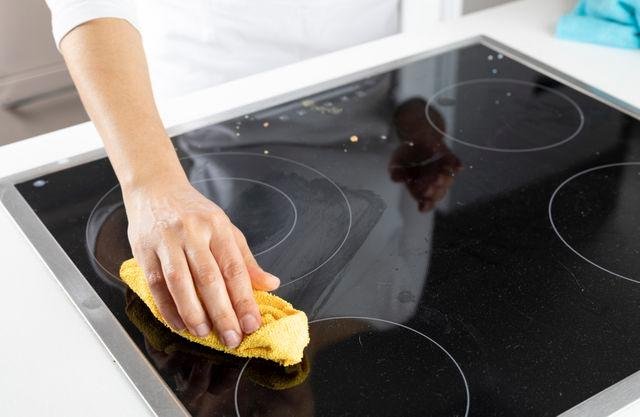
Your induction cooktop is a sleek and modern addition to your kitchen, but keeping its surface spotless can be tricky. If you’ve ever struggled with stubborn stains or worried about scratching that smooth glass, you’re not alone.
The good news is, cleaning your induction cooktop doesn’t have to be a hassle. With the right tips and simple steps, you can restore its shine and keep it looking brand new. Ready to learn how to make your cooktop sparkle effortlessly?
Let’s dive in and discover the easiest way to clean your induction cooktop surface.
Essential Cleaning Tools
Cleaning an induction cooktop surface needs the right tools. Using proper items keeps the surface shiny and scratch-free.
Here are the essential cleaning tools you need for the best results.
Microfiber Cloths
Microfiber cloths are soft and gentle on the cooktop. They remove dirt without scratching the glass surface.
Use a damp microfiber cloth to wipe away spills and fingerprints.
Non-abrasive Sponge
A non-abrasive sponge helps scrub off stuck food. It cleans well without damaging the cooktop.
Choose sponges labeled safe for glass or ceramic surfaces.
Cooktop Scraper
A cooktop scraper removes tough burnt-on residue. It has a flat blade designed for glass tops.
Use it carefully at a low angle to avoid scratches.
Mild Dish Soap
Mild dish soap helps break down grease and food stains. It is gentle and safe for the cooktop surface.
Mix a few drops with warm water for effective cleaning.
White Vinegar
White vinegar cuts through hard water spots and streaks. It also acts as a natural disinfectant.
Spray vinegar on the surface and wipe with a microfiber cloth for a clear shine.
Soft Paper Towels
Soft paper towels are good for drying the cooktop after cleaning. They help prevent water spots.
Use them gently to avoid scratching the surface.
Credit: www.kitchenaid.com
Daily Maintenance Routine
Keeping your induction cooktop clean every day helps it last longer. A clean surface also makes cooking safer and easier.
Use gentle cleaning methods to avoid scratches or damage. Follow these simple daily steps to keep your cooktop spotless.
Wipe After Each Use
Wipe the cooktop surface with a soft cloth after cooking. This stops food and spills from hardening and becoming tough to clean.
Use a damp cloth or sponge with warm water. Avoid abrasive scrubbers that can scratch the glass surface.
Use Mild Cleaners
Use mild dish soap or special glass cooktop cleaner for daily cleaning. Harsh chemicals can damage the surface or leave streaks.
Apply the cleaner with a soft cloth and wipe gently. Rinse with a damp cloth to remove any soap residue.
Remove Stubborn Spots Quickly
Clean spills or splatters as soon as the cooktop cools down. This prevents stains from sticking to the surface.
- Use a scraper designed for glass cooktops carefully.
- Hold the scraper at a 45-degree angle.
- Gently scrape away residue without pressing hard.
Dry The Surface Thoroughly
After cleaning, dry the cooktop with a soft cloth. This stops water spots and streaks from forming.
Use a microfiber cloth for a smooth, shiny finish. Avoid paper towels that can leave lint behind.
Deep Cleaning Techniques
Cleaning your induction cooktop deeply keeps it looking new and working well. Dirt and stains can build up over time.
Using the right techniques helps remove tough grime without damaging the surface.
Removing Stubborn Stains
Stubborn stains on an induction cooktop come from spills or splashes. They can be hard to clean with just a cloth.
Use a soft cloth with a mix of baking soda and water. This makes a gentle scrub that lifts stains safely.
- Sprinkle baking soda on the stain
- Spray a little water to make a paste
- Let it sit for 10 minutes
- Gently scrub with a soft cloth or sponge
- Wipe clean with a damp cloth
Dealing With Burnt Residue
Burnt residue comes from food spills that cook onto the surface. It can be tough to remove with normal cleaning.
Use a scraper made for glass cooktops to carefully lift burnt bits. Avoid metal tools that can scratch.
- Cool the cooktop before cleaning
- Hold the scraper at a low angle
- Gently push burnt residue off the surface
- Clean with warm, soapy water
- Dry with a soft towel
Homemade Cleaning Solutions
Cleaning an induction cooktop is easy with simple homemade solutions. These options use natural ingredients you likely have at home.
They help remove stains and keep the surface shiny without harsh chemicals.
Vinegar And Baking Soda Mix
Vinegar and baking soda work well together to clean tough stains. Vinegar dissolves grease, while baking soda scrubs gently.
Mix equal parts vinegar and water in a spray bottle. Sprinkle baking soda on the cooktop first.
- Spray the vinegar solution over the baking soda.
- Let it fizz for a few minutes.
- Wipe with a soft cloth or sponge in circles.
- Rinse with a damp cloth to remove residue.
Lemon Juice And Salt Scrub
Lemon juice breaks down grease and adds shine. Salt acts as a mild abrasive to scrub away grime.
Mix lemon juice with salt to form a paste. Apply it on stubborn spots and scrub gently.
- Rub the paste on stains using a soft cloth.
- Leave it for five minutes to work on dirt.
- Wipe clean with a damp cloth.
- Dry the surface with a soft towel.
Avoiding Common Mistakes
Cleaning an induction cooktop surface needs care and the right techniques. Many people make simple mistakes that can damage the cooktop.
Knowing what to avoid helps keep your cooktop safe and shiny for a long time.
Tools To Avoid
Using the wrong tools can scratch or damage your cooktop surface. Avoid abrasive sponges or steel wool.
Harsh scrapers or metal brushes also harm the glass surface and should not be used.
- Steel wool pads
- Metal scouring pads
- Sharp metal scrapers
- Abrasive cleaning powders
- Hard-bristle brushes
Incorrect Methods
Cleaning with harsh chemicals can damage the cooktop coating. Avoid bleach, ammonia, or oven cleaners.
Do not pour water directly on a hot cooktop. Sudden temperature changes can crack the surface.
- Using bleach or ammonia-based cleaners
- Pouring water on a hot cooktop
- Scrubbing hard with rough materials
- Using abrasive powders or pastes
- Ignoring manufacturer cleaning advice
Protecting The Cooktop Surface
Cleaning an induction cooktop is easy if you protect the surface well. Scratches and stains can damage the glass top. Use simple ways to keep it safe and looking new.
Protecting the surface helps your cooktop last longer. It also keeps cooking smooth and safe.
Using Protective Mats
Protective mats stop pots and pans from scratching the surface. They act as a soft layer between the cookware and the cooktop.
Choose mats made for induction cooktops. They should be heat-resistant and easy to clean.
- Place mats before cooking to avoid scratches
- Clean mats regularly to prevent dirt buildup
- Remove mats after cooking to avoid overheating
Regular Inspection Tips
Check your cooktop surface often for cracks or stains. Early spotting helps you fix small problems fast.
Use a soft cloth and mild cleaner for inspections. Avoid harsh chemicals that can harm the glass.
- Look for scratches or chips on the surface
- Clean spills right after cooking
- Check seals and edges for damage
- Report any issues to a professional if needed
Maintaining Cooktop Efficiency
Keeping your induction cooktop clean helps it work well and last longer. Dirt and stains can reduce heat transfer and slow cooking.
Regular cleaning also prevents damage and keeps the surface smooth. This saves energy and makes cooking easier.
Proper Cookware Usage
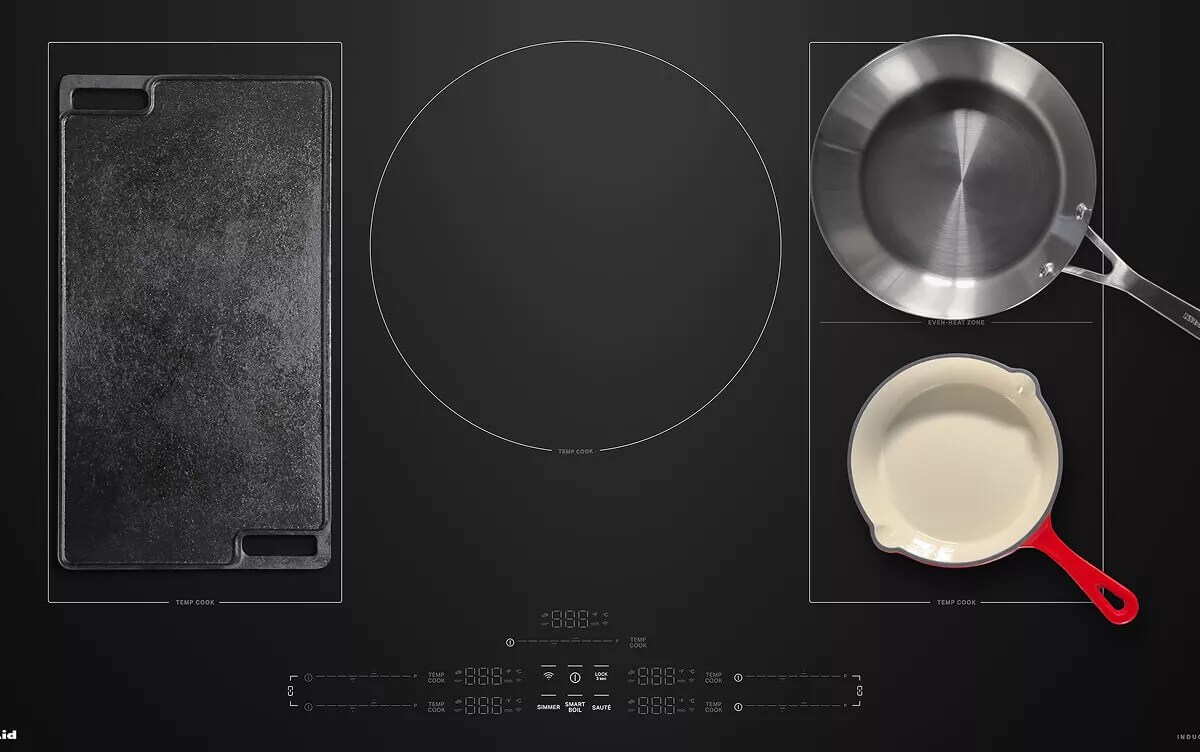
Use cookware made for induction cooktops. These pots and pans have magnetic bases that heat efficiently.
Check that the bottom of the cookware is flat and clean. Uneven or dirty bottoms reduce contact and heat transfer.
- Choose pans labeled “induction compatible”
- Avoid warped or scratched cookware
- Keep the base clean before cooking
- Use cookware with a flat, smooth bottom
Energy Saving Tips
Turn off the cooktop a few minutes before the food is done. The heat stays and finishes cooking without using extra energy.
Use lids on pots to keep heat inside. This cooks food faster and reduces power use.
- Match pan size to the burner size
- Keep the cooktop surface clean for better heat transfer
- Use residual heat to finish cooking
- Use lids to trap heat and steam
Credit: www.kitchenaid.com

Credit: www.reddit.com
Frequently Asked Questions
How Do I Clean An Induction Cooktop Safely?
Use a soft cloth and mild detergent to clean. Avoid abrasive sponges or harsh chemicals. Always wait until the cooktop cools before cleaning.
What Household Items Clean Induction Cooktop Stains?
White vinegar and baking soda effectively remove stains. Apply vinegar, sprinkle baking soda, then gently scrub with a soft cloth for best results.
Can I Use Scrapers On Induction Cooktops?
Use a plastic scraper designed for induction surfaces. Avoid metal tools to prevent scratches and damage to the cooktop.
How Often Should I Clean My Induction Cooktop?
Clean after every use to prevent buildup. Regular wiping keeps the surface shiny and extends the cooktop’s lifespan.
Conclusion
Cleaning your induction cooktop surface keeps it looking new and working well. Use gentle cleaners and soft cloths to avoid scratches. Wipe spills quickly to stop stains and damage. Regular care saves time and effort later. A clean cooktop means safer cooking and better heat.
Simple steps make a big difference every day. Keep your kitchen neat and enjoy cooking more. Easy habits protect your investment and improve your space. Try these tips and see how clean your cooktop stays.