
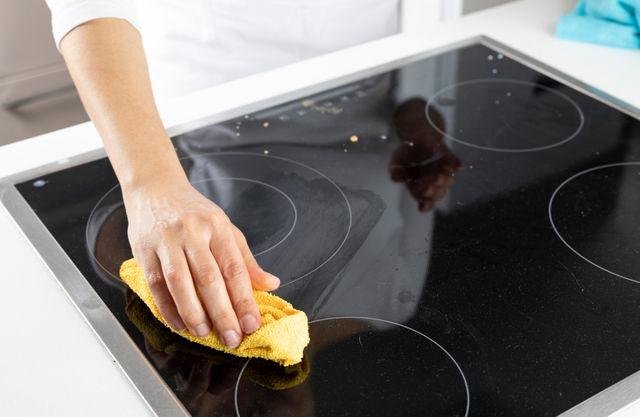
Your induction cooktop looks sleek and modern, but keeping it spotless can be tricky. If you’ve ever struggled with stubborn stains or worried about scratching the surface, you’re not alone.
Cleaning your induction cooktop the right way not only keeps it shining but also helps it last longer. You’ll discover simple, effective steps to make your cooktop sparkle without any hassle. Ready to make your kitchen shine? Let’s dive in!

Credit: www.aol.com
Understanding Induction Cooktop Materials
Induction cooktops have a smooth surface that heats pots and pans directly. Knowing the materials used helps you clean them safely.
Different parts of the cooktop need different care. This prevents damage and keeps the cooktop working well.
Ceramic Glass Surface
The top of most induction cooktops is made of ceramic glass. It looks like glass but is stronger and heat-resistant.
This surface can scratch if you use rough scrubbers. Use soft cloths and gentle cleaners to keep it shiny.
Metal Coil And Sensors
Under the glass, metal coils create the magnetic field to heat cookware. Sensors detect if pots are present.
These parts are delicate and should never get wet or cleaned directly. Keep the surface dry to protect them.
Control Panel Materials
Control panels often use plastic or glass touch buttons. They respond to your touch to adjust heat and settings.
Clean the control panel with a soft, damp cloth. Avoid harsh chemicals that can damage the buttons.
Cookware Compatibility Materials
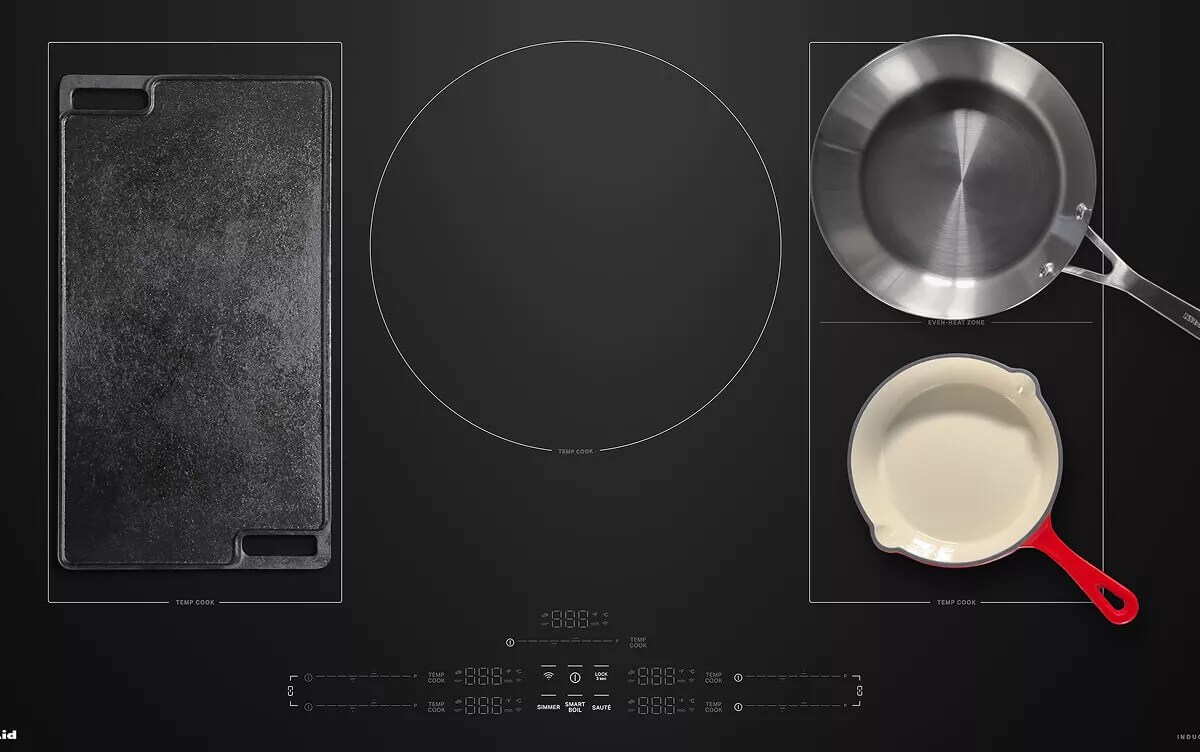
Induction cooktops work only with certain metal cookware. Cookware must have a magnetic base to heat properly.
- Cast iron pans work well
- Stainless steel pans usually work
- Aluminum or copper pans do not work unless they have a magnetic base
Essential Cleaning Tools
Cleaning an induction cooktop needs the right tools. Using proper items keeps it safe and shiny.
Choosing the right cleaning tools helps avoid scratches and damage. It also makes cleaning easier.
Microfiber Cloths
Microfiber cloths are soft and gentle on the cooktop surface. They remove dust and spills without scratching.
These cloths absorb water well and dry quickly. Use them for wiping and polishing the cooktop.
- Use a clean microfiber cloth each time
- Wash cloths regularly to keep them effective
- Avoid using fabric softeners on these cloths
Non-abrasive Sponges
Non-abrasive sponges clean tough stains without scratching the glass surface. They work well on cooked-on food.
Choose sponges labeled safe for glass or induction cooktops. Avoid rough scrubbers that can cause damage.
- Use gentle pressure while scrubbing
- Rinse sponges often to remove dirt
- Replace sponges when worn out
Induction Cooktop Cleaner
Special cooktop cleaners help break down grease and stains. They are made for glass surfaces to protect the finish.
Apply the cleaner as directed on the label. Use a soft cloth to spread and wipe it off for a streak-free shine.
- Use only cleaners designed for induction cooktops
- Do not use harsh chemicals or abrasive powders
- Store cleaners safely away from children
Preparing The Cooktop Surface
Cleaning an induction cooktop starts with preparing its surface. This step makes sure you can clean it safely and well.
Taking time to prepare the cooktop helps avoid damage and keeps it working longer.
Power Off The Cooktop
Always turn off the induction cooktop before cleaning. This stops any chance of electric shock or burns.
Unplug the cooktop if possible. Make sure the surface is cool to touch before you start cleaning.
Remove Loose Debris
Clear away loose food crumbs and dirt on the cooktop surface. This makes cleaning easier and prevents scratching.
- Use a soft, dry cloth or paper towel
- Avoid harsh scrubbing tools
- Gently sweep crumbs into a dustpan or trash

Credit: www.reddit.com
Daily Cleaning Routine
Keeping your induction cooktop clean every day is simple. Regular cleaning stops dirt from building up.
A daily routine helps your cooktop look good and work well for a long time.
Wiping Down The Surface
After cooking, wait for the cooktop to cool. Use a soft cloth to wipe the surface.
Use warm water or a mild soap solution to remove light spills and dust. Avoid harsh cleaners.
- Turn off and cool down the cooktop
- Use a soft, damp cloth or sponge
- Wipe gently to avoid scratches
- Dry with a clean cloth
Removing Stubborn Stains
For tough stains, use a special cooktop cleaner or a baking soda paste. Apply it gently.
Use a non-abrasive scraper if needed. Always follow the cooktop maker’s instructions.
- Apply cleaner or baking soda paste to the stain
- Let it sit for a few minutes
- Use a soft cloth or scraper carefully
- Wipe clean with a damp cloth
- Dry the surface well
Deep Cleaning Process
Cleaning an induction cooktop deeply keeps it safe and working well. Dirt and stains can build up after cooking. Removing these needs careful methods.
This guide shows two easy ways to clean your cooktop. Use baking soda paste for tough stains. Use vinegar to make it shine.
Using Baking Soda Paste
Baking soda paste helps remove stuck-on food and stains. It is gentle but effective for your cooktop surface.
- Mix 2 tablespoons of baking soda with a little water to make a thick paste.
- Spread the paste on the stained areas of the cooktop.
- Let it sit for 15 to 20 minutes to break down the grime.
- Use a soft cloth or sponge to scrub the paste gently.
- Wipe the surface clean with a damp cloth to remove all residue.
Vinegar For Shine
White vinegar helps make your induction cooktop shiny. It removes streaks and kills germs.
| Vinegar Cleaning Tips | Details |
|---|---|
| Spray Method | Spray white vinegar on the cooktop and wipe with a clean cloth. |
| Cloth Soak | Soak a cloth in vinegar, place it on the surface for 5 minutes, then wipe. |
| Final Wipe | Use a dry microfiber cloth to polish and remove streaks. |
Removing Burnt Residue
Burnt residue can build up on an induction cooktop after cooking. It looks unsightly and can affect the cooktop’s performance. Cleaning it safely is important to keep the surface smooth and working well.
Use gentle tools and techniques to remove burnt spots without damaging the cooktop. This guide explains how to clean burnt residue with a scraper tool and how to avoid scratches.
Scraper Tool Technique
Use a scraper tool made for induction cooktops to remove burnt residue. Hold the scraper at a low angle and gently push the residue off the surface. Do not press too hard.
Before scraping, make sure the cooktop is cool. This prevents burns and protects the glass surface. Clean the scraper blade often to avoid spreading residue.
- Hold the scraper at about 30 degrees to the surface
- Use short, gentle strokes to lift burnt spots
- Keep the blade clean while scraping
- Work slowly to avoid damage
Avoiding Scratches
Induction cooktops have a glass surface that can scratch easily. Avoid using rough pads or metal brushes. Use soft cloths or sponges for cleaning.
Do not drag heavy pots or pans across the cooktop. Lift them to move. Use only recommended cleaners and tools to keep the surface smooth.
- Use a soft microfiber cloth for wiping
- Avoid steel wool or abrasive scrubbers
- Lift pots instead of sliding them
- Use cleaners made for glass cooktops
Maintaining The Cooktop
Keeping your induction cooktop clean helps it work well for a long time. Regular care stops damage and keeps it safe to use.
Focus on checking the cooktop often and taking simple steps to prevent problems before they start.
Regular Inspection
Look over your cooktop every week to find any dirt, cracks, or scratches. Clean spills quickly to stop them from burning on the surface.
- Check the glass surface for cracks or chips.
- Make sure the cooktop buttons and controls work well.
- Look for stains or burned food on the surface.
- Inspect the power cord for any damage.
- Listen for unusual sounds when the cooktop runs.
Preventive Measures
Use these simple tips to keep your induction cooktop in good shape. They help avoid damage and keep it clean.
| Tip | Reason |
| Use cookware with flat bottoms | Ensures even heating and prevents scratches |
| Clean spills immediately | Stops stains and burnt residue |
| Avoid sliding pots | Prevents glass surface scratches |
| Do not use abrasive cleaners | Protects the glass from damage |
| Turn off cooktop after use | Prevents overheating and saves energy |
Credit: www.kitchenaid.com
Eco-friendly Cleaning Alternatives
Cleaning an induction cooktop can be simple and safe for the environment. Using eco-friendly options helps protect your home and planet.
Natural ingredients and homemade solutions clean well without harsh chemicals or waste.
Natural Cleaners
Natural cleaners use ingredients from your kitchen or garden. They are gentle on surfaces and the environment.
Common natural cleaners include vinegar, baking soda, and lemon juice. These break down grease and stains easily.
- Vinegar removes grease and disinfects
- Baking soda scrubs without scratching
- Lemon juice cuts through grime and leaves a fresh scent
Diy Cleaning Solutions
You can mix your own cleaning solutions with simple ingredients. These are safe and cost less than store cleaners.
Try this easy recipe for a cooktop cleaner that works well and is eco-friendly.
- Mix 1 cup water with 1 cup white vinegar in a spray bottle
- Add 1 tablespoon baking soda carefully
- Spray on the cooktop and let sit for 5 minutes
- Wipe clean with a soft cloth
Tips For Lasting Shine
Keeping your induction cooktop clean helps it look new for longer. A shiny surface is easier to use and maintain.
Use gentle cleaning methods to avoid scratches. Regular care keeps the cooktop bright and spotless.
Polishing The Surface
Polishing the cooktop surface removes smudges and light stains. Use a soft cloth with a small amount of cleaner.
Apply polish in a circular motion. Avoid harsh chemicals that can damage the glass.
- Use a non-abrasive cleaner made for glass surfaces
- Buff gently with a microfiber cloth
- Polish after every deep clean to keep shine
Protective Measures
Protect your cooktop by cleaning spills right away. This stops stains from setting in.
Use cookware with smooth bottoms to avoid scratches. Avoid sliding pots across the surface.
- Wipe spills immediately with a soft cloth
- Lift pots instead of sliding them
- Use a cooktop protector mat when not in use
Frequently Asked Questions
How Often Should I Clean My Induction Cooktop?
Clean your induction cooktop after every use to prevent buildup. Wipe spills immediately with a soft cloth and mild cleaner to maintain its shine and functionality.
What Is The Best Cleaner For Induction Cooktops?
Use a non-abrasive cleaner specifically designed for glass or induction cooktops. Avoid harsh chemicals and abrasive pads to prevent scratches and damage.
Can I Use Vinegar To Clean Induction Cooktops?
Yes, diluted vinegar is safe for cleaning induction cooktops. It effectively removes grease and water spots without harming the surface.
How Do I Remove Burnt-on Stains From Induction Cooktops?
Soften burnt stains with warm, soapy water and a soft cloth. For tough stains, use a scraper designed for induction cooktops gently.
Conclusion
Cleaning an induction cooktop keeps it safe and working well. Use soft cloths and gentle cleaners to avoid scratches. Wipe spills quickly to stop stains from setting. Regular care saves time and effort later. A clean cooktop looks nice and cooks better.
Simple steps make cleaning easy and fast. Keep your kitchen neat with little daily work. Your cooktop will stay shiny and last longer. Try these tips to maintain a spotless surface. Enjoy cooking on a clean, smooth induction cooktop every day.