
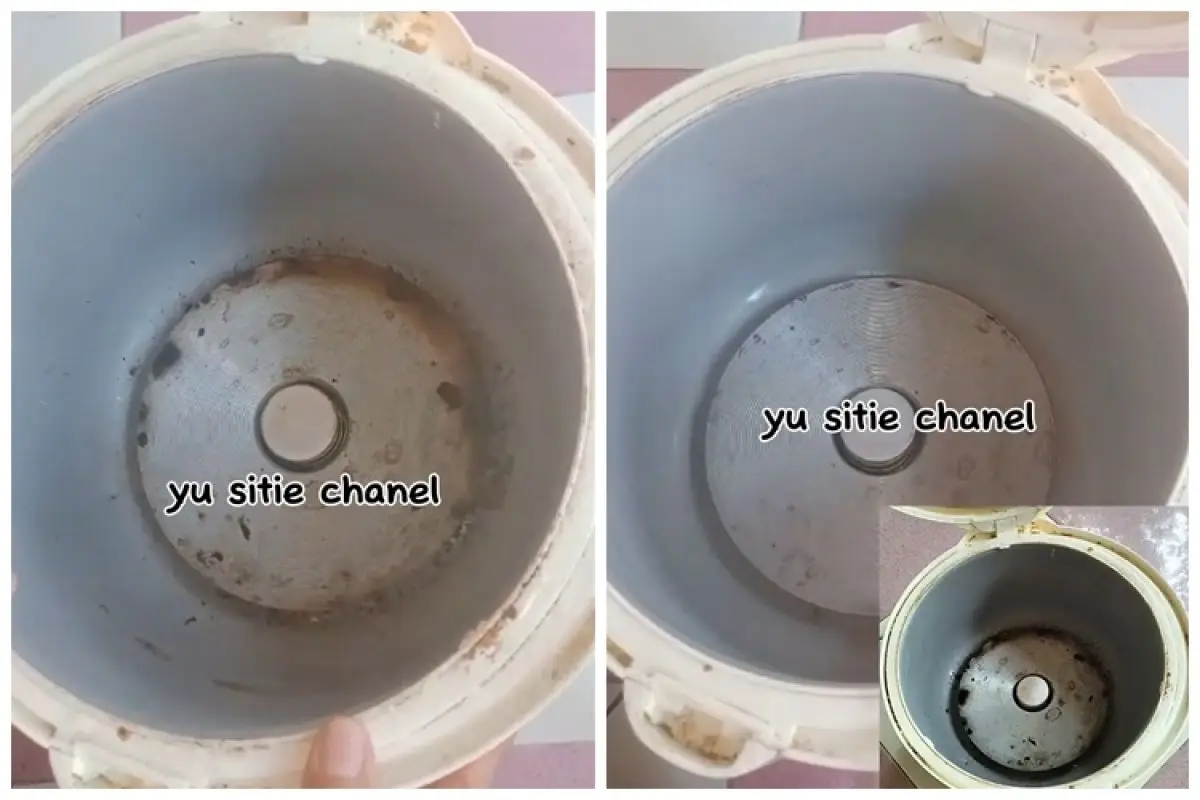
If you love using your rice cooker, keeping it clean is a must. A dirty rice cooker can affect the taste of your meals and even shorten the life of your appliance.
But cleaning it doesn’t have to be a hassle. In this guide, you’ll learn simple, effective steps to clean your rice cooker quickly and safely. By the end, your cooker will look and work like new, making every meal better.
Ready to make your rice cooker sparkle? Let’s dive in!
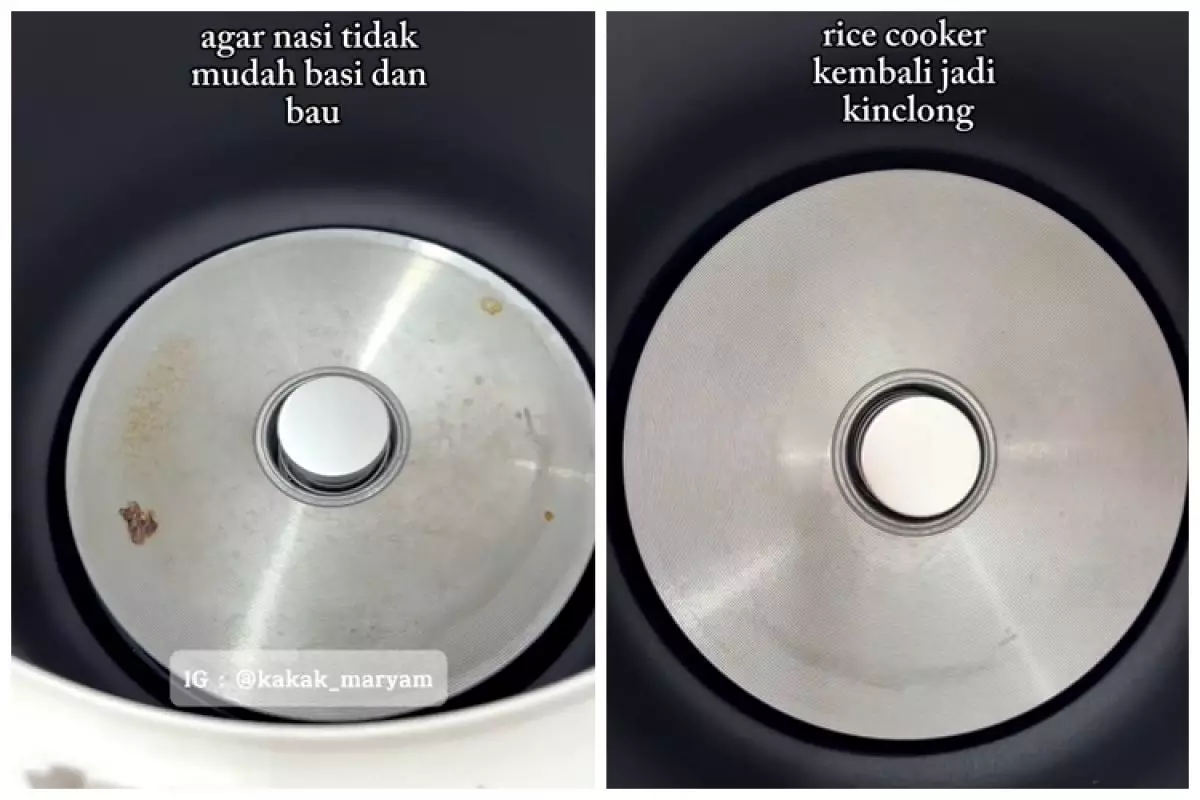
Credit: en.brilio.net
Gather Necessary Supplies
Cleaning a rice cooker is simple with the right supplies. Getting these items ready saves time and effort.
Use gentle cleaning tools and safe products to protect your rice cooker parts. This keeps it working well for a long time.
Soft Sponge Or Cloth
A soft sponge or cloth helps remove food without scratching the cooker’s surface. Avoid rough scrubbers that can cause damage.
- Use a non-abrasive sponge or microfiber cloth
- Wet it with warm water for easy cleaning
- Gently wipe the inner pot and cooker parts
Mild Dish Soap
Mild dish soap cleans grease and stuck rice safely. Harsh chemicals can harm the rice cooker’s coating.
- Choose a gentle dish detergent
- Mix with warm water to create soap solution
- Use it to clean the inner pot and lid
Soft Brush Or Toothbrush
A soft brush or old toothbrush cleans small or hard-to-reach spots. It helps remove rice stuck in corners and vents.
- Use a soft-bristled brush for gentle cleaning
- Brush around the lid, steam vent, and seals
- Do not use metal brushes that can scratch surfaces
Clean Water
Clean water rinses away soap and food particles. Use warm water for better cleaning results.
- Use fresh tap or filtered water
- Warm water helps dissolve grease and dirt
- Rinse parts thoroughly after washing
Dry Towel Or Cloth
A dry towel helps remove moisture after cleaning. This prevents rust and keeps the rice cooker dry.
- Use a soft, clean towel or cloth
- Dry all parts carefully before reassembling
- Leave the lid open to air dry if possible
Unplug And Cool Down
Cleaning your rice cooker starts with safety. Always unplug the cooker before you begin.
Let the cooker cool down completely. This prevents burns and damage to the appliance.
Unplugging The Rice Cooker
Remove the power plug from the wall socket. This stops electricity flow and avoids accidents.
Allowing The Cooker To Cool
Wait at least 30 minutes for the cooker to cool down. Touch the exterior to check the temperature.
- Do not touch the cooker immediately after use.
- Place the cooker on a heat-resistant surface while cooling.
- Keep children and pets away during this time.
Why Cooling Is Important
| Reason | Details |
|---|---|
| Safety | Prevents burns from hot surfaces or steam |
| Appliance Care | Protects electrical parts from damage during cleaning |
| Effective Cleaning | Allows easier removal of food residue without risk |
Remove Inner Pot
The inner pot is the main container where you cook rice. It needs regular cleaning to keep your rice cooker working well.
Removing the inner pot safely helps avoid damage to the cooker and keeps it clean for every use.
Check If Rice Cooker Is Unplugged
Always unplug the rice cooker before removing the inner pot. This prevents electric shock and avoids accidents.
Open The Rice Cooker Lid
Lift the lid carefully to access the inner pot. Some models have a button or latch to open the lid.
Lift The Inner Pot Out
Hold the handles or sides of the inner pot. Pull it straight up without tilting to avoid spilling leftover rice or water.
Inspect The Inner Pot For Damage
Look for scratches or cracks on the surface. Damaged pots can affect cooking and need replacement.
Clean The Inner Pot Properly
- Use a soft sponge or cloth to avoid scratches.
- Wash with warm water and mild dish soap.
- Rinse thoroughly to remove soap residue.
- Dry completely before placing it back into the cooker.
Reinsert The Inner Pot Correctly
Place the inner pot back inside the cooker. Align it evenly so it sits flat and connects to the heating plate.

Credit: www.reddit.com
Clean The Inner Pot
Cleaning the inner pot of your rice cooker keeps it working well. It also helps your rice taste fresh every time.
Follow simple steps to clean the pot without damage. Use safe materials and gentle methods.
Use Mild Detergent
Always choose a mild detergent to clean the inner pot. Harsh soaps can harm the pot’s surface and reduce its lifespan.
- Mix warm water with a small amount of mild detergent.
- Use a soft cloth or sponge to wash the pot gently.
- Rinse the pot well to remove all soap residue.
- Dry the pot with a clean towel before storing.
Avoid Abrasive Scrubbers
Do not use steel wool or rough scrubbers on the inner pot. These can scratch and damage the non-stick surface.
| Type of Scrubber | Effect on Inner Pot |
|---|---|
| Soft Sponge | Safe and effective for cleaning |
| Plastic Scrubber | Usually safe but check for rough edges |
| Steel Wool | Damages surface and reduces pot life |
| Scouring Pad | May cause scratches and remove coating |
Wipe Down The Exterior
Cleaning the outside of your rice cooker keeps it looking new. It also helps stop dirt and grime build-up.
Wiping the exterior is easy and quick. Use the right tools to avoid damage.
Gather Cleaning Supplies
Prepare soft cloths and gentle cleaning products before starting. Avoid harsh chemicals or abrasive pads.
- Soft microfiber cloth
- Mild dish soap
- Warm water
- Dry towel
Always unplug the rice cooker first. Let it cool completely before wiping to avoid burns or damage.
Clean The Surface Gently
Dampen the cloth with warm, soapy water. Wipe all outer surfaces carefully. Do not let water enter the cooker’s openings.
- Mix mild soap with warm water.
- Dip cloth and wring out excess water.
- Wipe the rice cooker’s sides and lid.
- Use a dry towel to remove moisture.
Avoid Common Mistakes
| Common Mistake | Why to Avoid | Better Option |
| Using abrasive scrubbers | Scratches surface | Soft cloth or sponge |
| Spraying water directly | Water damages electrical parts | Wipe with damp cloth |
| Ignoring dry after cleaning | Water spots or rust | Dry with towel immediately |
Clean The Lid And Steam Vent
Cleaning the lid and steam vent keeps your rice cooker safe and working well.
These parts collect steam and food residue. Regular cleaning stops smells and clogging.
Detach Lid If Possible
Check if your rice cooker’s lid can be removed. Detaching it helps clean hard-to-reach spots.
Wash the lid with warm, soapy water. Use a soft cloth to avoid scratches.
- Detach the lid carefully.
- Soak it for a few minutes in warm water.
- Use a sponge to clean inside and outside.
- Rinse well and dry completely before attaching.
Focus On Steam Vent
The steam vent lets out steam during cooking. It can get blocked with rice or water drops.
| Cleaning Tool | Purpose |
| Toothpick | Clear small holes in the vent |
| Soft brush | Remove stuck particles |
| Warm water | Soften and wash away dirt |
| Cloth | Dry the vent after cleaning |
Use these tools gently. Avoid pushing dirt deeper inside the vent.
Address Stubborn Stains
Cleaning a rice cooker can be easy, but stubborn stains can cause trouble. These stains often come from burnt rice or leftover food.
Using simple household items can help remove these tough stains without damage. Let’s look at two effective ways to clean them.
Use Baking Soda Paste
Baking soda is gentle and works well to remove stains. Make a paste by mixing baking soda with a little water.
Apply the paste to the stained areas inside the rice cooker. Let it sit for 15 to 20 minutes before scrubbing.
- Mix 2 tablespoons of baking soda with 1 tablespoon of water.
- Spread the paste on the stains using a soft cloth or sponge.
- Wait 15–20 minutes to let the paste work.
- Gently scrub the stains in a circular motion.
- Wipe away the paste with a damp cloth.
Rinse Thoroughly
After scrubbing, rinse the rice cooker well to remove all baking soda and loosened stains. This step keeps your cooker clean and safe.
Use warm water and a soft cloth to rinse. Make sure no residue remains, especially in corners or crevices.
- Rinse the cooker with warm water several times.
- Use a soft cloth to wipe all surfaces.
- Check for any leftover baking soda or stains.
- Dry the cooker with a clean towel before storing.
Dry And Reassemble
Cleaning your rice cooker is important for its performance. After washing, drying and putting it back together is the next step.
Proper drying stops mold and keeps your rice cooker safe. Reassembling correctly helps it work well every time.
Dry The Inner Pot And Lid
Use a soft cloth or paper towel to dry the inner pot. Make sure no water is left on the surface.
Wipe the lid carefully, especially around seals and vents. Drying these parts prevents rust and mold growth.
Dry The Outer Body And Accessories
Check the outer body and dry it with a clean cloth. Avoid letting water enter electrical parts.
Dry any accessories like the steaming tray or measuring cup before storing them. This keeps everything clean and ready to use.
Reassemble The Rice Cooker
Put the dry inner pot back into the rice cooker base. Ensure it fits snugly without tilting.
Attach the lid securely. Replace all accessories in their correct places before storing or using.
Perform Regular Maintenance
Cleaning your rice cooker regularly helps it last longer. It also keeps your rice tasting fresh.
Regular care prevents damage and makes sure the cooker works well every time.
Check For Wear And Tear
Look at your rice cooker parts often. Check the inner pot, lid, and seals for damage.
Replace any broken or worn parts right away. This stops leaks and helps the cooker work properly.
- Inspect the inner pot for scratches or dents
- Check the rubber seal on the lid for cracks
- Make sure the heating plate is clean and undamaged
- Test buttons and switches to see if they work well
Store Properly
Keep your rice cooker in a dry, cool place. Avoid storing it where it can get wet or dusty.
Always clean the cooker before storing. Dry all parts well to prevent mold and rust.
- Unplug the cooker before cleaning and storing
- Remove and dry the inner pot and lid thoroughly
- Store the cooker with the lid slightly open
- Use a clean cloth to cover the cooker to stop dust

Credit: www.reddit.com
Frequently Asked Questions
How Often Should I Clean My Rice Cooker?
Clean your rice cooker after every use to prevent residue buildup. Regular cleaning ensures better taste and extends appliance life.
Can I Use Soap To Clean The Rice Cooker Pot?
Yes, mild dish soap and a soft sponge work best. Avoid abrasive cleaners to prevent scratching the non-stick surface.
How Do I Clean The Heating Plate Safely?
Unplug the cooker first. Wipe the heating plate gently with a damp cloth. Avoid using water directly on the plate.
What Should I Avoid When Cleaning A Rice Cooker?
Avoid immersing the main unit in water. Do not use metal scrubbers or harsh chemicals on any part.
Conclusion
Cleaning your rice cooker keeps it working well and safe to use. Regular care stops bad smells and food build-up. Use gentle cleaning tools and avoid harsh chemicals. Dry all parts fully before putting them back together. A clean rice cooker makes tastier rice every time.
Small efforts bring long-lasting results. Keep your cooker fresh with simple, quick steps. Enjoy cooking without worry or mess. Your rice cooker will thank you!