

You rely on your pressure cooker to make meals faster and easier. But when it comes to cleaning it, you might worry about damaging it or missing hidden spots where food gets stuck.
Cleaning your pressure cooker safely is key to keeping it in perfect shape and making sure your food always tastes great. You’ll discover simple, effective steps to clean your pressure cooker without any hassle or risk. Keep reading to learn how to protect your investment and enjoy hassle-free cooking every time.

Credit: www.youtube.com
Choosing The Right Cleaning Supplies
Cleaning your pressure cooker safely keeps it in good shape. Using the right supplies avoids damage and makes cleaning easier.
Select cleaning products that are gentle but effective. Avoid harsh chemicals that can harm the cooker’s surface.
Mild Dish Soap
Use mild dish soap to clean the pot and lid. It removes grease and food without scratching the metal.
Soft Sponges And Cloths
Choose soft sponges or cloths to avoid scratching. Avoid steel wool or abrasive scrubbers.
- Non-abrasive sponge
- Microfiber cloth
- Soft nylon scrubber
Natural Cleaning Agents
Natural agents like vinegar and baking soda help remove stains and odors safely.
| Cleaning Agent | Use | Benefits |
|---|---|---|
| White Vinegar | Soak parts or wipe surface | Removes mineral buildup and odors |
| Baking Soda | Make paste for scrubbing | Gentle abrasive and deodorizer |
| Lemon Juice | Wipe or soak for stains | Natural bleach and fresh scent |
Disassembling The Pressure Cooker
Cleaning a pressure cooker needs careful disassembly. Taking apart the cooker helps you clean all parts well.
This guide covers removing the lid and gasket and detaching the pressure valve safely.
Removing The Lid And Gasket
First, unlock and remove the lid. Then, take out the gasket carefully to avoid damage.
- Make sure the cooker is cool and depressurized.
- Turn the lid handle to unlock.
- Lift the lid straight up and away from the pot.
- Locate the rubber gasket inside the lid.
- Gently pull the gasket out of its groove.
- Inspect the gasket for cracks or wear.
Detaching The Pressure Valve
The pressure valve controls steam release. Removing it allows deep cleaning and prevents clogging.
| Step | Action |
| 1 | Check that the cooker is cool and not pressurized. |
| 2 | Locate the pressure valve on the lid. |
| 3 | Grip the valve firmly and twist it counterclockwise. |
| 4 | Lift the valve off the lid carefully. |
| 5 | Clean the valve with warm, soapy water. |
| 6 | Dry the valve completely before reattaching. |
Cleaning The Pressure Cooker Lid
Cleaning the lid of your pressure cooker is important for safety and good cooking results. The lid has parts that need special care to keep the cooker working well.
Focus on wiping the outside, checking the gasket, and clearing the valve. These steps help keep your cooker clean and safe.
Wiping The Exterior
Use a soft cloth and warm soapy water to clean the lid’s outside. Avoid harsh chemicals that can damage the surface.
Dry the lid completely with a towel. This prevents water spots and rust on the metal parts.
Inspecting And Cleaning The Gasket
The gasket is a rubber ring that seals the cooker. Check it for cracks or damage before every use.
Remove the gasket carefully and wash it with warm water. Do not use soap or detergent, as they can weaken the rubber.
- Look for tears or hard spots on the gasket
- Replace the gasket if it is damaged
- Make sure the gasket fits back securely on the lid
Unclogging The Valve
The valve controls the pressure inside the cooker. It can get blocked by food or debris.
Remove the valve and rinse it under warm water. Use a thin brush or toothpick to clear any clogs.
- Check the valve hole for blockages
- Clean gently to avoid damage
- Reinstall the valve securely after cleaning
Washing The Pressure Cooker Pot
Cleaning your pressure cooker pot is important for safety and hygiene. Proper washing keeps the pot in good condition and ready for use.
Use gentle cleaning methods to avoid damage. Follow these tips to wash your pressure cooker pot safely and effectively.
Using Mild Detergents
Choose mild detergents that clean well without harming the pot. Harsh chemicals can damage the pot’s surface and reduce its lifespan.
Use a small amount of mild dish soap and warm water. This combination removes grease and food residues gently.
- Mild dish soap is safe and effective
- Avoid bleach or strong chemical cleaners
- Warm water helps dissolve dirt easily
- Rinse thoroughly to remove soap
Avoiding Abrasive Scrubbers
Do not use abrasive scrubbers like steel wool. These can scratch and damage the pot’s surface.
Use soft sponges or cloths to clean the pot. This keeps the surface smooth and safe for cooking.
- Soft sponges remove dirt without scratching
- Avoid steel wool or rough brushes
- Non-abrasive scrubbers protect the pot’s finish
- Gentle cleaning extends the pot’s life
Drying And Storing Components
Cleaning your pressure cooker well is only half the job. Drying and storing parts properly keeps them safe and ready to use. Moisture left on parts can cause rust or bad smells.
Follow simple methods to dry and store your pressure cooker parts. This will extend their life and keep your meals fresh.
Air Drying Techniques
Air drying is a safe way to remove moisture from your pressure cooker parts. Avoid using cloths that can leave fibers behind. Instead, use clean, dry surfaces and good airflow.
- Place lids, seals, and pots upside down on a drying rack.
- Keep parts separated so air can reach all surfaces.
- Allow 2 to 3 hours for parts to dry completely.
- Use a fan in the room to speed up drying if needed.
- Do not stack wet parts to prevent moisture traps.
Proper Storage Practices
Store your pressure cooker parts in a clean, dry place. Avoid storing sealed parts in closed containers if they are not fully dry. This prevents mold growth and damage.
| Storage Tip | Reason |
|---|---|
| Keep lid and pot separate or slightly ajar | Prevents trapped moisture and odors |
| Store gasket loosely or in a breathable bag | Keeps it dry and maintains flexibility |
| Use a dry cabinet away from heat and sunlight | Protects materials from damage |
| Check parts monthly for signs of wear or moisture | Ensures safety and longer use |
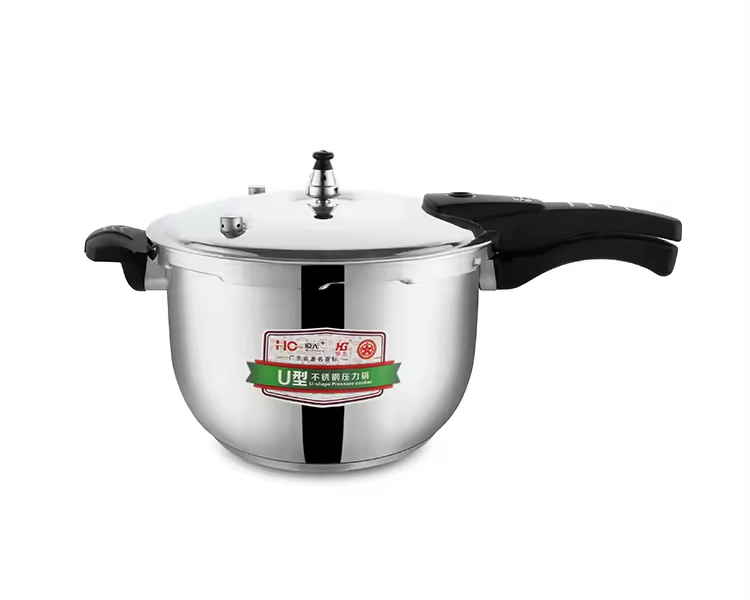
Credit: www.hg-cooker.com
Tips For Maintaining Pressure Cooker Longevity
Keeping your pressure cooker clean and well cared for helps it last longer. Regular care keeps it safe and working well.
Follow simple tips to maintain your pressure cooker. These tips focus on cleaning and using it properly.
Regular Inspection Of Parts
Check all parts of your pressure cooker often. Look for wear, cracks, or damage. Replace parts if needed.
Pay special attention to the sealing ring, valves, and handles. These parts affect safety and cooking performance.
- Inspect the rubber sealing ring for cracks or stiffness
- Clean and test the pressure release valve regularly
- Check handles for tightness and damage
- Replace damaged or worn parts immediately
Proper Usage Habits
Use your pressure cooker correctly to avoid damage. Follow the user manual for maximum safety.
Avoid overfilling and always use enough liquid. These habits prevent pressure buildup problems.
- Do not fill the cooker beyond two-thirds full
- Use at least the minimum amount of liquid needed
- Release pressure carefully and fully before opening
- Clean the cooker after every use to prevent residue buildup
Troubleshooting Common Cleaning Issues
Cleaning a pressure cooker can be tricky. Some problems like stains and odors do not go away easily.
This guide helps you fix common cleaning issues safely and effectively.
Dealing With Stubborn Stains
Stains from food can stick to the cooker’s surface. These stains need special care to remove.
- Make a paste using baking soda and water.
- Apply the paste on the stains and let it sit for 15 minutes.
- Use a soft sponge to scrub the area gently.
- Rinse with warm water and dry with a clean cloth.
- If stains remain, soak the cooker in warm water with vinegar for 30 minutes before scrubbing again.
Addressing Odor Problems
Bad smells can stay inside the pressure cooker even after washing. Removing odors keeps your cooker fresh.
| Odor Source | Cleaning Method |
| Burnt food | Soak lid and gasket in warm soapy water for 20 minutes. |
| Strong spices | Boil water with lemon slices inside the cooker for 10 minutes. |
| General odors | Leave the cooker open in fresh air for several hours after cleaning. |

Credit: karacarrero.com
Frequently Asked Questions
How Often Should I Clean My Pressure Cooker?
Clean your pressure cooker after every use. Regular cleaning prevents food buildup and ensures safety. It also keeps the cooker functioning properly for longer.
What Is The Safest Way To Clean Pressure Cooker Seals?
Remove the gasket and wash it with warm, soapy water. Avoid harsh chemicals. Dry it completely before reassembling to prevent damage and maintain the seal’s effectiveness.
Can I Clean A Pressure Cooker In A Dishwasher?
Most pressure cooker parts are dishwasher safe except the gasket and lid. Always check your model’s manual. Hand wash delicate parts to avoid damage and preserve functionality.
How Do I Remove Stubborn Stains Inside The Cooker?
Use a mixture of baking soda and water to scrub stains gently. Avoid abrasive cleaners to protect the surface. Rinse thoroughly and dry to maintain a clean cooker.
Conclusion
Cleaning a pressure cooker safely keeps it working well for years. Always let it cool before you start cleaning. Use gentle soap and warm water to avoid damage. Check seals and valves for food bits or dirt. Dry all parts completely to stop rust or mold.
Regular care makes cooking safer and tastier. A clean pressure cooker saves time and effort later. Simple steps can protect your kitchen tool every day. Safe cleaning means happy meals and no worries. Try these tips to keep your cooker in top shape.