
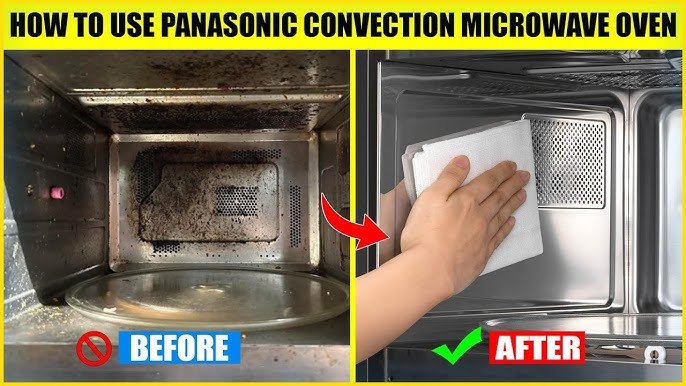
Your convection microwave is a powerful kitchen helper, but keeping it clean can feel like a chore. If you want your appliance to work efficiently and last longer, knowing how to clean it properly is key.
You’ll discover simple, step-by-step tips that make cleaning your convection microwave quick and hassle-free. Ready to make your microwave shine like new? Let’s get started!
Gather Necessary Supplies
Cleaning a convection microwave is easier when you have the right supplies. These items help remove dirt and food stains safely.
Prepare all materials before starting. This saves time and makes the process smooth.
Mild Dish Soap
Use mild dish soap to clean the inside and outside of the microwave. It removes grease and food spots without damage.
Mix the soap with warm water for easy wiping.
Soft Cloth Or Sponge
Choose a soft cloth or sponge to avoid scratching surfaces. Avoid rough scrubbers or steel wool.
- Microfiber cloths work well
- Non-abrasive sponges are gentle
- Use different cloths for inside and outside
Baking Soda
Baking soda helps remove stubborn stains and odors. It is safe and natural for cleaning appliances.
Mix baking soda with water to form a paste for tough spots.
White Vinegar
White vinegar cleans and deodorizes the microwave. It cuts through grease and food smells.
Use vinegar diluted with water in a spray bottle for easy application.
Water
Water is essential for rinsing and steaming inside the microwave. Use warm water for better cleaning.
It helps soften food residue for easy removal.
Microwave-safe Bowl Or Container
Use a microwave-safe bowl to heat water or vinegar inside the microwave. This creates steam to loosen dirt.
Choose glass or ceramic containers that can handle heat.
Paper Towels Or Dry Cloth
Paper towels or a dry cloth help dry the microwave after cleaning. They remove leftover moisture and streaks.
Use fresh paper towels for the best result.

Credit: www.maidforyou.com.au
Unplug The Microwave
Before cleaning your convection microwave, always unplug it. This stops any power flow and keeps you safe.
Unplugging also prevents damage to the microwave’s electrical parts while you clean.
Why Unplugging Is Important
Unplugging the microwave reduces the risk of electric shock. It also stops the microwave from turning on by accident.
- Protects you from electric shock
- Prevents damage to the microwave
- Keeps the appliance off while cleaning
- Ensures no buttons get pressed accidentally
How To Safely Unplug Your Microwave
First, find the microwave’s power cord. Then, gently pull the plug from the wall socket. Do not pull the cord itself.
| Action | Do | Don’t |
| Removing the plug | Hold the plug firmly and pull | Pull the cord directly |
| Check the socket | Look for damage or looseness | Ignore any sparks or smells |
| After unplugging | Keep the plug away from water | Touch the plug with wet hands |
When To Unplug The Microwave
Always unplug the microwave before cleaning. Also unplug it during storms or if you won’t use it for a long time.
- Before cleaning inside and outside
- During electrical storms
- If the microwave is broken or sparking
- When leaving the house for many days
Remove Detachable Parts
Cleaning a convection microwave is easier when you remove the parts that come off. This helps you clean each piece well and keeps the microwave safe.
Take out the turntable and racks carefully before you start cleaning. Handle these parts gently to avoid damage.
Take Out Turntable
The turntable is the glass plate that spins food inside the microwave. Remove it to clean off food spills and stains.
- Open the microwave door fully.
- Lift the turntable gently from the center.
- Place it in the sink or dishwasher for cleaning.
- Wipe the turntable support ring inside the microwave.
Remove Racks
Some convection microwaves have metal racks for grilling or baking. These racks must be removed to clean properly.
| Rack Type | Cleaning Method |
| Metal Rack | Wash with warm soapy water and dry well |
| Non-stick Rack | Use soft cloth and mild detergent only |
| Chrome Rack | Wipe with damp cloth and dry immediately |
Clean The Interior
Cleaning the inside of your convection microwave keeps it working well. Dirt and food spills can build up over time.
Regular cleaning stops smells and smoke during cooking. Use safe and simple methods to clean the interior.
Use A Damp Cloth
Start by unplugging your microwave. Use a soft, damp cloth to wipe the inside walls and ceiling.
Remove loose crumbs and spills. Avoid using too much water to stop damage to electrical parts.
Apply Baking Soda Paste For Stains
For tough stains, mix baking soda with water to make a thick paste. Spread the paste on the stained areas.
Let it sit for 10 to 15 minutes. Then use a damp cloth to wipe the paste and stains away.
Clean The Detachable Parts
Cleaning the detachable parts of your convection microwave keeps it working well. Removing and washing these parts helps remove food spills and stains.
Always handle these parts carefully to avoid damage. Proper cleaning makes your microwave safe and ready for use.
Wash With Warm Soapy Water
Take out the turntable, roller ring, and any trays from the microwave. Use warm water mixed with mild dish soap for cleaning. Soak the parts if needed to loosen stuck food.
- Use a soft sponge or cloth to scrub gently.
- Clean all surfaces, including edges and corners.
- Rinse parts with clean water to remove soap.
- Do not use abrasive cleaners or sharp tools.
Dry Thoroughly
After washing, dry each part well before putting it back. Moisture can cause damage or mold inside the microwave.
| Part | Drying Method |
| Turntable | Use a clean towel or air dry |
| Roller Ring | Wipe dry with cloth |
| Trays | Let air dry completely |
Wipe Down The Exterior
Cleaning the outside of your convection microwave keeps it looking neat. It also helps the appliance last longer.
Use gentle methods to avoid damage to the surface and controls.
Use A Mild Cleaner
Choose a mild cleaner like diluted dish soap or a gentle all-purpose spray. Avoid harsh chemicals that can harm the finish.
- Mix a few drops of dish soap with warm water.
- Dampen a soft cloth with the solution.
- Wipe the microwave’s exterior gently.
- Use a dry cloth to remove any leftover moisture.
Focus On Control Panel
Take care when cleaning the control panel. Avoid spraying liquids directly on buttons or screen.
| Control Panel Cleaning Tips |
|---|
| Use a soft, slightly damp cloth |
| Avoid excess water or sprays |
| Gently wipe to remove fingerprints and smudges |
| Dry immediately with a soft, dry cloth |
Clean The Vent And Filter
Keeping the vent and filter clean helps your convection microwave work well. Dirt and grease can block air flow. This makes cooking slower and less even.
Regular cleaning also stops smells and smoke from building inside the microwave. Follow these tips to clean the vent and filter safely.
Check The Manual For Instructions
Look at the microwave’s manual before cleaning. Each model has different parts and ways to remove the filter. The manual shows you how to open the vent and take out the filter without damage.
- Find the section about cleaning or maintenance.
- Check how to safely remove the vent cover.
- Follow steps to take out the filter carefully.
- Note any warnings or special advice.
Replace Filter If Necessary
Filters wear out over time and stop working well. Replace the filter if it is torn, very dirty, or smells bad. Some filters are reusable, but many need a new one after some months.
| Filter Type | Cleaning Method | Replacement Time |
|---|---|---|
| Metal Mesh | Wash with warm, soapy water | Every 3 to 6 months |
| Charcoal | Cannot be washed; replace only | Every 6 to 12 months |
| Grease Filter | Clean with mild detergent | Replace if damaged or clogged |

Credit: smol.com
Reassemble And Test
After cleaning your convection microwave, it is important to put everything back correctly. This ensures the appliance works safely and efficiently.
Testing the microwave after reassembly helps confirm it runs well and is ready for use.
Place Parts Back Inside
Return all removable parts to their original places. Check for any damage or residue before reassembling.
- Insert the turntable and ensure it sits properly on the support ring.
- Place the support ring back so it moves freely.
- Reattach any racks or trays used for convection cooking.
- Close the microwave door firmly to secure all parts.
Plug In And Test Functionality
After reassembling, plug in the microwave to check its operation. Test main functions for safety and performance.
| Function | What to Check | Result |
| Turntable rotation | Turntable spins smoothly | Yes / No |
| Microwave heating | Heat food evenly | Yes / No |
| Convection fan | Fan runs without noise | Yes / No |
| Control panel | Buttons respond correctly | Yes / No |
| Door latch | Door closes firmly | Yes / No |

Credit: www.youtube.com
Frequently Asked Questions
How Often Should I Clean A Convection Microwave?
Clean your convection microwave weekly to prevent grime buildup. Wipe spills immediately to maintain hygiene and performance. Regular cleaning avoids odors and keeps your appliance in top condition.
What Is The Best Way To Clean Microwave Interior?
Use a mixture of water and vinegar or lemon juice. Heat the solution inside for 5 minutes, then wipe clean. This loosens grime and removes odors without harsh chemicals.
Can I Use Harsh Chemicals To Clean Convection Microwaves?
Avoid harsh chemicals as they can damage the microwave’s interior. Use mild detergents or natural solutions like vinegar for safe cleaning. Harsh cleaners may affect the appliance’s finish and safety.
How Do I Clean The Microwave’s Convection Fan?
Unplug the microwave first. Use a soft brush or cloth to gently clean the fan vents. Avoid water or liquids near the fan to prevent damage.
Conclusion
Cleaning a convection microwave keeps it working well and safe. Regular care stops smells and food build-up inside. Use gentle cleaners and soft cloths for best results. Avoid harsh chemicals that can harm the microwave’s parts. Clean spills right away to save time later.
A clean microwave also cooks food evenly. Small steps make a big difference over time. Keep your microwave fresh and ready for every meal. Simple habits help your kitchen stay neat and healthy.