
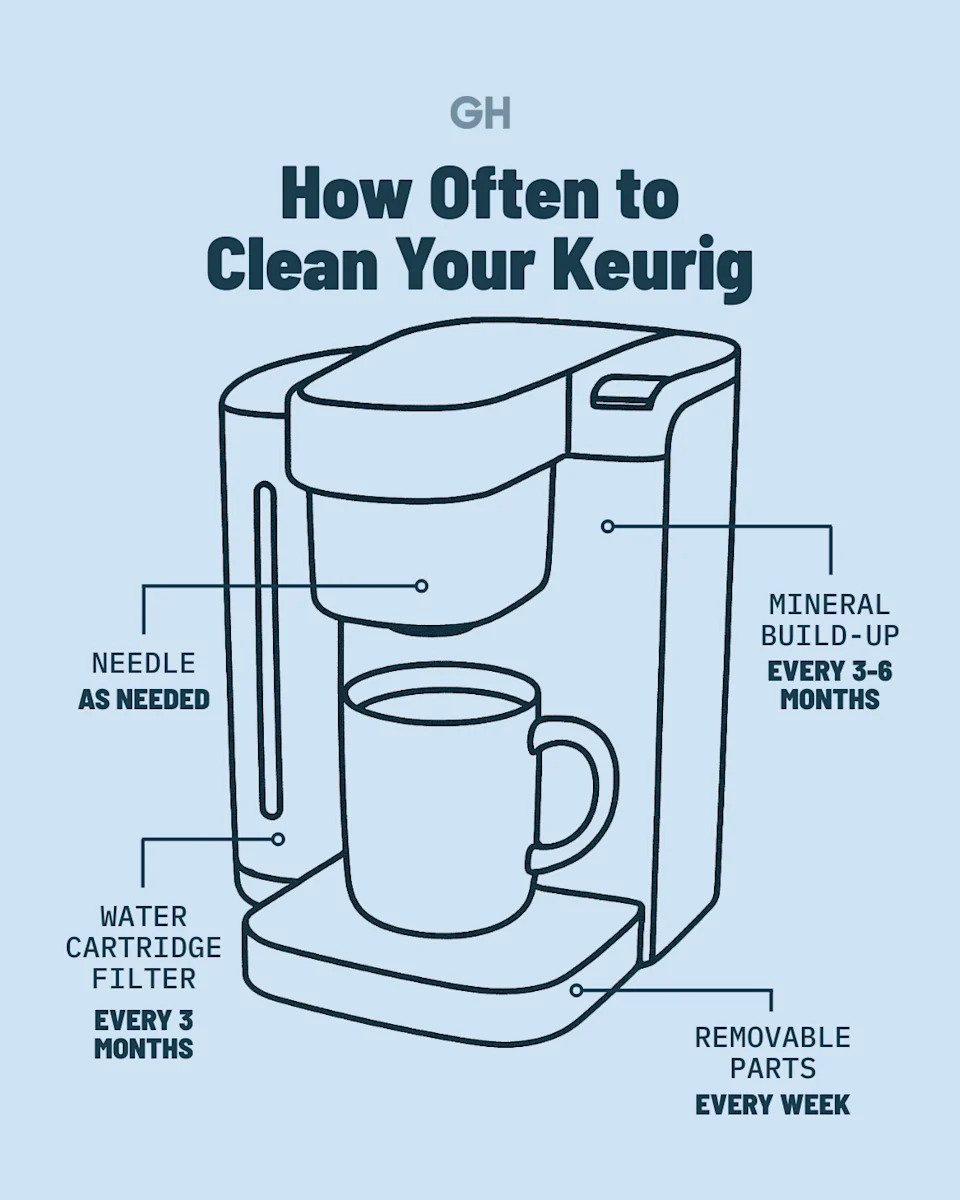
You love starting your day with a fresh cup of coffee, but have you ever thought about how clean your coffee maker really is? Over time, coffee makers build up oils, minerals, and residue that can affect the taste of your brew—and even your health.
Cleaning your coffee maker isn’t just about keeping it looking good; it’s about making sure every cup tastes as perfect as it should. You’ll learn simple, effective steps to clean your coffee maker quickly and easily. Keep reading to discover how a clean machine can transform your coffee experience every single day.
Why Regular Cleaning Matters
Cleaning your coffee maker often keeps it working well. Dirt and oils can build up inside the machine.
These buildups affect the taste of your coffee. They can also cause damage to the machine parts.
Prevents Bad Taste
Old coffee oils and residue change the flavor of your fresh coffee. Cleaning removes these unwanted flavors.
Ensures Better Health
Leftover moisture and coffee grounds cause mold and bacteria growth. This can be harmful if you drink the coffee.
Extends Machine Life
Mineral deposits from water can clog the machine. Cleaning stops these buildups and keeps parts working longer.
- Removes coffee oils and residue
- Prevents mold and bacteria growth
- Stops mineral buildup
- Improves coffee flavor
- Protects machine parts
Maintains Brewing Speed
Clogged filters and pipes slow down brewing. Regular cleaning clears these blockages. Your coffee maker works faster and more efficiently.
Signs Your Coffee Maker Needs Cleaning
Keeping your coffee maker clean helps make better coffee. Dirt and buildup can change the taste. It can also harm your machine.
Watch for these signs to know when it is time to clean your coffee maker. Early cleaning keeps it working well.
Slow Brewing Time
If your coffee maker takes longer than usual to brew, it may have mineral buildup. This buildup blocks water flow and slows the process.
Unusual Coffee Taste
Bitter or strange flavors in your coffee can mean your machine needs cleaning. Old coffee oils and residue affect the taste.
Visible Mold Or Mildew
Look inside the water reservoir and carafe. Any dark spots or slimy film show mold or mildew. This is unhealthy and needs cleaning right away.
Water Leakage Or Overflow
Leaks or spills during brewing can mean clogged parts. Mineral deposits may block water paths. Cleaning can fix this issue.
Coffee Maker Indicator Lights
Some coffee makers have lights that signal cleaning is needed. Check your manual to understand these alerts.
- Look for blinking or colored lights
- Check for messages on digital displays
- Follow manufacturer cleaning instructions
Limescale Buildup Inside
| Part | Signs of Limescale |
|---|---|
| Water Reservoir | White or chalky residue on walls |
| Heating Element | Reduced heating, noises during brewing |
| Carafe | Stains and cloudy film inside |
Essential Cleaning Supplies
Cleaning your coffee maker regularly keeps it working well and makes your coffee taste better. You need some basic supplies to clean it properly.
These supplies help remove old coffee oils, stains, and mineral buildup inside your machine. Using the right items makes cleaning easy and safe.
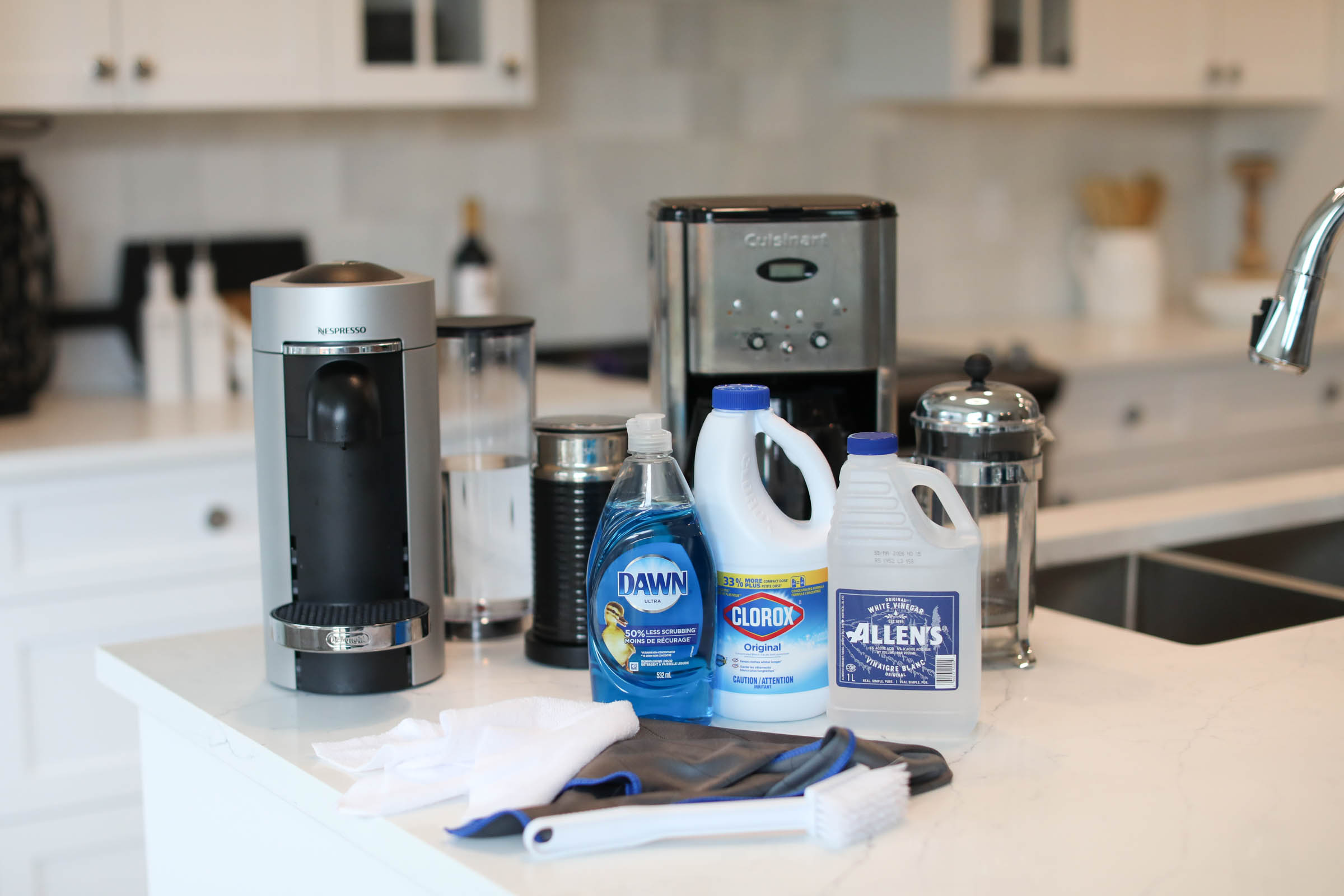
White Vinegar
White vinegar is a natural cleaner that removes mineral deposits and grime. It dissolves buildup inside the coffee maker’s water lines.
Use equal parts of white vinegar and water to clean the machine. It helps keep the coffee maker fresh and running smoothly.
Mild Dish Soap
Mild dish soap cleans the removable parts like the carafe and filter basket. It removes coffee stains and leftover oils.
Use warm water with a few drops of dish soap. Gently scrub parts with a soft sponge or cloth to avoid scratches.
Clean Water
Clean, fresh water rinses away cleaning agents and dirt. It helps flush out any vinegar or soap residue from the machine.
Use filtered or bottled water if your tap water is hard. This prevents new mineral buildup in the coffee maker.
Soft Cloth Or Sponge
A soft cloth or sponge cleans surfaces without scratching them. It works well on the carafe and outside of the coffee maker.
Avoid abrasive scrubbers that can damage the coffee maker’s finish. Use gentle motions to wipe away dirt and stains.
Paper Towels Or Dry Cloth
Paper towels or a dry cloth help dry parts after cleaning. They prevent water spots and keep your coffee maker looking clean.
Use them to wipe the carafe and filter basket before reassembling the machine. This helps avoid moisture buildup inside.
Credit: www.housework.com
Daily Cleaning Routine
Cleaning your coffee maker every day keeps it working well. It also helps your coffee taste fresh and good.
Spend a few minutes each day to clean the main parts. This stops old coffee and oils from building up.
Rinsing The Carafe
After making coffee, pour out any leftover liquid. Rinse the carafe with warm water to remove coffee stains.
Use a soft sponge to clean inside the carafe. Avoid harsh scrubbers that can scratch the glass or plastic.
- Empty the carafe right after use
- Rinse with warm water thoroughly
- Use a soft sponge or cloth
- Dry with a clean towel or air dry
Emptying And Rinsing The Filter Basket
Remove used coffee grounds from the filter basket every day. This stops old coffee from making bad flavors.
Rinse the filter basket with warm water to clear all coffee bits. Dry it before putting it back in the machine.
- Take out the filter basket after brewing
- Discard used coffee grounds into trash or compost
- Rinse basket with warm water
- Let it dry completely before next use
Deep Cleaning Method
Cleaning your coffee maker regularly keeps it working well. Deep cleaning removes old coffee oils and buildup.
This method uses vinegar to clean inside parts. It is simple and effective for a fresh coffee taste.
Preparing A Vinegar Solution
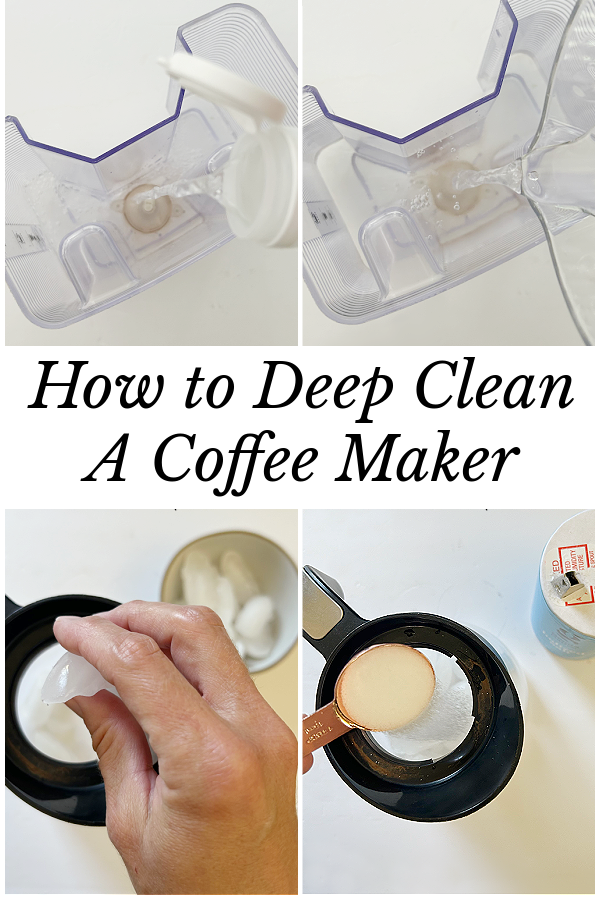
Mix equal parts of white vinegar and water to make the cleaning solution. Use enough to fill your coffee maker’s water reservoir.
Vinegar helps dissolve mineral deposits and coffee stains. It cleans without harsh chemicals.
Running A Cleaning Cycle
Pour the vinegar solution into the water reservoir. Start the coffee maker as if brewing coffee but without coffee grounds.
Stop the cycle halfway to let the vinegar work. Wait 30 minutes, then finish the cycle to flush out buildup.
Rinsing With Fresh Water
After the vinegar cycle, fill the reservoir with fresh water. Run two or three full brewing cycles to rinse away vinegar taste.
Wipe down the outside and removable parts with a damp cloth. Your coffee maker is now clean and ready to use.
Cleaning A Single-serve Coffee Maker
Keeping your single-serve coffee maker clean helps it work well. Cleaning removes old coffee oils and minerals.
Regular cleaning improves taste and extends the machine’s life. Focus on descaling and pod holder cleaning.
Descaling Process
Descaling removes mineral buildup inside your coffee maker. Use a descaling solution or vinegar mixed with water.
Run the descaling solution through the machine like you brew coffee. Repeat with fresh water to rinse.
- Fill the water reservoir with the descaling mixture
- Start a brew cycle without a coffee pod
- Let the solution sit for 15 minutes after brewing
- Run 2-3 cycles with clean water to rinse
- Wipe the outside of the machine with a damp cloth
Cleaning The Pod Holder
The pod holder collects coffee grounds and oils. Clean it to avoid clogs and bad smells.
Remove the pod holder carefully. Wash it with warm, soapy water. Rinse and dry it well before replacing.
- Turn off and unplug the coffee maker
- Remove the pod holder from the machine
- Use a soft brush to clean small holes
- Wash with warm water and mild soap
- Dry completely before putting it back
Tips For Maintaining A Clean Coffee Maker
Keeping your coffee maker clean helps it work better and last longer. Dirt and buildup can change the taste of your coffee.
Regular cleaning stops problems and keeps your machine fresh. Follow simple tips to maintain your coffee maker.
Preventing Mineral Buildup
Minerals in water can build up inside your coffee maker. This buildup blocks water flow and affects coffee flavor.
Use vinegar or a descaling solution to clean your machine once a month. Run a cleaning cycle with the solution, then run plain water cycles to rinse.
- Use filtered or bottled water to reduce minerals
- Clean your coffee maker every 30 days
- Follow the manufacturer’s instructions for descaling
Regular Filter Replacement
Old filters can clog and reduce coffee quality. Change your coffee maker’s filter often to keep water clean.
Check the filter every few weeks. Replace it if it looks dirty or after the recommended time by the maker’s guide.
- Replace paper filters after each use
- Change permanent filters every 2-3 months
- Use the correct filter type for your machine
Credit: www.lemonslavenderandlaundry.com
Common Mistakes To Avoid
Cleaning your coffee maker is important for good taste and machine health. Many people make simple mistakes that can cause damage or poor cleaning results.
Knowing what to avoid helps keep your coffee maker working well and your coffee tasting fresh every day.
Using Harsh Chemicals
Some cleaners can harm the coffee maker’s parts. Avoid bleach or strong detergents. These can leave harmful residues or damage the machine’s interior.
Not Cleaning Regularly
Waiting too long between cleanings lets old coffee oils build up. This causes bad taste and clogs. Clean your machine after every 40 uses or once a month.
Skipping The Rinse Cycle
After using a cleaning solution, many forget to run plain water through the machine. This leaves chemical traces that can affect coffee taste and safety.
- Run at least two full water cycles after cleaning
- Make sure no cleaning solution remains in the reservoir
- Check water flow to confirm thorough rinsing
Using Vinegar Without Care
Vinegar is popular but can cause issues if used too often or in high amounts. It can leave a strong smell and damage some parts.
| Vinegar Use | Potential Issue |
|---|---|
| Used too often | Wears out rubber seals |
| Not rinsed well | Leaves strong vinegar smell |
| Mixed with other cleaners | May cause harmful fumes |
Ignoring The Filter And Carafe
People often clean the machine body but forget the filter and carafe. These parts hold coffee oils and can grow mold if not cleaned properly.
- Remove and wash the filter after every use
- Clean the carafe with warm soapy water
- Dry parts fully before reassembling

Credit: methodicalcoffee.com
Frequently Asked Questions
How Often Should I Clean My Coffee Maker?
Clean your coffee maker every 1 to 3 months. Frequent cleaning prevents buildup and ensures better tasting coffee. Regular maintenance extends your machine’s lifespan and keeps it hygienic.
What Household Items Clean A Coffee Maker Effectively?
Use white vinegar and water to clean your coffee maker. Vinegar removes mineral deposits and kills bacteria. Follow with a water-only brew cycle to rinse thoroughly.
Can I Use Baking Soda To Clean My Coffee Maker?
Yes, baking soda can clean coffee makers. It removes stains and odors naturally. Mix baking soda with water, run a brew cycle, then rinse well for fresh results.
Why Is Descaling Important For Coffee Makers?
Descaling removes mineral buildup inside your coffee maker. Minerals affect taste and machine performance. Regular descaling ensures efficient heating and prolongs the appliance’s life.
Conclusion
Keeping your coffee maker clean helps make better coffee every day. Regular cleaning stops old coffee tastes and keeps your machine working well. Use simple steps like vinegar and water to clean it often. This small effort saves money and time in the long run.
Enjoy fresh, tasty coffee with a clean coffee maker. Simple care makes a big difference in your daily cup.