
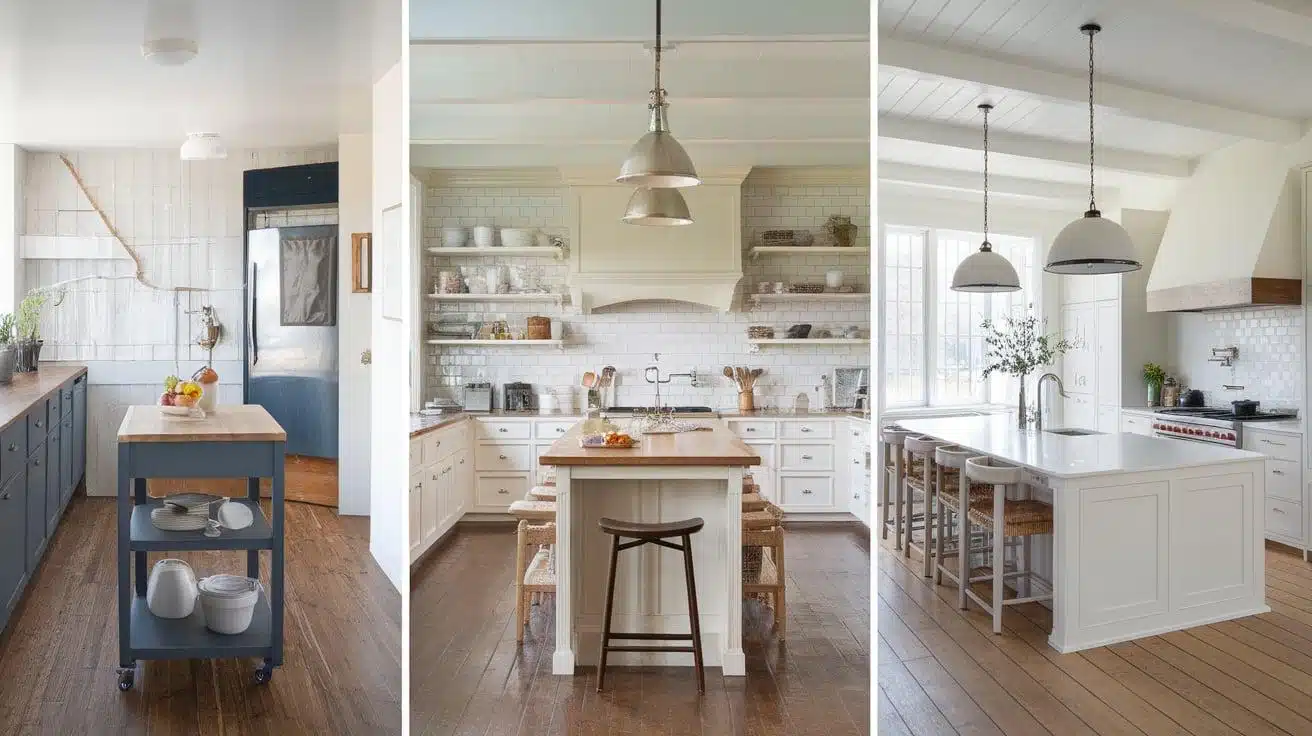
Choosing the right kitchen island size can change the way you use your kitchen every day. It’s not just about fitting a piece of furniture; it’s about creating a space that works perfectly for you.
Too big, and your kitchen feels cramped. Too small, and you lose valuable workspace. You want an island that blends style, function, and comfort seamlessly. Keep reading, and you’ll discover simple tips to find the perfect size that suits your kitchen and your lifestyle.
Your ideal kitchen island is closer than you think!

Credit: www.zephyrandstone.com.au
Assessing Your Kitchen Layout
Choosing the right kitchen island size starts with understanding your kitchen layout. A good fit makes cooking and moving around easier.
Look closely at your kitchen’s shape and size. This helps you decide how large the island should be without crowding the space.
Identifying Available Space
Measure the area where you want to place the island. Note the length and width to know how much room you have.
- Check the space between cabinets and appliances.
- Leave enough room for doors and drawers to open fully.
- Make sure there is at least 36 inches of walking space around the island.
- Consider the ceiling height if you want overhead lighting or storage.
Understanding Traffic Flow
Think about how people move through your kitchen. The island should not block the main paths.
| Traffic Area | Recommended Clearance |
| Main walkways | 42 to 48 inches |
| Between island and appliances | 36 inches |
| Between island and dining area | 42 inches |

Credit: in-form-design.com
Determining Island Functionality
Choosing the right size for your kitchen island depends on how you plan to use it. The island should fit your cooking style and daily needs.
Think about the main tasks you want the island to support. This will help decide its shape and size.
Cooking And Prep Needs
Consider what cooking and food prep activities you will do on the island. Will you chop vegetables, roll dough, or place hot pans?
- Allow enough space for cutting boards and mixing bowls.
- Leave room for appliances like mixers or food processors.
- Include a surface that is heat resistant and easy to clean.
- Plan for space to move around comfortably while cooking.
Seating And Dining Options
Decide if you want the island to be a spot for eating meals or casual seating. This affects the island’s length and height.
| Seating Type | Recommended Island Size | Notes |
| Breakfast Bar | At least 24 inches deep | Comfortable for stools |
| Casual Dining | 36 inches deep or more | Room for plates and cups |
| Multiple Seats | Each seat needs 24-30 inches width | Space to avoid crowding |
Storage And Appliances
Think about adding cabinets, drawers, or appliances to your island. Storage needs affect island depth and shape.
Common storage and appliance options include:
- Built-in shelves for pots and pans
- Drawers for utensils and tools
- Small fridge or wine cooler
- Microwave or dishwasher integration
Measuring For The Perfect Fit
Choosing the right size kitchen island starts with careful measuring. The island should fit well without crowding your kitchen space. Accurate measurements help create a comfortable and functional cooking area.
Measure your kitchen’s length and width. Also, consider the space needed for walking and working around the island. These numbers guide you in selecting the best island size.
Standard Dimensions And Guidelines
Most kitchen islands follow common size guidelines. These standards help maintain good flow and usability in your kitchen.
| Dimension | Recommended Size | Purpose |
|---|---|---|
| Island Length | 4 to 7 feet | Provides enough workspace and seating |
| Island Width | 2 to 4 feet | Allows room for appliances or prep area |
| Walking Clearance | 36 to 48 inches around island | Ensures easy movement |
| Counter Height | 36 inches standard | Comfortable for food prep |
| Bar Height | 42 inches for seating | Fits bar stools and casual dining |
Customizing For Unique Spaces
Every kitchen is different. Customizing your island size fits your space and needs better. Measure carefully and think about how you use your kitchen.
- Measure the total kitchen area to avoid crowding.
- Keep at least 36 inches clearance on all sides.
- Consider adding seating only if space allows.
- Use a smaller island for compact kitchens.
- Choose shapes like L or U for odd spaces.
Tip:Use painter’s tape on the floor to mark your island’s size. Walk around it to check comfort and space before buying.
Balancing Aesthetics And Practicality
Choosing the right kitchen island size means finding a balance. The island should look good and work well in your space.
Think about how you use your kitchen and how the island fits in. This helps create a stylish and useful area.
Matching Design Styles
Match the island style with your kitchen design. This keeps the room looking unified and pleasant.
- For modern kitchens, choose sleek, simple shapes.
- Rustic kitchens work well with wood and natural textures.
- Traditional kitchens suit classic designs with detailed edges.
- Small kitchens need compact islands to keep space open.
- Open layouts allow for larger islands that serve many uses.
Choosing Materials And Finishes
Pick materials that last and look good. The surface must handle cooking and cleaning well.
| Material | Durability | Care | Style |
|---|---|---|---|
| Granite | High | Easy to clean, needs sealing | Elegant, classic |
| Wood | Medium | Needs regular oiling | Warm, rustic |
| Quartz | High | Low maintenance | Modern, smooth |
| Stainless Steel | High | Easy to clean | Industrial, sleek |
| Laminate | Low | Prone to scratches | Varied, budget-friendly |
Incorporating Lighting And Fixtures
Choosing the right kitchen island size means thinking about lighting and fixtures. Good lighting makes the space safer and more inviting.
Fixtures add style and function to your kitchen island. Let’s look at ways to add both lighting and electrical features.
Illumination Options
Lighting helps you see well while cooking and adds a warm feel to your kitchen island. You can pick from several types of lights.
- Pendant lights hang above the island and focus light downward.
- Recessed lights are set into the ceiling for soft, even light.
- Under-cabinet lights brighten countertops and workspaces.
- LED strips can add color and style under the island edges.
Choose lights that fit your kitchen’s style and size. The right lighting helps your island stand out and stay practical.
Integrating Electrical Outlets
Adding electrical outlets to your kitchen island makes it more useful. You can plug in small appliances or charge devices easily.
| Type of Outlet | Best Use |
| Standard Outlets | Plug in blenders, mixers, or toasters |
| USB Outlets | Charge phones and tablets without adapters |
| Pop-up Outlets | Hide outlets when not in use for a clean look |
| GFCI Outlets | Use near water for safety |
Plan outlet placement before building your island. Think about where you will need power most for smooth cooking and cleaning.
Considering Future Needs
Choosing the right size for your kitchen island is a big decision. Think about how your needs may change over time. A kitchen island should fit your current lifestyle and future plans.
Planning ahead helps you avoid costly changes later. Focus on flexibility and lasting value when picking the size of your kitchen island.
Adaptability For Family Changes
Your family may grow or shrink in the coming years. A kitchen island should adapt to these changes easily. Think about how you will use the island with more family members or guests.
- Choose a size that can fit extra seating if needed
- Consider adding storage space for more kitchen tools
- Plan for enough countertop space for meal prep and homework
- Pick a design that can be modified, such as adding or removing sections
Resale Value Considerations
A well-sized kitchen island can boost your home’s value. Buyers often look for a kitchen that works well for entertaining and family life.
| Island Size | Pros | Cons |
|---|---|---|
| Small (3-4 feet) | Fits small kitchens, saves space | Limited seating and prep area |
| Medium (5-6 feet) | Good balance of space and function | May crowd very small kitchens |
| Large (7+ feet) | Lots of seating and prep space | Requires large kitchen area |
Credit: www.mrcabinetcare.com
Frequently Asked Questions
What Is The Ideal Kitchen Island Size For Small Spaces?
For small kitchens, a kitchen island between 4 to 5 feet long and 2 to 3 feet wide works well. It provides enough workspace without overcrowding the room, maintaining good traffic flow and functionality.
How Much Clearance Is Needed Around A Kitchen Island?
A minimum of 36 to 48 inches clearance around the island ensures comfortable movement. This space allows easy access to appliances, cabinets, and seating while maintaining safety and convenience.
Should Kitchen Island Size Depend On Kitchen Layout?
Yes, the kitchen island size should complement your kitchen layout. Consider the shape and flow of your kitchen to select a size that enhances usability and fits seamlessly within the space.
Can A Large Kitchen Island Fit In An Open Floor Plan?
A large kitchen island can work well in open floor plans. It acts as a central gathering spot, providing ample seating and prep space without disrupting the overall room flow.
Conclusion
Choosing the right kitchen island size matters a lot. It affects how you move and work in your kitchen. Measure your space carefully before buying. Think about how many people will use it. Make sure there is enough room to walk around.
A well-sized island can add both style and function. Take your time to find the best fit. Your kitchen will feel more open and useful. The right island size makes cooking and gathering easier. Keep these tips in mind for a perfect kitchen space.