
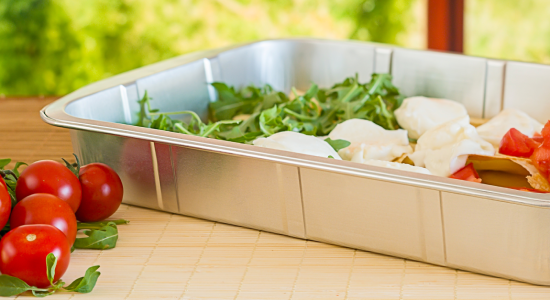
Are you looking to make your home more eco-friendly without sacrificing style? Choosing the right serving trays can make a big difference.
But with so many options out there, how do you pick one that’s truly sustainable? This guide will help you discover simple, smart ways to find serving trays that not only look great but also support a healthier planet. Keep reading, and you’ll learn how your choices can bring beauty and purpose to your table.

Credit: www.amazon.com
Benefits Of Sustainable Serving Trays
Sustainable serving trays are good for the environment and your health. They also save money in the long run.
Choosing the right tray can make a big difference. Let’s look at the benefits.
Environmental Impact
Sustainable trays help reduce waste and pollution. They are often made from recycled materials.
Using these trays can lower your carbon footprint. They are better for the planet.
- Made from bamboo or recycled plastic
- Biodegradable options available
- Less energy used in production
Health And Safety Advantages
Sustainable trays are often free from harmful chemicals. They are safe for food contact.
These trays are less likely to cause allergies. They are a safe choice for families.
- Non-toxic materials
- Free from BPA and phthalates
- Safe for hot and cold foods
Long-term Cost Savings
Sustainable trays last longer than regular trays. They do not need to be replaced often.
Investing in quality trays saves money over time. They are durable and reliable.
- Less frequent replacements needed
- Lower overall cost of ownership
- Resale or recycling options available
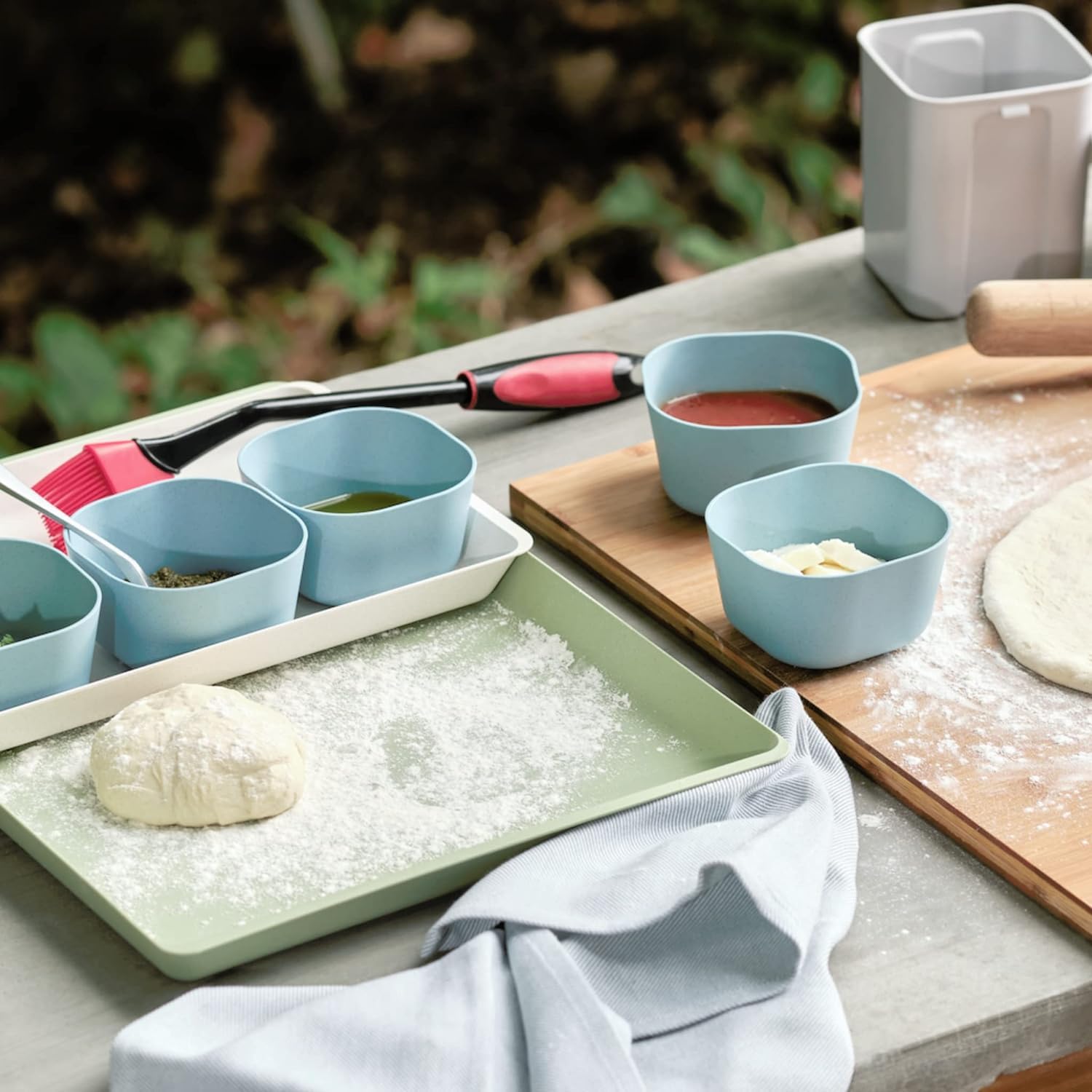
Credit: www.amazon.com
Materials To Look For
Choosing sustainable serving trays means picking materials that do not harm the environment. These materials should be renewable, recyclable, or biodegradable.
Look for options that last long and can be reused many times. This helps reduce waste and saves resources.
Bamboo And Wood Options
Bamboo and wood are popular for eco-friendly trays. Bamboo grows fast and needs little water. Wood is strong and natural.
Choose trays made from certified sustainable forests or bamboo farms. These ensure the materials are harvested responsibly.
- Bamboo is lightweight and durable
- Wood can be carved into many shapes
- Both are biodegradable and compostable
- Look for natural finishes without harmful chemicals
Recycled Metals And Glass
Recycled metals and glass reduce the need for new mining. They use less energy and lower pollution.
Trays made from recycled aluminum, stainless steel, or glass last long and can be recycled again. They add a modern look to your table.
- Recycled metals are strong and lightweight
- Glass is easy to clean and reusable
- Both can be fully recycled after use
- Check for trays with clear recycling labels
Biodegradable And Compostable Choices
Biodegradable trays break down naturally in soil. Compostable trays turn into nutrient-rich compost after use.
These trays often use materials like palm leaves, sugarcane fiber, or wheat straw. They are good for one-time use and reduce landfill waste.
- Made from natural plant fibers
- Break down within months in compost
- Free from plastics and toxins
- Ideal for picnics and outdoor events
Certifications And Labels
Choosing sustainable serving trays means checking for trusted certifications and labels. These marks help you find eco-friendly and safe products.
Look for labels that show the tray meets strict environmental and social standards. This helps you make a responsible choice.
Eco-friendly Certifications
Eco-friendly certifications prove the tray uses safe materials. They show the product has a low impact on nature.
Common certifications include FSC, which ensures wood comes from well-managed forests. Another is the Global Organic Textile Standard for organic fabrics.
- FSC (Forest Stewardship Council)
- GOTS (Global Organic Textile Standard)
- Green Seal
- Cradle to Cradle Certified
Fair Trade And Ethical Sourcing
Fair Trade certification means workers get fair pay and work in good conditions. It also supports community development.
Ethical sourcing ensures materials come from places that respect human rights and the environment. This helps prevent exploitation.
- Fair Trade Certified
- SA8000 Social Accountability
- Ethical Trading Initiative (ETI)
Durability And Safety Standards
Durability certifications show the tray will last long and resist damage. This reduces waste and saves money.
Safety standards check if the tray is free from harmful chemicals and safe for food use. This protects your health.
- FDA Food Contact Safety
- ISO 9001 Quality Management
- REACH Chemical Safety
Design And Functionality
Choosing sustainable serving trays means looking at both design and function. A good tray should look nice and work well for your needs.
Design affects how the tray fits your style. Functionality ensures it is easy to use and lasts long.
Size And Shape Considerations
Pick a tray size that matches what you will serve. Too big or too small trays can be hard to carry or use.
The shape also matters. Rectangular trays hold more dishes. Round trays are good for drinks and snacks.
- Choose a size that fits your table and storage space
- Pick shapes that suit your serving style
- Consider trays that stack easily for saving space
Ease Of Cleaning And Maintenance
Sustainable trays should be easy to clean. Trays that need special care may not last long.
Look for materials that resist stains and water. Smooth surfaces clean faster and better.
- Choose trays that are dishwasher safe if possible
- Avoid trays with many grooves or hard-to-reach spots
- Pick durable finishes that do not wear off easily
Versatility For Different Uses
A good sustainable tray works for many tasks. It can hold food, drinks, or even decorations.
Trays that fit many uses save money and reduce waste. Look for trays that fit your lifestyle.
- Choose trays suitable for indoor and outdoor use
- Pick trays that work for casual and formal settings
- Look for lightweight trays for easy carrying
Where To Buy Sustainable Trays
Sustainable serving trays help reduce waste and protect the environment. Choosing the right place to buy them is important.
You can find sustainable trays in many places. Each option offers unique choices and benefits.
Specialty Eco Stores
Specialty eco stores focus on products made from natural or recycled materials. They carefully select items that have low environmental impact.
These stores often carry trays made from bamboo, reclaimed wood, or recycled plastic. You can trust their quality and sustainability.
Online Marketplaces
Online marketplaces offer a wide range of sustainable trays. You can compare materials, styles, and prices easily.
Look for sellers who clearly state their products are eco-friendly. Check reviews and product details before buying.
Local Artisans And Craft Fairs
Local artisans create unique trays using sustainable methods. Buying from them supports small businesses and reduces shipping emissions.
Craft fairs allow you to see trays up close. You can ask questions about the materials and how they were made.

Credit: coatihome.com
Tips For Extending Tray Lifespan
Choosing sustainable serving trays is a smart way to help the environment. To get the most value, take care of your trays well. Small actions can make your trays last longer and stay beautiful.
Below are some easy tips on care, repair, and storage. These will keep your trays in good shape for years.
Proper Care Techniques
Clean your trays gently after each use. Avoid harsh chemicals or scrubbing hard. Use mild soap and a soft cloth or sponge. Dry trays completely before putting them away.
- Wipe spills immediately to prevent stains
- Use a soft brush for grooves or details
- Do not soak trays for long periods
- Keep trays away from direct sunlight to avoid fading
Repair And Upcycling Ideas
If your tray gets scratched or chipped, fix it instead of throwing it out. Small repairs help trays last longer and reduce waste. You can also give old trays new life by turning them into different items.
- Use wood filler or glue for cracks in wooden trays
- Sand and repaint trays with safe, eco-friendly paints
- Turn trays into wall art by adding hooks or paint
- Use trays as planters or organizers for small items
Storage Best Practices
Store trays in a dry, cool place to prevent warping or mold. Stack trays carefully with padding between them. Avoid heavy items on top to keep trays flat and strong.
- Place soft cloth or paper towels between stacked trays
- Keep trays away from heat sources like stoves or radiators
- Store trays upright if they are large or fragile
- Check trays regularly for signs of damage or moisture
Frequently Asked Questions
What Materials Are Best For Sustainable Serving Trays?
Sustainable serving trays are typically made from bamboo, reclaimed wood, or recycled metals. These materials reduce environmental impact and ensure durability. Choose trays with certifications like FSC or made from biodegradable substances to support eco-friendly choices.
How To Identify Eco-friendly Serving Tray Brands?
Look for brands using recycled or renewable materials and transparent sourcing. Certifications such as FSC, Fair Trade, or organic labels indicate eco-conscious practices. Reading customer reviews can also help verify a brand’s sustainability claims.
Are Biodegradable Trays Better Than Reusable Ones?
Biodegradable trays break down naturally but often have a shorter lifespan. Reusable trays reduce waste by lasting longer. For sustainability, choose durable trays that can be reused multiple times over disposable, biodegradable options.
Can Sustainable Trays Be Stylish And Functional?
Yes, sustainable trays combine aesthetics with practicality. Many brands offer elegant designs using eco-friendly materials. Choosing such trays supports the environment without compromising style or usability in your serving needs.
Conclusion
Choosing sustainable serving trays helps protect our planet. Think about materials like bamboo or recycled wood. These trays last longer and reduce waste. Also, consider how trays are made and where they come from. Simple choices make a big difference over time.
Pick trays that fit your style and values. Small steps lead to a greener, cleaner future. Your choices matter more than you think.