
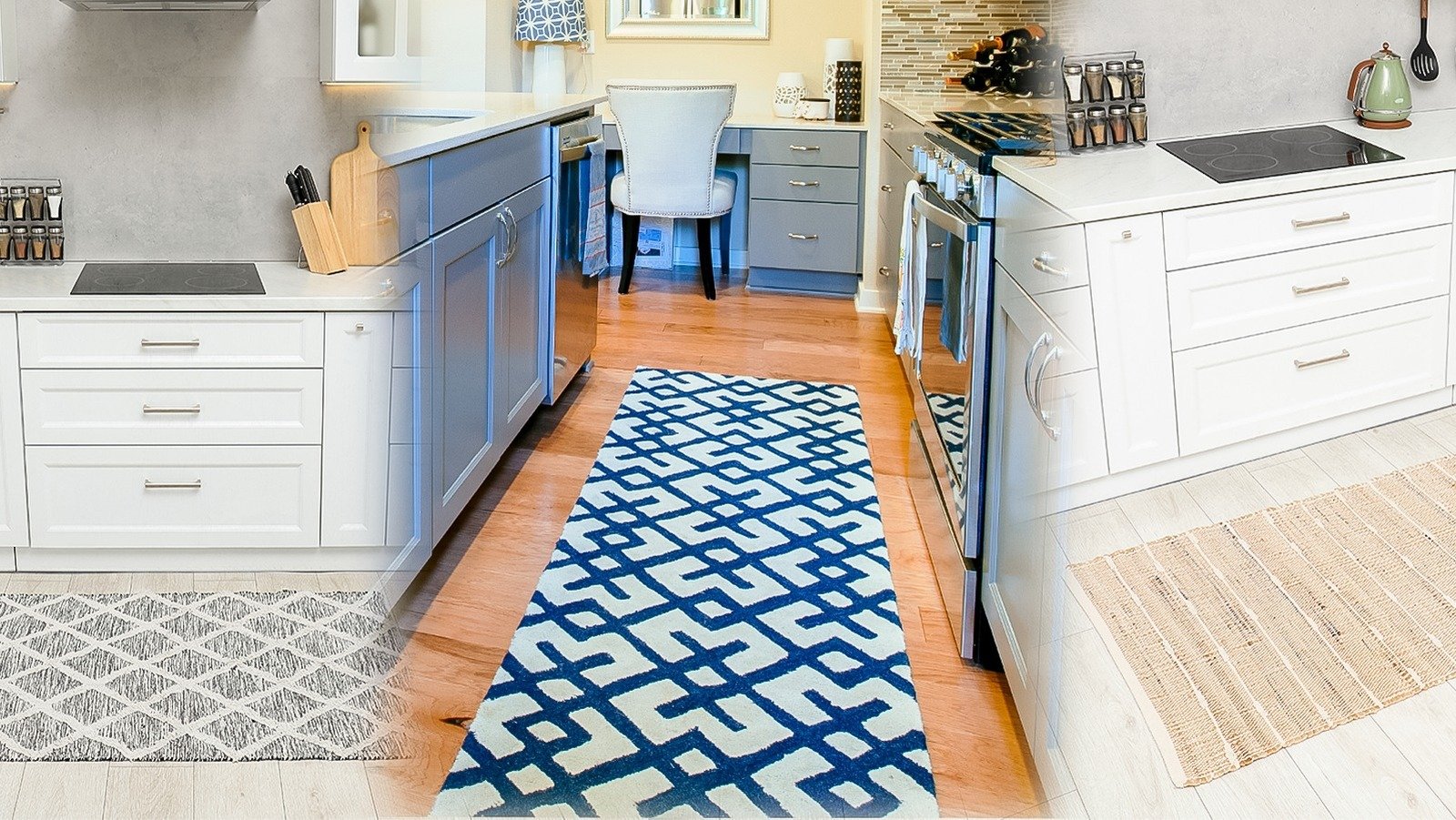
Choosing the right kitchen mat may seem like a small detail, but it can make a big difference for your home and the planet. You want something that feels comfortable under your feet, looks great, and stands up to daily use.
But what about making sure it’s good for the environment too? If you’re ready to find a kitchen mat that matches your values and lifestyle, this guide will help you pick the best sustainable option. Keep reading to discover simple tips that make your kitchen safer, cozier, and kinder to the Earth—all at the same time.
Benefits Of Sustainable Kitchen Mats
Sustainable kitchen mats are a smart choice for your home. They offer many benefits that help both you and the environment.
These mats are designed to be safe, eco-friendly, and cost-effective. Let’s explore their advantages.
Health And Safety Advantages
Sustainable mats often use natural materials. This reduces exposure to harmful chemicals. They are also slip-resistant, which prevents falls in the kitchen.
These mats provide cushioning for your feet. This reduces fatigue when standing for long periods. Your joints will feel less strain too.
Environmental Impact
Choosing sustainable mats helps the environment. They are made from renewable resources like bamboo or recycled materials. This reduces waste and the use of non-renewable resources.
Many sustainable mats are biodegradable. They break down naturally at the end of their life, reducing landfill waste.
Durability And Cost Savings
Sustainable kitchen mats are built to last. They withstand wear and tear better than conventional mats. This means you will not need to replace them often.
Although they may cost more upfront, their durability saves money over time. Fewer replacements mean long-term savings for your wallet.
Materials To Look For
Choosing the right materials helps make your kitchen mat eco-friendly. Sustainable mats last long and reduce waste.
Look for natural, recycled, or biodegradable materials. These choices support a healthier planet.
Natural Fibers
Natural fibers come from plants or animals. They break down easily and do not harm the environment.
Common natural fibers include cotton, jute, and wool. These materials feel soft and are often durable.
- Cotton is soft and easy to clean.
- Jute is strong and has a rough texture.
- Wool adds warmth and is naturally anti-bacterial.
Recycled Materials
Recycled materials use waste products to make new mats. This lowers the need for new raw materials.
Look for mats made from recycled rubber or plastic. These mats help reduce landfill waste.
- Recycled rubber offers good grip and cushioning.
- Recycled plastics can be durable and water-resistant.
- These mats often have unique designs and textures.
Non-toxic And Biodegradable Options
Non-toxic mats do not release harmful chemicals. They are safer for your home and the planet.
Biodegradable mats break down naturally after use. They leave no harmful waste behind.
- Look for mats made without PVC or harmful dyes.
- Materials like cork and natural rubber are biodegradable.
- These mats support a cleaner environment.
Certifications And Labels
Choosing sustainable kitchen mats means looking for trusted certifications and labels. These show if a product meets environmental and social standards.
Certifications help you find mats made with safe materials and fair worker conditions. They make shopping easier and more responsible.
Eco-friendly Certifications
Eco-friendly certifications prove the kitchen mats are made with low impact on nature. They cover materials, production, and waste.
Look for these common eco-labels to ensure the mat is kind to the environment.
- Global Organic Textile Standard (GOTS): Shows mats use organic fibers and safe chemicals.
- OEKO-TEX Standard 100: Ensures no harmful substances in the mat.
- Forest Stewardship Council (FSC): Certifies mats made from responsibly sourced wood or bamboo.
- Cradle to Cradle Certified: Focuses on recycling and safe materials.
Fair Trade And Ethical Standards
Fair trade labels mean the workers who made the mats get fair pay and good working conditions. Ethical standards protect people and communities.
These certifications also promote safe workplaces and no child labor.
- Fair Trade Certified: Guarantees fair wages and safe work environments.
- WRAP (Worldwide Responsible Accredited Production): Focuses on lawful and ethical manufacturing.
- SA8000: A social accountability standard for decent workplaces.
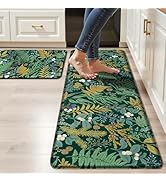
Credit: www.amazon.com
Design And Functionality
Choosing a sustainable kitchen mat means thinking about both how it looks and how it works. A good mat should fit your kitchen style and meet your daily needs.
Design and functionality help keep your kitchen safe, comfortable, and clean. These factors also support eco-friendly choices.
Comfort And Support
Look for mats with padding that ease pressure on your feet and legs. Comfort helps reduce fatigue during long cooking times.
Materials like natural rubber or foam provide good support. These options also tend to be durable and eco-friendly.
- Thick padding protects joints
- Non-slip backing keeps mats in place
- Breathable surfaces reduce sweating
Size And Shape Considerations
Choose a mat size that fits your kitchen space without blocking doors or drawers. The right shape improves safety and comfort.
Long runners work well for narrow spaces. Square or rectangular mats fit open areas better.
- Measure your kitchen floor before buying
- Pick shapes that match kitchen layout
- Consider mats that can be joined for larger areas
Ease Of Cleaning
Choose mats that are easy to clean to keep your kitchen hygienic. Some materials resist stains and spills better.
Look for mats that can be wiped, shaken, or machine washed. Quick cleaning saves time and keeps mats lasting longer.
- Water-resistant materials prevent damage
- Machine-washable mats offer convenience
- Simple designs avoid dirt traps
Shopping Tips
Choosing the right sustainable kitchen mat helps the environment and your home. Focus on materials, durability, and comfort.
Look for mats made from natural or recycled materials. These last longer and have less impact on nature.
Where To Buy Sustainable Mats
Buy from stores that specialize in eco-friendly products. They offer mats made with care for the planet.
Check local shops, online eco-markets, and green home stores. These places have a good selection of sustainable mats.
Comparing Prices And Quality
Price does not always mean better quality. Look closely at the material and build of the mat.
- Natural fibers like jute or coir are durable and eco-friendly.
- Recycled rubber mats offer good comfort and grip.
- Check if the mat is easy to clean and long-lasting.
Compare prices from different sellers to find a mat that fits your budget and quality needs.
Customer Reviews And Recommendations
Read what other buyers say about the mats. Reviews show real experience with comfort and durability.
Look for feedback on material feel, how easy it is to clean, and how it holds up over time.
- Positive reviews often mention long use without wear.
- Check for any complaints about slipping or odors.
- Recommendations help you pick trusted brands and styles.
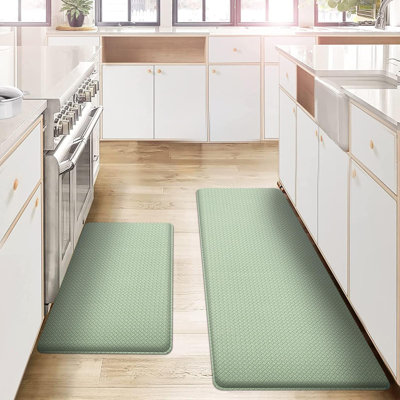
Credit: www.wayfair.com
Maintaining Your Kitchen Mat
Keeping your kitchen mat clean helps it last longer. A clean mat also keeps your kitchen safe and healthy.
Regular care is important for sustainable mats. This guide shows how to clean and maintain them well.
Cleaning Techniques
Use gentle cleaning methods for sustainable kitchen mats. Harsh chemicals can damage natural fibers or recycled materials.
Spot clean spills quickly with a mild soap and water. Avoid soaking mats that absorb water easily.
- Shake out dirt and crumbs regularly
- Use a soft brush or cloth to scrub stains
- Air dry mats completely before use
- Check care labels for special instructions
Extending Lifespan
Protect your kitchen mat to make it last longer. Place it in low-traffic areas if possible to reduce wear.
Rotate the mat regularly to spread out use. Avoid sharp objects or heavy impacts that can cause damage.
- Keep mats away from direct sunlight to prevent fading
- Clean spills immediately to avoid stains
- Store mats flat or rolled when not in use
- Follow manufacturer instructions for care
Recycling Or Repurposing Old Mats
When your kitchen mat is worn out, recycle or repurpose it. This reduces waste and helps the environment.
Cut old mats into smaller pieces for use as floor padding or garden mats. Some mats can be recycled with local programs.
- Check recycling centers for mat acceptance
- Use old mats as protective liners in drawers or shelves
- Turn mats into doormats for less-used doors
- Donate mats if still usable

Credit: www.amazon.com
Frequently Asked Questions
What Materials Are Best For Sustainable Kitchen Mats?
Eco-friendly materials like natural rubber, organic cotton, and bamboo are ideal. They are biodegradable, durable, and non-toxic. Avoid mats made from PVC or synthetic plastics as they harm the environment.
How Do Sustainable Kitchen Mats Improve Indoor Air Quality?
Sustainable mats use natural, non-toxic materials that emit fewer volatile organic compounds (VOCs). This reduces indoor air pollution and creates a healthier kitchen environment for you and your family.
Are Sustainable Kitchen Mats Easy To Clean And Maintain?
Yes, most sustainable mats are easy to clean. Natural rubber mats can be wiped or rinsed. Organic cotton mats are machine washable, ensuring hygiene without harmful chemicals.
How Long Do Sustainable Kitchen Mats Typically Last?
High-quality sustainable mats last 3 to 5 years with proper care. Their durable materials resist wear and tear better than conventional mats, making them a cost-effective choice.
Conclusion
Choosing sustainable kitchen mats helps protect the earth and your home. Focus on materials that last long and are eco-friendly. Think about comfort and safety for your daily use. Small choices make a big impact over time. Your kitchen can be greener with the right mat.
Keep these tips in mind for a smart, kind choice. It’s a step toward a cleaner, healthier lifestyle. Simple, thoughtful decisions help build a better future.