
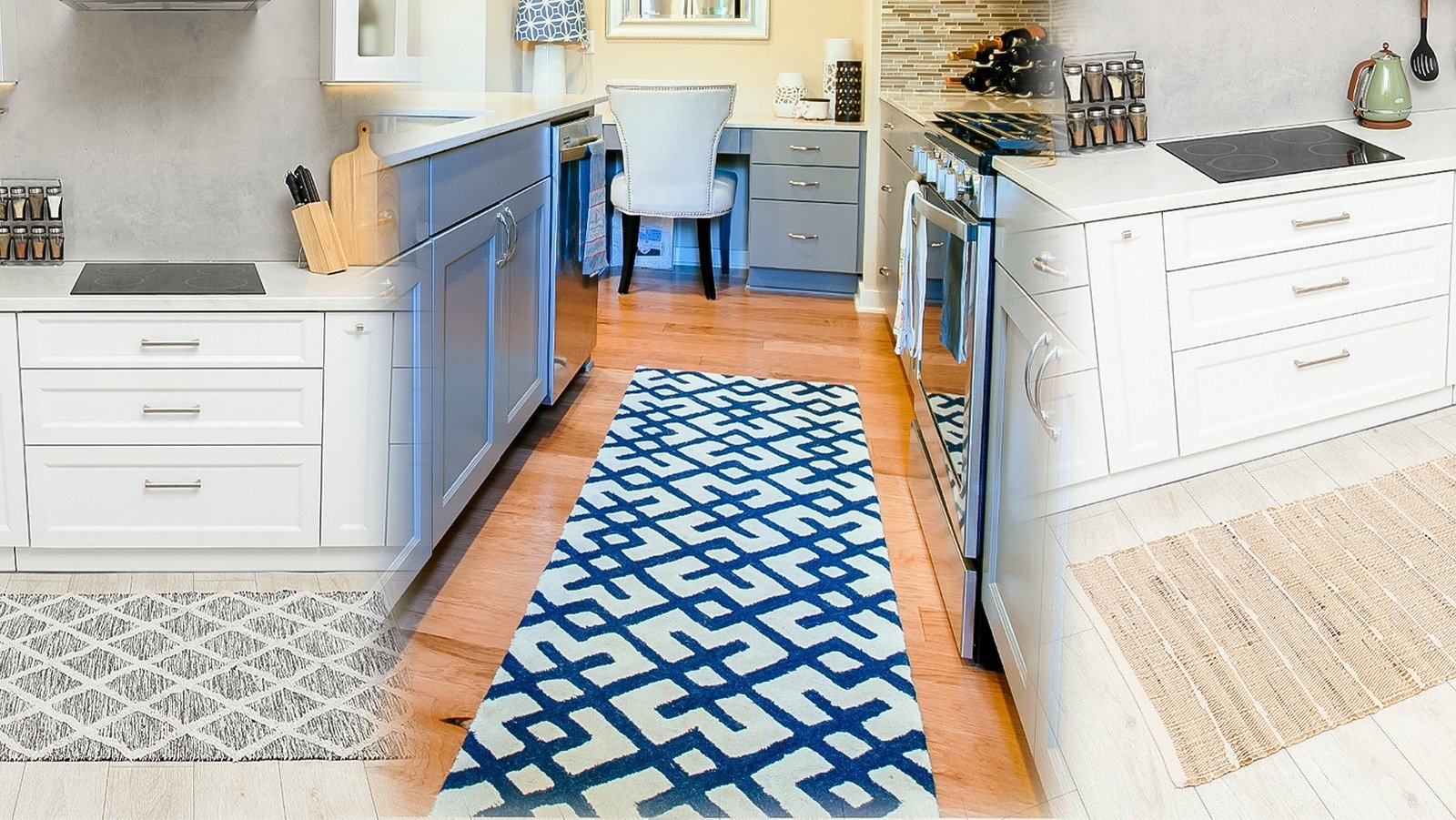
Choosing the right kitchen mat might seem simple, but have you ever thought about how it affects your home and the planet? Your kitchen mat is more than just a soft spot to stand on—it can boost your comfort, keep your kitchen clean, and even support a healthier environment.
But with so many options out there, how do you pick one that’s both good for you and sustainable? You’ll discover easy steps to find the perfect sustainable kitchen mat that fits your lifestyle and values. Keep reading, and you’ll never look at kitchen mats the same way again.

Credit: www.amazon.com
Benefits Of Sustainable Kitchen Mats
Sustainable kitchen mats offer many benefits for your home. They are good for the environment and your health.
Choosing sustainable mats can also save you money over time. Let’s explore how they help.
Environmental Impact
Sustainable mats are made from natural or recycled materials. These mats reduce waste and help protect nature.
By choosing eco-friendly mats, you support a healthier planet. Less plastic and chemicals mean less pollution.
- Made from renewable resources
- Biodegradable and recyclable
- Lower carbon footprint
Health And Safety Advantages
Sustainable mats often use non-toxic materials. This makes them safe for families and pets.
These mats can also offer better grip, reducing slips and falls in the kitchen.
- Non-toxic materials
- Anti-slip surface
- Safe for all family members
Durability And Cost Savings
Sustainable kitchen mats are built to last. They resist wear and tear better than regular mats.
Investing in durable mats means fewer replacements, saving you money in the long run.
- Long-lasting materials
- Resistant to stains and damage
- Cost-effective over time
Credit: www.amazon.com
Materials To Look For
Choosing a sustainable kitchen mat starts with the right materials. The material affects how eco-friendly and safe the mat is.
Look for mats made from natural, recycled, or non-toxic materials. These options help protect the environment and your health.
Natural Fibers
Natural fibers come from plants or animals. They break down easily and do not harm the earth.
Common natural fibers for kitchen mats include cotton, jute, coir, and wool. These fibers are strong and biodegradable.
- Cotton is soft and easy to clean.
- Jute is rough but very durable.
- Coir comes from coconut husks and dries fast.
- Wool absorbs water and feels warm.
Recycled Materials
Recycled materials help reduce waste. They give old items a new life as kitchen mats.
Look for mats made from recycled rubber, plastic, or fabric. These mats save resources and keep trash out of landfills.
- Recycled rubber mats are flexible and slip-resistant.
- Plastic mats can be colorful and water-resistant.
- Fabric mats use scraps to create soft surfaces.
Non-toxic Options
Non-toxic mats do not contain harmful chemicals. They keep your kitchen safe and healthy.
Choose mats labeled as free from PVC, phthalates, and heavy metals. These chemicals can cause allergies and pollution.
- Look for mats made with natural dyes and finishes.
- Check for certifications that prove safety.
- Non-toxic mats are better for children and pets.
Features That Matter
Choosing sustainable kitchen mats means thinking about more than just looks. The right features help your mat last longer and stay safe.
Look for qualities like water resistance, slip resistance, and ease of cleaning. These make daily use easier and help keep your kitchen healthy.
Water Resistance
Water resistance keeps mats from soaking up spills and stains. This stops mold and bacteria from growing under the mat.
Choose mats made from materials that repel water, like natural rubber or recycled plastics. These last longer in wet kitchen areas.
- Prevents damage from spills
- Reduces mold and mildew growth
- Keeps mats smelling fresh
Slip Resistance
Slip resistance is key for safety in the kitchen. A good mat grips the floor and stops slipping when wet.
Look for mats with textured bottoms or anti-slip coatings. These features help keep you steady while cooking or cleaning.
- Reduces fall risk
- Improves kitchen safety
- Works well on tile or wood floors
Ease Of Cleaning
Easy-to-clean mats save time and keep kitchens hygienic. Mats that dry quickly and resist stains are best.
Choose mats that you can wipe or hose down. Avoid those that trap dirt or need special cleaners.
- Saves cleaning time
- Prevents germs buildup
- Keeps mats looking new
Credit: www.wayfair.com
Certifications And Labels
Choosing a sustainable kitchen mat means looking at trusted certifications. These labels prove the mat meets eco-friendly and ethical standards.
Certifications help you find mats made with care for people and the planet. They show transparency in materials and production.
Eco-friendly Certifications
Eco-friendly certifications confirm that mats are made with low environmental impact. They look at materials, chemicals, and waste.
Common eco-certifications include:
- GOTS (Global Organic Textile Standard): Ensures organic fibers and safe processes.
- OEKO-TEX Standard 100: Tests for harmful substances in textiles.
- Green Seal: Certifies products meet strict environmental criteria.
- Cradle to Cradle: Focuses on product recycling and safety.
Fair Trade And Ethical Sourcing
Fair trade labels show mats are made with respect for workers’ rights. They ensure fair wages and safe conditions.
Ethical sourcing means the materials come from places that protect workers and communities.
- Fair Trade Certified: Guarantees fair pay and safe workplaces.
- SA8000: Focuses on social accountability in factories.
- WRAP (Worldwide Responsible Accredited Production): Ensures lawful and humane production.
Where To Shop
Choosing sustainable kitchen mats means finding places that focus on eco-friendly products. The right shops offer mats made from natural or recycled materials. This guide helps you know where to look.
Look for stores that care about the environment and support ethical makers. You can shop in specialty stores, online, or from local artisans.
Specialty Eco Stores
Specialty eco stores sell products made with the planet in mind. They often check if materials are sustainable and non-toxic. These stores help you find kitchen mats that last and do no harm.
These stores usually have staff who know about eco-friendly choices. They can answer your questions and guide you to the best mats.
Online Marketplaces
Online marketplaces offer many options for sustainable kitchen mats. You can compare materials, prices, and reviews from many sellers in one place. This makes shopping easy and fast.
Look for sellers that show clear information about their mats. Check if they use natural fibers or recycled materials. Read customer reviews to see if the mats hold up well.
- Search for keywords like “organic,” “natural,” or “recycled”
- Check seller ratings and reviews
- Look for certifications or eco-labels
Local Artisans
Local artisans make kitchen mats by hand, often using local materials. Buying from them supports small businesses and reduces shipping impact. Their mats are unique and made with care.
Visit local markets or craft fairs to find these artisans. Talking to them helps you learn about the materials and process. This way, you choose mats that fit your style and values.
Caring For Your Kitchen Mat
Choosing a sustainable kitchen mat is a smart choice for your home and the planet. Taking care of it properly helps keep it clean and lasting longer.
Good care also makes sure your mat stays safe and comfortable to use every day in your kitchen.
Cleaning Tips
Clean your kitchen mat regularly to remove dirt and spills. Use mild soap and warm water for gentle cleaning.
Avoid harsh chemicals that can damage the mat’s material. Let the mat air dry completely before placing it back on the floor.
- Vacuum or shake out loose dirt often
- Spot clean stains with a soft cloth
- Use gentle, eco-friendly cleaners
- Do not use bleach or strong solvents
- Air dry to prevent mold or mildew
Extending Lifespan
Protect your kitchen mat by placing it in low-traffic areas or where spills are common. Rotate the mat regularly to avoid uneven wear.
Keep sharp objects away from the mat. Avoid standing on it with shoes that might tear or damage the surface.
- Rotate the mat every few weeks
- Use on smooth, clean floors only
- Store flat or rolled gently when not in use
- Keep away from direct sunlight for long times
- Check for damage and repair small tears early
Recycling And Disposal
When your kitchen mat is worn out, recycle it if possible. Check local recycling programs for natural or rubber materials.
If recycling is not an option, dispose of the mat responsibly. Avoid throwing it in regular trash to reduce landfill waste.
- Find recycling centers that accept mats
- Cut large mats into smaller pieces for recycling
- Donate gently used mats to community groups
- Use old mats as liners for plant pots or workbenches
- Dispose of non-recyclable mats through special waste collection
Frequently Asked Questions
What Materials Make Kitchen Mats Sustainable?
Sustainable kitchen mats use natural, eco-friendly materials like organic cotton, bamboo, or recycled rubber. These materials reduce environmental impact and ensure durability. Avoid mats with synthetic fibers or harmful chemicals for a greener choice.
How To Identify Eco-friendly Kitchen Mats?
Look for certifications like GOTS, OEKO-TEX, or FSC on labels. These verify the mat’s eco-friendly production and material sourcing. Also, check for biodegradable or recyclable properties to ensure sustainability.
Why Choose Sustainable Kitchen Mats Over Regular Ones?
Sustainable mats minimize waste, reduce toxin exposure, and support ethical manufacturing. They last longer and are safer for your family and the planet. Choosing them helps promote responsible consumption habits.
Can Sustainable Kitchen Mats Improve Indoor Air Quality?
Yes, sustainable mats often avoid toxic chemicals that release harmful fumes. Natural fibers and non-toxic dyes promote healthier indoor air. This benefits sensitive individuals and enhances overall kitchen safety.
Conclusion
Choosing sustainable kitchen mats helps protect the earth and your home. Think about materials that last long and are eco-friendly. Mats made from natural fibers or recycled materials work well. Also, consider comfort and safety in your choice. Small changes make a big difference over time.
Start with one mat and see how it fits your kitchen. Sustainability feels good and supports a cleaner planet. Keep these tips in mind for smarter, greener kitchen choices.