
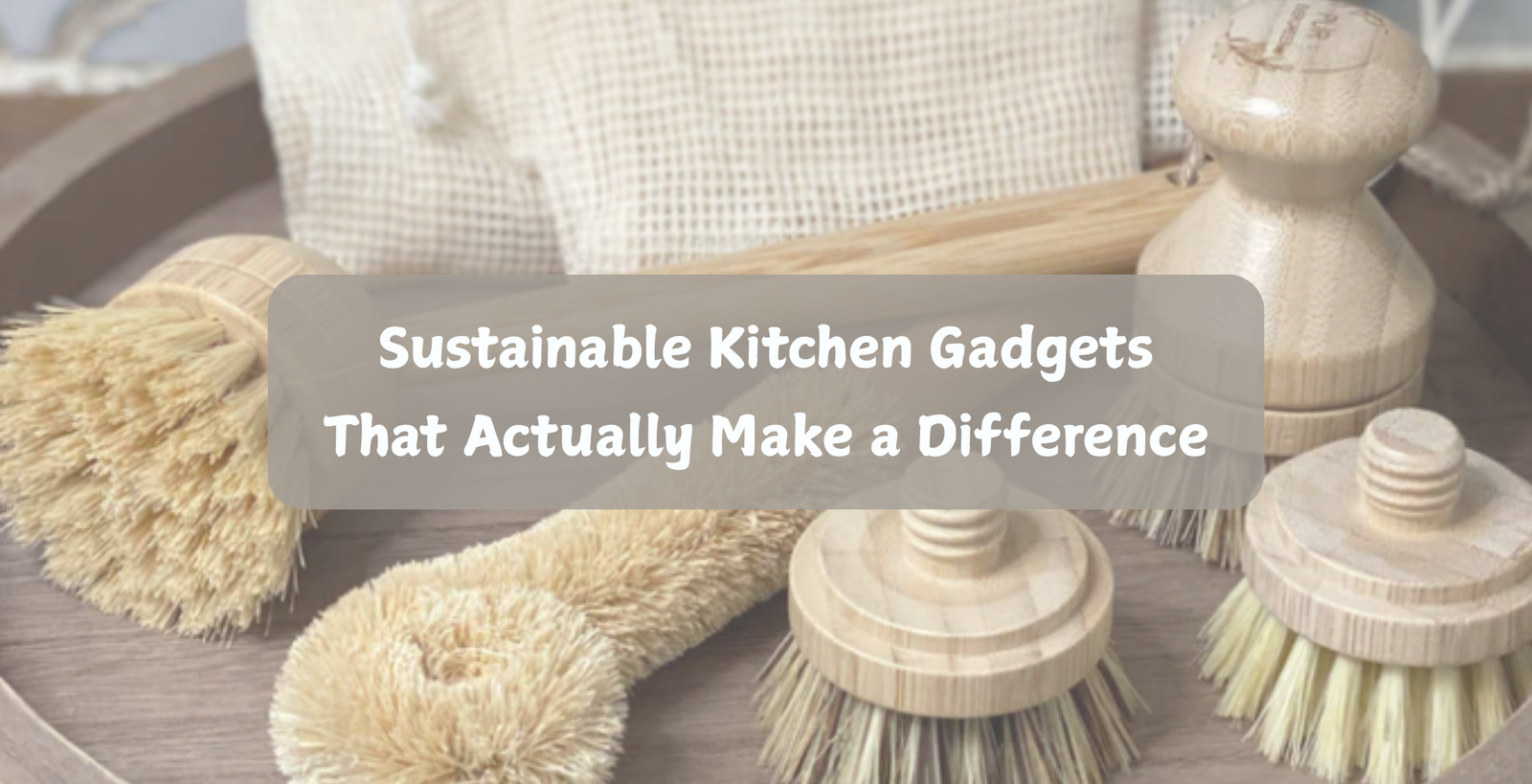
Choosing the right kitchen gadgets can make a big difference—not just for your cooking but for the planet too. You want tools that last, work well, and don’t harm the environment.
But with so many options out there, how do you find the ones that truly fit the bill? This guide will help you pick sustainable kitchen gadgets that save you money, reduce waste, and make your kitchen a healthier place.
Keep reading, and you’ll discover simple tips that make smart, eco-friendly choices easy and rewarding.
Benefits Of Sustainable Kitchen Gadgets
Sustainable kitchen gadgets help the environment. They also make your kitchen more efficient. Investing in these gadgets can save money over time.
They are designed to last longer and use fewer resources. This reduces waste and lowers your carbon footprint.
Reducing Environmental Impact
Sustainable gadgets use eco-friendly materials. They often require less energy to operate. This reduces the overall environmental impact.
By choosing these products, you support companies that care about the planet. This encourages more businesses to adopt green practices.
- Biodegradable materials
- Energy-efficient designs
- Minimal packaging
Enhancing Kitchen Efficiency
Sustainable gadgets are often designed to be more efficient. They help you save time in the kitchen. This makes cooking easier and more enjoyable.
With better design, these gadgets perform tasks faster. They also often have multiple functions, reducing the need for extra tools.
- Multifunctional tools
- Time-saving features
- Streamlined designs
Long-term Cost Savings
Sustainable kitchen gadgets can save you money over time. They are built to last, reducing the need for replacements.
Many of these gadgets use less energy, lowering your utility bills. Investing in quality products now can lead to savings later.
- Durable materials
- Energy savings
- Fewer replacements needed
Materials To Look For
Choosing sustainable kitchen gadgets means looking at the materials used. Some materials impact the planet less than others.
Focus on materials that are renewable, recycled, or break down naturally. These help reduce waste and pollution.
Bamboo And Wood Options
Bamboo and wood are natural and renewable materials. They grow quickly and can be harvested without harming forests.
Kitchen gadgets made from bamboo or wood often last long and are biodegradable. They add a warm look to your kitchen.
- Bamboo is strong and lightweight
- Wood can be treated to resist moisture
- Both materials break down naturally after use
Recycled Metals And Plastics
Recycled metals and plastics use old materials to make new products. This reduces the need for mining or new plastic production.
These materials help lower carbon emissions and waste. They often look and work just like new materials.
- Recycled stainless steel is durable and rust-resistant
- Recycled plastics reduce landfill waste
- Check for certifications to ensure true recycled content
Biodegradable Components
Biodegradable materials break down naturally in the environment. They do not leave harmful residues behind.
Look for gadgets made with biodegradable parts like plant-based plastics or natural fibers. These help reduce long-term waste.
- Plant-based plastics decompose faster than regular plastics
- Natural fibers like cotton or hemp break down easily
- Biodegradable means less pollution in landfills
Energy-efficient Appliances
Choosing energy-efficient kitchen gadgets saves electricity and lowers bills. These appliances use less power but work well.
Using energy-saving devices helps protect the environment. It reduces your carbon footprint in daily cooking tasks.
Low-power Consumption Devices
Look for kitchen gadgets that use minimal electricity. They help cut down energy use without losing performance.
Examples include induction cooktops and LED-lit appliances. These consume less power than traditional models.
- Induction cooktops heat faster and use less energy
- LED lighting consumes less electricity than incandescent bulbs
- Compact appliances often require less power
Smart Technology Integration
Smart kitchen gadgets adjust energy use based on needs. They turn off automatically when not in use.
These devices connect to apps or sensors. This helps monitor and control energy consumption easily.
- Smart ovens preheat only when needed
- Wi-Fi enabled coffee makers schedule brewing times
- Energy monitoring apps track usage patterns
Certification Labels To Trust
Check for energy labels before buying appliances. They show if a product meets efficiency standards.
Trusted labels help find gadgets that use less power and last longer. This supports sustainable choices.
- Energy Star: Certified for low energy use
- EU Energy Label: Rates appliance efficiency
- WaterSense: For water-saving kitchen devices

Credit: www.elementbrooklyn.com
Durability And Longevity
Choosing sustainable kitchen gadgets means picking items that last long. Durable gadgets reduce waste and save money.
Long-lasting tools help lower environmental impact by needing fewer replacements. This is good for your kitchen and the planet.
Build Quality Indicators
Strong materials like stainless steel or solid wood show good build quality. These materials resist wear and tear better than plastic.
Look for tight joints, smooth finishes, and heavy weight. These signs mean the gadget is well made and can last years.
- Stainless steel or cast iron parts
- Solid wood handles instead of plastic
- Sturdy seams and joints
- Matte or smooth finish without rough edges
Brands Known For Sustainability
Some brands focus on making eco-friendly kitchen gadgets. They use recycled materials and design for long use.
These brands often share details about their materials and production process. This helps you trust their sustainability claims.
- Companies that use recycled metals or plastics
- Brands with clear transparency on sourcing
- Producers who offer product guarantees
Repairability And Parts Availability
Choose gadgets that can be repaired easily. Replaceable parts make your tool last longer and reduce waste.
Check if the brand sells spare parts or offers repair guides. This helps fix the gadget instead of throwing it away.
- Gadgets with removable blades or batteries
- Brands that sell spare parts online
- Instructions for simple repairs or maintenance
Eco-friendly Packaging
Choosing sustainable kitchen gadgets means paying attention to their packaging. Eco-friendly packaging helps reduce waste and pollution.
Look for products that use packaging made from natural or recycled materials. This choice supports a healthier planet.
Minimalist And Recyclable Packaging
Minimalist packaging uses less material. It avoids extra boxes, plastic, and fillers. This reduces waste.
Recyclable packaging can be reused to make new products. It keeps materials out of landfills.
- Use simple paper or cardboard boxes
- Choose packaging with clear recycling labels
- Avoid mixed materials that are hard to recycle
Avoiding Excess Plastic
Plastic is harmful to the environment. Avoid kitchen gadgets wrapped in plastic film or bubble wrap.
Look for packaging made from paper, glass, or metal instead. These materials break down faster or recycle easier.
- Skip plastic bags or wrappers
- Choose products in cardboard or glass containers
- Support brands using compostable or biodegradable materials
Brands Prioritizing Sustainable Packaging
Some brands focus on using eco-friendly packaging. They use recycled or plant-based materials.
These brands often share their packaging goals on their labels or websites. Choosing them supports better packaging choices.
- Look for brands with clear sustainability statements
- Choose companies that use recycled paper or cardboard
- Support businesses that avoid plastic and use renewable materials

Credit: www.greenwashingindex.com
Cost Vs. Environmental Impact
Choosing sustainable kitchen gadgets means thinking about money and the planet. Some items cost more but last longer. Others are cheap but harm the environment.
Finding the right balance helps you save money and reduce waste. You can make smart choices that protect nature and fit your budget.
Balancing Budget And Sustainability
Set a clear budget before buying kitchen tools. Look for gadgets that meet your needs without extra features you do not use. Cheaper items may save money now but cost more later if they break often.
Think about how much energy or materials the product uses. Some affordable gadgets use less power or recycled parts. This helps the environment without raising costs too much.
Investing In Quality Over Quantity
Buy fewer gadgets but choose strong, well-made ones. High-quality tools last longer and reduce waste. You avoid buying replacements often, saving money in the long run.
Check the materials used. Stainless steel and bamboo often last longer than plastic. These materials also break down better or can be recycled.
- Choose durable materials
- Pick simple designs that last
- Avoid gadgets with many small parts
Evaluating Product Lifecycles
Look at how the gadget is made and how long it will last. Products with short lifecycles create more waste and need replacing often. Longer lifecycles lower the overall impact on the environment.
Think about end-of-life options. Can you repair the gadget? Is it recyclable or compostable? These factors help reduce trash and pollution.
| Lifecycle Stage | What to Check | Why It Matters |
|---|---|---|
| Production | Materials used, energy consumed | Less energy and recycled parts reduce impact |
| Use | Durability, ease of maintenance | Longer use means less waste and cost |
| End of Life | Recyclability, repair options | Less landfill waste and pollution |
Where To Shop Sustainable Gadgets
Choosing sustainable kitchen gadgets helps reduce waste and protect the environment. Finding the right places to shop makes this easier.
Look for stores and markets that focus on eco-friendly products. These places offer items made from safe and recycled materials.
Specialty Eco-friendly Stores
Specialty stores focus only on green and sustainable products. They often check their items for eco-friendly features.
Staff at these stores can help you choose gadgets that last longer and use less energy or resources.
- Look for stores that sell bamboo, stainless steel, or recycled plastic gadgets
- Check if the store supports fair trade and ethical production
- Ask about product materials and how to recycle or compost them
Online Marketplaces And Reviews
Many online marketplaces offer sustainable kitchen gadgets. You can read reviews from other buyers to learn about product quality.
Look for sellers who clearly explain their products’ eco-friendly features and certifications.
- Search for products labeled as biodegradable, recycled, or energy-saving
- Compare prices and read customer feedback carefully
- Check return policies and warranty for sustainable use
Local Artisan And Upcycled Options
Local artisans often make kitchen gadgets by hand with natural or recycled materials. These items are unique and support small businesses.
Upcycled gadgets use old materials to create new tools. Buying these helps reduce waste and gives old items a new life.
- Visit farmers markets or craft fairs to find local products
- Ask artisans about the materials and production process
- Consider upcycled items like glass jars turned into storage containers

Credit: www.chefio.co
Frequently Asked Questions
What Materials Make Kitchen Gadgets Sustainable?
Sustainable kitchen gadgets use eco-friendly materials like bamboo, stainless steel, and recycled plastics. These materials reduce environmental impact and last longer, promoting durability and recyclability.
How To Identify Energy-efficient Kitchen Gadgets?
Look for ENERGY STAR labels and low wattage ratings. Energy-efficient gadgets consume less power, reducing electricity bills and carbon footprints.
Why Choose Biodegradable Kitchen Tools?
Biodegradable tools break down naturally, minimizing landfill waste. They are made from renewable resources, supporting a zero-waste lifestyle and reducing pollution.
Can Sustainable Kitchen Gadgets Save Money Long-term?
Yes, durable and energy-efficient gadgets reduce replacement and energy costs. Investing upfront leads to savings and less environmental harm over time.
Conclusion
Choosing sustainable kitchen gadgets helps the planet and your home. Focus on materials that last long and are easy to recycle. Pick gadgets that save energy and reduce waste. Small changes add up to big benefits over time. Think about how each item fits your daily needs.
Sustainable choices create a healthier kitchen and world. Start with one gadget and build from there. Simple steps make a real difference every day.