
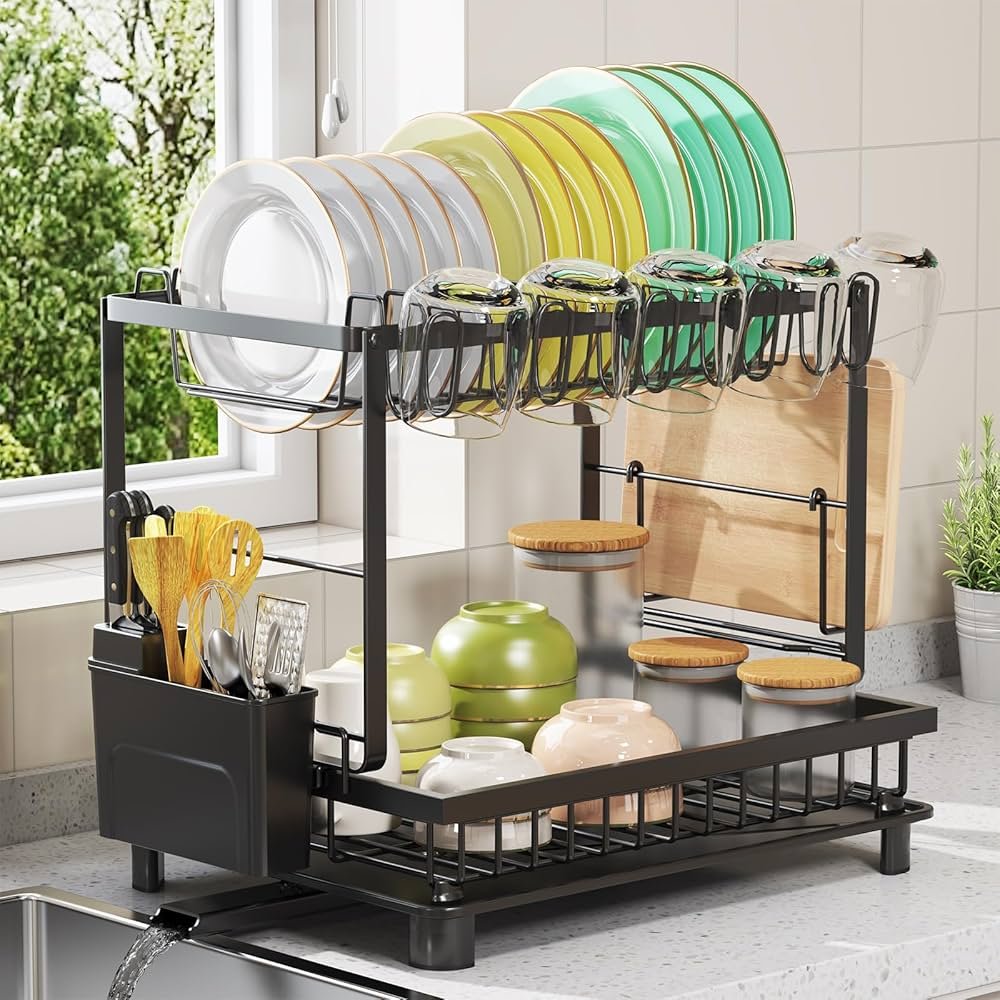
Are you tired of cluttered countertops and flimsy dish racks that don’t last? Choosing the right dish rack isn’t just about convenience—it can also make a big difference for the environment.
But with so many options out there, how do you find one that’s both sturdy and sustainable? You’ll discover simple tips to pick a dish rack that fits your style, saves space, and helps reduce waste. Keep reading, and you’ll never have to settle for a dish rack that doesn’t meet your needs again.
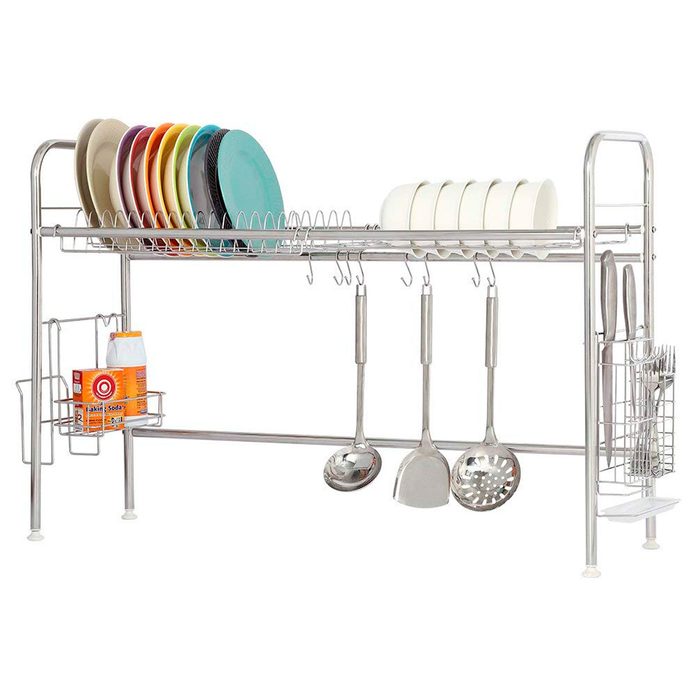
Credit: www.familyhandyman.com
Benefits Of Sustainable Dish Racks
Sustainable dish racks are a great choice for your kitchen. They help the environment and look good too.
Choosing a sustainable dish rack means caring for the planet. It also means saving money over time.
Reducing Environmental Impact
Sustainable dish racks use eco-friendly materials. They help reduce waste and pollution.
These materials often come from renewable resources. This makes them a better choice for the earth.
- Bamboo is a common sustainable material
- Recycled plastic is often used
- Stainless steel lasts longer and is recyclable
Enhancing Kitchen Aesthetics
Sustainable dish racks look stylish. They can match any kitchen design.
These racks come in many shapes and sizes. You can find one that fits your kitchen perfectly.
- Wood finishes add warmth
- Metal designs look modern
- Colorful racks add fun to your kitchen
Long-term Cost Savings
Sustainable dish racks last a long time. They are a smart investment for your home.
Buying a durable rack means you spend less money over time. It reduces the need for replacements.
- Strong materials resist wear and tear
- Less frequent replacements needed
- Low maintenance costs
Materials To Look For
Choosing a sustainable dish rack starts with picking the right materials. Some materials harm the environment less than others.
Look for materials that last long and break down naturally. These options help reduce waste and protect nature.
Bamboo And Wood Options
Bamboo and wood are natural materials that grow quickly. They do not need many chemicals to grow or process.
These materials are strong, lightweight, and can be composted after use. They add a warm look to your kitchen.
- Bamboo grows fast and is easy to renew
- Wood from well-managed forests is eco-friendly
- Both materials biodegrade without polluting
- Look for smooth finishes to avoid mold and cracks
Recycled Plastic Designs
Recycled plastic helps reduce waste by reusing old materials. It keeps plastic out of landfills and oceans.
Choose dish racks made with high-quality recycled plastics. These racks last longer and lower new plastic use.
- Look for clear labels showing recycled content
- Choose sturdy designs that resist cracking
- Avoid mixed plastics that cannot be recycled again
- Recycled plastic racks are easy to clean and dry
Stainless Steel Alternatives
Stainless steel is strong and lasts for many years. It is a good alternative to plastic or wood.
This metal resists rust and does not absorb water. Stainless steel dish racks can be recycled at the end of life.
- Choose stainless steel with a matte or brushed finish
- Look for racks made from recycled steel if possible
- Steel racks are easy to clean and dishwasher safe
- They offer a modern look and are very durable
Key Features For Eco-friendly Choices
Choosing a sustainable dish rack helps reduce waste and protect the environment. It also saves money by lasting longer.
Look for features that make a dish rack eco-friendly and safe for your home. These features help you make a smart choice.
Durability And Longevity
Durable dish racks do not break or wear out quickly. They keep working well for years. This lowers the need to replace them often.
Materials like bamboo, stainless steel, or recycled plastics usually last longer. Choose racks that resist rust and cracks.
- Strong joints and connections
- Resistance to water damage
- Easy to clean without damage
Non-toxic Finishes
Non-toxic finishes keep your dish rack safe for your dishes and family. They avoid harmful chemicals like lead and BPA.
Look for natural oils, water-based paints, or untreated wood. These finishes do not release toxins into your kitchen or food.
- Free from harmful chemicals
- Safe for food contact
- Easy to maintain without harsh cleaners
Water Efficiency
Water-efficient dish racks allow water to drain quickly. This helps dishes dry faster and stops mold from growing.
Choose racks with good drainage holes and slants. These designs use less water and energy for drying dishes.
- Proper slope for water runoff
- Drainage trays that collect water
- Materials that resist mold and mildew
Sizing And Capacity Tips
Choosing the right size for your sustainable dish rack helps save space and fits your needs. Consider how much space you have and how many dishes you wash daily.
Picking the correct capacity ensures your dishes dry well and keeps your kitchen organized.
Matching Your Kitchen Space
Measure the area where you want to place the dish rack. Check the width, depth, and height available on your countertop or sink.
Choose a dish rack that fits well without overcrowding your kitchen. Small kitchens benefit from compact or vertical racks.
- Measure space before buying
- Allow some extra room for air flow
- Use vertical racks for small areas
Considering Household Size
Think about how many people live in your home and how many dishes you clean daily. Larger households need bigger racks or multiple racks.
Small families or singles can use smaller racks that hold fewer dishes but still dry efficiently.
- Small households: compact racks
- Medium households: medium capacity racks
- Large households: large or multiple racks
Adjustable And Expandable Models
Adjustable racks let you change the size to fit different spaces or needs. Expandable racks grow when you have more dishes.
These models are flexible and good for changing kitchen sizes or growing families.
- Adjust width or height as needed
- Expand to hold more dishes
- Save space when not fully expanded
Maintenance And Care
Keeping your sustainable dish rack clean is important. Proper care helps it last longer and stay safe to use.
Simple steps can stop damage and keep your dish rack looking good every day.
Cleaning With Eco-friendly Products
Use gentle and natural cleaners to clean your dish rack. Avoid harsh chemicals that harm the environment.
Eco-friendly products remove dirt and grease without damaging the material of your dish rack.
- Use baking soda and vinegar for scrubbing
- Try mild soap made from natural ingredients
- Rinse well with warm water after cleaning
- Dry completely to prevent water spots
Preventing Mold And Mildew
Keep your dish rack dry to stop mold and mildew from growing. Moist areas invite these problems.
Airflow and sunlight help keep the rack fresh and clean.
- Wipe the rack after each use
- Place dish rack in a well-ventilated space
- Use a clean cloth to dry hard-to-reach spots
- Check and clean hidden areas weekly
Extending Product Life
Proper care keeps your dish rack strong and useful for years. Avoid damage from rough use.
Regular checks and gentle handling help your rack stay in good shape.
- Do not overload with heavy items
- Clean regularly to avoid stains and buildup
- Fix loose parts or screws quickly
- Store properly if not in use for a long time

Credit: www.familyhandyman.com
Top Brands And Certifications
Choosing a sustainable dish rack helps reduce waste and protect the planet. Many brands now focus on eco-friendly materials and ethical production.
Look for certifications and trusted brands to ensure your dish rack is truly sustainable and safe for your home.
Recognized Eco Labels
Eco labels show that a product meets strict environmental standards. These labels help shoppers pick sustainable options easily.
- FSC (Forest Stewardship Council) – ensures wood comes from well-managed forests
- Greenguard – certifies low chemical emissions for indoor air quality
- Cradle to Cradle – focuses on safe, circular product design
- Global Organic Textile Standard (GOTS) – applies to organic textiles and fibers
Brands Committed To Sustainability
Some brands prioritize eco-friendly materials like bamboo, recycled plastic, or stainless steel. They also use safe dyes and avoid harmful chemicals.
- Joseph Joseph – offers durable dish racks with recycled components <li.bamboomn -="" bamboo<li.ikea -="" and="" dish="" in="" li="" materials="" racks<li.oxo -="" and="" design="" includes="" li="" materials
Where To Buy
Buy sustainable dish racks at stores that focus on eco-friendly products. Online shops offer wide selections and detailed product info.
- Eco-friendly online marketplaces like EarthHero and Made Trade
- Major retailers with green product sections such as IKEA and Target
- Specialty kitchen stores focusing on sustainable goods
- Direct from brand websites for full product transparency
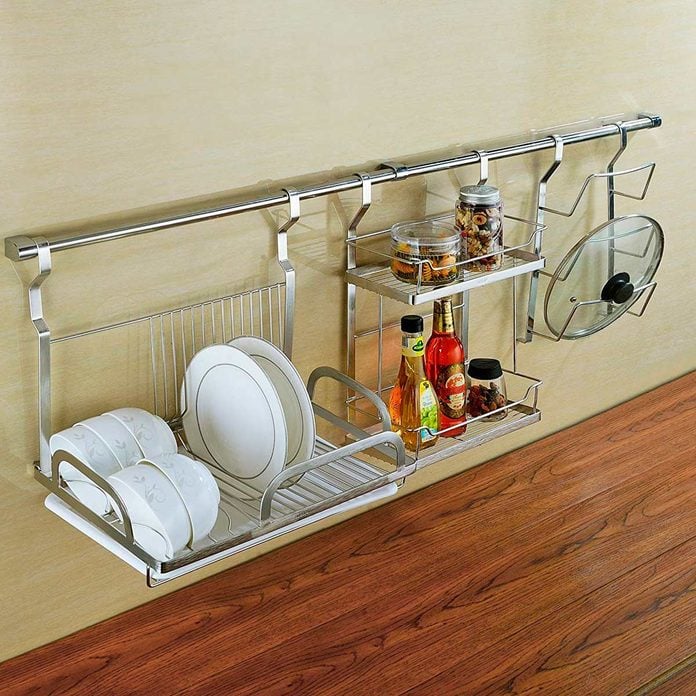
Credit: www.familyhandyman.com
Frequently Asked Questions
What Materials Are Best For Sustainable Dish Racks?
Bamboo and stainless steel are top sustainable materials. Bamboo is renewable and biodegradable. Stainless steel is durable and recyclable. Avoid plastic to reduce environmental harm. Choose racks made from eco-friendly, non-toxic finishes to ensure safety and sustainability.
How To Identify Eco-friendly Dish Racks?
Look for certifications like FSC for wood or recycled content labels. Check if the product uses non-toxic, natural finishes. Research the brand’s sustainability practices. Eco-friendly racks often use renewable materials and minimal plastic or harmful chemicals.
Why Choose Sustainable Dish Racks Over Plastic Ones?
Sustainable racks reduce plastic waste and pollution. They are longer-lasting and often safer for your health. Choosing eco-friendly options supports environmental conservation. They also often have better durability and aesthetic appeal compared to plastic racks.
How To Maintain A Sustainable Dish Rack?
Clean with mild soap and water regularly. Avoid harsh chemicals that damage natural materials. Dry thoroughly to prevent mold or rust. Proper maintenance extends the life of your sustainable dish rack and keeps it hygienic.
Conclusion
Choosing a sustainable dish rack helps protect the planet. Pick materials that last long and are eco-friendly. Think about size and style that fit your kitchen. Simple designs often use fewer resources and waste less. Small changes make a big difference over time.
Your choice supports a cleaner, greener home. Save money by buying quality over cheap, short-lived racks. Make your kitchen a place of care for nature. Sustainable living starts with smart, everyday decisions.