
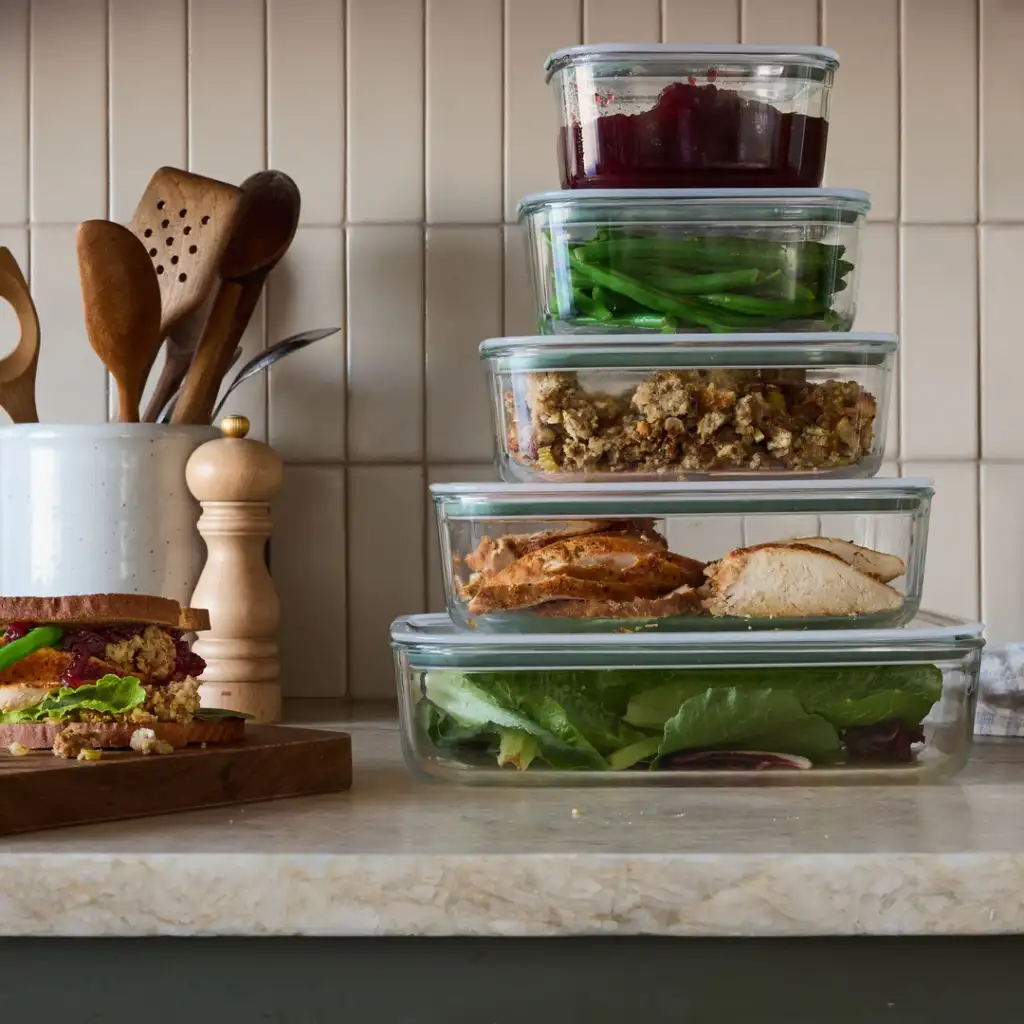
Choosing the right reusable food containers can make your life easier and help you save money. But with so many options out there, how do you pick the best ones for your needs?
You want containers that keep your food fresh, fit your lifestyle, and are safe to use. In this guide, you’ll discover simple tips to find containers that match your habits and preferences. By the end, you’ll feel confident making the best choice for your kitchen and your health.
Keep reading to unlock the secrets to smart, eco-friendly food storage!
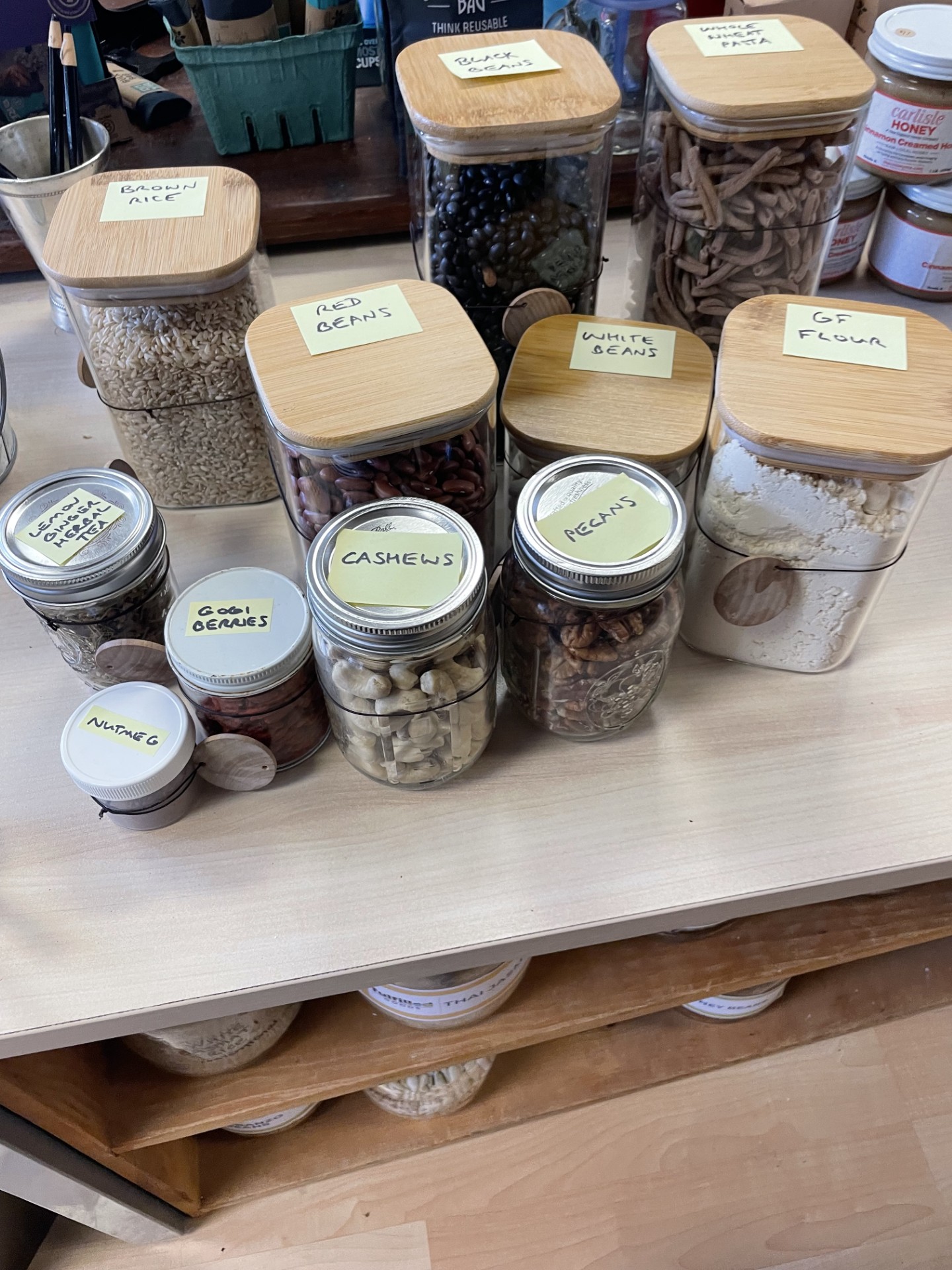
Credit: recyclingworksma.com
Benefits Of Reusable Containers
Reusable food containers are great for storing meals. They help reduce waste and keep food fresh.
These containers are better for the environment. They save money and are healthier for your family.
Environmental Impact
Reusable containers cut down on plastic waste. They are used many times, unlike single-use plastics.
This helps reduce pollution in oceans and landfills. It keeps our planet cleaner and safer for wildlife.
- Less plastic waste in landfills
- Fewer resources used to make new plastic
- Reduced pollution in oceans
Cost Savings Over Time
Buying reusable containers saves money. You do not need to buy single-use bags or wraps.
Over time, the savings add up. This is a smart choice for families looking to cut costs.
- Spend less on disposable items
- Long-lasting and durable
- Reduced need for replacements
Health Advantages
Reusable containers are often made of safer materials. They do not contain harmful chemicals found in some plastics.
This helps keep your food safe. It also ensures better health for you and your family.
- Non-toxic materials
- Prevents chemical leaching
- Keeps food fresher
Credit: shopping.yahoo.com
Materials To Consider
Choosing the right material for reusable food containers is important. It affects durability, safety, and ease of use.
Look at different materials to find what fits your needs best. Each type has its own benefits and drawbacks.
Glass Containers
Glass containers are strong and do not hold odors or stains. They are safe for hot and cold foods.
They are easy to clean and work well in microwaves and ovens. Glass containers are heavier but last a long time.
Stainless Steel Options
Stainless steel containers are very durable and resistant to rust. They keep food fresh and cool for hours.
These containers are lightweight and less likely to break than glass. They are good for packed lunches and outdoor use.
Silicone Benefits
Silicone containers are flexible and easy to store. They can fold or collapse to save space.
They are heat resistant and safe for microwaves and freezers. Silicone does not absorb smells and is easy to clean.
Bpa-free Plastics
BPA-free plastic containers are lightweight and affordable. They come in many shapes and sizes for different needs.
They are safe for cold foods and some are microwave-safe. Look for containers marked BPA-free to avoid harmful chemicals.
Size And Shape Options
Choosing reusable food containers needs thought about size and shape. The right fit helps keep food fresh and saves space.
Containers come in many sizes and shapes. Picking the right ones makes storage and meal prep easier.
Choosing The Right Sizes
Select containers that match your usual food portions. Small sizes suit snacks or sauces. Larger sizes hold meals or leftovers.
Having a mix of sizes avoids waste and fits different foods well. It also makes packing lunches simple.
- Small (1–2 cups) for dips, nuts, or small snacks
- Medium (3–5 cups) for salads or side dishes
- Large (6+ cups) for main meals or batch cooking
Stackability And Storage
Stackable containers save space in your kitchen and fridge. Look for containers that fit neatly on top of each other.
Containers with uniform sizes and flat lids make stacking easier. This keeps your storage area tidy and organized.
- Flat lids prevent slipping
- Uniform shapes stack better
- Clear containers show contents without opening
- Containers that nest inside each other save shelf space when empty
Shapes For Different Foods
Choose container shapes based on the type of food you store. Some foods fit better in certain shapes.
Round containers suit soups or liquids. Rectangular ones fit sandwiches and leftovers neatly. Square containers maximize fridge space.
- Round: Good for soups and salads
- Rectangular: Fits sandwiches and casseroles
- Square: Uses fridge space efficiently
- Deep containers: Best for layered meals or tall foods
Features To Look For
Reusable food containers help keep food fresh and reduce waste. Choosing the right one makes storing and carrying food easier.
Look for features that suit your needs. The right containers save time and keep food safe.
Leak-proof Seals
Leak-proof seals stop liquids from spilling out. This is important for soups, sauces, and dressings.
Choose containers with tight lids and silicone or rubber seals. These keep food fresh and your bag clean.
- Tight-fitting lids prevent leaks
- Silicone seals improve airtightness
- Snap or locking lids add extra security
Microwave And Freezer Safe
Containers that work in the microwave save time when reheating food. Freezer-safe containers keep food fresh longer.
Check the label to ensure containers can handle heat and cold. Avoid containers that warp or crack easily.
- Microwave-safe containers resist heat damage
- Freezer-safe containers prevent cracking
- Material like glass or BPA-free plastic is best
Ease Of Cleaning
Easy-to-clean containers save effort and keep germs away. Look for containers with simple designs and smooth surfaces.
Dishwasher-safe containers are convenient. Avoid containers with many small parts that trap food.
- Smooth interiors prevent food buildup
- Dishwasher-safe materials save cleaning time
- Fewer parts mean easier washing
Sustainability Certifications
Choosing reusable food containers means thinking about the environment. Sustainability certifications help you find containers made with care for nature.
These certifications show that products meet rules for safety and eco-friendliness. They guide you to make better choices.
Certifications To Trust
Look for certifications that prove containers are safe and eco-friendly. Trusted labels ensure the product is tested and approved.
- BPA-Free: Shows the container does not have harmful chemicals.
- FDA Approved: Means the product is safe for food contact.
- FDA Approved: Means the product is safe for food contact.
- FDA Approved: Means the product is safe for food contact.
- FDA Approved: Means the product is safe for food contact.
- FDA Approved: Means the product is safe for food contact.
- FDA Approved: Means the product is safe for food contact.
- FDA Approved: Means the product is safe for food contact.
- FDA Approved: Means the product is safe for food contact.
- FDA Approved: Means the product is safe for food contact.
- FDA Approved: Means the product is safe for food contact.
- FDA Approved: Means the product is safe for food contact.
- FDA Approved: Means the product is safe for food contact.
- FDA Approved: Means the product is safe for food contact.
- FDA Approved: Means the product is safe for food contact.
- FDA Approved: Means the product is safe for food contact.
- FDA Approved: Means the product is safe for food contact.
- FDA Approved: Means the product is safe for food contact.
- FDA Approved: Means the product is safe for food contact.
- FDA Approved: Means the product is safe for food contact.
- FDA Approved: Means the product is safe for food contact.
- FDA Approved: Means the product is safe for food contact.
- FDA Approved: Means the product is safe for food contact.
- FDA Approved: Means the product is safe for food contact.
- FDA Approved: Means the product is safe for food contact.
- FDA Approved: Means the product is safe for food contact.
- FDA Approved: Means the product is safe for food contact.
- FDA Approved: Means the product is safe for food contact.
- FDA Approved: Means the product is safe for food contact.
- FDA Approved: Means the product is safe for food contact.
- FDA Approved: Means the product is safe for food contact.
- FDA Approved: Means the product is safe for food contact.
- FDA Approved: Means the product is safe for food contact.
Labels That Matter
Labels on reusable containers tell you about their materials and safety. Check them to avoid harmful chemicals and waste.
- Recyclable: Container can be recycled after use.
- Compostable: Breaks down safely in compost.
- Made from Recycled Materials: Uses less new resources.
- Non-Toxic: Free from harmful substances.
- Durable: Long-lasting and reduces waste.

Credit: www.amazon.com
Tips For Maintaining Containers
Reusable food containers help reduce waste and save money. Keeping them clean and in good shape is important for safety and durability.
Follow simple tips to keep your containers fresh and lasting longer. Proper care protects your food and the environment.
Proper Cleaning Techniques
Clean containers after every use to avoid germs and stains. Use warm water and mild soap for best results.
Remove lids and wash all parts separately. Use a soft sponge to avoid scratches.
- Hand wash with gentle soap and warm water
- Use a soft brush or sponge for corners
- Rinse well to remove soap residue
- Dry completely before storing
Avoiding Damage
Handle containers carefully to prevent cracks and warping. Avoid sharp objects that can scratch the surface.
Do not use containers in the microwave or dishwasher if they are not labeled safe. Heat can cause damage.
- Keep containers away from knives and sharp tools
- Check labels for microwave and dishwasher safety
- Store containers with lids off to prevent odors
- Do not stack heavy items on top
Extending Lifespan
Use containers only for their intended purpose. Avoid storing very hot or acidic foods in some types of containers.
Regularly inspect containers for cracks or stains. Replace damaged containers to keep food safe.
- Use containers for dry or cold foods if specified
- Store containers in a cool, dry place
- Replace containers with visible damage or odors
- Rotate containers to use older ones first
Where To Buy Reusable Containers
Choosing the right place to buy reusable food containers helps you find good quality options. Some places offer many styles and materials. Others focus on eco-friendly choices or support local businesses.
This guide shows three places to shop for reusable containers. Each option has its own benefits for your needs and budget.
Online Marketplaces
Online marketplaces have a wide range of reusable containers. You can compare prices and read reviews before buying. Shopping online saves time and offers many brands in one place.
Look for sellers with good ratings. Check product details for materials and sizes. Some sites offer filters to narrow your search.
- Amazon
- eBay
- Etsy
- Walmart online
Eco-friendly Brands
Eco-friendly brands focus on reusable containers made from safe, natural materials. These brands often avoid plastic and use bamboo, glass, or stainless steel. Choosing these helps reduce waste and pollution.
Many eco-friendly brands sell directly on their websites. They provide detailed product information and explain their sustainability goals.
- Look for BPA-free and non-toxic labels
- Choose containers with long lifespans
- Buy from brands with transparent sourcing
Local Stores And Markets
Local stores and markets let you see reusable containers in person. You can check the size, weight, and quality before buying. Local shops often stock unique or handmade items.
Farmers markets and zero-waste stores usually have eco-friendly options. Supporting local businesses helps your community and lowers shipping emissions.
- Kitchen supply stores
- Zero-waste shops
- Farmers markets
- Specialty grocery stores
Frequently Asked Questions
What Materials Are Best For Reusable Food Containers?
Choose containers made from BPA-free plastic, glass, or stainless steel. These materials are safe, durable, and easy to clean. Glass and stainless steel are eco-friendly and non-toxic. BPA-free plastic is lightweight and budget-friendly. Each material suits different storage needs and preferences.
How Do I Choose The Right Container Size?
Pick sizes based on your typical meal portions and storage needs. Small containers work for snacks, while larger ones suit full meals. Consider stackable designs to save space. Proper sizing reduces food waste and keeps meals fresh longer.
Are Reusable Containers Safe For Microwaves And Dishwashers?
Check labels to ensure containers are microwave and dishwasher safe. Glass and stainless steel often tolerate heat well. Some plastics may warp or release chemicals under high heat. Proper usage extends container life and maintains food safety.
How Can I Prevent Odors And Stains In Containers?
Use containers with airtight seals to keep odors out. Clean containers promptly with baking soda or vinegar for stubborn stains. Avoid storing strong-smelling foods long-term. Proper care keeps containers fresh and hygienic.
Conclusion
Choosing the right reusable food containers saves money and helps the planet. Focus on size, material, and ease of cleaning. Think about how you use them daily. Durable containers keep food fresh longer. Clear labels and stackable shapes add convenience.
Simple choices make packing meals easier. Start with a few containers and add more if needed. Small changes create lasting benefits for you and the environment. Take your time to find what fits best. Your effort matters in reducing waste every day.