
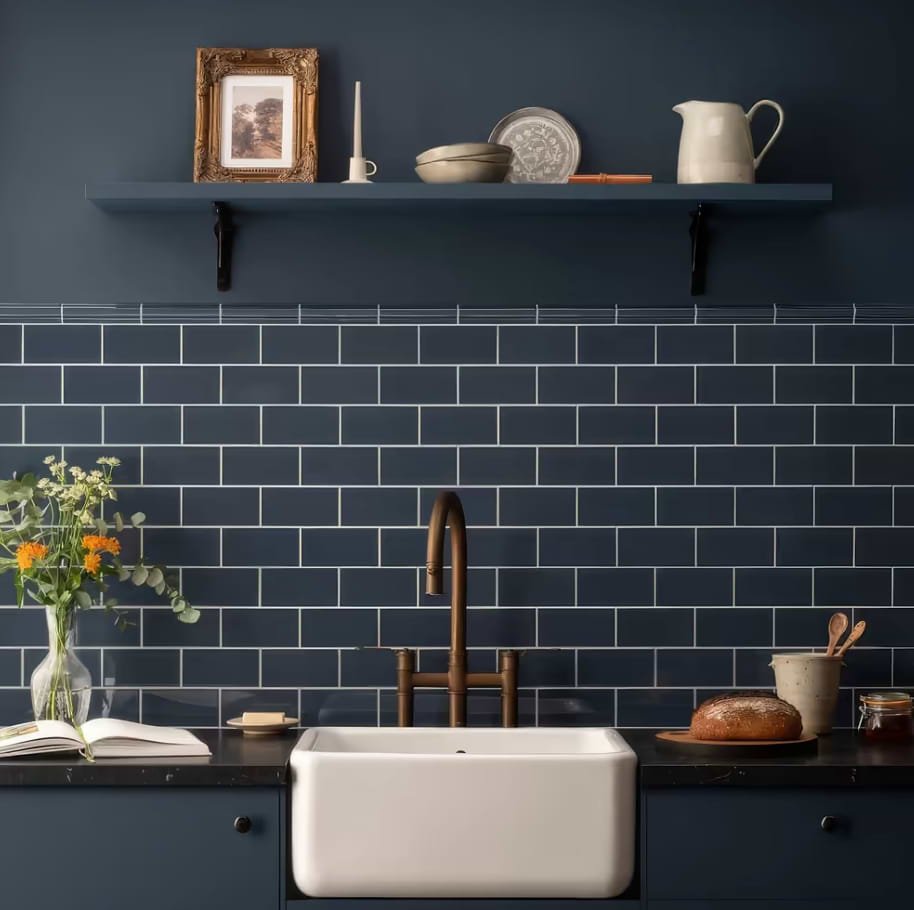
Choosing the right kitchen tiles for your walls can completely change the look and feel of your space. But with so many options out there, how do you pick the perfect style that fits your taste and needs?
You want tiles that not only look great but are also easy to clean and durable. You’ll discover simple tips and expert advice to help you make the best choice for your kitchen walls. By the end, you’ll feel confident about selecting tiles that bring both beauty and function to your home.
Keep reading—you’re one step closer to transforming your kitchen!
Types Of Kitchen Wall Tiles
Choosing the right tiles for your kitchen walls is important. Tiles protect the walls from moisture and stains.
There are many types of tiles. Each type has different looks and benefits.
Ceramic Tiles
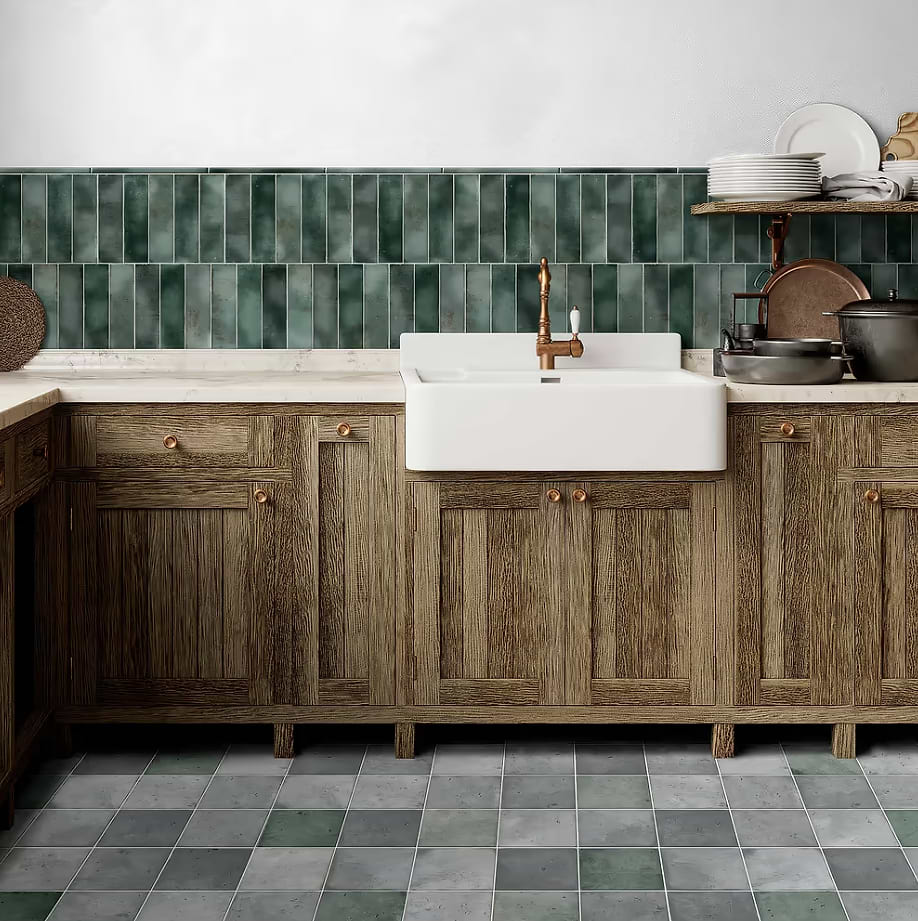
Ceramic tiles are made from clay and baked in a kiln. They are easy to clean and come in many colors.
These tiles are affordable and good for daily kitchen use. They resist stains and water well.
- Cost-effective
- Variety of colors and patterns
- Easy to maintain
- Moderate durability
Porcelain Tiles
Porcelain tiles are a type of ceramic tile but denser and harder. They handle moisture better than regular ceramic tiles.
They last longer and resist scratches. Porcelain is ideal for busy kitchens with heavy use.
- Very durable
- Water resistant
- Low maintenance
- More expensive than ceramic
Glass Tiles
Glass tiles add shine and brightness to your kitchen walls. They reflect light and make spaces look bigger.
These tiles resist stains and water. They can be slippery and require careful installation.
- Bright and glossy finish
- Easy to clean
- Not very durable against impact
- Suitable for backsplashes
Natural Stone Tiles
Natural stone tiles come from marble, granite, slate, or limestone. Each stone has a unique texture and color.
These tiles give a natural and elegant look. They need sealing to protect from stains and water.
- Unique natural patterns
- Strong and long-lasting
- Needs regular sealing
- More expensive and heavy
Credit: www.hyperiontiles.co.uk
Factors To Consider
Choosing the right kitchen tiles for walls is important. The tiles should look good and last long.
Think about how easy they are to clean and how well they resist water. Cost and style also matter.
Durability And Maintenance
Kitchen tiles face heat, stains, and scratches daily. Durable tiles save money and effort.
Choose tiles that clean easily and do not chip or crack fast. Porcelain and ceramic are good options.
Water Resistance
Wall tiles near sinks or stoves must resist water and steam. Tiles that absorb water can get damaged.
- Pick glazed tiles for better water resistance
- Avoid porous tiles in wet areas
- Check if the tile surface is sealed
- Use grout that prevents water seepage
Cost And Budget
| Tile Type | Average Cost per sq ft |
| Ceramic | $1 – $5 |
| Porcelain | $3 – $10 |
| Glass | $7 – $30 |
| Natural Stone | $5 – $15 |
Set a budget before buying tiles. Remember to include installation and extra materials.
Color And Style
Tile colors affect the kitchen’s look and feel. Light colors make small kitchens look bigger.
Match tile style with your kitchen theme. Classic, modern, or rustic styles all have fitting tile designs.
Tile Size And Shape
Choosing the right tile size and shape is key for kitchen walls. It changes the room’s look and feel.
Different sizes and shapes suit different kitchen styles and wall spaces. Learn about common options below.
Standard Sizes
Standard tiles are easy to find and install. They come in square or rectangular shapes.
Common sizes include 4×4 inches, 6×6 inches, and 8×8 inches. These fit most kitchen walls well.
- 4×4 inches: classic, good for small backsplashes
- 6×6 inches: balanced size for most walls
- 8×8 inches: larger, fewer grout lines
- Rectangular shapes like 3×6 inches add style
Mosaic Tiles
Mosaic tiles are small pieces joined in sheets. They often measure 1×1 inch or smaller.
These tiles create detailed patterns and textures. They add color and interest to kitchen walls.
- Easy to cut and fit around outlets
- Good for accent areas or full walls
- Available in glass, ceramic, and stone
Large Format Tiles
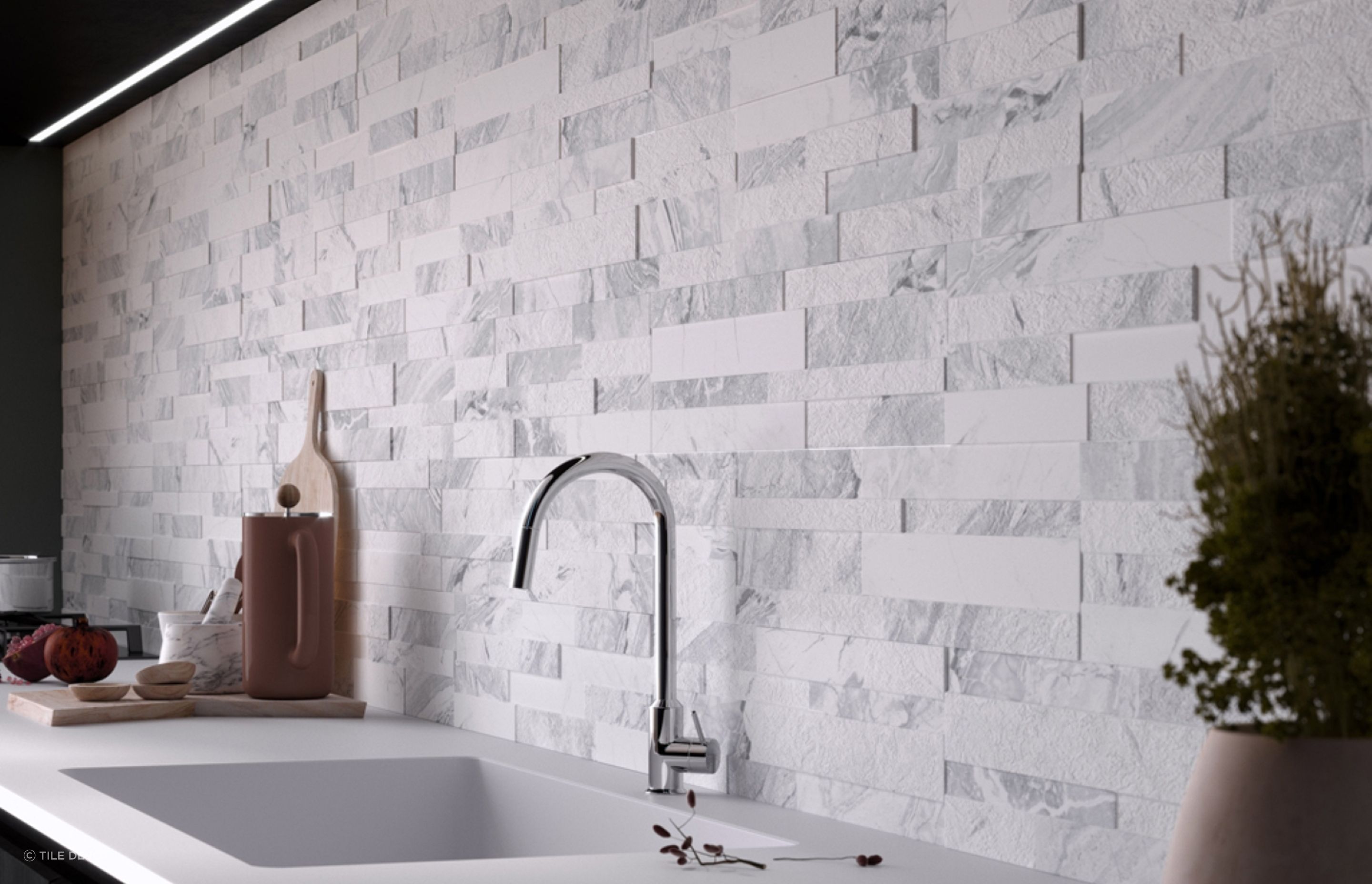
Large format tiles are bigger than 12×12 inches. They cover more space with fewer grout lines.
These tiles make kitchens look modern and spacious. They work well on wide, open walls.
- Sizes like 12×24 inches or 24×24 inches
- Reduce cleaning time with less grout
- Best for smooth, flat wall surfaces
Credit: archipro.co.nz
Texture And Finish
Choosing the right texture and finish for kitchen wall tiles affects the look and feel of your space. It also impacts cleaning and durability.
Understanding the differences between glossy, matte, and textured tiles helps you pick the best option for your kitchen.
Glossy Vs. Matte
Glossy tiles have a shiny surface that reflects light and brightens the kitchen. Matte tiles offer a soft, non-reflective finish that hides stains and smudges better.
- Glossy tiles make small kitchens appear larger.
- Matte tiles provide a subtle, modern look.
- Glossy finishes can be slippery when wet.
- Matte finishes are easier to clean fingerprints from.
Textured Surfaces
Textured tiles add depth and interest to kitchen walls. They can mimic natural materials like stone or wood. Textures also help hide dirt and water spots.
| Texture Type | Visual Effect | Cleaning |
| Rough | Rustic and natural | Needs more effort |
| Raised patterns | Decorative and detailed | Use soft brush |
| Grooved | Modern and geometric | Easy with vacuum |
Slip Resistance
Slip resistance is important for kitchen safety, especially near sinks and cooking areas. Tiles with textured finishes usually offer better grip.
- R9 – Low slip resistance, smooth surface
- R10 – Moderate slip resistance, slightly textured
- R11 – High slip resistance, rough texture
- R12 – Very high slip resistance, deeply textured
Creative Layout Ideas
Choosing the right tile layout can change the look of your kitchen walls. Creative patterns add style and personality.
Explore different tile layouts to find one that fits your space and taste.
Herringbone Pattern
The herringbone pattern creates a zigzag effect. It adds movement and interest to plain walls.
This pattern works well with rectangular tiles. It looks great in both modern and classic kitchens.
- Arrange tiles at 45-degree angles
- Use contrasting grout for more definition
- Works best with long, narrow tiles
Subway Tile Arrangement
Subway tiles are rectangular and simple. They create a clean, timeless look for kitchen walls.
You can arrange them in a classic brick pattern or stack them straight for a modern feel.
- Classic brick layout with offset rows
- Stacked layout with tiles aligned vertically
- Use white or light grout for a smooth finish
Diagonal Layout
Diagonal layouts place tiles at an angle. This makes small kitchens look bigger.
It adds a unique touch and breaks the usual straight lines on walls.
- Tiles set at 45 degrees to the wall
- Use square or rectangular tiles
- Ideal for creating a dynamic visual effect

Credit: www.stonetilecompany.co.uk
Color Schemes And Combinations
Choosing the right colors for kitchen wall tiles makes your space look nice. Colors set the mood and style of your kitchen.
Understanding color schemes helps you pick tiles that fit your kitchen design well. You can mix and match colors for a fresh look.
Monochromatic Palettes
Monochromatic palettes use different shades of one color. This creates a calm and simple look for kitchen walls.
You can choose light and dark shades of the same color to add depth. This style looks clean and modern.
- Pick one base color for all tiles
- Use lighter shades for bigger areas
- Add darker tiles for accents
- Works well with blues, greens, and grays
Contrasting Colors
Contrasting colors are opposite on the color wheel. They make your kitchen walls stand out and look bold.
Use contrasting colors to create a lively and energetic space. Balance bright colors with neutral tones to avoid overload.
- Try blue tiles with orange accents
- Use black and white for strong contrast
- Red and green work for a festive feel
- Keep one color dominant for harmony
Neutral Tones
Neutral tones include colors like white, beige, gray, and taupe. These colors create a soft and timeless kitchen look.
Neutral tiles suit many styles and are easy to match with other colors. They make kitchens look spacious and clean.
- Choose white or cream for a bright kitchen
- Gray tiles add a modern touch
- Beige brings warmth and comfort
- Neutral tones work well with wood and metal
Accent And Feature Walls
Choosing the right kitchen tiles for walls can change the room’s look. Accent and feature walls add style and personality.
Tiles help create a focal point. They also protect walls from water and stains in busy kitchen areas.
Bold Patterns
Bold patterns make a strong visual impact. Use geometric shapes, floral designs, or bright colors.
- Choose patterns that match your kitchen style
- Use large tiles to highlight the design
- Balance bold tiles with simple surrounding walls
- Keep grout color neutral to avoid distraction
Mixing Materials
Mix different tile materials for texture and depth. Combine ceramic, glass, and natural stone.
| Material | Look | Care |
| Ceramic | Classic and smooth | Easy to clean |
| Glass | Shiny and reflective | Needs gentle cleaning |
| Natural Stone | Rustic and textured | Requires sealing |
Using Metallics
Metallic tiles add shine and a modern touch. Use copper, silver, or gold tones for accents.
Tips for Using Metallic Tiles:
- Place metallic tiles in small areas for highlights
- Mix with matte tiles to avoid too much shine
- Use under lighting to enhance the metallic effect
- Choose rust-resistant metals for kitchen use
Installation Tips
Choosing the right kitchen tiles for walls is important for a clean look. Proper installation makes tiles last longer and look better.
Follow these tips to prepare your walls, grout the tiles well, and protect the surface after installation.
Preparing The Wall Surface
Start by cleaning the wall to remove dirt and grease. A clean surface helps the tiles stick better.
Fix any cracks or holes with filler and sand the wall smooth. Make sure the wall is dry before you begin tiling.
- Remove old paint or wallpaper
- Fill cracks and holes
- Sand the wall evenly
- Clean and dry the surface
Grouting Techniques
Grout fills the spaces between tiles to keep them secure and waterproof. Choose the right grout color to match your tiles.
Apply grout with a rubber float at a 45-degree angle. Press grout firmly into gaps and wipe off extra with a damp sponge.
- Use a grout suitable for kitchen walls
- Fill gaps completely without air pockets
- Clean excess grout before it dries
- Let grout cure for 24-48 hours
Sealing And Protection
Seal tiles and grout to protect them from stains and water damage. Use a quality sealant made for kitchen tiles.
Apply sealant evenly with a brush or sponge. Allow it to dry fully before using the kitchen walls again.
- Choose a sealant for tile and grout
- Apply sealant in thin, even layers
- Let sealant dry completely
- Reapply sealant every 1-2 years
Maintenance And Care
Choosing kitchen tiles for walls means thinking about how to care for them. Proper maintenance keeps tiles looking new. It also helps them last longer.
Different tiles need different cleaning and care. Knowing how to protect your tiles saves money and effort over time.
Cleaning Solutions
Use mild cleaning products to keep tiles safe. Harsh chemicals can dull or damage tile surfaces. Warm water with gentle soap works well for most tiles.
For stubborn stains, use a soft brush or sponge. Avoid steel wool or abrasive pads. They can scratch the tiles.
- Use pH-neutral cleaners for natural stone tiles
- Test new cleaners on a small area first
- Wipe spills quickly to prevent stains
- Rinse tiles after cleaning to remove residue
Preventing Damage
Protect your kitchen tiles from chips and cracks. Avoid hitting walls with hard objects or utensils. Use care when moving furniture or appliances.
Seal porous tiles like natural stone to stop moisture damage. Follow the sealant instructions carefully. Reapply sealant as needed to keep protection strong.
- Place bumpers on sharp objects near tiles
- Fix loose tiles immediately to avoid bigger issues
- Keep grout lines sealed to prevent water damage
- Do not use metal scrapers on tile surfaces
Regular Upkeep
Clean your kitchen tiles regularly to avoid buildup. A quick wipe down after cooking helps keep walls fresh. Check grout for cracks or dirt weekly.
Deep clean tiles every few months. Use a grout cleaner if needed. Keeping grout clean prevents mold and keeps tiles looking nice.
- Wipe tiles daily or after spills
- Check grout lines and repair cracks early
- Use a soft cloth or mop for cleaning
- Schedule deep cleaning every 3-6 months
Frequently Asked Questions
What Are The Best Materials For Kitchen Wall Tiles?
Ceramic and porcelain tiles are popular for kitchen walls. They resist moisture, stains, and heat well. Both offer various designs and are easy to clean, making them ideal choices for a kitchen backsplash or wall.
How To Choose Tile Color For Kitchen Walls?
Pick tile colors that complement your kitchen cabinets and countertops. Light colors brighten space, while darker hues add warmth. Consider your kitchen’s style and lighting to ensure the color enhances the overall look.
Are Patterned Tiles Suitable For Kitchen Walls?
Yes, patterned tiles can add character and style to kitchen walls. Use them as accents or full backsplashes to create visual interest. Balance patterns with simpler designs to avoid overwhelming the space.
How To Maintain Kitchen Wall Tiles?
Regularly clean tiles with mild soap and water to prevent grime build-up. Avoid abrasive cleaners that damage grout or tile surfaces. Seal grout lines periodically to protect against stains and moisture.
Conclusion
Choosing the right kitchen tiles for walls takes thought and care. Think about color, size, and texture that match your style. Consider durability and ease of cleaning for daily use. Small tiles can add charm; large tiles make space feel bigger.
Don’t forget grout color—it changes the look too. Take your time to pick tiles that make you happy. Your kitchen walls will look fresh and inviting. Enjoy your new space with tiles that fit your needs perfectly. Simple steps lead to great results.